×

Faroe Islands🇫🇴 | regionsEysturoysheer cliffs, sea stacks, mountain passes | things to do and best time to go

Explore ViðarlundinExplore Streymoy

Backpacking in Eysturoy
🌟 Highlightregion ranked #2
By Johan Kruseman 🇳🇱 | Updated October 15, 2026

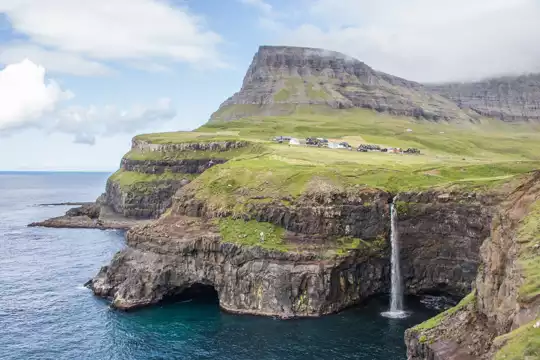
Most people arrive thinking Eysturoy is just a drive-through between better-known Faroese sights; it isn’t. It’s the second-largest island in the Faroe Islands, sitting east of Streymoy and tied into the country’s road network by bridges and tunnels, which makes it feel more lived-in than remote. As a “national park” destination for backpackers, Eysturoy is really about long, wind-exposed ridgelines, sea-cliff views, and sheep-chewed paths rather than manicured trails or big infrastructure. Hiking is excellent but often steep, poorly waymarked, and weather-sensitive; birdlife is good on the coasts, less dramatic than the puffin hotspots elsewhere. Access is easy by bus or hitchhiking, and there’s no formal entrance fee, but you can run into local land-use charges on specific routes. Camping is restricted and best done in official sites or simple guesthouses, which aren’t cheap. Compared with wilder northern islands, Eysturoy feels more practical than magical, but far less staged than the busiest viewpoints on Streymoy.

Discover everything you want to know in the 📖 Faroe Islands Travel Guide.


example page 0 from our offline Travel Guide for Faroe Islands
example page 1 from our offline Travel Guide for Faroe Islands
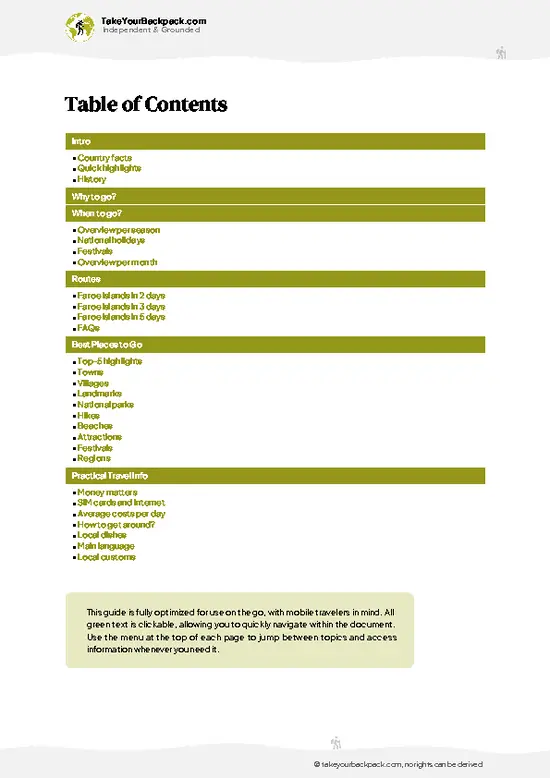
example page 2 from our offline Travel Guide for Faroe Islands
example page 3 from our offline Travel Guide for Faroe Islands
example page 4 from our offline Travel Guide for Faroe Islands
example page 5 from our offline Travel Guide for Faroe Islands
example page 6 from our offline Travel Guide for Faroe Islands
example page 7 from our offline Travel Guide for Faroe Islands
Loading the map 🌍
CLICK TO FILTER
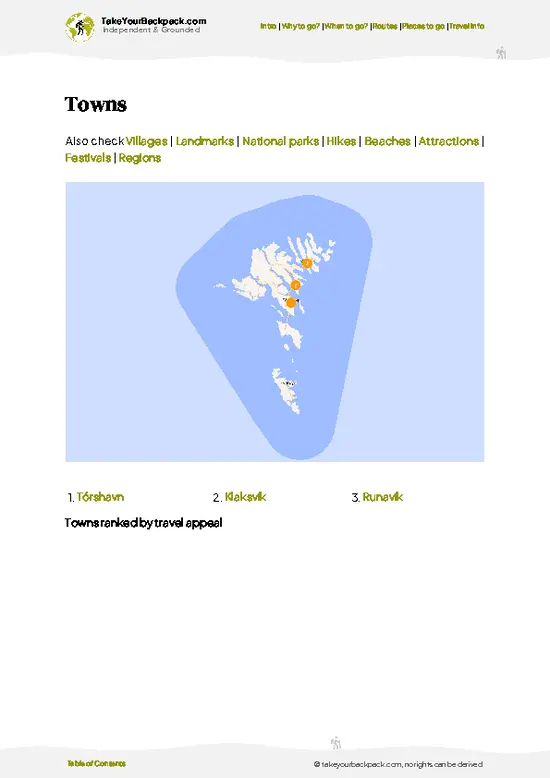
towns
villages
landmarks
national parks
hikes
beaches
attractions
festivals
regions
SHOW COUNTRY’S BESTSHOW ALL

✨ Why go?
Ranked #2 region in Faroe Islands
The unique appeal for travelers

Eysturoy in the Faroe Islands is a backpacker’s playground for several reasons. First, independent exploration is a major draw. The park’s trails are well-marked, allowing you to wander at your own pace without the constraints of guided tours. You can soak in the scenery, take your time, and truly connect with the landscape.

Budget camping and hostels nearby make it accessible for those watching their wallets. Pitch your tent under the stars or find a cozy spot in a hostel; either way, you’ll save cash for local experiences.

The trail variety is another highlight. Whether you’re after a leisurely stroll or a challenging hike, Eysturoy offers options for every skill level. You can tackle rugged cliffs or meander through lush valleys, all while enjoying breathtaking views.

This park is … read more 👉
Eysturoy in the Faroe Islands is a backpacker’s playground for several reasons. First, independent exploration is a major draw. The park’s trails are well-marked, allowing you to wander at your own pace without the constraints of guided tours. You can soak in the scenery, take your time, and truly connect with the landscape.

Budget camping and hostels nearby make it accessible for those watching their wallets. Pitch your tent under the stars or find a cozy spot in a hostel; either way, you’ll save cash for local experiences.

The trail variety is another highlight. Whether you’re after a leisurely stroll or a challenging hike, Eysturoy offers options for every skill level. You can tackle rugged cliffs or meander through lush valleys, all while enjoying breathtaking views.

This park is particularly suited for self-guided travelers. You won’t feel pressured to keep up with a group, and you can adjust your plans based on the weather or your mood. Just remember to pack enough food and water, as amenities can be sparse. Embrace the freedom, and let Eysturoy reveal its wonders at your own pace.

💡 HighlightsWhat this place is best known for

  • Quick note — Eysturoy is an island, not a national park: the Faroes don’t have a national park called “Eysturoy,” so below are the best natural highlights and hikes on the island of Eysturoy itself.
  • Slættaratindur (the highest peak): the Faroes’ tallest mountain (around 880 m) — a straightforward but steep hike with ridiculous 360° views on a clear day. Perfect if you want to tick off the highest point and see a patchwork of fjords and neighboring islands.
  • Gjógv and its natural gorge: a tiny photogenic village built around a deep sea gorge that forms a natural harbour. Basalt cliffs, seabirds on the rocks, and short cliff-top walks make it an easy, rewarding stop for photos and a picnic.
  • Eiði viewpoints and the Risin og Kellingin sea stacks: from Eiði you can see the dramatic twin sea
… read more 👉
  • Quick note — Eysturoy is an island, not a national park: the Faroes don’t have a national park called “Eysturoy,” so below are the best natural highlights and hikes on the island of Eysturoy itself.
  • Slættaratindur (the highest peak): the Faroes’ tallest mountain (around 880 m) — a straightforward but steep hike with ridiculous 360° views on a clear day. Perfect if you want to tick off the highest point and see a patchwork of fjords and neighboring islands.
  • Gjógv and its natural gorge: a tiny photogenic village built around a deep sea gorge that forms a natural harbour. Basalt cliffs, seabirds on the rocks, and short cliff-top walks make it an easy, rewarding stop for photos and a picnic.
  • Eiði viewpoints and the Risin og Kellingin sea stacks: from Eiði you can see the dramatic twin sea stacks standing off the coast (and hear the old giant-and-witch story). The viewpoint and nearby trails offer dramatic ocean vistas and good chances to watch seabirds riding the winds.
  • Funningsfjørður and Funningur: classic Faroese fjord villages squeezed under sheer mountain slopes. Great for quiet walks, close-up mountain scenery, and getting a feel for old turf-roof architecture without the crowds.
  • Fuglafjørður’s harbour and hill walks: a working harbour town with surprisingly good access to nearby trails up into the hills. Good mix of local life, light industry, and easy routes that reward you with panoramic views and seabird sightings.
  • Coastal ridgelines and village-to-village hikes: the island’s network of trails links villages with exposed ridgelines and headlands — expect steep climbs, wild weather, and unbeatable fjord-and-ocean panoramas. Bring layers and allow time for turning back if the fog rolls in.
  • Eiði/Eiðisvatn lakeside walks: an easy, atmospheric stroll around the lake and along the shore gives calm water reflections, mountain views, and good sunset photo ops with the sea stacks in the distance — low effort, high reward.
Spotted a mistake or missing something? Contact us.

Things to do around Eysturoy

Ratings based on Tripadvisor reviews. When you book through this link, you support our work at no extra cost to you.

🌤️ When to go?Seasonal considerations and timing

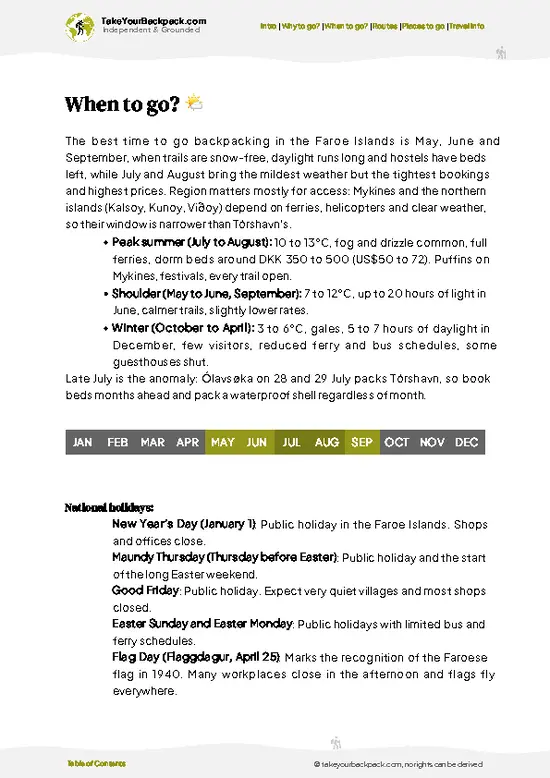
  • Weather: Eysturoy’s weather is notoriously unpredictable. Summer months (June to August) offer the most stable conditions, but expect sudden rain and wind any time of year. Winter is harsh, with frequent storms making trails risky.
  • Temperature: Summer highs hover around 10-13°C (50-55°F), rarely climbing higher. Winters dip to 0-3°C (32-37°F), often feeling colder with wind chill. Dress in layers; the chill sneaks up even on sunny days.
  • Daylight Hours: In summer, daylight stretches to nearly 20 hours, giving you plenty of time to explore. Winter days shrink to about 6 hours, limiting hiking windows and increasing the risk of getting caught out after dark.
  • Crowds: Peak season brings a noticeable bump in visitors, especially July and August. Trails can feel busy, and accommodation prices
… read more 👉
  • Weather: Eysturoy’s weather is notoriously unpredictable. Summer months (June to August) offer the most stable conditions, but expect sudden rain and wind any time of year. Winter is harsh, with frequent storms making trails risky.
  • Temperature: Summer highs hover around 10-13°C (50-55°F), rarely climbing higher. Winters dip to 0-3°C (32-37°F), often feeling colder with wind chill. Dress in layers; the chill sneaks up even on sunny days.
  • Daylight Hours: In summer, daylight stretches to nearly 20 hours, giving you plenty of time to explore. Winter days shrink to about 6 hours, limiting hiking windows and increasing the risk of getting caught out after dark.
  • Crowds: Peak season brings a noticeable bump in visitors, especially July and August. Trails can feel busy, and accommodation prices spike. Shoulder months like May and September offer quieter paths and a more local vibe.
  • Seasonal Activities: Summer is prime for hiking and birdwatching, with puffins nesting and wildflowers blooming. Winter offers dramatic landscapes but fewer accessible trails and limited services.
  • Price Fluctuations: Expect accommodation and ferry prices to double in peak summer. Booking early is essential. Off-season rates drop significantly but come with trade-offs in weather and daylight.
Pro-tip: Aim for late May or early September to balance decent weather, manageable crowds, and better prices—perfect for stretching your legs without stretching your budget.


source: climatestotravel.comJANJanuary: below average for travelingFEBFebruary: below average for travelingMARMarch: fair for travelingAPRApril: fair for travelingMAYMay: highly recommended for travelingJUNJune: excellent for travelingJULJuly: excellent for travelingAUGAugust: excellent for travelingSEPSeptember: highly recommended for travelingOCTOctober: good for travelingNOVNovember: fair for travelingDECDecember: below average for traveling
faroe-islands-region-eysturoy
© Google | New Roads

✈️ The backpacker research shortcutFaroe Islands Travel Guide

An offline-friendly backpacking guide with optimized travel routes, ranked highlights, transport advice, and the best areas to stay.
example page 0 from our offline Travel Guide for Faroe Islands
example page 1 from our offline Travel Guide for Faroe Islands
example page 2 from our offline Travel Guide for Faroe Islands
example page 3 from our offline Travel Guide for Faroe Islands
example page 4 from our offline Travel Guide for Faroe Islands
example page 5 from our offline Travel Guide for Faroe Islands
example page 6 from our offline Travel Guide for Faroe Islands
example page 7 from our offline Travel Guide for Faroe Islands
The digital guide (161 pages) contains:
✅ 39 highlights, ranked by travel appeal
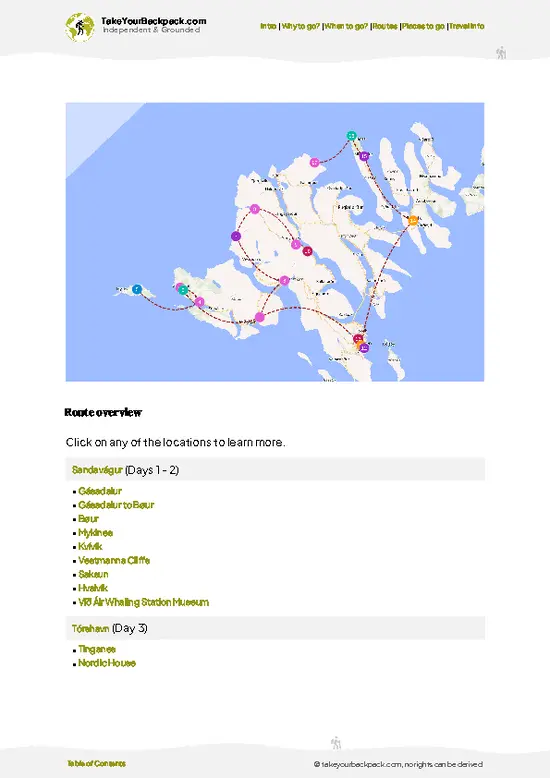
✅ Optimized 2, 3 & 5-day travel routes
✅ Cities, national parks, landmarks, beaches
✅ How to get around
✅ Offline-friendly for travel without Wi-Fi
👉 Click to see all 30+ guide features

📅 Plan smarter in minutes, not weeks
✅ Month by month travel advice
✅ Festivals & national holidays
✅ Budget expectations

🗺️ Go to the right places, skip the overrated ones
✅ Honest pros & cons of destinations
✅ Top hikes, parks & viewpoints
✅ Lesser-known places most travelers miss
✅ Clear “worth it vs skip it” guidance

🛏️ Travel smoothly without rookie mistakes
✅ Best areas to stay
✅ Transport systems explained simply
✅ Common scams & safety advice
✅ SIM cards, money & practical tips

🌍 Understand the country, not just visit it
✅ Culture & traditions
✅ 52 Essential phrases & customs
✅ Festivals worth planning around
✅ Traveler-friendly historical context
✅ Insights that make places more meaningful

📱 Built for real travel conditions
✅ Fully downloadable PDF
✅ Works completely offline
✅ Optimized for phone use
✅ Useful in remote areas & buses
✅ Everything in one place
Stop searching, start planning
Get instant access to your full guide. 30‑day money-back guarantee.
+ Add another guide for just

By proceeding you agree to our terms.
Sent to your inbox immediately after payment • 100% Secure Checkout
Best Backpacking Travel Advisor 2025 tourism awardBest Backpacking
Travel Advisor
2025
What others say about Take Your Backpack Guides:
⭐⭐⭐⭐⭐
Fantastic, amazing amount of information!
⭐⭐⭐⭐⭐
My goodness this is amazing, it's what I've been looking for hats off too you!
⭐⭐⭐⭐⭐
I think this is absolutely BRILLIANT
⭐⭐⭐⭐
Very complete and informative. It's still missing places, but I gotta to commend you
⭐⭐⭐⭐⭐
This is truly amazing, thank you, can't wait to explore it with my kids!
⭐⭐⭐⭐⭐
Awesome resource, thank you!
⭐⭐⭐⭐⭐
This is amazing! Can't wait to explore the ones I haven't seen
⭐⭐⭐⭐
I love this! Well done, great idea.
⭐⭐⭐⭐⭐
Thanks for taking the time to make this gem!
⭐⭐⭐⭐⭐
This might be the best website I've ever seen.
⭐⭐⭐⭐⭐
Congratulations, and thank you so much for your work; it's incredibly valuable.
⭐⭐⭐⭐
In all seriousness I think you did a great job pointing out the important spots
⭐⭐⭐⭐⭐
10/10 very good
⭐⭐⭐⭐⭐
As someone who's only just starting to visit regularly this is awesome, thank you.
⭐⭐⭐⭐
Thank you very much! I'm going to visit my dad, it's going to be very useful!
⭐⭐⭐⭐⭐
This is really cool! We'll be travelling for the first time and this definitely come in handy.
⭐⭐⭐⭐⭐
You are now our minister of culture, congratulations 👨‍💼
⭐⭐⭐⭐⭐
Just wanted to tell you that this is a pearl! Going to follow your recommendations.
⭐⭐⭐⭐⭐
This is so cool. I'll definitely be using the resource for my travels soon.
⭐⭐⭐⭐⭐
This is very impressive! Good work.
⭐⭐⭐⭐⭐
This is an amazing and informative site. Very well done!

🛏️ Where to stay?Best areas to stay in Faroe Islands

When it comes to staying near the national park of ’Eysturoy’ in the Faroe Islands, you have a few solid options that cater to backpackers without breaking the bank.

First off, you won’t find traditional hotels inside the park itself. Instead, consider the nearby towns of Gjógv and Eiði. Gjógv, with its charming harbor and colorful houses, offers a few guesthouses and hostels that are perfect for budget travelers. The local vibe is friendly, and you can easily access hiking trails from here.

Eiði is another good choice, slightly less touristy but equally picturesque. It has a couple of guesthouses … read more 👉
When it comes to staying near the national park of ’Eysturoy’ in the Faroe Islands, you have a few solid options that cater to backpackers without breaking the bank.

First off, you won’t find traditional hotels inside the park itself. Instead, consider the nearby towns of Gjógv and Eiði. Gjógv, with its charming harbor and colorful houses, offers a few guesthouses and hostels that are perfect for budget travelers. The local vibe is friendly, and you can easily access hiking trails from here.

Eiði is another good choice, slightly less touristy but equally picturesque. It has a couple of guesthouses and is close to some stunning cliffs and views.

If you’re looking for a more communal experience, check out the hostel in the capital, Tórshavn. It’s about a 30-minute drive from the park, but it’s a great base for exploring the islands.

Keep in mind that accommodations can fill up quickly, especially in summer. Booking ahead is wise. Also, be prepared for variable weather; a good rain jacket is essential. Prioritize comfort and convenience, and you’ll have the energy for those breathtaking hikes.

👛 Costs (as of 15 October 2026)Travel costs and budget guide for Eysturoy

Visiting Eysturoy in the Faroe Islands can be a rewarding experience, but it’s essential to be aware of the costs involved to avoid surprises.

First, consider transportation. If you’re flying into Vágar Airport, expect to pay around €50-€100 for a rental car per day. Public transport is limited, so having your own vehicle is often necessary for exploring the island. Fuel prices hover around €1.60-€2.00 per liter, which can add up quickly.

Accommodation options vary widely. Budget travelers can find hostels or guesthouses for about €30-€60 per night. Mid-range hotels typically range from €80-€150, while upscale options can exceed €200. Booking in advance is crucial, especially during peak season.

Food costs can also catch you off guard. A meal at a casual restaurant might set you back €15-€25, … read more 👉
Visiting Eysturoy in the Faroe Islands can be a rewarding experience, but it’s essential to be aware of the costs involved to avoid surprises.

First, consider transportation. If you’re flying into Vágar Airport, expect to pay around €50-€100 for a rental car per day. Public transport is limited, so having your own vehicle is often necessary for exploring the island. Fuel prices hover around €1.60-€2.00 per liter, which can add up quickly.

Accommodation options vary widely. Budget travelers can find hostels or guesthouses for about €30-€60 per night. Mid-range hotels typically range from €80-€150, while upscale options can exceed €200. Booking in advance is crucial, especially during peak season.

Food costs can also catch you off guard. A meal at a casual restaurant might set you back €15-€25, while dining at a more upscale place can easily reach €50 or more. Grocery stores are available, and buying supplies can help manage your budget.

Lastly, some hiking trails and attractions may have fees, usually around €5-€10. Always check in advance to avoid unexpected charges.

Being mindful of these costs will help you allocate your budget effectively, allowing you to focus on the stunning landscapes and unique experiences Eysturoy has to offer.


source: visitfaroeislands.com
⚠️ Prices can change and everyone travels differently, so take this as a rough guide. Hope it helps you plan your adventure!

🛡️ SafetyTraveler Safety Guide

Eysturoy offers stunning trails, but don’t underestimate the weather. It can shift from sunny to stormy in minutes. Always check forecasts before heading out, and be prepared for rain and wind. Dress in layers and carry a waterproof jacket; it’s a game changer.

The terrain varies. Some paths are steep and rocky, requiring careful footing. Navigation can be tricky, especially in fog. A good map and compass are essential, even if you’re using a GPS. Don’t rush; take your time to enjoy the views and stay safe.

Wildlife encounters are rare but possible. If you spot sheep or birds, admire them from a distance. They’re part of the landscape, not your hiking buddies.

First-timers often overlook the importance of timing. Start early to avoid afternoon weather changes and give yourself plenty of … read more 👉
Eysturoy offers stunning trails, but don’t underestimate the weather. It can shift from sunny to stormy in minutes. Always check forecasts before heading out, and be prepared for rain and wind. Dress in layers and carry a waterproof jacket; it’s a game changer.

The terrain varies. Some paths are steep and rocky, requiring careful footing. Navigation can be tricky, especially in fog. A good map and compass are essential, even if you’re using a GPS. Don’t rush; take your time to enjoy the views and stay safe.

Wildlife encounters are rare but possible. If you spot sheep or birds, admire them from a distance. They’re part of the landscape, not your hiking buddies.

First-timers often overlook the importance of timing. Start early to avoid afternoon weather changes and give yourself plenty of daylight. Respect the trails and fellow hikers; a friendly nod goes a long way. With the right preparation, Eysturoy can be a rewarding experience.

FAQTraveler FAQ

2 to 3 days are sufficient to explore Eysturoy thoroughly, including hiking popular trails like Slættaratindur, the highest peak in the Faroe Islands. This allows time for both outdoor activities and visiting local villages. Longer stays are recommended if you want to explore more remote areas or enjoy a slower pace.
Yes, you can visit Eysturoy without a car. Public buses connect key villages and hiking trailheads, though schedules may be limited, especially on weekends. Renting a bike or joining guided tours are alternative options to access more remote spots.
No entrance fee or permit is required to visit Eysturoy. The area is open to the public year-round, but visitors should respect local regulations and private property. Some guided hikes or tours may have fees, but general access to the national park is free.
⚠️ Things can change over time, so always validate details locally before you go.

Other Faroese regions near Eysturoy

Explore more nearby:

  • Streymoy—fjord views, turf-roof villages, ancient ruins| 13 km away
  • Mykines—Puffin colonies, dramatic sea stacks, lighthouse views| 39 km away

💡 Not sure where to go next?
Create a personalized itinerary for Faroe Islands including Eysturoy and the places that fit your trip.

Generate my itinerary

👉 Discover all regions

Or checkout all Faroe Islands has to offer (think cities, towns, villages, national parks, hikes, beaches, festivals)
Country photo of Faroe Islands

We 💚 feedbackWhat to keep in mind

Eysturoy has a raw, rugged charm that feels like stepping into a postcard. The best surprise? The local hospitality—people genuinely want to share their stories and culture. But don’t underestimate the weather; it can shift faster than you can say “raincoat.” Plan for the unexpected. Keep your energy for the hikes and the breathtaking views, not for scrambling to find shelter. Embrace the quirks of this island, and you’ll leave with memories that linger long after you’ve returned home.

✍️ Help improve this page!
The information on this page is based on in-depth research, insights shared by experienced travelers, and feedback from the local travel community in Faroe Islands. While every effort is made to keep the information accurate and current, conditions can change — so if you spot anything incorrect or outdated, please get in touch.


🙋‍♂️ Give feedback

👋 Meet the founderWho’s Behind Take Your Backpack?

Johan, backpacker and founder of TakeYourBackpackHi, I’m Johan (Netherlands 🇳🇱), the creator of TakeYourBackpack. Over the past 3 decades, I’ve backpacked through 90+ countries across six continents, gaining extensive experience with independent travel, long-term trips, and overland routes.

This site is built on a combination of firsthand travel experience and carefully curated insights from other backpackers. Many guides are based on places I’ve personally visited, while others bring together tips, observations, and practical advice shared by trusted travelers I’ve met along the way.

The goal is to provide realistic, experience-driven guidance — not generic itineraries — so you can explore destinations with better context, clearer expectations, and more confidence.