×

Fiji🇫🇯 | attractionsFiji MuseumDrua hull, Lapita shards, Bounty rudder, botanical grounds | things to do and best time to go

Explore Sri Siva Subramaniya TempleExplore Garden of the Sleeping Giant

Backpacking in Fiji Museum
🌟 Highlightattraction ranked #4
By Johan Kruseman 🇳🇱 | Updated October 15, 2026

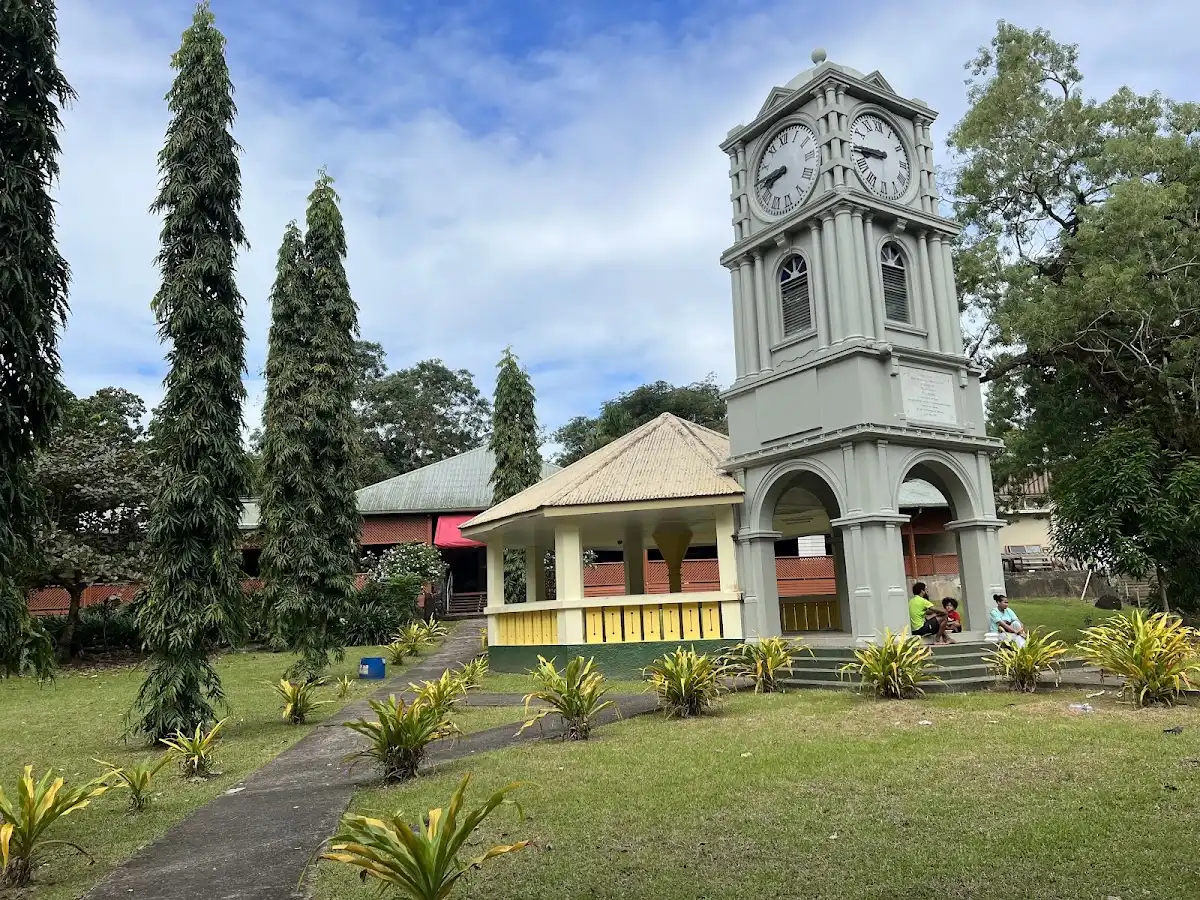
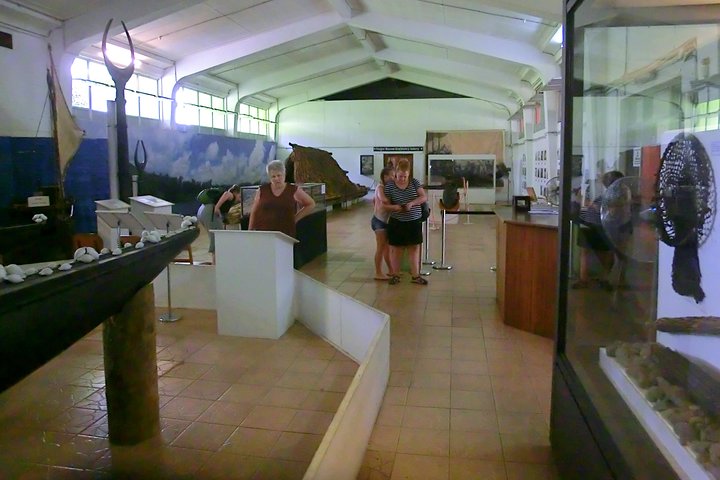
The first thing you notice is the hush of Thurston Gardens, then the cool of the galleries and the heft of a drua canoe hull looming over you. The Fiji Museum sits in Fiji’s capital, Suva, inside the botanical gardens on Ratu Cakobau Road, an easy walk from the center. Crowds are thin, often just a school group or a few cruise visitors, and the entry fee is modest, so the value is solid. Displays are older and labels can be dense, but the collection is the real thing: Pacific war clubs, cannibal forks, and the rudder of HMS Bounty. Arrive when it opens, before the afternoon heat and the tour buses. Your first day could run like this: museum for two hours, a slow loop of the gardens, then lunch at a market stall in town.

Discover everything you want to know in the 📖 Fiji Travel Guide.


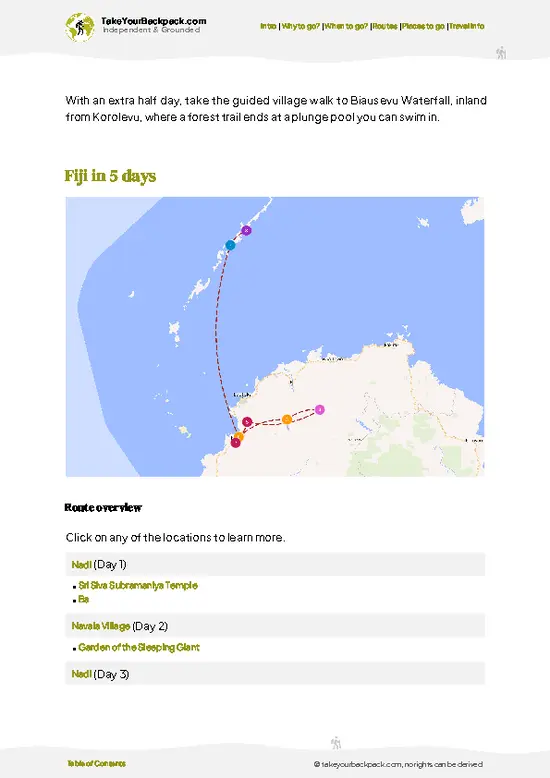
example page 0 from our offline Travel Guide for Fiji
example page 1 from our offline Travel Guide for Fiji
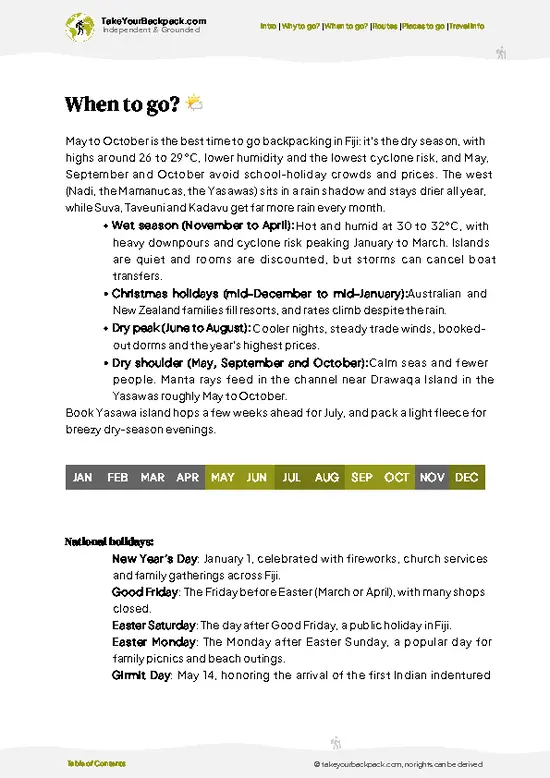
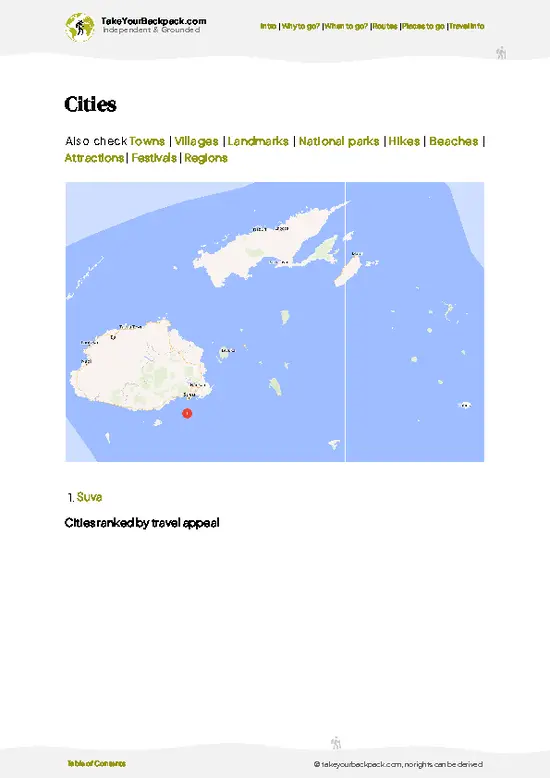
example page 2 from our offline Travel Guide for Fiji
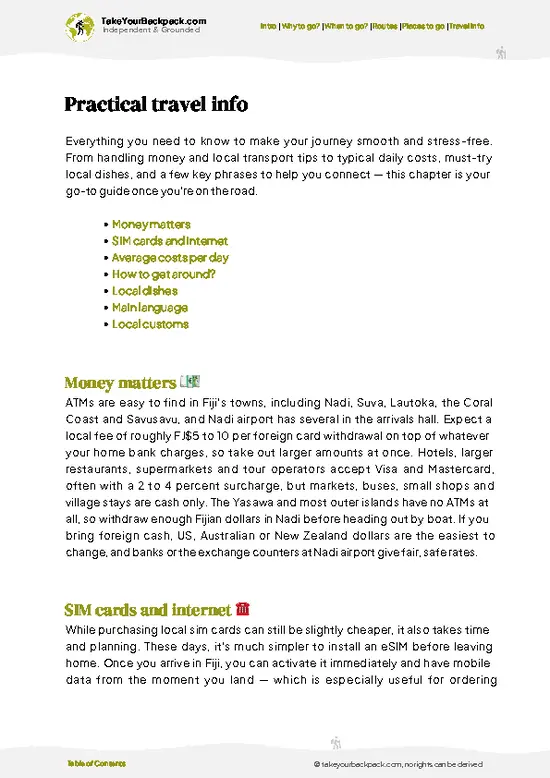
example page 3 from our offline Travel Guide for Fiji
example page 4 from our offline Travel Guide for Fiji
example page 5 from our offline Travel Guide for Fiji
example page 6 from our offline Travel Guide for Fiji
example page 7 from our offline Travel Guide for Fiji
Loading the map 🌍
CLICK TO FILTER
cities
towns
villages
landmarks
national parks
hikes
beaches
attractions
festivals
regions
SHOW COUNTRY’S BESTSHOW ALL

✨ Why go?
Ranked #4 attraction in Fiji
Why Fiji Museum should be on your travel list

Go because this is the most complete story of the islands you can read under one roof. The Ratu Finau drua hull, a section of a double-hulled voyaging canoe, shows how seriously Fijians built for the open ocean, and it makes the long ferry rides ahead feel different. The collection also covers Lapita pottery, with decorated shards around 3,000 years old, which gives you the deep history of the first settlers before you ever meet a village chief.

It also fits neatly on a Fiji route. Most backpackers hurry through Suva toward the islands, but a morning here explains the yaqona ceremony, the masi bark cloth, and the Indo-Fijian history you will meet everywhere else. It is cheap, shaded, and cool, which makes it a smart choice on a rainy Suva day. Skip it only if you dislike reading, because the context is the point.

💡 HighlightsKey sights and experiences for travelers

  1. Ratu Finau drua hull: The huge remains of a traditional double-hulled war canoe, once able to carry over a hundred people. Standing beside it explains Fijian seafaring better than any sign.
  2. Lapita pottery gallery: Delicately stamped shards from the earliest settlers, roughly 3,000 years old, found at sites around the islands.
  3. Cannibal forks and war clubs: The carved wooden forks (ai cola) and heavy clubs are the pieces everyone photographs. They are displayed with context on chiefly warfare.
  4. HMS Bounty rudder: A relic linked to the famous mutiny, recovered from the Pacific and part of the museum’s colonial era display.
  5. Indo-Fijian gallery: Tells the story of indentured laborers brought for the sugar plantations from 1879, with household objects, jewelry and clothing.
  6. Masi and traditional crafts:
… read more 👉
  1. Ratu Finau drua hull: The huge remains of a traditional double-hulled war canoe, once able to carry over a hundred people. Standing beside it explains Fijian seafaring better than any sign.
  2. Lapita pottery gallery: Delicately stamped shards from the earliest settlers, roughly 3,000 years old, found at sites around the islands.
  3. Cannibal forks and war clubs: The carved wooden forks (ai cola) and heavy clubs are the pieces everyone photographs. They are displayed with context on chiefly warfare.
  4. HMS Bounty rudder: A relic linked to the famous mutiny, recovered from the Pacific and part of the museum’s colonial era display.
  5. Indo-Fijian gallery: Tells the story of indentured laborers brought for the sugar plantations from 1879, with household objects, jewelry and clothing.
  6. Masi and traditional crafts: Beaten bark cloth, woven mats and tapa patterns that you will see again at ceremonies and craft markets.
  7. Thurston Gardens: The museum sits within this old botanical garden, with shady lawns and a quiet spot to rest after the galleries.
Start with the drua hull, since it sets the scale of Fijian history before you meet the smaller objects.
Spotted a mistake or missing something? Contact us.
Things to do around Fiji Museum

Ratings based on Tripadvisor reviews. When you book through this link, you support our work at no extra cost to you.

🌤️ When to go?Weather, crowds, and seasonal trade-offs

  • May to October (dry season): Suva’s museum is easiest to enjoy in these months, with highs of 26 to 29°C (79 to 84°F) and lower humidity. Daylight runs roughly 11 to 12 hours, so you can combine the museum with a walk through Thurston Gardens next door.
  • November to April (wet season): Expect 28 to 32°C (82 to 90°F), thick humidity and heavy downpours, with cyclone risk peaking from January to March. Suva gets far more rain than the western side of Viti Levu, so a museum day suits a wet afternoon well.
  • Crowds: The museum stays quiet most of the year. Cruise ship days and school groups on weekday mornings are the only real crowds, and July to August brings the most foreign visitors.
  • Prices: Entry stays flat all year. Hostel and flight prices rise in July, August and December.
Arrive when the doors … read more 👉
  • May to October (dry season): Suva’s museum is easiest to enjoy in these months, with highs of 26 to 29°C (79 to 84°F) and lower humidity. Daylight runs roughly 11 to 12 hours, so you can combine the museum with a walk through Thurston Gardens next door.
  • November to April (wet season): Expect 28 to 32°C (82 to 90°F), thick humidity and heavy downpours, with cyclone risk peaking from January to March. Suva gets far more rain than the western side of Viti Levu, so a museum day suits a wet afternoon well.
  • Crowds: The museum stays quiet most of the year. Cruise ship days and school groups on weekday mornings are the only real crowds, and July to August brings the most foreign visitors.
  • Prices: Entry stays flat all year. Hostel and flight prices rise in July, August and December.
Arrive when the doors open on a weekday and you’ll usually have the galleries to yourself before the heat builds.


source: climatestotravel.comJANJanuary: below average for travelingFEBFebruary: below average for travelingMARMarch: below average for travelingAPRApril: fair for travelingMAYMay: excellent for travelingJUNJune: highly recommended for travelingJULJuly: good for travelingAUGAugust: good for travelingSEPSeptember: excellent for travelingOCTOctober: excellent for travelingNOVNovember: fair for travelingDECDecember: fair for traveling
fiji-attraction-fiji-museum
© Google |

✈️ The backpacker research shortcutFiji Travel Guide

An offline-friendly backpacking guide with optimized travel routes, ranked highlights, transport advice, and the best areas to stay.
example page 0 from our offline Travel Guide for Fiji
example page 1 from our offline Travel Guide for Fiji
example page 2 from our offline Travel Guide for Fiji
example page 3 from our offline Travel Guide for Fiji
example page 4 from our offline Travel Guide for Fiji
example page 5 from our offline Travel Guide for Fiji
example page 6 from our offline Travel Guide for Fiji
example page 7 from our offline Travel Guide for Fiji
The digital guide (159 pages) contains:
✅ 41 highlights, ranked by travel appeal
✅ Optimized 2, 3 & 5-day travel routes
✅ Cities, national parks, landmarks, beaches
✅ How to get around
✅ Offline-friendly for travel without Wi-Fi
👉 Click to see all 30+ guide features

📅 Plan smarter in minutes, not weeks
✅ Month by month travel advice
✅ Festivals & national holidays
✅ Budget expectations

🗺️ Go to the right places, skip the overrated ones
✅ Honest pros & cons of destinations
✅ Top hikes, parks & viewpoints
✅ Lesser-known places most travelers miss
✅ Clear “worth it vs skip it” guidance

🛏️ Travel smoothly without rookie mistakes
✅ Best areas to stay
✅ Transport systems explained simply
✅ Common scams & safety advice
✅ SIM cards, money & practical tips

🌍 Understand the country, not just visit it
✅ Culture & traditions
✅ 52 Essential phrases & customs
✅ Festivals worth planning around
✅ Traveler-friendly historical context
✅ Insights that make places more meaningful

📱 Built for real travel conditions
✅ Fully downloadable PDF
✅ Works completely offline
✅ Optimized for phone use
✅ Useful in remote areas & buses
✅ Everything in one place
Stop searching, start planning
Get instant access to your full guide. 30‑day money-back guarantee.
+ Add another guide for just

By proceeding you agree to our terms.
Sent to your inbox immediately after payment • 100% Secure Checkout
Best Backpacking Travel Advisor 2025 tourism awardBest Backpacking
Travel Advisor
2025
What others say about Take Your Backpack Guides:
⭐⭐⭐⭐⭐
Fantastic, amazing amount of information!
⭐⭐⭐⭐⭐
My goodness this is amazing, it's what I've been looking for hats off too you!
⭐⭐⭐⭐⭐
I think this is absolutely BRILLIANT
⭐⭐⭐⭐
Very complete and informative. It's still missing places, but I gotta to commend you
⭐⭐⭐⭐⭐
This is truly amazing, thank you, can't wait to explore it with my kids!
⭐⭐⭐⭐⭐
Awesome resource, thank you!
⭐⭐⭐⭐⭐
This is amazing! Can't wait to explore the ones I haven't seen
⭐⭐⭐⭐
I love this! Well done, great idea.
⭐⭐⭐⭐⭐
Thanks for taking the time to make this gem!
⭐⭐⭐⭐⭐
This might be the best website I've ever seen.
⭐⭐⭐⭐⭐
Congratulations, and thank you so much for your work; it's incredibly valuable.
⭐⭐⭐⭐
In all seriousness I think you did a great job pointing out the important spots
⭐⭐⭐⭐⭐
10/10 very good
⭐⭐⭐⭐⭐
As someone who's only just starting to visit regularly this is awesome, thank you.
⭐⭐⭐⭐
Thank you very much! I'm going to visit my dad, it's going to be very useful!
⭐⭐⭐⭐⭐
This is really cool! We'll be travelling for the first time and this definitely come in handy.
⭐⭐⭐⭐⭐
You are now our minister of culture, congratulations 👨‍💼
⭐⭐⭐⭐⭐
Just wanted to tell you that this is a pearl! Going to follow your recommendations.
⭐⭐⭐⭐⭐
This is so cool. I'll definitely be using the resource for my travels soon.
⭐⭐⭐⭐⭐
This is very impressive! Good work.
⭐⭐⭐⭐⭐
This is an amazing and informative site. Very well done!

🛏️ Where to stay?Choosing the right base

Central Suva is the best place to stay, because the museum sits inside Thurston Gardens on Ratu Cakobau Road and you can walk there from most of the downtown hostels in 10 to 20 minutes. The streets around Victoria Parade and Gordon Street hold most of the budget dorms and guesthouses. This is where backpackers gather, so you will meet other travelers in common kitchens and rooftop areas, and cafes, the municipal market, bus station and ferry connections are all within a short walk. It suits solo travelers well, and the busy streets mean you can find food and company at any hour.

The Domain and … read more 👉
Central Suva is the best place to stay, because the museum sits inside Thurston Gardens on Ratu Cakobau Road and you can walk there from most of the downtown hostels in 10 to 20 minutes. The streets around Victoria Parade and Gordon Street hold most of the budget dorms and guesthouses. This is where backpackers gather, so you will meet other travelers in common kitchens and rooftop areas, and cafes, the municipal market, bus station and ferry connections are all within a short walk. It suits solo travelers well, and the busy streets mean you can find food and company at any hour.

The Domain and Government Buildings area, just north of the gardens, is calmer and greener, with a few guesthouses and a more residential feel. It is a sensible choice if you want quiet nights and still want to walk to the museum.

After dark, take a taxi rather than walking between downtown and the quieter edges, as Suva has petty crime. Taxis are cheap and plentiful. Backpackers who prefer beaches usually pick the Coral Coast instead, but that is a long ride from the museum.

👛 Costs (as of 15 October 2026)How expensive it really is

A day around Fiji Museum in Suva runs about US$37 to 82 for a backpacker, with the entry ticket itself a small slice of that. The museum sits inside Thurston Gardens, next to the city center, so most costs are food, a bed and short local rides.
CategoryBudget RangeLocal Reality
Museum entryUS$6 to 8Paid at the desk in Fijian dollars. Covers the galleries on the Fijian, Indian and colonial eras, including the Ratu Finau drua hull and the cannibal forks.
Dorm bed (high season)US$15 to 28Suva hostels cost more in the dry months from May to October. Off-season beds drop to roughly US$12 to 22.
Local transportUS$1 to 4City buses and minivans from the main bus station cost under US$1 per ride. A taxi across town is around US$2 to 5.
MealsUS$10 to 22Curry and roti plates in town run US$3 to 6. Sit-down
… read more 👉
A day around Fiji Museum in Suva runs about US$37 to 82 for a backpacker, with the entry ticket itself a small slice of that. The museum sits inside Thurston Gardens, next to the city center, so most costs are food, a bed and short local rides.
CategoryBudget RangeLocal Reality
Museum entryUS$6 to 8Paid at the desk in Fijian dollars. Covers the galleries on the Fijian, Indian and colonial eras, including the Ratu Finau drua hull and the cannibal forks.
Dorm bed (high season)US$15 to 28Suva hostels cost more in the dry months from May to October. Off-season beds drop to roughly US$12 to 22.
Local transportUS$1 to 4City buses and minivans from the main bus station cost under US$1 per ride. A taxi across town is around US$2 to 5.
MealsUS$10 to 22Curry and roti plates in town run US$3 to 6. Sit-down dinners cost US$10 to 15.
Museum shop and extrasUS$3 to 12Small crafts, postcards and books. Photography inside is limited, so budget little for it.
Thurston GardensFreeOpen public park around the museum, good for a picnic lunch from the market.
Water and snacksUS$2 to 5Bottled water is cheap at supermarkets, and the market sells fruit for a dollar or two.
Total Daily BudgetUS$37 to 82Per person, per day, in high season.
⚠️ Prices can change and everyone travels differently, so take this as a rough guide. Hope it helps you plan your adventure!

FAQTraveler FAQ

Plan on 1.5 to 2 hours for the Fiji Museum. The galleries cover Fijian history from the Lapita pottery to the colonial era and Indo-Fijian arrival, and the Drua double-hulled canoe and the Bau cannibal forks are the standouts. Add another hour if you want to wander Thurston Gardens next door.
Yes, for most travelers the fee of roughly FJ$12 to 20 (about US$5 to 9) is good value. It is the best place in Fiji to understand the islands’ Lapita pottery, Indian indenture history and chiefly culture, with the Drua canoe and the Bau cannibal forks as highlights. It is small and quiet, so it works well as a half-day on a rainy day in Suva.
The museum is inside Thurston Gardens on Ratu Cakobau Road in central Suva, about a 10 to 20 minute walk from most downtown hostels. A taxi from the bus station or main streets costs around FJ$4 to 8. From Nadi, express buses take about 4 to 5 hours to Suva, and flights to Nausori Airport are 30 minutes, followed by a 30 to 40 minute ride into town.
⚠️ Things can change over time, so always validate details locally before you go.

Other Fijian attractions near Fiji Museum

Explore more nearby:


💡 Not sure where to go next?
Create a personalized itinerary for Fiji including Fiji Museum and the places that fit your trip.

Generate my itinerary

👉 Discover all attractions

Or checkout all Fiji has to offer (think cities, towns, villages, national parks, hikes, beaches, festivals)
Country photo of Fiji

We 💚 feedbackFinal thoughts on visiting Fiji Museum

Go on a weekday morning right at opening, when the galleries are quiet and the gardens are still cool. Late afternoon turns sticky and the light inside gets flat, so save that slot for the waterfront. If rain is forecast in Suva, even better: bring a light layer for the air-conditioned rooms and linger.

✍️ Help improve this page!
The information on this page is based on in-depth research, insights shared by experienced travelers, and feedback from the local travel community in Fiji. While every effort is made to keep the information accurate and current, conditions can change — so if you spot anything incorrect or outdated, please get in touch.


🙋‍♂️ Give feedback

👋 Meet the founderWho’s Behind Take Your Backpack?

Johan, backpacker and founder of TakeYourBackpackHi, I’m Johan (Netherlands 🇳🇱), the creator of TakeYourBackpack. Over the past 3 decades, I’ve backpacked through 90+ countries across six continents, gaining extensive experience with independent travel, long-term trips, and overland routes.

This site is built on a combination of firsthand travel experience and carefully curated insights from other backpackers. Many guides are based on places I’ve personally visited, while others bring together tips, observations, and practical advice shared by trusted travelers I’ve met along the way.

The goal is to provide realistic, experience-driven guidance — not generic itineraries — so you can explore destinations with better context, clearer expectations, and more confidence.