×

Fiji🇫🇯 | attractionsDamodar Arts VillageBeqa firewalking, kava bowl, meke dances, lovo feast | things to do and best time to go

Explore Suva Municipal MarketExplore Navala Traditional Fijian Village Cultural Site

Backpacking in Damodar Arts Village
👌 Worth visitingattraction ranked #6
By Johan Kruseman 🇳🇱 | Updated October 15, 2026

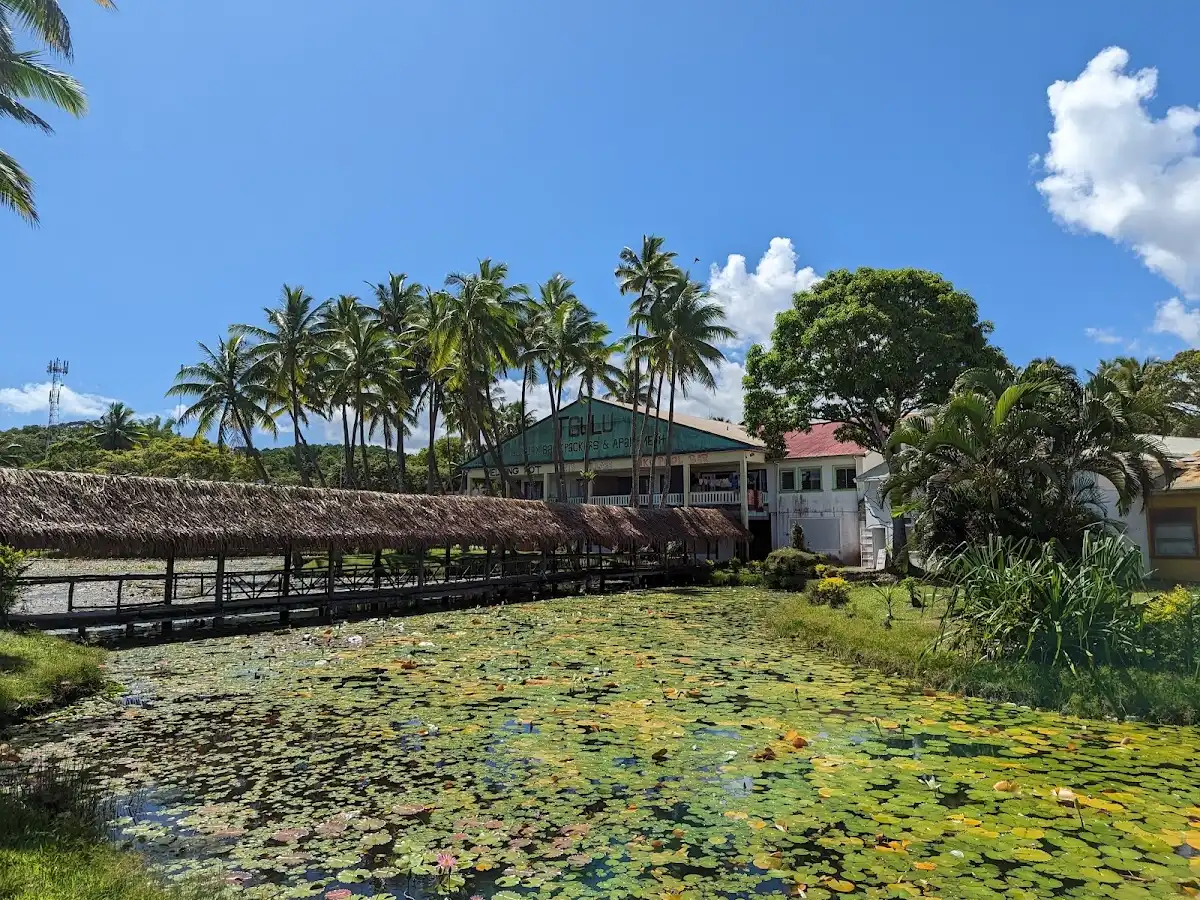
Firewalking is what the Arts Village Cultural Centre is best known for: men from the Sawau tribe of Beqa Island step across a bed of white-hot stones, and you watch from close range. The centre sits in Pacific Harbour, on the Coral Coast side of Viti Levu in Fiji, southeast of Nadi and west of Suva along the Queens Road. It is a staged, purpose-built cultural stop, so expect tour groups, a polished feel and an entry price that stings if you only want a quick look. Go for the performances, the kava and the craft makers, and skip the idea of a lived-in village. Time it for a show day, arrive early, and spend your first afternoon watching the demonstrations, then walking to the beach in Pacific Harbour.

Discover everything you want to know in the 📖 Fiji Travel Guide.


example page 0 from our offline Travel Guide for Fiji
example page 1 from our offline Travel Guide for Fiji
example page 2 from our offline Travel Guide for Fiji
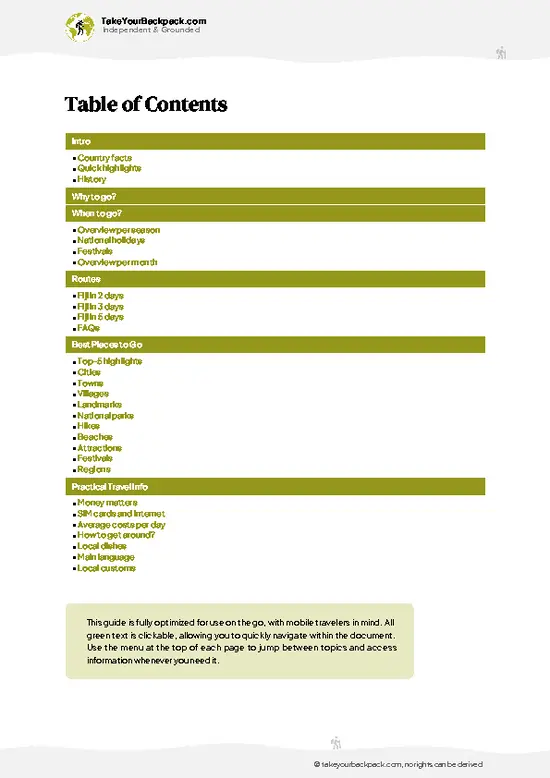
example page 3 from our offline Travel Guide for Fiji
example page 4 from our offline Travel Guide for Fiji
example page 5 from our offline Travel Guide for Fiji
example page 6 from our offline Travel Guide for Fiji
example page 7 from our offline Travel Guide for Fiji
Loading the map 🌍
CLICK TO FILTER
cities
towns
villages
landmarks
national parks
hikes
beaches
attractions
festivals
regions
SHOW COUNTRY’S BESTSHOW ALL

✨ Why go?
Ranked #6 attraction in Fiji
Why visitors keep coming back

Fijian culture is easy to miss when you move between beach resorts and hostels, and this is one place where the old customs are laid out in a single compound. You get a proper kava ceremony explained step by step, the pounding rhythm of a meke dance, and carvers and weavers working in front of you. Their goods are worth buying, since you can ask how they were made.

The Beqa firewalking is the main draw. The Sawau trace the ability to a legend about a man who spared a spirit eel, and seeing it up close beats any photo. It also fits neatly on the Viti Levu route, because Pacific Harbour is the adventure hub of the south coast, known for river trips and shark dives. Pair it with that and you leave with both the culture and the adrenaline.

💡 HighlightsTop highlights of Damodar Arts Village

  1. Beqa Island Firewalking: the headline act. Sawau men walk barefoot over heated volcanic stones while a chief explains the legend behind the gift.
  2. Kava Ceremony: the root is mixed in a carved wooden tanoa bowl. You clap once, drink from the coconut shell and clap three times, which is the polite way in Fiji.
  3. Meke Dance Performances: the men’s war dances with spears and clubs are loud and fast, and the women’s dances tell stories with slow, precise hand movements.
  4. Fijian Village Replica: thatched bure houses show how a traditional village was laid out, including the chief’s house and a ceremonial building.
  5. Drua Canoe Display: the drua was the great double-hulled voyaging canoe of Fiji. Seeing a replica gives you a sense of how islanders crossed open ocean.
  6. Craft Demonstrations: carvers shape war
… read more 👉
  1. Beqa Island Firewalking: the headline act. Sawau men walk barefoot over heated volcanic stones while a chief explains the legend behind the gift.
  2. Kava Ceremony: the root is mixed in a carved wooden tanoa bowl. You clap once, drink from the coconut shell and clap three times, which is the polite way in Fiji.
  3. Meke Dance Performances: the men’s war dances with spears and clubs are loud and fast, and the women’s dances tell stories with slow, precise hand movements.
  4. Fijian Village Replica: thatched bure houses show how a traditional village was laid out, including the chief’s house and a ceremonial building.
  5. Drua Canoe Display: the drua was the great double-hulled voyaging canoe of Fiji. Seeing a replica gives you a sense of how islanders crossed open ocean.
  6. Craft Demonstrations: carvers shape war clubs and bowls, while weavers make mats from pandanus leaves. You can buy directly from them.
  7. Lovo Feast: food is cooked in an earth oven with hot stones, which gives the meat and root crops a smoky, soft texture.
The craft makers are the part most visitors walk past on the way to the stage, yet a short chat with a carver tells you more about Fijian symbols than the shows do.
Spotted a mistake or missing something? Contact us.

Things to do around Damodar Arts Village

Ratings based on Tripadvisor reviews. When you book through this link, you support our work at no extra cost to you.

🌤️ When to go?When to go for the best experience

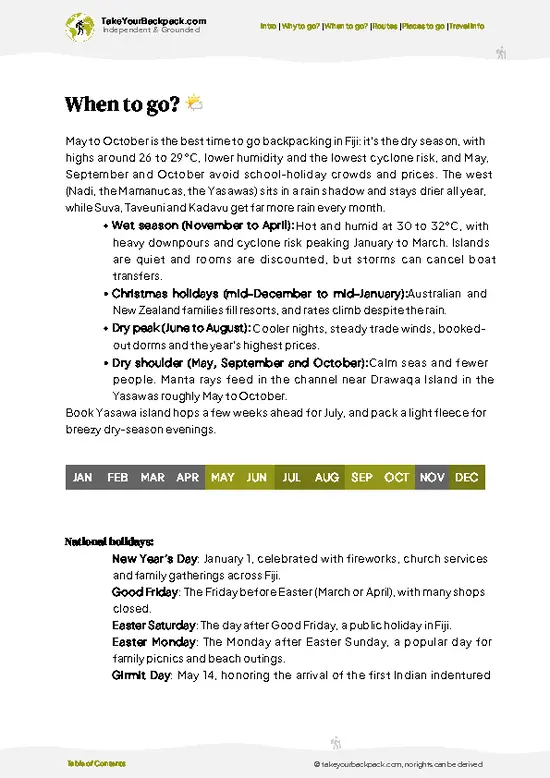
May to October is the most comfortable window for the Arts Village, with dry, sunny days that suit its open-air craft stalls and village paths.
  • Dry Season (May to October): Days run 25 to 29°C (77 to 84°F), nights dip to 18 to 21°C (64 to 70°F), and rain is light. Sunrise is around 6:30 AM and sunset near 5:45 PM. Crowds and prices are highest in July and August.
  • Wet Season (November to April): Expect 27 to 32°C (81 to 90°F), heavy humidity and downpours that can turn village tracks to mud. Cyclones are possible from December to April. Rooms are cheaper, stalls are quieter, and sunset stretches past 7:00 PM.
  • Festival Periods: Fiji Day in October and the Hibiscus Festival in August (Suva) bring cultural performances and tighter transport.
Visit on a weekday morning, before cruise and tour groups arrive around midday.

source: climatestotravel.comJANJanuary: fair for travelingFEBFebruary: fair for travelingMARMarch: fair for travelingAPRApril: fair for travelingMAYMay: highly recommended for travelingJUNJune: highly recommended for travelingJULJuly: good for travelingAUGAugust: good for travelingSEPSeptember: highly recommended for travelingOCTOctober: highly recommended for travelingNOVNovember: fair for travelingDECDecember: fair for traveling
fiji-attraction-damodar-arts-village
© Google |

✈️ The backpacker research shortcutFiji Travel Guide

An offline-friendly backpacking guide with optimized travel routes, ranked highlights, transport advice, and the best areas to stay.
example page 0 from our offline Travel Guide for Fiji
example page 1 from our offline Travel Guide for Fiji
example page 2 from our offline Travel Guide for Fiji
example page 3 from our offline Travel Guide for Fiji
example page 4 from our offline Travel Guide for Fiji
example page 5 from our offline Travel Guide for Fiji
example page 6 from our offline Travel Guide for Fiji
example page 7 from our offline Travel Guide for Fiji
The digital guide (159 pages) contains:
✅ 41 highlights, ranked by travel appeal
✅ Optimized 2, 3 & 5-day travel routes
✅ Cities, national parks, landmarks, beaches
✅ How to get around
✅ Offline-friendly for travel without Wi-Fi
👉 Click to see all 30+ guide features

📅 Plan smarter in minutes, not weeks
✅ Month by month travel advice
✅ Festivals & national holidays
✅ Budget expectations

🗺️ Go to the right places, skip the overrated ones
✅ Honest pros & cons of destinations
✅ Top hikes, parks & viewpoints
✅ Lesser-known places most travelers miss
✅ Clear “worth it vs skip it” guidance

🛏️ Travel smoothly without rookie mistakes
✅ Best areas to stay
✅ Transport systems explained simply
✅ Common scams & safety advice
✅ SIM cards, money & practical tips

🌍 Understand the country, not just visit it
✅ Culture & traditions
✅ 52 Essential phrases & customs
✅ Festivals worth planning around
✅ Traveler-friendly historical context
✅ Insights that make places more meaningful

📱 Built for real travel conditions
✅ Fully downloadable PDF
✅ Works completely offline
✅ Optimized for phone use
✅ Useful in remote areas & buses
✅ Everything in one place
Stop searching, start planning
Get instant access to your full guide. 30‑day money-back guarantee.
+ Add another guide for just

By proceeding you agree to our terms.
Sent to your inbox immediately after payment • 100% Secure Checkout
Best Backpacking Travel Advisor 2025 tourism awardBest Backpacking
Travel Advisor
2025
What others say about Take Your Backpack Guides:
⭐⭐⭐⭐⭐
Fantastic, amazing amount of information!
⭐⭐⭐⭐⭐
My goodness this is amazing, it's what I've been looking for hats off too you!
⭐⭐⭐⭐⭐
I think this is absolutely BRILLIANT
⭐⭐⭐⭐
Very complete and informative. It's still missing places, but I gotta to commend you
⭐⭐⭐⭐⭐
This is truly amazing, thank you, can't wait to explore it with my kids!
⭐⭐⭐⭐⭐
Awesome resource, thank you!
⭐⭐⭐⭐⭐
This is amazing! Can't wait to explore the ones I haven't seen
⭐⭐⭐⭐
I love this! Well done, great idea.
⭐⭐⭐⭐⭐
Thanks for taking the time to make this gem!
⭐⭐⭐⭐⭐
This might be the best website I've ever seen.
⭐⭐⭐⭐⭐
Congratulations, and thank you so much for your work; it's incredibly valuable.
⭐⭐⭐⭐
In all seriousness I think you did a great job pointing out the important spots
⭐⭐⭐⭐⭐
10/10 very good
⭐⭐⭐⭐⭐
As someone who's only just starting to visit regularly this is awesome, thank you.
⭐⭐⭐⭐
Thank you very much! I'm going to visit my dad, it's going to be very useful!
⭐⭐⭐⭐⭐
This is really cool! We'll be travelling for the first time and this definitely come in handy.
⭐⭐⭐⭐⭐
You are now our minister of culture, congratulations 👨‍💼
⭐⭐⭐⭐⭐
Just wanted to tell you that this is a pearl! Going to follow your recommendations.
⭐⭐⭐⭐⭐
This is so cool. I'll definitely be using the resource for my travels soon.
⭐⭐⭐⭐⭐
This is very impressive! Good work.
⭐⭐⭐⭐⭐
This is an amazing and informative site. Very well done!

🛏️ Where to stay?Choosing the right base

Pacific Harbour is the best base, since it sits right beside the Arts Village and has the strongest backpacker scene nearby.
The Pacific Harbour strip has a small cluster of dorm-style stays, a handful of cafes and a supermarket, so you can self-cater and cut costs. It is also the adventure hub of the Coral Coast's eastern end, with shark diving, river trips and Sigatoka-style canoe tours, which means you meet other solo travelers easily at hostel common areas and tour pickups. Walking between the village and the main strip is possible but hot, so many travelers use short local buses or taxis along … read more 👉
Pacific Harbour is the best base, since it sits right beside the Arts Village and has the strongest backpacker scene nearby.
The Pacific Harbour strip has a small cluster of dorm-style stays, a handful of cafes and a supermarket, so you can self-cater and cut costs. It is also the adventure hub of the Coral Coast's eastern end, with shark diving, river trips and Sigatoka-style canoe tours, which means you meet other solo travelers easily at hostel common areas and tour pickups. Walking between the village and the main strip is possible but hot, so many travelers use short local buses or taxis along Queens Road. Evenings are quiet, and roads are dark, so take a taxi after dark.
Suva is the alternative, roughly one hour away by road. It has more hostels, nightlife, markets and bus connections, which suits people combining the village with city sights. It is livelier but busier, and petty theft after dark is a real concern, so stay in well-lit central areas.
For a slower pace, the villages along the Coral Coast offer homestay-style options, though they are further away and less social.

👛 Costs (as of 15 October 2026)How expensive it really is

Expect to spend about US$75 to 110 a day at Arts Village Cultural Centre in Pacific Harbour, with the cultural show and a dorm bed making up most of it.
CategoryBudget RangeLocal Reality
Entry and cultural showUS$35 to 60Prices vary by package. The basic village visit is cheapest, while the show with a traditional meal and firewalking sits at the top of the range.
Accommodation (high season)US$15 to 30Dorm beds in Pacific Harbour run toward the upper end in the dry months from May to October. Private rooms start around US$60.
Accommodation (low season)US$12 to 22November to April brings lower rates and plenty of availability.
FoodUS$10 to 20Cafe plates and curries cost US$5 to 9. Supermarket supplies in Pacific Harbour cut costs.
Local transportUS$2 to 8Local buses along the Queens Road cost US$1
… read more 👉
Expect to spend about US$75 to 110 a day at Arts Village Cultural Centre in Pacific Harbour, with the cultural show and a dorm bed making up most of it.
CategoryBudget RangeLocal Reality
Entry and cultural showUS$35 to 60Prices vary by package. The basic village visit is cheapest, while the show with a traditional meal and firewalking sits at the top of the range.
Accommodation (high season)US$15 to 30Dorm beds in Pacific Harbour run toward the upper end in the dry months from May to October. Private rooms start around US$60.
Accommodation (low season)US$12 to 22November to April brings lower rates and plenty of availability.
FoodUS$10 to 20Cafe plates and curries cost US$5 to 9. Supermarket supplies in Pacific Harbour cut costs.
Local transportUS$2 to 8Local buses along the Queens Road cost US$1 to 3 for short hops. A taxi from the town center costs about US$4 to 8.
Getting from Suva or NadiUS$4 to 15Suva is about an hour away by express bus (roughly US$3 to 5). Nadi is 2.5 to 3 hours (roughly US$10 to 15).
ExtrasUS$5 to 15Drinks, craft souvenirs and tips for performers. Pay in Fijian dollars, cash is easiest.
Total Daily BudgetUS$75 to 110Based on the show package, a high-season dorm bed, food, local transport and extras.
⚠️ Prices can change and everyone travels differently, so take this as a rough guide. Hope it helps you plan your adventure!

FAQFrequently asked questions about Damodar Arts Village

Plan on 2 to 3 hours for the Arts Village Cultural Centre, or half a day if you add a cultural show and lunch. Pacific Harbour has other activities, so many travelers combine it with a shark dive or river trip over 1 to 2 days. Weekday mornings are the quietest.
Yes, if you want a concentrated look at Fijian culture with live performances, fire-walking style displays and local crafts in one place. Entry or show packages typically run around US$15 to 35 depending on what is included. If you are on a tight budget, browsing the craft stalls costs little and still gives a good flavor.
From Suva, take a bus or taxi west along Queens Road to Pacific Harbour, about 1 hour and 50 km. Buses cost a few Fijian dollars, while a taxi is considerably more. From Nadi, the drive is about 2.5 to 3 hours on the same highway, and several tour companies run shuttles to Pacific Harbour.
⚠️ Things can change over time, so always validate details locally before you go.

Other Fijian attractions near Damodar Arts Village

Explore more nearby:


💡 Not sure where to go next?
Create a personalized itinerary for Fiji including Damodar Arts Village and the places that fit your trip.

Generate my itinerary

👉 Discover all attractions

Or checkout all Fiji has to offer (think cities, towns, villages, national parks, hikes, beaches, festivals)
Country photo of Fiji

We 💚 feedbackIs it worth it?

Aim for a morning arrival on a dry, clear day, when the light is soft, the crowds are thinner and the stones glow better against the shade. Wear shoes you can slip off, bring a sarong for the kava ceremony, and linger afterward in the craft area before the tour buses pull out.

✍️ Help improve this page!
The information on this page is based on in-depth research, insights shared by experienced travelers, and feedback from the local travel community in Fiji. While every effort is made to keep the information accurate and current, conditions can change — so if you spot anything incorrect or outdated, please get in touch.


🙋‍♂️ Give feedback

👋 Meet the founderWho’s Behind Take Your Backpack?

Johan, backpacker and founder of TakeYourBackpackHi, I’m Johan (Netherlands 🇳🇱), the creator of TakeYourBackpack. Over the past 3 decades, I’ve backpacked through 90+ countries across six continents, gaining extensive experience with independent travel, long-term trips, and overland routes.

This site is built on a combination of firsthand travel experience and carefully curated insights from other backpackers. Many guides are based on places I’ve personally visited, while others bring together tips, observations, and practical advice shared by trusted travelers I’ve met along the way.

The goal is to provide realistic, experience-driven guidance — not generic itineraries — so you can explore destinations with better context, clearer expectations, and more confidence.