
×

Fiji🇫🇯 | regionsNananu-i-Ra IslandKitesurf bays, dorm kitchens, small pale coves, summit lookout | things to do and best time to go

Explore Beqa IslandExplore Levuka

Backpacking in Nananu-i-Ra Island
👀 For curious travelersregion ranked #9
By Johan Kruseman 🇳🇱 | Updated October 15, 2026

Dorm beds here come with a kitchen and a view, and that alone saves you money and sanity compared with the resort islands. Nananu-i-Ra sits off the north coast of Viti Levu in Fiji, just beyond Rakiraki. The beaches are small, pale and quiet, with calm water on the sheltered sides, though low tide leaves some of them shallow and muddy at the edges. Snorkeling off the reef is worth your time, and kitesurfing season brings a friendly crowd. Skip expecting nightlife or big surf. Self-catering is the norm, so stock up on the mainland before you cross. Arrive on a morning boat, drop your bag, then walk the shoreline to a quiet cove and swim before lunch.

Discover everything you want to know in the 📖 Fiji Travel Guide.


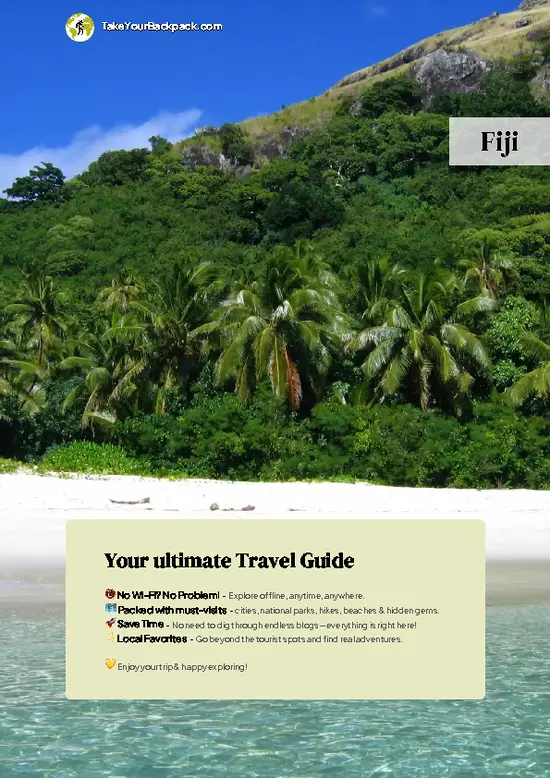
example page 0 from our offline Travel Guide for Fiji
example page 1 from our offline Travel Guide for Fiji
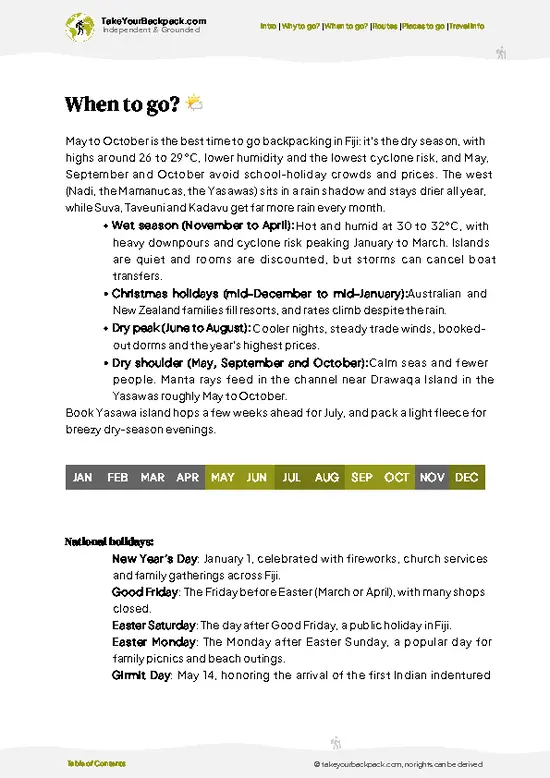
example page 2 from our offline Travel Guide for Fiji
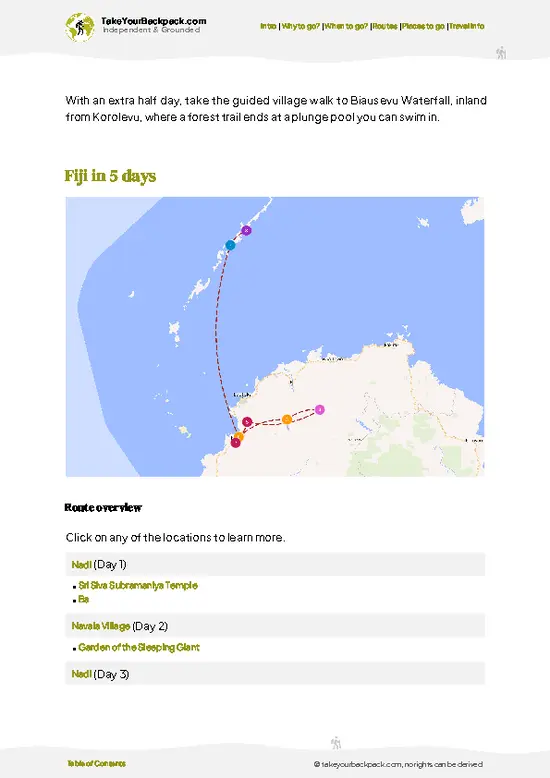
example page 3 from our offline Travel Guide for Fiji
example page 4 from our offline Travel Guide for Fiji
example page 5 from our offline Travel Guide for Fiji
example page 6 from our offline Travel Guide for Fiji
example page 7 from our offline Travel Guide for Fiji
Loading the map 🌍
CLICK TO FILTER
cities
towns
villages
landmarks
national parks
hikes
beaches
attractions
festivals
regions
SHOW COUNTRY’S BESTSHOW ALL

✨ Why go?
Ranked #9 region in Fiji
What makes this region worth visiting

Backpackers stop here because Nananu-i-Ra is one of the few places in Fiji where a shoestring traveler can sleep beside the water without a resort bill. Small family-run lodges and dorms line the island’s sheltered coast, and most guests cook their own meals, which keeps costs low and makes conversation easy over shared kitchens.

The second reason is the wind. From roughly May to October the steady southeast trades draw kitesurfers and windsurfers, and beginners can find lessons on the flat, shallow water. Even if you never touch a board, watching the sails from the shore is a good afternoon.

It also works as a breather between the capital side and the northern islands. You get a 15 to 20 minute boat hop from Ellington Wharf and then no traffic, no touts and a reef a short paddle away. Two … read more 👉
Backpackers stop here because Nananu-i-Ra is one of the few places in Fiji where a shoestring traveler can sleep beside the water without a resort bill. Small family-run lodges and dorms line the island’s sheltered coast, and most guests cook their own meals, which keeps costs low and makes conversation easy over shared kitchens.

The second reason is the wind. From roughly May to October the steady southeast trades draw kitesurfers and windsurfers, and beginners can find lessons on the flat, shallow water. Even if you never touch a board, watching the sails from the shore is a good afternoon.

It also works as a breather between the capital side and the northern islands. You get a 15 to 20 minute boat hop from Ellington Wharf and then no traffic, no touts and a reef a short paddle away. Two nights recharges you better than most mainland stays.

💡 HighlightsEssential experiences to have while visiting Nananu-i-Ra Island

  1. Kitesurfing and windsurfing on the sheltered bays: The island’s main claim to fame. Winter trade winds and flat shallow water make it friendly for learners, and several operators offer lessons and gear hire.
  2. Snorkeling the fringing reef: Coral lies close to shore off several beaches, so you can swim out from the sand. Go at high tide for easier access and better clarity.
  3. Hike to the summit viewpoint: A short, steep walk through scrub and forest rewards you with views across the island, the Bligh Water and the Viti Levu coast. Start early before the heat builds.
  4. Beach hopping on foot: Tracks and shoreline walks connect small bays with pale sand, mangrove edges and almost nobody around. Wear sandals for rocky stretches.
  5. Diving trips to nearby reefs: Dive operators run boat trips to sites around
… read more 👉
  1. Kitesurfing and windsurfing on the sheltered bays: The island’s main claim to fame. Winter trade winds and flat shallow water make it friendly for learners, and several operators offer lessons and gear hire.
  2. Snorkeling the fringing reef: Coral lies close to shore off several beaches, so you can swim out from the sand. Go at high tide for easier access and better clarity.
  3. Hike to the summit viewpoint: A short, steep walk through scrub and forest rewards you with views across the island, the Bligh Water and the Viti Levu coast. Start early before the heat builds.
  4. Beach hopping on foot: Tracks and shoreline walks connect small bays with pale sand, mangrove edges and almost nobody around. Wear sandals for rocky stretches.
  5. Diving trips to nearby reefs: Dive operators run boat trips to sites around the Bligh Water, with soft corals and reef fish. Book through your lodge the day before.
Most visitors miss the sunset from the western shore, where the sky lights up over the Viti Levu mountains and you will likely have it to yourself.
Spotted a mistake or missing something? Contact us.

Things to do near Nananu-i-Ra Island

Ratings based on Tripadvisor reviews. When you book through this link, you support our work at no extra cost to you.

⌛️ 5 daysA smart one-week plan

Day 1: Nananu-i-Ra Island arrival: Boats from Ba and Rakiraki run on fixed schedules, so the ferry timetable sets your pace here. Land by early afternoon, drop your pack at a beachside dorm or bure, and walk the shore tracks while the tide is in. Swim off the jetty and eat where your bed is, because kitchens are the main option on the island.
Day 2: Snorkeling and the Ridge Walk: Spend the morning in the water. Operators take small groups to the fringing reefs, where coral heads sit close to shore and you can see reef sharks and turtles on a good day. In the afternoon, take the island’s walking track to a high point for the view over Viti Levu’s north coast and the Bligh Water. Do the climb after the heat eases, with real shoes.
Day 3: Kayaking and Rest: Slow down. Paddle the sheltered bays, … read more 👉
Day 1: Nananu-i-Ra Island arrival: Boats from Ba and Rakiraki run on fixed schedules, so the ferry timetable sets your pace here. Land by early afternoon, drop your pack at a beachside dorm or bure, and walk the shore tracks while the tide is in. Swim off the jetty and eat where your bed is, because kitchens are the main option on the island.
Day 2: Snorkeling and the Ridge Walk: Spend the morning in the water. Operators take small groups to the fringing reefs, where coral heads sit close to shore and you can see reef sharks and turtles on a good day. In the afternoon, take the island’s walking track to a high point for the view over Viti Levu’s north coast and the Bligh Water. Do the climb after the heat eases, with real shoes.
Day 3: Kayaking and Rest: Slow down. Paddle the sheltered bays, or hire a kayak to reach neighboring beaches. With no roads to speak of, everything runs at walking speed, and that is the point. Wind picks up at certain times of year, which makes this the day for kite or windsurf lessons if you want them.
Day 4: Detour to Rakiraki: Take the boat across for a day on the mainland. Visit the market, stock up on supplies, and look at the town’s Indian and Fijian mix. Return on the last afternoon boat so your island bed stays put.
Day 5: Dive Day and Departure: If you dive, book the morning trip to the nearby sites, then catch a late boat out. The reef day on Day 2 is the one that justifies the whole trip. Everything else is a bonus.

🌤️ When to go?Weather, crowds, and seasonal trade-offs

  • Dry Season (May to October): Days run 26 to 29°C (79 to 84°F) with cool, breezy nights near 19 to 21°C (66 to 70°F). Sunlight lasts about 11 hours in June and visibility for diving and snorkeling is at its best. Dorms and bures fill up, especially July and August.
  • Wet Season (November to April): Expect 29 to 32°C (84 to 90°F), heavy humid afternoons, and sunsets around 7 pm in December. Cyclone risk peaks January to March, and ferries or water taxis can be canceled. Rooms are cheaper and the island is quiet.
  • Windsurf and Kitesurf Months (June to September): Steady southeast trades make Nananu-i-Ra a magnet for wind sports, so prices edge up.
Book water taxis ahead in July and August, and bring a rain shell in any month.

source: climatestotravel.comJANJanuary: fair for travelingFEBFebruary: fair for travelingMARMarch: fair for travelingAPRApril: fair for travelingMAYMay: highly recommended for travelingJUNJune: highly recommended for travelingJULJuly: good for travelingAUGAugust: good for travelingSEPSeptember: highly recommended for travelingOCTOctober: highly recommended for travelingNOVNovember: fair for travelingDECDecember: fair for traveling
when-to-go

✈️ The backpacker research shortcutFiji Travel Guide

An offline-friendly backpacking guide with optimized travel routes, ranked highlights, transport advice, and the best areas to stay.
example page 0 from our offline Travel Guide for Fiji
example page 1 from our offline Travel Guide for Fiji
example page 2 from our offline Travel Guide for Fiji
example page 3 from our offline Travel Guide for Fiji
example page 4 from our offline Travel Guide for Fiji
example page 5 from our offline Travel Guide for Fiji
example page 6 from our offline Travel Guide for Fiji
example page 7 from our offline Travel Guide for Fiji
The digital guide (159 pages) contains:
✅ 41 highlights, ranked by travel appeal
✅ Optimized 2, 3 & 5-day travel routes
✅ Cities, national parks, landmarks, beaches
✅ How to get around
✅ Offline-friendly for travel without Wi-Fi
👉 Click to see all 30+ guide features

📅 Plan smarter in minutes, not weeks
✅ Month by month travel advice
✅ Festivals & national holidays
✅ Budget expectations

🗺️ Go to the right places, skip the overrated ones
✅ Honest pros & cons of destinations
✅ Top hikes, parks & viewpoints
✅ Lesser-known places most travelers miss
✅ Clear “worth it vs skip it” guidance

🛏️ Travel smoothly without rookie mistakes
✅ Best areas to stay
✅ Transport systems explained simply
✅ Common scams & safety advice
✅ SIM cards, money & practical tips

🌍 Understand the country, not just visit it
✅ Culture & traditions
✅ 52 Essential phrases & customs
✅ Festivals worth planning around
✅ Traveler-friendly historical context
✅ Insights that make places more meaningful

📱 Built for real travel conditions
✅ Fully downloadable PDF
✅ Works completely offline
✅ Optimized for phone use
✅ Useful in remote areas & buses
✅ Everything in one place
Stop searching, start planning
Get instant access to your full guide. 30‑day money-back guarantee.
+ Add another guide for just

By proceeding you agree to our terms.
Sent to your inbox immediately after payment • 100% Secure Checkout
Best Backpacking Travel Advisor 2025 tourism awardBest Backpacking
Travel Advisor
2025
What others say about Take Your Backpack Guides:
⭐⭐⭐⭐⭐
Fantastic, amazing amount of information!
⭐⭐⭐⭐⭐
My goodness this is amazing, it's what I've been looking for hats off too you!
⭐⭐⭐⭐⭐
I think this is absolutely BRILLIANT
⭐⭐⭐⭐
Very complete and informative. It's still missing places, but I gotta to commend you
⭐⭐⭐⭐⭐
This is truly amazing, thank you, can't wait to explore it with my kids!
⭐⭐⭐⭐⭐
Awesome resource, thank you!
⭐⭐⭐⭐⭐
This is amazing! Can't wait to explore the ones I haven't seen
⭐⭐⭐⭐
I love this! Well done, great idea.
⭐⭐⭐⭐⭐
Thanks for taking the time to make this gem!
⭐⭐⭐⭐⭐
This might be the best website I've ever seen.
⭐⭐⭐⭐⭐
Congratulations, and thank you so much for your work; it's incredibly valuable.
⭐⭐⭐⭐
In all seriousness I think you did a great job pointing out the important spots
⭐⭐⭐⭐⭐
10/10 very good
⭐⭐⭐⭐⭐
As someone who's only just starting to visit regularly this is awesome, thank you.
⭐⭐⭐⭐
Thank you very much! I'm going to visit my dad, it's going to be very useful!
⭐⭐⭐⭐⭐
This is really cool! We'll be travelling for the first time and this definitely come in handy.
⭐⭐⭐⭐⭐
You are now our minister of culture, congratulations 👨‍💼
⭐⭐⭐⭐⭐
Just wanted to tell you that this is a pearl! Going to follow your recommendations.
⭐⭐⭐⭐⭐
This is so cool. I'll definitely be using the resource for my travels soon.
⭐⭐⭐⭐⭐
This is very impressive! Good work.
⭐⭐⭐⭐⭐
This is an amazing and informative site. Very well done!

🛏️ Where to stay?Choosing the right base

The north and east coasts are where backpackers should stay, since that is where the island’s budget dorms and cottages sit. Nananu-i-Ra has no town, no bank and no road network to speak of, so your choice is really a choice of beach. These shores have a few dorm-style lodges clustered within walking distance of each other. That clustering matters because it means shared dinners, easy introductions and other solo travelers on the same sandy track. Dorm beds usually run FJ$35 to 55 (US$16 to 25), and basic bure rooms FJ$90 to 150 (US$40 to 68). The island’s kitchens are often limited, so many places … read more 👉
The north and east coasts are where backpackers should stay, since that is where the island’s budget dorms and cottages sit. Nananu-i-Ra has no town, no bank and no road network to speak of, so your choice is really a choice of beach. These shores have a few dorm-style lodges clustered within walking distance of each other. That clustering matters because it means shared dinners, easy introductions and other solo travelers on the same sandy track. Dorm beds usually run FJ$35 to 55 (US$16 to 25), and basic bure rooms FJ$90 to 150 (US$40 to 68). The island’s kitchens are often limited, so many places sell set-menu meals; bring groceries from Rakiraki or Ellington Wharf before crossing. Quieter coves along the southern side suit couples and anyone wanting solitude, but they are further from the social hubs and from the best snorkeling. Tides expose reef flats in front of some beaches, so ask where you can swim at low water before choosing.

🚌 Getting aroundTransportation options and practical tips

Nananu-i-Ra has no bus or train station, so the trip starts at Ellington Wharf near Rakiraki on Viti Levu, where you board a boat that lands you at the beach in front of your resort or hostel. Most backpackers reach the wharf from Rakiraki town by a short taxi ride or a local bus along the Kings Road, then cross the channel by boat. On the island itself you walk, and the boats are reliable as long as the sea behaves.
  • Resort boat transfer: Most places run their own boat from Ellington Wharf, about 15 to 25 minutes, usually US$20 to 40 per person return. It is the most comfortable and the most convenient, and it gives a backpacker the best value if you book it with your bed, because the driver waits for your bus.
  • Shared or chartered water taxi: Boats at the wharf charge roughly US$10 to 20 per
… read more 👉
Nananu-i-Ra has no bus or train station, so the trip starts at Ellington Wharf near Rakiraki on Viti Levu, where you board a boat that lands you at the beach in front of your resort or hostel. Most backpackers reach the wharf from Rakiraki town by a short taxi ride or a local bus along the Kings Road, then cross the channel by boat. On the island itself you walk, and the boats are reliable as long as the sea behaves.
  • Resort boat transfer: Most places run their own boat from Ellington Wharf, about 15 to 25 minutes, usually US$20 to 40 per person return. It is the most comfortable and the most convenient, and it gives a backpacker the best value if you book it with your bed, because the driver waits for your bus.
  • Shared or chartered water taxi: Boats at the wharf charge roughly US$10 to 20 per person when shared and more for a private run. Splitting with other travelers cuts the cost nicely, though you may wait for the group to fill.
  • Local bus and taxi to the wharf: Buses on the Kings Road from Nadi or Suva cost about US$6 to 12 and take 3 to 4 hours. Local buses run to Rakiraki, and a taxi from town to the wharf is around US$5 to 10 for the short drive. Taking the bus costs time but saves real money.
  • Walking the island: Tracks and beach paths link the bays, and a loop on foot takes a few hours. It costs nothing, the shade is patchy, and sandals are fine for most of it.
Tell your host your bus arrival time when you book, so the boat is waiting. Seas turn rough in the afternoon, so aim for a morning crossing and pack valuables in a dry bag.

🍲 FoodLocal Cuisine & Drinks

Meals on Nananu-i-Ra are simple and tied to the sea. Expect fresh grilled fish with lemon, coconut-milk curries and lovo nights where earthy smoky flavors rise from the pit. Try kokoda, tangy with citrus and coconut cream, and a mug of kava if you are offered one, which numbs the lips with a muddy, peppery taste. Most backpackers eat at resort kitchens and beachside cafés, since the island has few shops. Stock up on snacks and supplies at the market in Rakiraki before you cross, and bring cash. Meals are often at set times, so ask in the morning. Clap once before accepting kava, drink it in one go, and say “bula” with a smile.

🛡️ SafetyScams, Hazards, and Annoyances

The island is calm and low-crime, with swimming conditions that depend mostly on the tide. At low tide several beaches turn into shallow reef flats with sharp coral and sea urchins, so wear reef shoes and swim at mid to high tide. There are no lifeguards or flag systems. Currents flow through the channels between the island and the mainland, so stay close to shore and avoid swimming far from the beach. Sharks are rarely a concern near the beaches, but sea snakes appear occasionally and are docile. The sun is intense from about 10 am to 3 pm, so cover up. Petty theft is uncommon, though keep valuables out of sight in dorms. The water taxi crossing from Ellington Wharf can be choppy in strong trades, so pack electronics in a dry bag.

FAQFrequently asked questions about Nananu-i-Ra Island

Take a bus from Suva or Nadi to Rakiraki, then a taxi or local carrier to Ellington Wharf, where small water taxis cross to the island in about 15 to 30 minutes. Buses from Nadi take roughly 3 to 4 hours and from Suva around 4 hours, with fares typically FJ$10 to 20 (US$4.50 to 9). The boat transfer usually costs FJ$30 to 60 (US$14 to 27) per person each way and most lodges arrange it, so message ahead. Crossings run on tide and weather, so allow slack in your schedule.
Snorkeling and windsurfing are the strongest draws, while swimming is tide dependent. Reefs just off several beaches offer easy snorkeling, and lodges run boat trips to better sites in Bligh Water, for roughly FJ$60 to 120 (US$27 to 54). Swimming is best at mid to high tide because the flats are shallow and rocky at low water. There is no surf break at the beaches, but the steady trade winds from about June to September draw kitesurfers and windsurfers.
Yes, the beaches themselves are free to walk on and use, since public access to Fijian foreshore is not charged. Your main costs are the water taxi, about FJ$30 to 60 (US$14 to 27) each way, and accommodation, which starts near FJ$35 (US$16) for a dorm bed. Some lodges let day visitors use their facilities for a small fee or a meal purchase. Some tracks cross village or private land, so ask permission before wandering.
⚠️ Things can change over time, so always validate details locally before you go.

Other Fijian regions near Nananu-i-Ra Island

Explore more nearby:

  • Nausori Highlands—Cloud-filled valleys, sevusevu welcome, pine ridges, highland homestays| 83 km away
  • Yasawa Islands—Island-hopping pass, limestone caves, manta season, no roads| 98 km away
  • Waya Island—Ridge viewpoint, sheltered coves, kava villages, one-resort stays| 115 km away

💡 Not sure where to go next?
Create a personalized itinerary for Fiji including Nananu-i-Ra Island and the places that fit your trip.

Generate my itinerary

👉 Discover all regions

Or checkout all Fiji has to offer (think cities, towns, villages, national parks, hikes, beaches, festivals)
Country photo of Fiji

We 💚 feedbackParting advice and final tips

The classic mistake is arriving with an empty food bag and trusting the island to feed you. Supplies are limited and pricey, so shop in Rakiraki before the boat and bring cash. Book your return transfer with your lodge, pack insect repellent, and give yourself a third night.

✍️ Help improve this page!
The information on this page is based on in-depth research, insights shared by experienced travelers, and feedback from the local travel community in Fiji. While every effort is made to keep the information accurate and current, conditions can change — so if you spot anything incorrect or outdated, please get in touch.


🙋‍♂️ Give feedback

👋 Meet the founderWho’s Behind Take Your Backpack?

Johan, backpacker and founder of TakeYourBackpackHi, I’m Johan (Netherlands 🇳🇱), the creator of TakeYourBackpack. Over the past 3 decades, I’ve backpacked through 90+ countries across six continents, gaining extensive experience with independent travel, long-term trips, and overland routes.

This site is built on a combination of firsthand travel experience and carefully curated insights from other backpackers. Many guides are based on places I’ve personally visited, while others bring together tips, observations, and practical advice shared by trusted travelers I’ve met along the way.

The goal is to provide realistic, experience-driven guidance — not generic itineraries — so you can explore destinations with better context, clearer expectations, and more confidence.