v2.webp)


1. The Golden Age of Finnish Art (Late 19th-Early 20th Century)
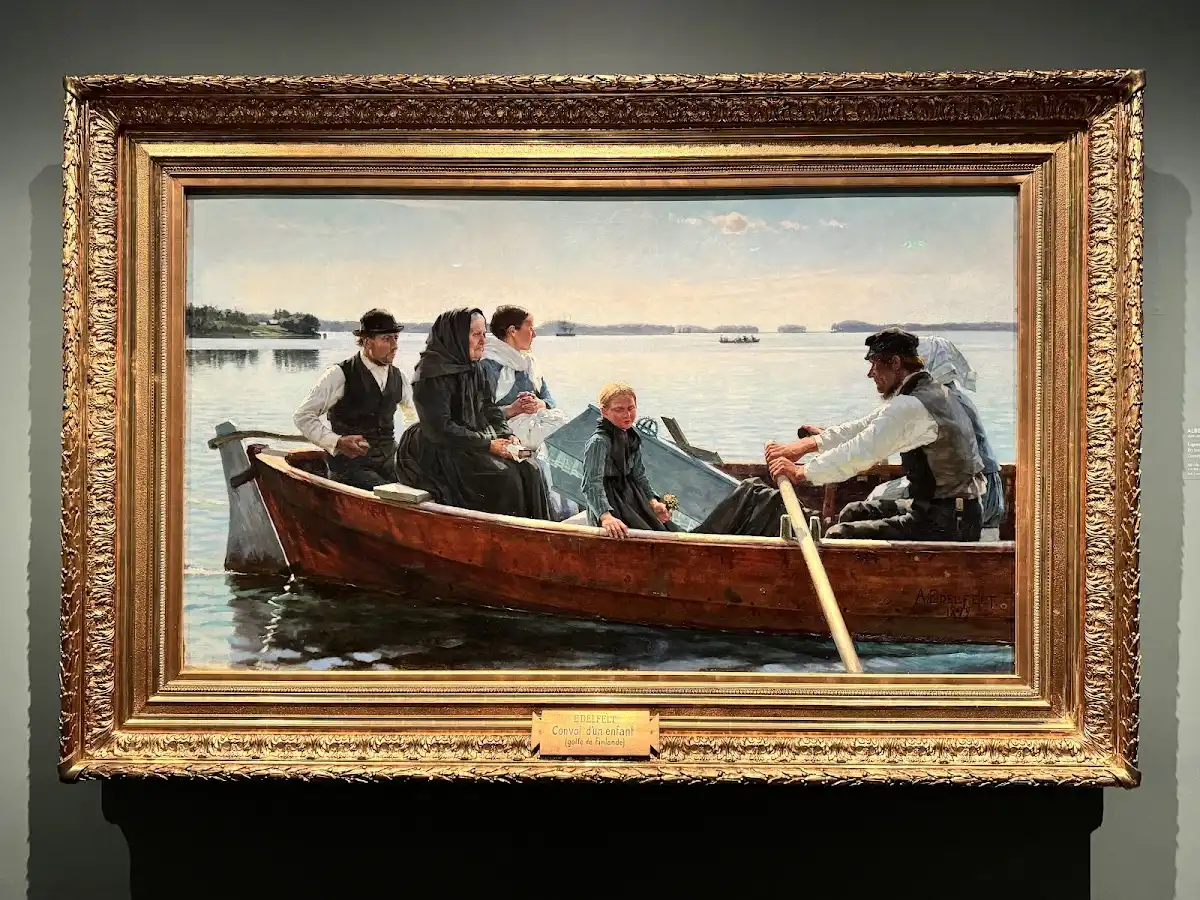
Forget the Instagrammed snippets of moody lakes and birch forests—Ateneum’s real power move is its collection from Finland’s “Golden Age.” This is where you’ll find the soul of the nation, painted in oil and sweat by Akseli Gallen-Kallela, Helene Schjerfbeck, and Eero Järnefelt. These aren’t just pretty landscapes; they’re visual manifestos from a country clawing for identity under Russian rule. Gallen-Kallela’s “The Defense of the Sampo” is a fever dream of myth and muscle, while Schjerfbeck’s portraits are so raw you’ll feel like you’re eavesdropping on someone’s private reckoning. This is the real Finnish drama—no filter, no fluff.
2. The Building Itself
Ateneum’s façade is a time capsule from 1887, and it’s not shy about it. … read more 👉
Forget the Instagrammed snippets of moody lakes and birch forests—Ateneum’s real power move is its collection from Finland’s “Golden Age.” This is where you’ll find the soul of the nation, painted in oil and sweat by Akseli Gallen-Kallela, Helene Schjerfbeck, and Eero Järnefelt. These aren’t just pretty landscapes; they’re visual manifestos from a country clawing for identity under Russian rule. Gallen-Kallela’s “The Defense of the Sampo” is a fever dream of myth and muscle, while Schjerfbeck’s portraits are so raw you’ll feel like you’re eavesdropping on someone’s private reckoning. This is the real Finnish drama—no filter, no fluff.
2. The Building Itself
Ateneum’s façade is a time capsule from 1887, and it’s not shy about it. … read more 👉
1. The Golden Age of Finnish Art (Late 19th-Early 20th Century)
Forget the Instagrammed snippets of moody lakes and birch forests—Ateneum’s real power move is its collection from Finland’s “Golden Age.” This is where you’ll find the soul of the nation, painted in oil and sweat by Akseli Gallen-Kallela, Helene Schjerfbeck, and Eero Järnefelt. These aren’t just pretty landscapes; they’re visual manifestos from a country clawing for identity under Russian rule. Gallen-Kallela’s “The Defense of the Sampo” is a fever dream of myth and muscle, while Schjerfbeck’s portraits are so raw you’ll feel like you’re eavesdropping on someone’s private reckoning. This is the real Finnish drama—no filter, no fluff.
2. The Building Itself
Ateneum’s façade is a time capsule from 1887, and it’s not shy about it. Step inside and you’ll get a crash course in Finnish ambition: grand staircases, heavy doors, and a sense of occasion that makes you stand up a little straighter. The building is a living artifact, and the way natural light hits those high-ceilinged galleries is a show in itself. You’re not just looking at art—you’re walking through history, with creaky floors that have survived wars, occupations, and more than a few existential crises.
3. Temporary Exhibitions
Here’s where Ateneum throws a curveball. The rotating exhibitions are where the museum flexes its curatorial muscle, pulling in everything from Japanese woodblock prints to contemporary Finnish provocateurs. These shows aren’t just filler—they’re often the most unpredictable, conversation-starting part of the visit. If you catch a major retrospective or a cross-cultural mashup, you’ll see the museum’s willingness to challenge its own legacy. This is where the locals come to argue, not just to admire.
4. The National Romanticism Room
If you want to understand why Finns are obsessed with forests, lakes, and the idea of “sisu” (that stubborn, stoic grit), plant yourself in this room. The paintings here are less about realism and more about myth-making. Expect epic landscapes, wild-eyed heroes, and enough symbolism to keep your brain spinning for days. It’s a crash course in Finnish psyche, and it’s more entertaining than any travel brochure.
5. Helene Schjerfbeck’s Portraits
Personal favorite. Schjerfbeck’s work is a masterclass in less-is-more. Her portraits strip away the decorative nonsense and get right to the bone—sometimes literally. There’s a vulnerability and tension in her brushwork that’s almost cinematic. You don’t just look at her paintings; you feel them staring back. If you want to see what happens when an artist refuses to play nice, this is your stop.
6. The Ateneum Café
Yes, it’s a museum café, but it’s not a tourist trap with stale pastries. Locals actually eat here. The view over Rautatientori Square is prime for people-watching, and the coffee is strong enough to revive you after a marathon of art history. It’s the unofficial afterparty for every exhibition—half the fun is eavesdropping on Finns dissecting what they just saw.
Forget the Instagrammed snippets of moody lakes and birch forests—Ateneum’s real power move is its collection from Finland’s “Golden Age.” This is where you’ll find the soul of the nation, painted in oil and sweat by Akseli Gallen-Kallela, Helene Schjerfbeck, and Eero Järnefelt. These aren’t just pretty landscapes; they’re visual manifestos from a country clawing for identity under Russian rule. Gallen-Kallela’s “The Defense of the Sampo” is a fever dream of myth and muscle, while Schjerfbeck’s portraits are so raw you’ll feel like you’re eavesdropping on someone’s private reckoning. This is the real Finnish drama—no filter, no fluff.
2. The Building Itself
Ateneum’s façade is a time capsule from 1887, and it’s not shy about it. Step inside and you’ll get a crash course in Finnish ambition: grand staircases, heavy doors, and a sense of occasion that makes you stand up a little straighter. The building is a living artifact, and the way natural light hits those high-ceilinged galleries is a show in itself. You’re not just looking at art—you’re walking through history, with creaky floors that have survived wars, occupations, and more than a few existential crises.
3. Temporary Exhibitions
Here’s where Ateneum throws a curveball. The rotating exhibitions are where the museum flexes its curatorial muscle, pulling in everything from Japanese woodblock prints to contemporary Finnish provocateurs. These shows aren’t just filler—they’re often the most unpredictable, conversation-starting part of the visit. If you catch a major retrospective or a cross-cultural mashup, you’ll see the museum’s willingness to challenge its own legacy. This is where the locals come to argue, not just to admire.
4. The National Romanticism Room
If you want to understand why Finns are obsessed with forests, lakes, and the idea of “sisu” (that stubborn, stoic grit), plant yourself in this room. The paintings here are less about realism and more about myth-making. Expect epic landscapes, wild-eyed heroes, and enough symbolism to keep your brain spinning for days. It’s a crash course in Finnish psyche, and it’s more entertaining than any travel brochure.
5. Helene Schjerfbeck’s Portraits
Personal favorite. Schjerfbeck’s work is a masterclass in less-is-more. Her portraits strip away the decorative nonsense and get right to the bone—sometimes literally. There’s a vulnerability and tension in her brushwork that’s almost cinematic. You don’t just look at her paintings; you feel them staring back. If you want to see what happens when an artist refuses to play nice, this is your stop.
6. The Ateneum Café
Yes, it’s a museum café, but it’s not a tourist trap with stale pastries. Locals actually eat here. The view over Rautatientori Square is prime for people-watching, and the coffee is strong enough to revive you after a marathon of art history. It’s the unofficial afterparty for every exhibition—half the fun is eavesdropping on Finns dissecting what they just saw.
Spotted a mistake or missing something? Contact us.

Helsinki Walking Tour - Small Group

Snowmobile Safari in Helsinki Archipelago with Lunch

Winter Wonderland Hike in a National Park

Helsinki: Archipelago Exploration at Porkkalanniemi peninsula

Helsinki Private Tour by car + Vitsit Porvoo Medieval old tow

Redrib Archipelago Experience

Helsinki private tour with a city planner

Helsinki City and Archipelago Guided RIB Boat Tour

Mushroom Hunting in a National Park

 Best Backpacking
.jpg) Hi, I’m Johan (Netherlands 🇳🇱), the creator of TakeYourBackpack. Over the past 3 decades, I’ve backpacked through 90+ countries across six continents, gaining extensive experience with independent travel, long-term trips, and overland routes.
Hi, I’m Johan (Netherlands 🇳🇱), the creator of TakeYourBackpack. Over the past 3 decades, I’ve backpacked through 90+ countries across six continents, gaining extensive experience with independent travel, long-term trips, and overland routes.