×

France🇫🇷 | national parksCévennes National Parklimestone plateaus, chestnut forests, remote hamlets | things to do and best time to go

Explore Verdon GorgeExplore Écrins National Park

Backpacking in Cévennes
🌟 Highlightnational park ranked #4
By Johan Kruseman 🇳🇱 | Updated October 15, 2026

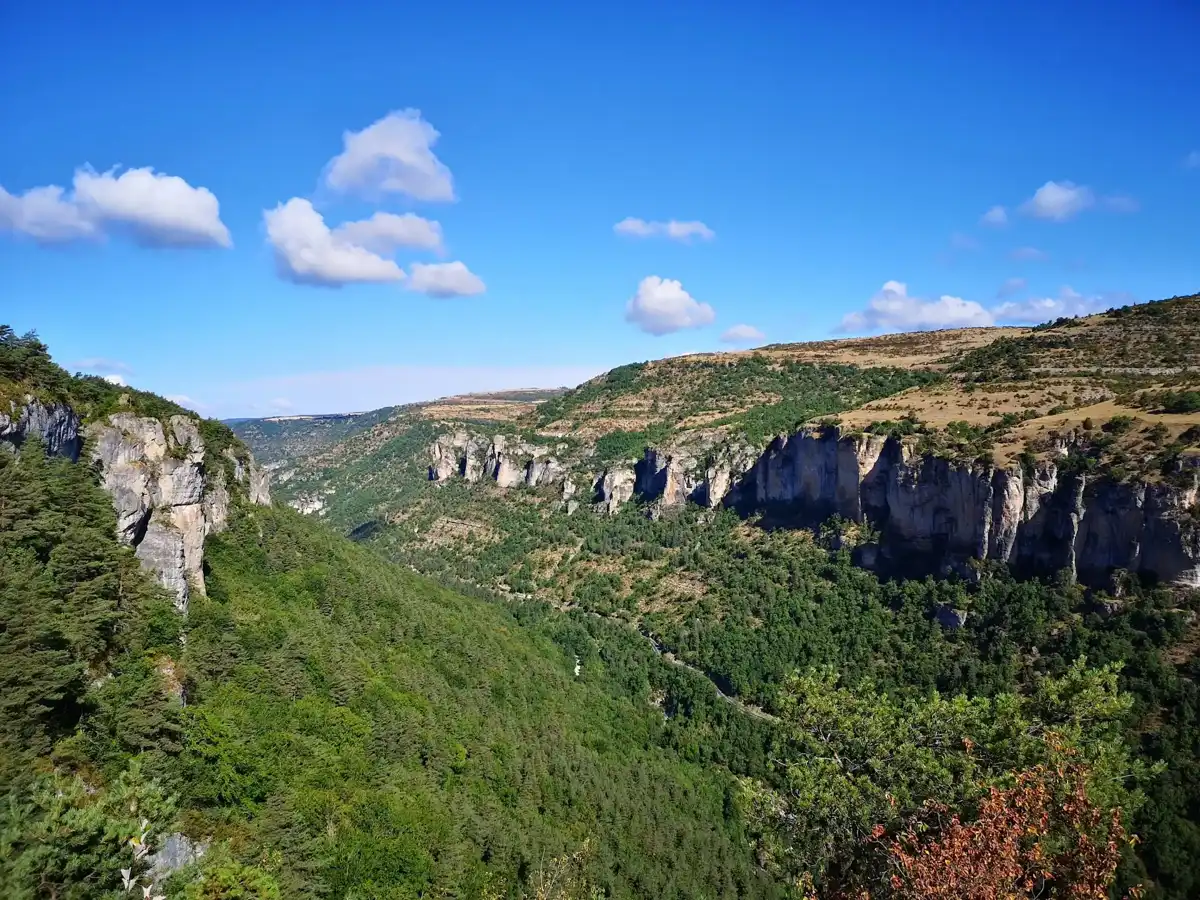
Most summaries sell Cévennes National Park as wild and remote; the surprise is how many tiny villages, buses, and even hitchhike-friendly roads thread right through it, which quietly makes life easier for a backpacker on a budget. The park sits in south-central France, straddling Lozère, Gard, and a slice of Ardèche. You get long-distance trails like the Stevenson (GR70), limestone causses, chestnut forests, and real chances to see vultures and wild boar, but also a lot of scrubby, repetitive landscape if you pick the wrong valley. Access is better than it looks on a map, yet trains and buses are infrequent and require planning. No entrance fee, but official campgrounds and gîtes eat money fast; wild camping is tightly restricted. Compared with the Pyrenees or Écrins, Cévennes is lower, quieter, less dramatic, more about slow walking and rural atmosphere than big-mountain drama.

Discover everything you want to know in the 📖 France Travel Guide.


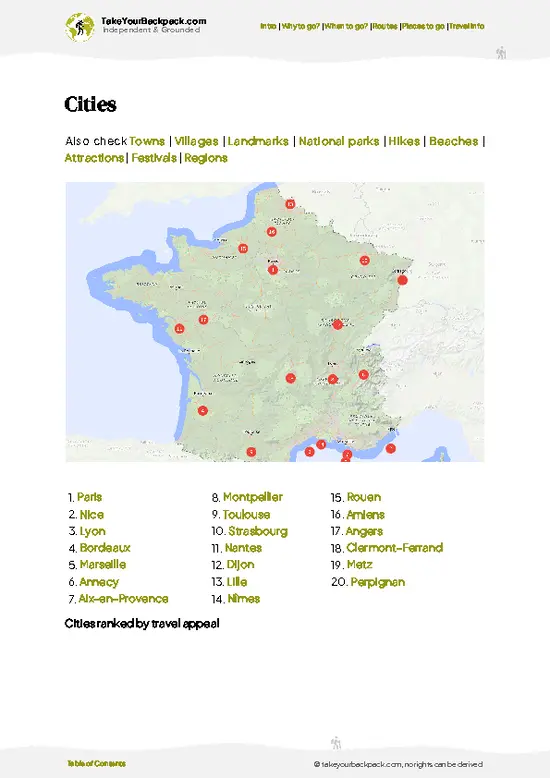
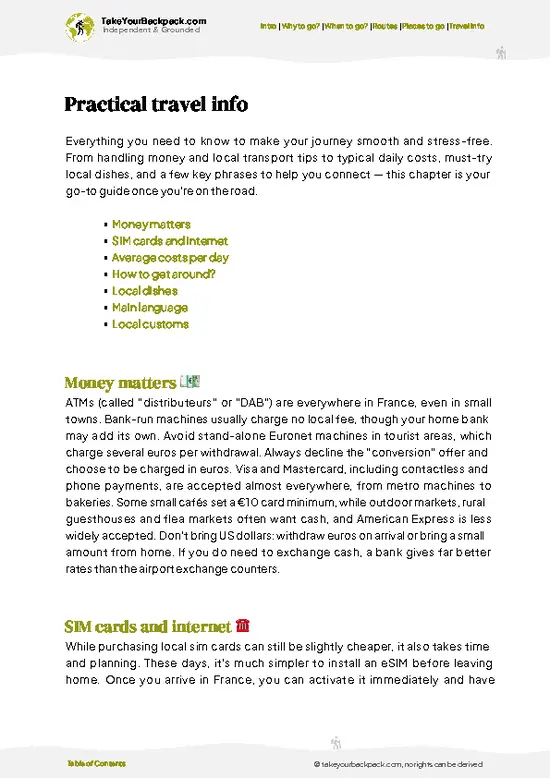
example page 0 from our offline Travel Guide for France
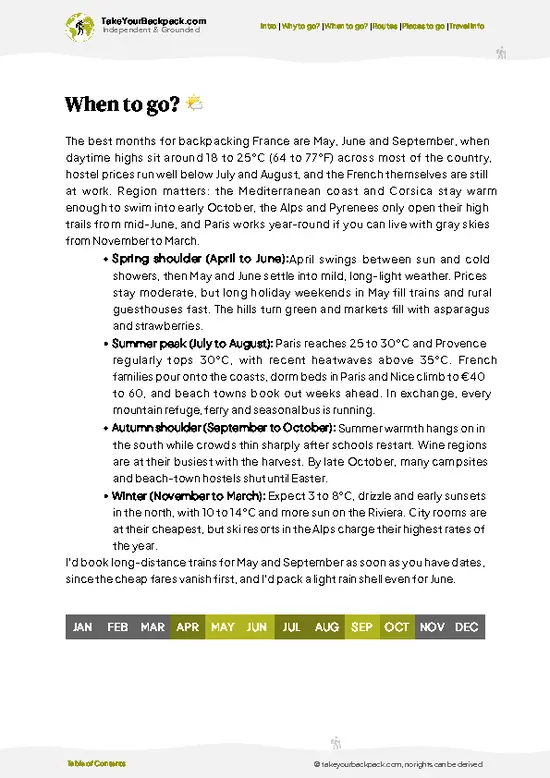
example page 1 from our offline Travel Guide for France
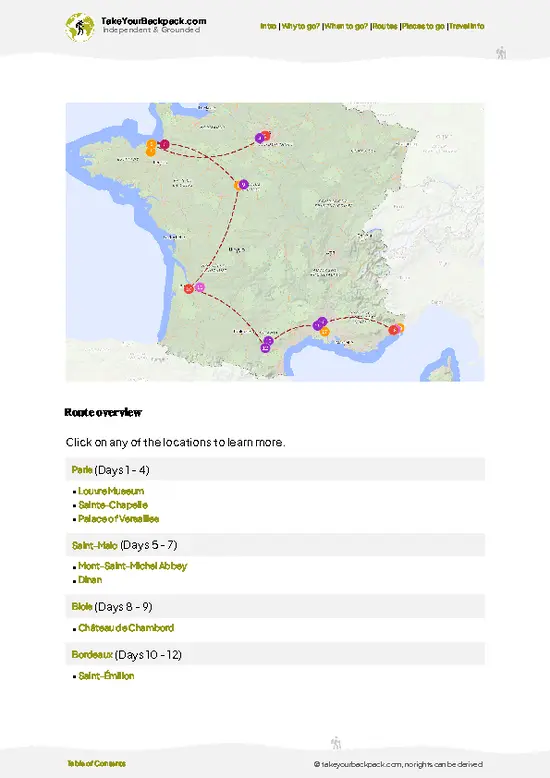
example page 2 from our offline Travel Guide for France
example page 3 from our offline Travel Guide for France
example page 4 from our offline Travel Guide for France
example page 5 from our offline Travel Guide for France
example page 6 from our offline Travel Guide for France
example page 7 from our offline Travel Guide for France
Loading the map 🌍
CLICK TO FILTER
cities
towns
villages
landmarks
national parks
hikes
beaches
attractions
festivals
regions
SHOW COUNTRY’S BESTSHOW ALL

✨ Why go?
Ranked #4 national park in France
What makes this national park worth exploring

Backpackers flock to Cévennes National Park for its blend of independent exploration and affordable accommodations. The park’s vast network of trails invites you to wander at your own pace, making it ideal for self-guided travelers. You can choose from easy strolls to challenging hikes, ensuring there’s something for everyone.

Budget-conscious adventurers appreciate the camping options and nearby hostels that keep costs low. This means more funds for local experiences, like sampling regional cuisine or visiting quaint villages.

While guided tours exist, they often miss the park’s hidden corners. The real magic lies in the freedom to discover your own path. Just be prepared for variable weather and rugged terrain; a solid pair of boots and a flexible mindset will serve you well.

In Cevennes, … read more 👉
Backpackers flock to Cévennes National Park for its blend of independent exploration and affordable accommodations. The park’s vast network of trails invites you to wander at your own pace, making it ideal for self-guided travelers. You can choose from easy strolls to challenging hikes, ensuring there’s something for everyone.

Budget-conscious adventurers appreciate the camping options and nearby hostels that keep costs low. This means more funds for local experiences, like sampling regional cuisine or visiting quaint villages.

While guided tours exist, they often miss the park’s hidden corners. The real magic lies in the freedom to discover your own path. Just be prepared for variable weather and rugged terrain; a solid pair of boots and a flexible mindset will serve you well.

In Cevennes, the focus is on genuine connection with nature, not just ticking boxes on a tour itinerary. This is where you can truly immerse yourself in the landscape.

💡 HighlightsKey sights and experiences for travelers

  • Mont Lozère — The highest massif in the park with bald granite plateaus that feel almost alpine. Open moors, scattered peat bogs and easy-to-hard trails give you wide views, wildflowers in summer and chances to spot deer and mouflon.
  • Mont Aigoual and its observatory — A weather station on the summit that doubles as a weirdly brilliant viewpoint: on clear days you can see the Mediterranean and the Alps. Trails up here are exposed and dramatic; expect fast-changing weather and great panoramic photo ops.
  • Gorges du Tarn — Deep limestone canyons carved by the turquoise Tarn river, perfect for kayaking, swimming in calm pools and scrambling along cliffside paths. Tiny cliff-top villages and shady riverside campsites make it one of the park’s most scenic and activity-packed spots.
  • Gorges de
… read more 👉
  • Mont Lozère — The highest massif in the park with bald granite plateaus that feel almost alpine. Open moors, scattered peat bogs and easy-to-hard trails give you wide views, wildflowers in summer and chances to spot deer and mouflon.
  • Mont Aigoual and its observatory — A weather station on the summit that doubles as a weirdly brilliant viewpoint: on clear days you can see the Mediterranean and the Alps. Trails up here are exposed and dramatic; expect fast-changing weather and great panoramic photo ops.
  • Gorges du Tarn — Deep limestone canyons carved by the turquoise Tarn river, perfect for kayaking, swimming in calm pools and scrambling along cliffside paths. Tiny cliff-top villages and shady riverside campsites make it one of the park’s most scenic and activity-packed spots.
  • Gorges de la Jonte and vulture cliffs — Narrow, steeper than the Tarn in places, with towering limestone needles where large colonies of griffon vultures and other raptors nest. Short circular hikes and lookout points give excellent birdwatching without needing expert gear.
  • Cirque de Navacelles — A mind-bending giant meander and stepped limestone amphitheatre visible from dramatic viewpoints above the valley. The scale is surprising; there are short hikes down to the hamlet in the bowl or longer routes that weave through the surrounding causses.
  • Chemin de Stevenson (GR70) — The classic long-distance route Robert Louis Stevenson walked, now a well-marked GR trail that threads through the heart of the Cévennes. It’s perfect for multi-day trekking: varied scenery, isolated hamlets, streams and chestnut woods — everything the park is about.
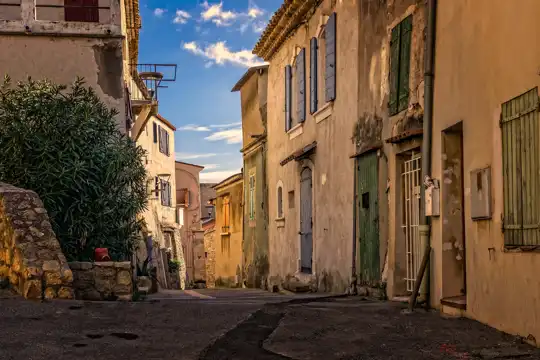
  • Cévennes chestnut groves and pastoral landscapes — The park is as much cultural as natural: terraced chestnut orchards, stone hamlets and seasonal shepherding create a patchwork habitat rich in biodiversity. Great for easy walks, local food (chestnuts!), and feeling like you’ve stepped into a rural time capsule.
Spotted a mistake or missing something? Contact us.

Things to do near Cévennes National Park

Ratings based on Tripadvisor reviews. When you book through this link, you support our work at no extra cost to you.

🌤️ When to go?Weather, crowds, and seasonal trade-offs

  • Weather: Spring and early autumn bring mild, stable weather with less rain than winter, avoiding the summer thunderstorms common in the region.
  • Temperature: Summer highs reach 28-32°C (82-90°F), which can be draining on long hikes. Spring and autumn offer cooler, more comfortable 15-22°C (59-72°F) days, ideal for sustained trekking.
  • Daylight Hours: Summer provides up to 15 hours of daylight, maximizing hiking time but also increasing heat exposure. Shoulder seasons have around 10-12 hours, enough for full days without rushing.
  • Crowds: July and August attract the most visitors, especially on popular trails, which can dilute the wilderness experience. Spring and autumn see fewer hikers, letting you enjoy solitude and wildlife.
  • Seasonal Activities: Summer is prime for swimming in rivers
… read more 👉
  • Weather: Spring and early autumn bring mild, stable weather with less rain than winter, avoiding the summer thunderstorms common in the region.
  • Temperature: Summer highs reach 28-32°C (82-90°F), which can be draining on long hikes. Spring and autumn offer cooler, more comfortable 15-22°C (59-72°F) days, ideal for sustained trekking.
  • Daylight Hours: Summer provides up to 15 hours of daylight, maximizing hiking time but also increasing heat exposure. Shoulder seasons have around 10-12 hours, enough for full days without rushing.
  • Crowds: July and August attract the most visitors, especially on popular trails, which can dilute the wilderness experience. Spring and autumn see fewer hikers, letting you enjoy solitude and wildlife.
  • Seasonal Activities: Summer is prime for swimming in rivers and lakes, while autumn offers mushroom foraging and vibrant foliage. Winter is cold and wet, limiting trail access.
  • Price Fluctuations: Accommodation and transport costs spike in summer. Booking in shoulder seasons often means better rates and availability.
Pro-tip: Aim for late May or early October to balance weather, crowd size, and cost—your energy and wallet will thank you.


source: climatestotravel.comJANJanuary: below average for travelingFEBFebruary: below average for travelingMARMarch: fair for travelingAPRApril: highly recommended for travelingMAYMay: excellent for travelingJUNJune: highly recommended for travelingJULJuly: good for travelingAUGAugust: good for travelingSEPSeptember: highly recommended for travelingOCTOctober: excellent for travelingNOVNovember: fair for travelingDECDecember: below average for traveling
france-national-park-cevennes-national-park
© Google | Pierre-yves Kogane

✈️ The backpacker research shortcutFrance Travel Guide

An offline-friendly backpacking guide with optimized travel routes, ranked highlights, transport advice, and the best areas to stay.
example page 0 from our offline Travel Guide for France
example page 1 from our offline Travel Guide for France
example page 2 from our offline Travel Guide for France
example page 3 from our offline Travel Guide for France
example page 4 from our offline Travel Guide for France
example page 5 from our offline Travel Guide for France
example page 6 from our offline Travel Guide for France
example page 7 from our offline Travel Guide for France
The digital guide (501 pages) contains:
✅ 135 highlights, ranked by travel appeal
✅ Optimized 7, 14 & 21-day travel routes
✅ Cities, national parks, landmarks, beaches
✅ How to get around
✅ Offline-friendly for travel without Wi-Fi
👉 Click to see all 30+ guide features

📅 Plan smarter in minutes, not weeks
✅ Month by month travel advice
✅ Festivals & national holidays
✅ Budget expectations

🗺️ Go to the right places, skip the overrated ones
✅ Honest pros & cons of destinations
✅ Top hikes, parks & viewpoints
✅ Lesser-known places most travelers miss
✅ Clear “worth it vs skip it” guidance

🛏️ Travel smoothly without rookie mistakes
✅ Best areas to stay
✅ Transport systems explained simply
✅ Common scams & safety advice
✅ SIM cards, money & practical tips

🌍 Understand the country, not just visit it
✅ Culture & traditions
✅ 52 Essential phrases & customs
✅ Festivals worth planning around
✅ Traveler-friendly historical context
✅ Insights that make places more meaningful

📱 Built for real travel conditions
✅ Fully downloadable PDF
✅ Works completely offline
✅ Optimized for phone use
✅ Useful in remote areas & buses
✅ Everything in one place
Stop searching, start planning
Get instant access to your full guide. 30‑day money-back guarantee.
+ Add another guide for just

By proceeding you agree to our terms.
Sent to your inbox immediately after payment • 100% Secure Checkout
Best Backpacking Travel Advisor 2025 tourism awardBest Backpacking
Travel Advisor
2025
What others say about Take Your Backpack Guides:
⭐⭐⭐⭐⭐
Fantastic, amazing amount of information!
⭐⭐⭐⭐⭐
My goodness this is amazing, it's what I've been looking for hats off too you!
⭐⭐⭐⭐⭐
I think this is absolutely BRILLIANT
⭐⭐⭐⭐
Very complete and informative. It's still missing places, but I gotta to commend you
⭐⭐⭐⭐⭐
This is truly amazing, thank you, can't wait to explore it with my kids!
⭐⭐⭐⭐⭐
Awesome resource, thank you!
⭐⭐⭐⭐⭐
This is amazing! Can't wait to explore the ones I haven't seen
⭐⭐⭐⭐
I love this! Well done, great idea.
⭐⭐⭐⭐⭐
Thanks for taking the time to make this gem!
⭐⭐⭐⭐⭐
This might be the best website I've ever seen.
⭐⭐⭐⭐⭐
Congratulations, and thank you so much for your work; it's incredibly valuable.
⭐⭐⭐⭐
In all seriousness I think you did a great job pointing out the important spots
⭐⭐⭐⭐⭐
10/10 very good
⭐⭐⭐⭐⭐
As someone who's only just starting to visit regularly this is awesome, thank you.
⭐⭐⭐⭐
Thank you very much! I'm going to visit my dad, it's going to be very useful!
⭐⭐⭐⭐⭐
This is really cool! We'll be travelling for the first time and this definitely come in handy.
⭐⭐⭐⭐⭐
You are now our minister of culture, congratulations 👨‍💼
⭐⭐⭐⭐⭐
Just wanted to tell you that this is a pearl! Going to follow your recommendations.
⭐⭐⭐⭐⭐
This is so cool. I'll definitely be using the resource for my travels soon.
⭐⭐⭐⭐⭐
This is very impressive! Good work.
⭐⭐⭐⭐⭐
This is an amazing and informative site. Very well done!

🛏️ Where to stay?Best areas to stay in France

In Cévennes National Park, your best bets for backpacker-friendly stays are in nearby towns like Florac and Le Vigan. Both offer a range of budget accommodations, from hostels to cozy guesthouses. Florac, the park’s unofficial hub, has a few hostels that cater to hikers. Look for places like Auberge de la Foux, where you can grab a hearty meal after a long day on the trails.

Inside the park, options are limited. Camping is a solid choice if you want to immerse yourself in nature. Just be aware that some sites require reservations, especially in peak season. The park’s wild beauty is best experienced … read more 👉
In Cévennes National Park, your best bets for backpacker-friendly stays are in nearby towns like Florac and Le Vigan. Both offer a range of budget accommodations, from hostels to cozy guesthouses. Florac, the park’s unofficial hub, has a few hostels that cater to hikers. Look for places like Auberge de la Foux, where you can grab a hearty meal after a long day on the trails.

Inside the park, options are limited. Camping is a solid choice if you want to immerse yourself in nature. Just be aware that some sites require reservations, especially in peak season. The park’s wild beauty is best experienced under the stars, but check local regulations to avoid fines.

Avoid the tourist traps in larger towns like Anduze, where prices can skyrocket for mediocre stays. Instead, focus on the smaller villages that offer authentic experiences without the inflated costs. This way, you can save your budget for local delicacies and adventures that truly matter.

👛 Costs (as of 15 October 2026)What things cost and how to budget

Visiting Cévennes National Park in France can be a rewarding experience, but it’s essential to be aware of the costs involved to avoid surprises.

Entrance to the park is free, which is a great start. However, if you’re planning to explore specific attractions or participate in guided tours, expect to pay between €5 and €15 per person. Some activities, like canoeing or horseback riding, can range from €20 to €50, depending on the provider and duration.

Accommodation varies widely. Campsites are available for around €10 to €25 per night. If you prefer a more comfortable stay, budget hotels and guesthouses typically charge between €60 and €120 per night. For a unique experience, consider renting a gîte, which can range from €70 to €200 per night, depending on size and amenities.

Food costs … read more 👉
Visiting Cévennes National Park in France can be a rewarding experience, but it’s essential to be aware of the costs involved to avoid surprises.

Entrance to the park is free, which is a great start. However, if you’re planning to explore specific attractions or participate in guided tours, expect to pay between €5 and €15 per person. Some activities, like canoeing or horseback riding, can range from €20 to €50, depending on the provider and duration.

Accommodation varies widely. Campsites are available for around €10 to €25 per night. If you prefer a more comfortable stay, budget hotels and guesthouses typically charge between €60 and €120 per night. For a unique experience, consider renting a gîte, which can range from €70 to €200 per night, depending on size and amenities.

Food costs can also add up. A meal at a local restaurant will generally set you back €15 to €30 per person. If you opt for self-catering, groceries might cost around €40 to €70 for a week, depending on your preferences.

Transportation is another factor. If you’re driving, fuel prices in France hover around €1.80 per liter. Public transport options are available, but they can be limited, so renting a car might be the most practical choice, costing around €30 to €70 per day.

Plan your budget with these figures in mind. This way, you can focus on enjoying the stunning landscapes and rich culture without worrying about unexpected expenses.


source: cevennes-parcnational.fr
⚠️ Prices can change and everyone travels differently, so take this as a rough guide. Hope it helps you plan your adventure!

🥾 TrailsExploring Cévennes: trails, terrain, and views

Cévennes National Park is a hidden gem for hikers, offering a mix of stunning landscapes, diverse wildlife, and trails that cater to all skill levels. The terrain ranges from rolling hills to rugged mountains, with deep valleys and charming villages sprinkled throughout. You’ll find yourself wandering through ancient chestnut forests, alongside crystal-clear rivers, and up rocky ridges that reward you with breathtaking views of the surrounding countryside. Keep an eye out for wildlife; you might spot deer, wild boar, or even a golden eagle soaring overhead.

One of the standout trails is the Sentier … read more 👉
Cévennes National Park is a hidden gem for hikers, offering a mix of stunning landscapes, diverse wildlife, and trails that cater to all skill levels. The terrain ranges from rolling hills to rugged mountains, with deep valleys and charming villages sprinkled throughout. You’ll find yourself wandering through ancient chestnut forests, alongside crystal-clear rivers, and up rocky ridges that reward you with breathtaking views of the surrounding countryside. Keep an eye out for wildlife; you might spot deer, wild boar, or even a golden eagle soaring overhead.

One of the standout trails is the Sentier des Gardes. Here are the details:
  • Length: 12 km
  • Estimated Duration: 4-5 hours
  • Difficulty Level: Moderate
  • Key Features: Panoramic views, historical ruins, diverse flora
  • Terrain: Mixed, with some steep sections and rocky paths

Another great option is the GR70 - Chemin de Stevenson, which is famous for its literary history.
  • Length: 252 km (can be tackled in sections)
  • Estimated Duration: 10-12 days for the full route
  • Difficulty Level: Moderate to Challenging
  • Key Features: Scenic landscapes, charming villages, cultural heritage
  • Terrain: Varied, including forests, mountains, and valleys

Getting to Cévennes National Park is fairly straightforward, with public transport options like trains and buses connecting major cities like Nîmes and Alès to nearby towns. The park can get a bit crowded during peak season, especially around popular trails, so if you’re looking for solitude, consider going in the shoulder seasons. As for entrance fees, the park itself is free to enter, but some specific areas or attractions might charge a small fee. Just pack your essentials, and you’re set for an adventure!
⚠️ Hiking info can sometimes be outdated or inaccurate. Before you hit the trail, check the latest conditions with locals. If you do spot anything that's off, I'd love to hear from you, so I can update it for fellow travelers.

🛡️ SafetySafety Tips and Common Scams in Cévennes

Cévennes National Park is generally welcoming for backpackers, but a few practical considerations can enhance your experience. Weather can shift quickly, especially in spring and autumn. Layer your clothing and pack a reliable rain jacket to stay comfortable.

The terrain varies; some trails are steep and rocky, so good footwear is essential. Navigation can be tricky in dense areas, so a map and compass—or a reliable GPS—are your best friends.

Wildlife encounters are rare but possible. If you spot a wild boar or deer, keep your distance and don’t feed them.

First-timers often underestimate the importance of hydration. Carry enough water or a reliable filtration system, especially on longer hikes.

Overall, with a bit of preparation, you can focus on the stunning landscapes and rich history without unnecessary stress.

FAQFrequently asked questions about Cévennes

3 to 5 days is ideal to explore Cévennes National Park thoroughly, allowing time for hiking, visiting villages, and enjoying natural sites. Key trails like the Stevenson Trail can take 4 to 5 days alone. Shorter visits of 1 to 2 days are possible but limit the experience.
Yes, you can visit Cévennes National Park without a car. Public transport options include regional trains and buses connecting towns like Florac and Le Pont-de-Montvert. Local shuttle services and bike rentals also help access popular trailheads and villages.
No entrance fee or permit is required to enter Cévennes National Park. However, some specific activities like camping in designated areas or guided tours may have fees. The park encourages responsible use to protect its natural and cultural heritage.
⚠️ Things can change over time, so always validate details locally before you go.

Other French national parks near Cévennes

Explore more nearby:


💡 Not sure where to go next?
Create a personalized itinerary for France including Cévennes and the places that fit your trip.

Generate my itinerary

👉 Discover all national parks

Or checkout all France has to offer (think cities, towns, villages, national parks, hikes, beaches, festivals)
Country photo of France

We 💚 feedbackFinal thoughts on exploring Cévennes

Cévennes National Park is a treasure for those who crave solitude and rugged beauty. The trails wind through stunning landscapes, offering a genuine escape from the hustle. But be prepared: the weather can shift quickly, especially in spring and fall. A sunny morning can turn into a chilly downpour by noon. Pack layers and a solid rain jacket to keep your spirits high and your adventure on track.

✈️ When did I visit France?
Being close to The Netherlands, my home base, I visited France many times.

✍️ Help improve this page!
The information on this page is based on my own backpacking experience in France, supplemented with up-to-date research and feedback from other travelers. Travel details can change, so if you notice anything outdated or incomplete, feel free to let me know.


🙋‍♂️ Give feedback

👋 Meet the founderWho’s Behind Take Your Backpack?

Johan, backpacker and founder of TakeYourBackpackHi, I’m Johan (Netherlands 🇳🇱), the creator of TakeYourBackpack. Over the past 3 decades, I’ve backpacked through 90+ countries across six continents, gaining extensive experience with independent travel, long-term trips, and overland routes.

This site is built on a combination of firsthand travel experience and carefully curated insights from other backpackers. Many guides are based on places I’ve personally visited, while others bring together tips, observations, and practical advice shared by trusted travelers I’ve met along the way.

The goal is to provide realistic, experience-driven guidance — not generic itineraries — so you can explore destinations with better context, clearer expectations, and more confidence.