How many parks to visit: Visit two or three national parks on one trip, four at most on a long one. France has eleven, but they sit hundreds of kilometers apart and transfers consume days. Two parks done properly, with a spare weather day each, beat five visited as quick photo stops. A short trip of a week fits one mountain park and one coastal or lowland one.
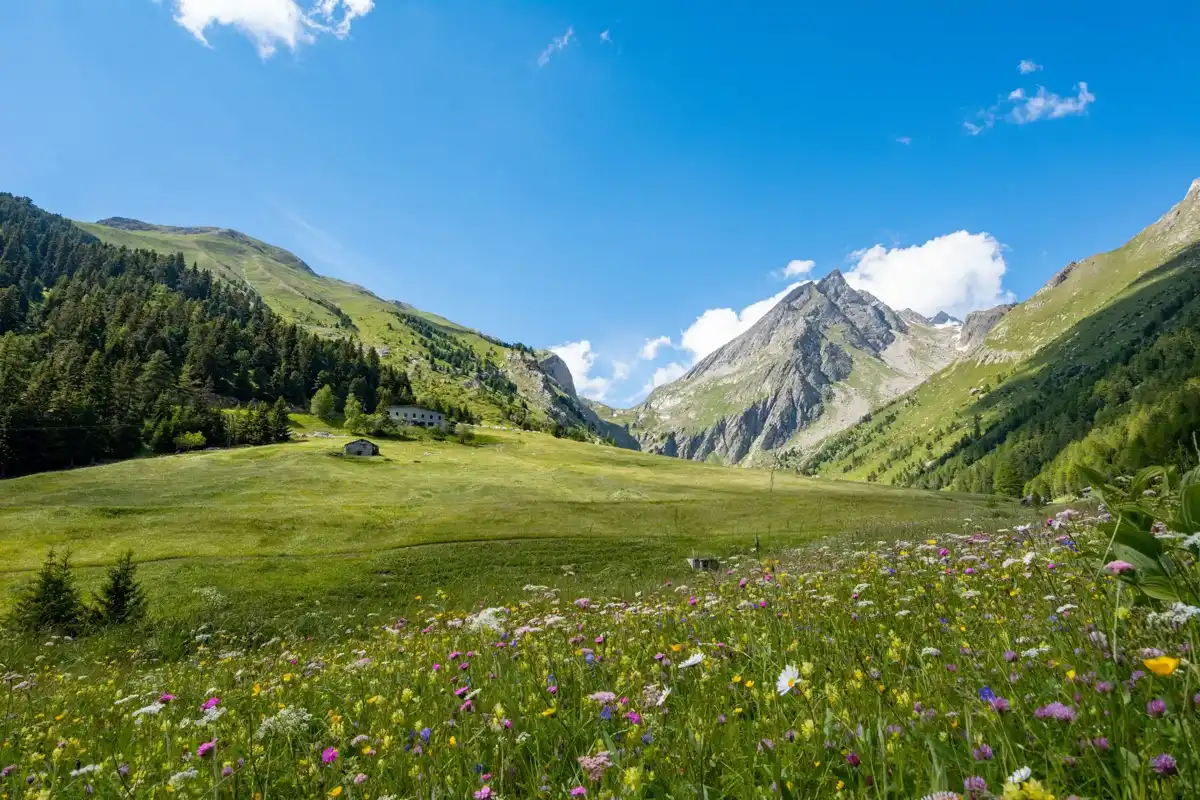
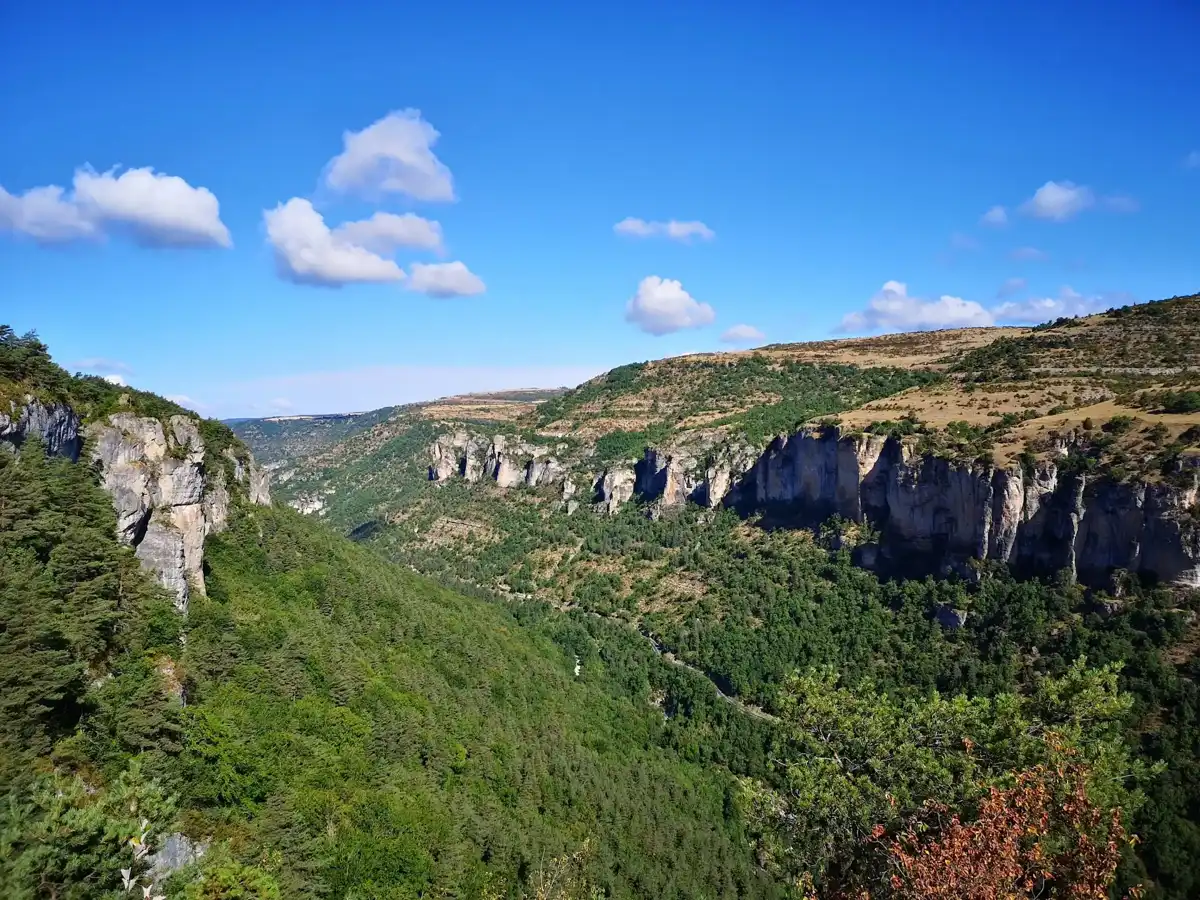
Which kind suits you: For hikers who want effort and altitude, the high Alps and Pyrenees are the priority. They have the best-marked trails, staffed refuges and multi-day routes, and they are worth the cost and the planning. For travelers who want a lighter, cheaper trip with villages, food and short walks, the Cévennes and the Massif Central are better value and far quieter, though a car makes them much easier. The Mediterranean parks …
read more 👉 How many parks to visit: Visit two or three national parks on one trip, four at most on a long one. France has eleven, but they sit hundreds of kilometers apart and transfers consume days. Two parks done properly, with a spare weather day each, beat five visited as quick photo stops. A short trip of a week fits one mountain park and one coastal or lowland one.
Which kind suits you: For hikers who want effort and altitude, the high Alps and Pyrenees are the priority. They have the best-marked trails, staffed refuges and multi-day routes, and they are worth the cost and the planning. For travelers who want a lighter, cheaper trip with villages, food and short walks, the Cévennes and the Massif Central are better value and far quieter, though a car makes them much easier. The Mediterranean parks are best for short days and swimming, and they are the weakest choice in July and August, when heat, fire restrictions and crowds cut the experience down. The overseas parks are worth it only if you are already traveling there; they are not a side trip from mainland France.
What it costs: Entry to French national parks is generally free, so the budget goes elsewhere. A realistic independent budget is US$55 to 90 (about €50 to 85) a day in the mountains in summer, and US$40 to 65 outside peak season. Refuge bunks with half-board usually run €50 to 85 a night, a bunk alone is cheaper where self-catering is allowed, and campgrounds near park gateways cost about €10 to 25. Regional buses are often €2 to 10 per ride, while a rental car costs €35 to 70 a day plus fuel and parking of €5 to 10 at popular trailheads. Boat access to some coastal sites costs about €20 to 40 return. Guides are only necessary for glacier travel or technical routes, and a day costs roughly €250 to 450 for a group. Budget about €150 to 350 per park visit including transport, lodging and food for two or three days.
Safety and local rules: Mountain weather is the main risk. Check Météo-France forecasts the evening before and the morning of a hike, turn back when storms build, and carry a map and a charged phone with 112 for emergencies. Snow and ice can persist on shaded slopes well into summer, so microspikes or an axe may be needed early in the season. In the south, fire rules are serious: access to forests can be shut with little notice, and violations lead to fines. Watch for livestock guardian dogs near sheep pastures. Stay calm, keep walking and avoid approaching the flock. Never leave marked trails to shortcut through meadows.
Bivouacking is allowed only in set zones, often with a requirement to pitch late and leave early, and free camping elsewhere in core areas is banned. Dogs are often restricted or banned, and drones are usually prohibited. Shepherds and farmers work these landscapes, so close gates, keep to paths and greet people you pass with a quick “bonjour”. That small courtesy changes how you are received in villages and huts.
Book refuges in advance for July and August, since walk-ins can be turned away. Skip cheap, rushed visits in poor weather: a clouded-in summit day is not worth the fare or the effort, and rescheduling by a day usually fixes it.




 Best Backpacking
 Hi, I’m Johan (Netherlands 🇳🇱), the creator of TakeYourBackpack. Over the past 3 decades, I’ve backpacked through 90+ countries across six continents, gaining extensive experience with independent travel, long-term trips, and overland routes.