The Hall of Mirrors
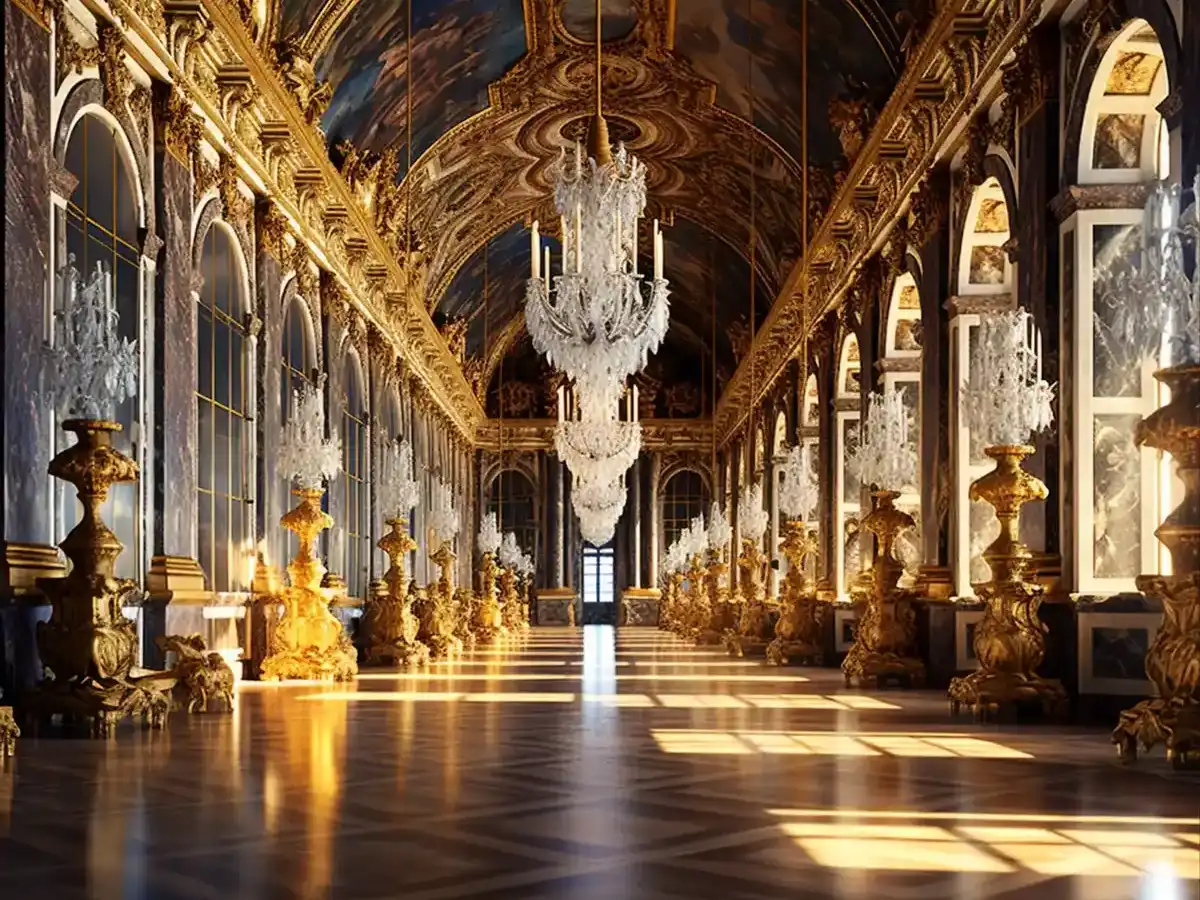
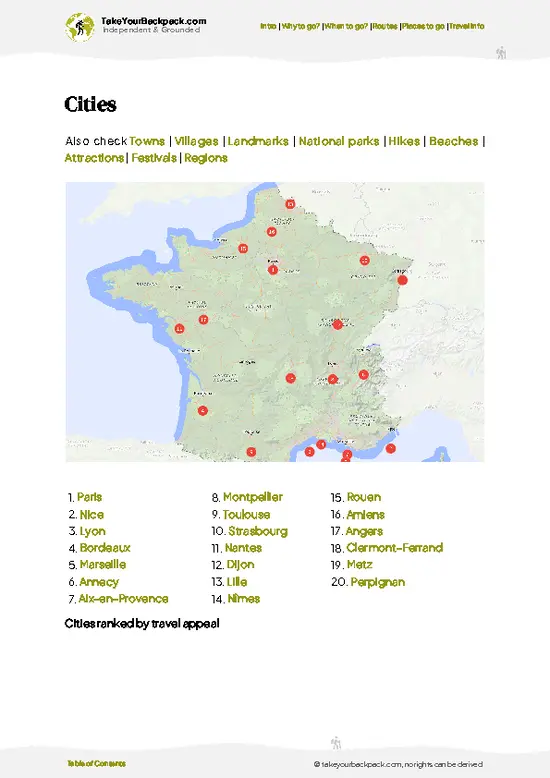
Forget the Instagram parade of twirling tourists. The Hall of Mirrors is a power move in architecture—a 240-foot corridor lined with 357 mirrors, designed to dazzle visiting dignitaries and intimidate rivals. It’s not just pretty; it’s political theater. The sunlight ricochets off the glass and gold, and for a few seconds, you feel the weight of history and ego. Yes, it’s crowded. Yes, you’ll dodge selfie sticks. But there’s nothing like the hush that falls when you realize you’re standing where the Treaty of Versailles was signed, ending World War I. That’s real gravity, not just glitter.
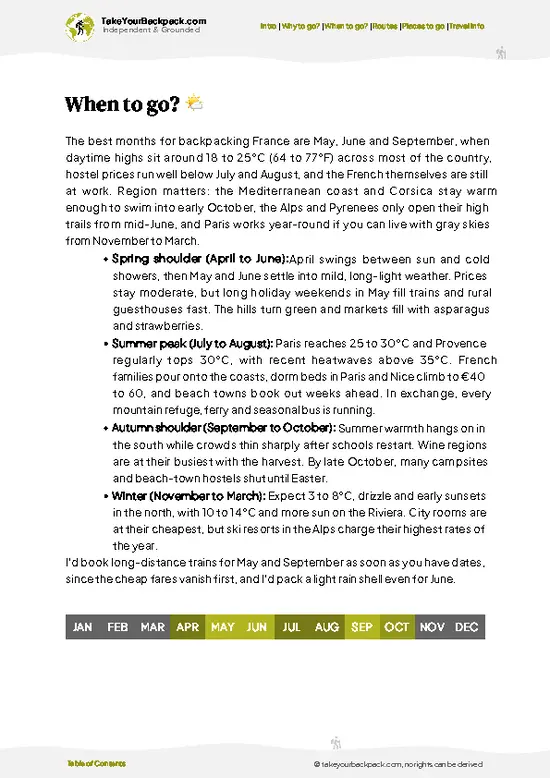
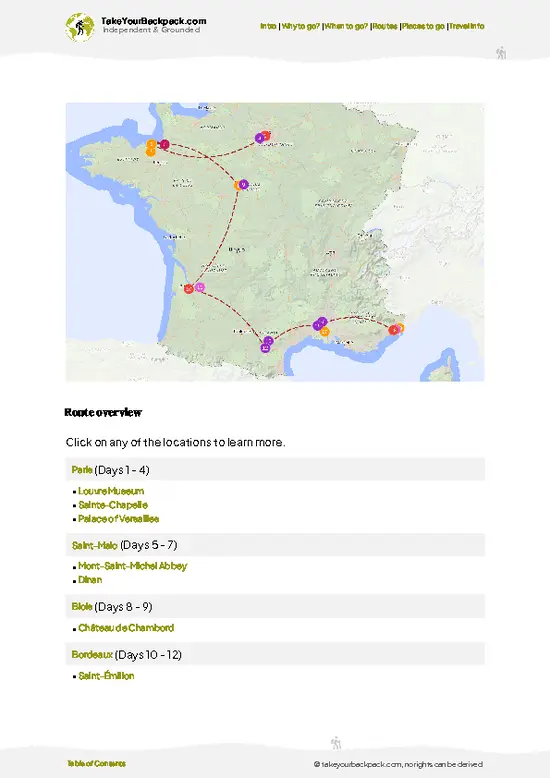
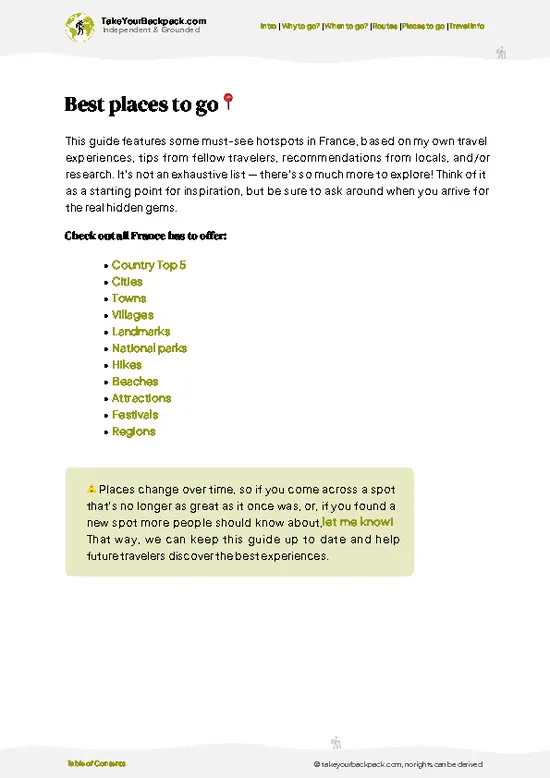
The Gardens (Les Jardins)
The gardens are Versailles’ real flex. They’re not a backdrop—they’re the main event. Miles of manicured hedges, secret groves, and fountains that erupt on … read more 👉
Forget the Instagram parade of twirling tourists. The Hall of Mirrors is a power move in architecture—a 240-foot corridor lined with 357 mirrors, designed to dazzle visiting dignitaries and intimidate rivals. It’s not just pretty; it’s political theater. The sunlight ricochets off the glass and gold, and for a few seconds, you feel the weight of history and ego. Yes, it’s crowded. Yes, you’ll dodge selfie sticks. But there’s nothing like the hush that falls when you realize you’re standing where the Treaty of Versailles was signed, ending World War I. That’s real gravity, not just glitter.
The Gardens (Les Jardins)
The gardens are Versailles’ real flex. They’re not a backdrop—they’re the main event. Miles of manicured hedges, secret groves, and fountains that erupt on … read more 👉
The Hall of Mirrors
Forget the Instagram parade of twirling tourists. The Hall of Mirrors is a power move in architecture—a 240-foot corridor lined with 357 mirrors, designed to dazzle visiting dignitaries and intimidate rivals. It’s not just pretty; it’s political theater. The sunlight ricochets off the glass and gold, and for a few seconds, you feel the weight of history and ego. Yes, it’s crowded. Yes, you’ll dodge selfie sticks. But there’s nothing like the hush that falls when you realize you’re standing where the Treaty of Versailles was signed, ending World War I. That’s real gravity, not just glitter.
The Gardens (Les Jardins)
The gardens are Versailles’ real flex. They’re not a backdrop—they’re the main event. Miles of manicured hedges, secret groves, and fountains that erupt on schedule like clockwork. You can lose hours wandering, and you should. The scale is absurd: 2,000 acres, 50 fountains, and enough marble statues to make you question your own landscaping ambitions. The trick is to go early or late, when the tour groups thin out and the light softens. Bring snacks, ignore the map, and let yourself get lost. This is where Versailles stops being a museum and starts feeling like a playground for the absurdly rich.
The Musical Fountain Shows
This is Versailles with the volume cranked. On weekends from spring to fall, the fountains come alive with baroque music blasting from hidden speakers. It’s over-the-top, theatrical, and completely unapologetic. You’ll see water jets leaping in time with Lully and Rameau, and for a moment, you’re not just looking at history—you’re inside it. It’s touristy, sure, but it’s also pure entertainment. If you only splurge on one ticketed extra, make it this.
The Queen’s Hamlet (Hameau de la Reine)
Marie Antoinette’s faux-rustic village is Versailles’ weirdest, most human corner. She wanted to play shepherdess, so she built a storybook hamlet complete with a working farm, thatched cottages, and a lake. It’s kitsch, it’s escapist, and it’s oddly touching. You get a glimpse of royal boredom and fantasy, and the crowds are thinner here. The Hamlet is my personal favorite—because it’s the only place in Versailles that feels like a secret, even when it’s not.
The Royal Chapel
You’ll find this soaring, two-story chapel tucked inside the main palace, often overlooked in the rush to the Hall of Mirrors. The ceiling is a riot of painted angels and gold leaf, and the acoustics are so sharp you can hear a whisper from the altar. If you catch a live concert or mass, the sound is spine-tingling. Even empty, it’s a reminder that Versailles wasn’t just about parties—it was about spectacle in every sense.
The King’s Apartments
These rooms are Versailles at its most theatrical. Think gold, velvet, and enough brocade to upholster a small country. The King’s bedchamber is the epicenter, with a velvet rope keeping you at arm’s length from the spot where Louis XIV started his day in front of a crowd. It’s staged, it’s overblown, but it’s also a masterclass in royal branding. If you want to understand the psychology of power, this is where you study it.
Forget the Instagram parade of twirling tourists. The Hall of Mirrors is a power move in architecture—a 240-foot corridor lined with 357 mirrors, designed to dazzle visiting dignitaries and intimidate rivals. It’s not just pretty; it’s political theater. The sunlight ricochets off the glass and gold, and for a few seconds, you feel the weight of history and ego. Yes, it’s crowded. Yes, you’ll dodge selfie sticks. But there’s nothing like the hush that falls when you realize you’re standing where the Treaty of Versailles was signed, ending World War I. That’s real gravity, not just glitter.
The Gardens (Les Jardins)
The gardens are Versailles’ real flex. They’re not a backdrop—they’re the main event. Miles of manicured hedges, secret groves, and fountains that erupt on schedule like clockwork. You can lose hours wandering, and you should. The scale is absurd: 2,000 acres, 50 fountains, and enough marble statues to make you question your own landscaping ambitions. The trick is to go early or late, when the tour groups thin out and the light softens. Bring snacks, ignore the map, and let yourself get lost. This is where Versailles stops being a museum and starts feeling like a playground for the absurdly rich.
The Musical Fountain Shows
This is Versailles with the volume cranked. On weekends from spring to fall, the fountains come alive with baroque music blasting from hidden speakers. It’s over-the-top, theatrical, and completely unapologetic. You’ll see water jets leaping in time with Lully and Rameau, and for a moment, you’re not just looking at history—you’re inside it. It’s touristy, sure, but it’s also pure entertainment. If you only splurge on one ticketed extra, make it this.
The Queen’s Hamlet (Hameau de la Reine)
Marie Antoinette’s faux-rustic village is Versailles’ weirdest, most human corner. She wanted to play shepherdess, so she built a storybook hamlet complete with a working farm, thatched cottages, and a lake. It’s kitsch, it’s escapist, and it’s oddly touching. You get a glimpse of royal boredom and fantasy, and the crowds are thinner here. The Hamlet is my personal favorite—because it’s the only place in Versailles that feels like a secret, even when it’s not.
The Royal Chapel
You’ll find this soaring, two-story chapel tucked inside the main palace, often overlooked in the rush to the Hall of Mirrors. The ceiling is a riot of painted angels and gold leaf, and the acoustics are so sharp you can hear a whisper from the altar. If you catch a live concert or mass, the sound is spine-tingling. Even empty, it’s a reminder that Versailles wasn’t just about parties—it was about spectacle in every sense.
The King’s Apartments
These rooms are Versailles at its most theatrical. Think gold, velvet, and enough brocade to upholster a small country. The King’s bedchamber is the epicenter, with a velvet rope keeping you at arm’s length from the spot where Louis XIV started his day in front of a crowd. It’s staged, it’s overblown, but it’s also a masterclass in royal branding. If you want to understand the psychology of power, this is where you study it.
Spotted a mistake or missing something? Contact us.
v2.webp)


Best Backpacking
Hi, I’m Johan (Netherlands 🇳🇱), the creator of TakeYourBackpack. Over the past decade, I’ve backpacked through 80+ countries across six continents, gaining extensive experience with independent travel, long-term trips, and overland routes.