×

France🇫🇷 | best landmarksThe 10 Top landmarks in France

Landmarks in France come in three broad kinds, and they behave very differently. Paris and the Loire châteaux are the famous icons: huge, ticketed, and crowded from mid-morning. Skip the timed-entry giants if your budget is tight, because the exteriors give you most of the view for free. The south, from Provence to the Riviera, runs on Roman ruins, hilltop villages and cliffside towns, with higher prices and heavy summer traffic. Brittany and Normandy offer wild coastlines and war memorials with smaller crowds and cheaper beds, though trains thin out fast. The Alps and Pyrenees give you natural landmarks, but access depends on the season and a bus timetable. For independent travel, the best value is rail-linked stops with free or low-cost grounds, plus the regional gems that cost a fraction of Paris. Pick one kind per trip and France gets cheaper and calmer.

By Johan Kruseman 🇳🇱 | Updated October 18, 2026
Explore the best national parks in France

Why go?What Makes Them Special

France suits landmark-hunting better than almost any country because two thousand years of continuous power left physical evidence everywhere. Roman provinces, medieval abbeys, royal courts, revolutions and two world wars each added layers, and the state has spent centuries preserving them. Heritage protection is strict, so sites are well kept, clearly signposted and usually explained in English as well as French.

The infrastructure is the second reason. The TGV network links Paris to Lyon, Bordeaux, Marseille and Strasbourg in two to four hours, and regional TER trains reach most mid-sized towns. Few countries make it this easy to hop between major sites without a car.

Geography adds variety in a compact space: Atlantic cliffs, Alpine peaks, Mediterranean coast and river valleys all sit … read more 👉
France suits landmark-hunting better than almost any country because two thousand years of continuous power left physical evidence everywhere. Roman provinces, medieval abbeys, royal courts, revolutions and two world wars each added layers, and the state has spent centuries preserving them. Heritage protection is strict, so sites are well kept, clearly signposted and usually explained in English as well as French.

The infrastructure is the second reason. The TGV network links Paris to Lyon, Bordeaux, Marseille and Strasbourg in two to four hours, and regional TER trains reach most mid-sized towns. Few countries make it this easy to hop between major sites without a car.

Geography adds variety in a compact space: Atlantic cliffs, Alpine peaks, Mediterranean coast and river valleys all sit within a day or so of each other.

Before choosing France, know the downsides. Popularity is the main one. France is the most visited country in the world, so top sites sell timed tickets and queues are real, especially July and August. Entry fees add up quickly, often €10 to 25 per site, though under-26 EU residents get free entry to many national monuments and the first Sunday of the month is free at some. Many sites close on Mondays or Tuesdays, and small-town sites often close for a two-hour lunch. Rural landmarks without a car can mean one bus a day or none. Plan around these limits and France pays you back. Ignore them and you spend your trip in lines.
Behind the Scenes of Selection
The list of best unique sites in France is created based on history or culture, wow factor, atmosphere, quirks, and memorability. If you feel a unique site is missing in this list, please let us know.

When to go?Optimal Periods for Travel

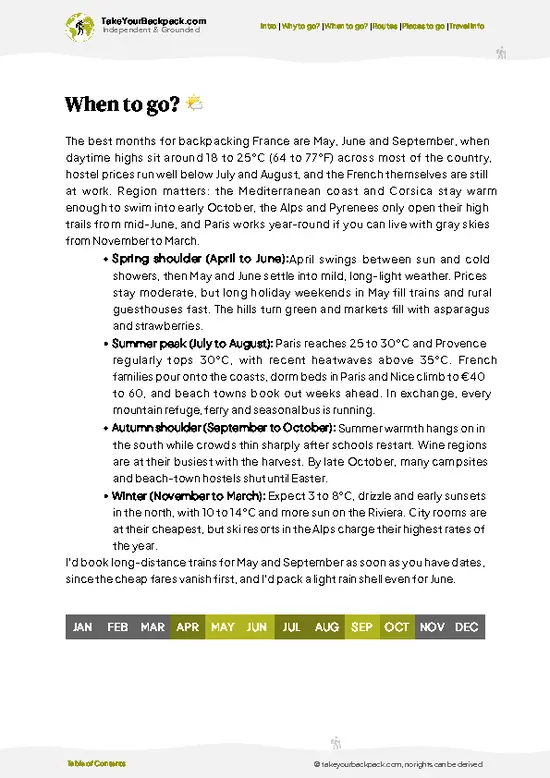
Best months for landmarks: April to June and September to October are the best months, with daytime highs of 15 to 25°C, long daylight and queues that stay manageable outside school holidays. May and September are the pick: almost everything is open, and rooms cost 20 to 40 percent less than in July and August.
Summer: skip the peak weeks: July and August push highs to 28 to 35°C in Provence and the Riviera, and the big Paris and Loire sites fill by mid-morning. Mid-July to late August is the most expensive window, with the south and the Atlantic coast hit hardest because French families holiday then. Paris itself is quieter in mid-August, but some small restaurants and shops close. Heat makes midday visits to unshaded Roman and hilltop sites miserable, so go early or late.
Winter and shoulder … read more 👉
Best months for landmarks: April to June and September to October are the best months, with daytime highs of 15 to 25°C, long daylight and queues that stay manageable outside school holidays. May and September are the pick: almost everything is open, and rooms cost 20 to 40 percent less than in July and August.
Summer: skip the peak weeks: July and August push highs to 28 to 35°C in Provence and the Riviera, and the big Paris and Loire sites fill by mid-morning. Mid-July to late August is the most expensive window, with the south and the Atlantic coast hit hardest because French families holiday then. Paris itself is quieter in mid-August, but some small restaurants and shops close. Heat makes midday visits to unshaded Roman and hilltop sites miserable, so go early or late.
Winter and shoulder risks: November to March is cheap and uncrowded, with Paris highs of 5 to 8°C and frequent gray drizzle. Rain averages 50 to 60 millimeters a month in Paris and more in Brittany and Normandy. It is a good time for indoor-heavy city sites, and a poor one for coastal and mountain landmarks. Alpine and Pyrenean sites can be snowed in or closed from November to April, and some rural châteaux shut completely from November to March. Christmas week and February school holidays raise prices near ski areas.
Regional timing: The Mediterranean south is pleasant from April to October and mild in winter. Brittany and Normandy are best June to September, though rain can arrive any week. The Loire is at its best in May and June.

unique site hoppingOptimizing Your Multi-Stop Itinerary

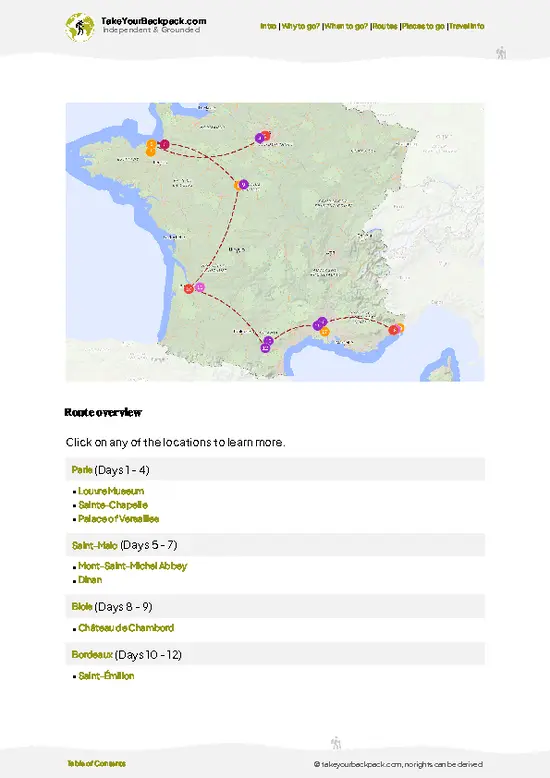
How many days to plan: A trip linking several landmarks in France needs 10 to 14 days, and 7 is the minimum for two regions without rushing. More stops than that turns the trip into a transit exercise.
Which regions group well: Paris pairs naturally with Normandy and the Loire, because both sit within one to three hours by train. The south works as a second cluster: Lyon, Avignon, Nîmes, Arles and Marseille all sit on one rail corridor, with TGV Paris to Lyon in about two hours and Lyon to Marseille in about 1 hour 40 minutes. Brittany and the Alps are separate trips. Combining them with the rest adds 5 to 8 hours of travel each way, which isn't worth it on a short visit.
Direction of travel: Start in Paris, go west to the Loire or Normandy, then swing south and finish in Provence or the Riviera, … read more 👉
How many days to plan: A trip linking several landmarks in France needs 10 to 14 days, and 7 is the minimum for two regions without rushing. More stops than that turns the trip into a transit exercise.
Which regions group well: Paris pairs naturally with Normandy and the Loire, because both sit within one to three hours by train. The south works as a second cluster: Lyon, Avignon, Nîmes, Arles and Marseille all sit on one rail corridor, with TGV Paris to Lyon in about two hours and Lyon to Marseille in about 1 hour 40 minutes. Brittany and the Alps are separate trips. Combining them with the rest adds 5 to 8 hours of travel each way, which isn't worth it on a short visit.
Direction of travel: Start in Paris, go west to the Loire or Normandy, then swing south and finish in Provence or the Riviera, where you can fly out of Nice or Marseille. This avoids backtracking and puts the hot south in the shoulder season. Flying into one city and out of another saves a full day.
Time per stop: Allow half a day for a smaller site and a full day for a major one. Big city sites need two to three hours inside plus queue time. Rural landmarks often need a night nearby, since trains and buses run rarely.
Planning mistakes: The biggest is packing in a different town every night. Hotel changes cost two to three hours each, so base yourself in a hub for three nights and use day trips. Another is ignoring closing days, especially Mondays and Tuesdays. A third is booking tickets too late, as top sites sell out days ahead in summer. Book those sites and leave the rest flexible.

The ListMust-Visit landmarks in France

1 Eiffel Tower

iron lattice, panoramic platforms, Paris skyline

Ascend a landmark structure for sweeping city views and a close look at 19th-century engineering.

France - the Eiffel Tower

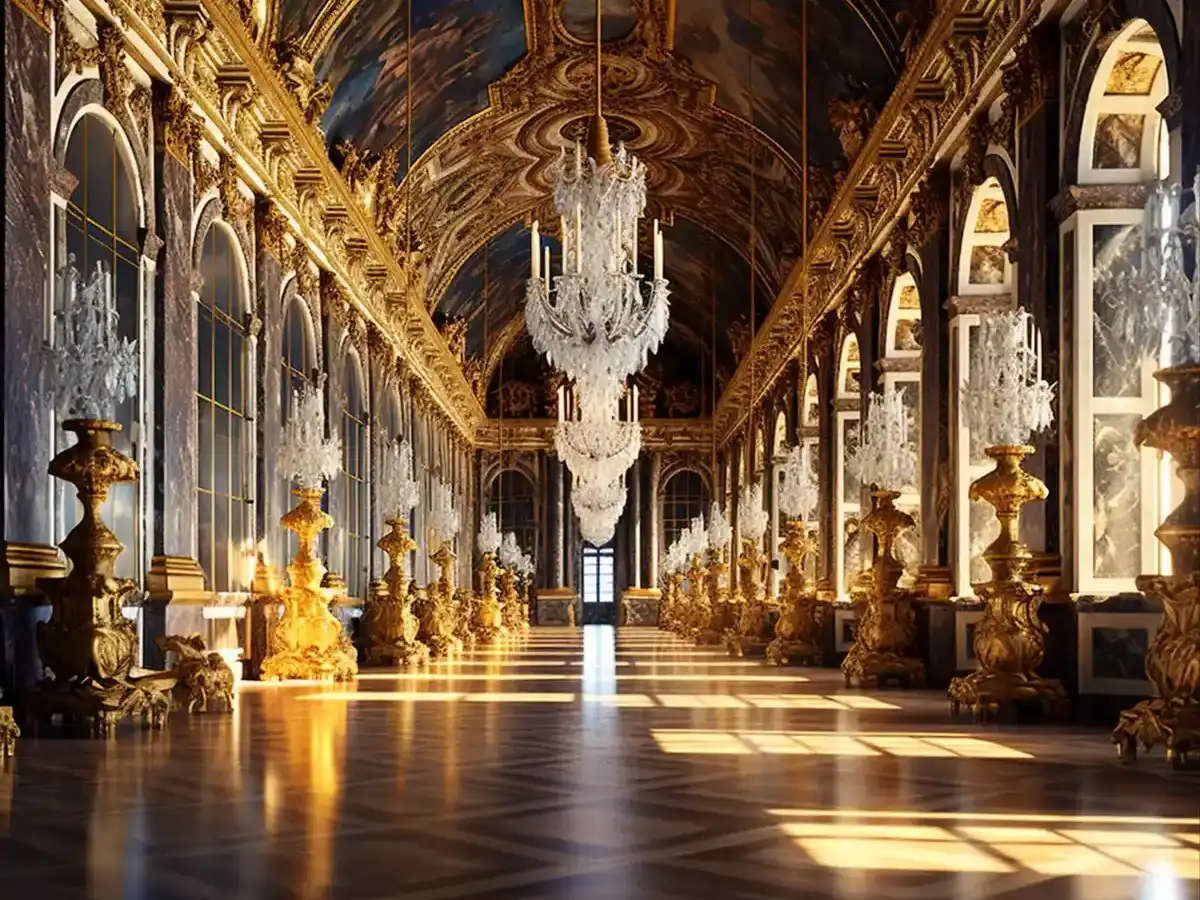
2 Palace of Versailles

Hall of Mirrors, formal gardens, ornamental fountains

Tour a palace complex where ceremonial rooms and geometric gardens illustrate the ambitions of absolute monarchy.

france-unique-site-palace-of-versailles
© Google | Cường Nguyễn

3 Cité de Carcassonne

double ramparts, medieval towers, drawbridge gates

Enter a walled city where concentric defenses and cobbled streets evoke centuries of military strategy and daily life.

france-unique-site-cite-de-carcassonne
© Google | Laurence Dréano

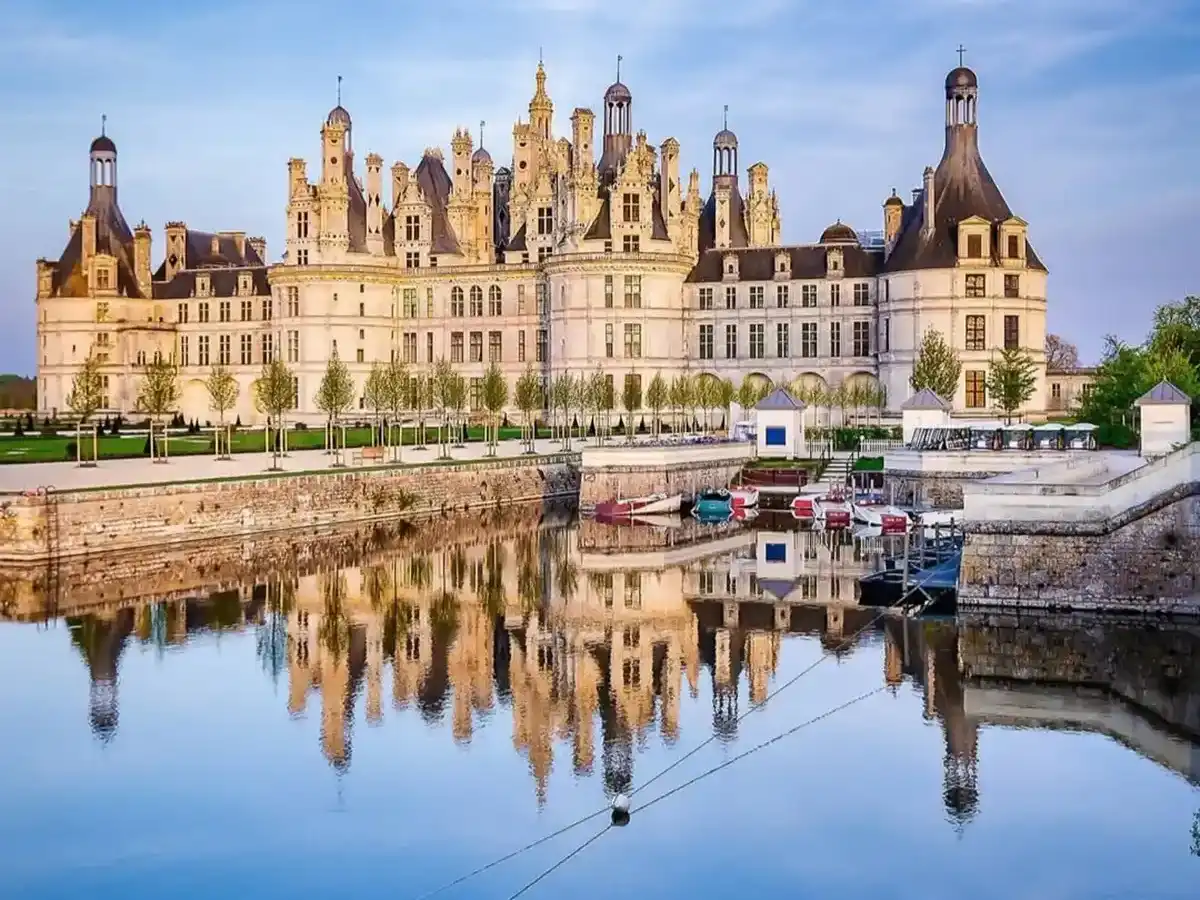
4 Château de Chambord

double-helix staircase, Renaissance turrets, vast parkland

Wander through a château where architectural innovation meets hunting lodge tradition, set amid expansive grounds.

france-unique-site-chateau-de-chambord
© Google | Hossein Mohammadi

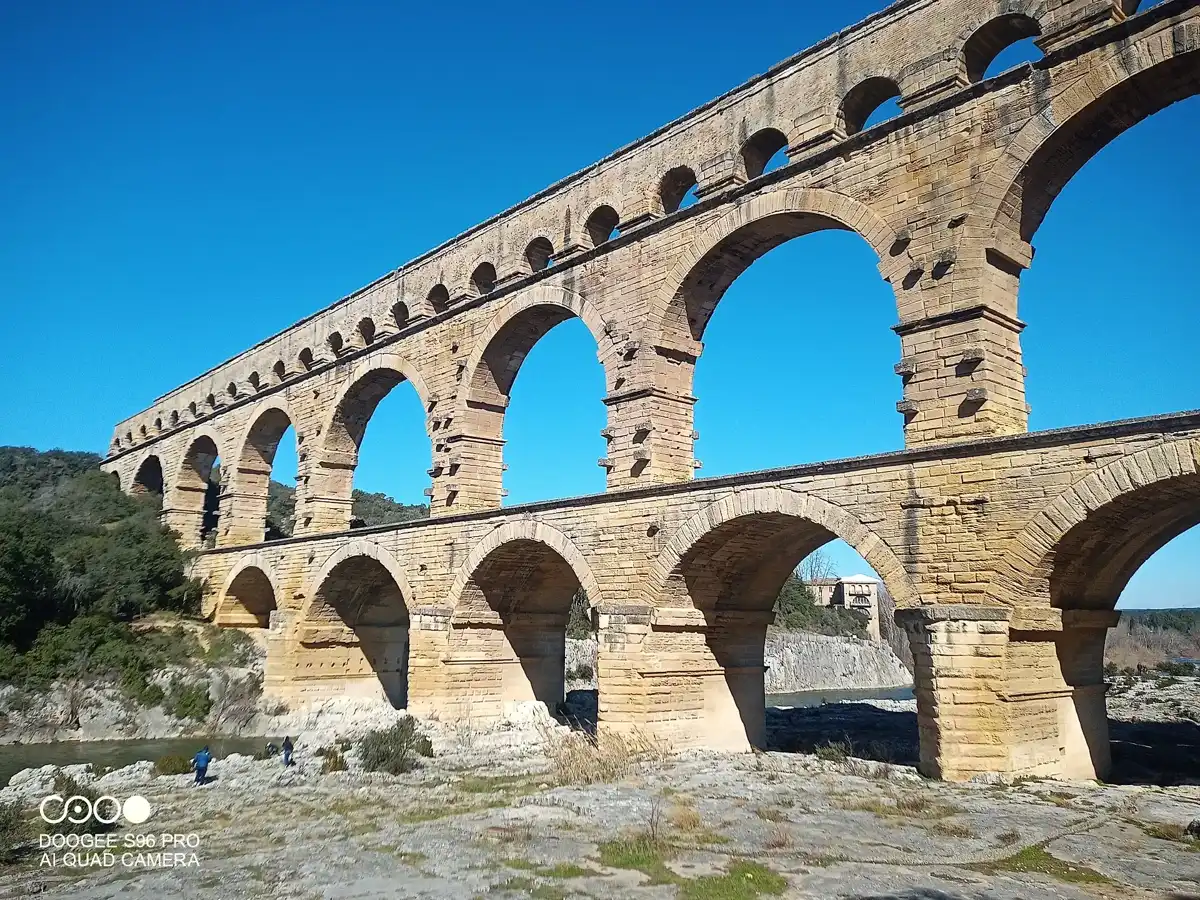
5 Pont du Gard

multi-tiered arches, river crossing, ancient engineering

Cross a bridge built for water transport, observing the precision and scale of Roman construction above a scenic valley.

6 Chartres Cathedral

blue stained glass, labyrinth floor, sculpted portals

Trace the path of pilgrims inside a cathedral renowned for its luminous windows and symbolic stonework.

france-unique-site-chartres-cathedral
© Google | René Rozo

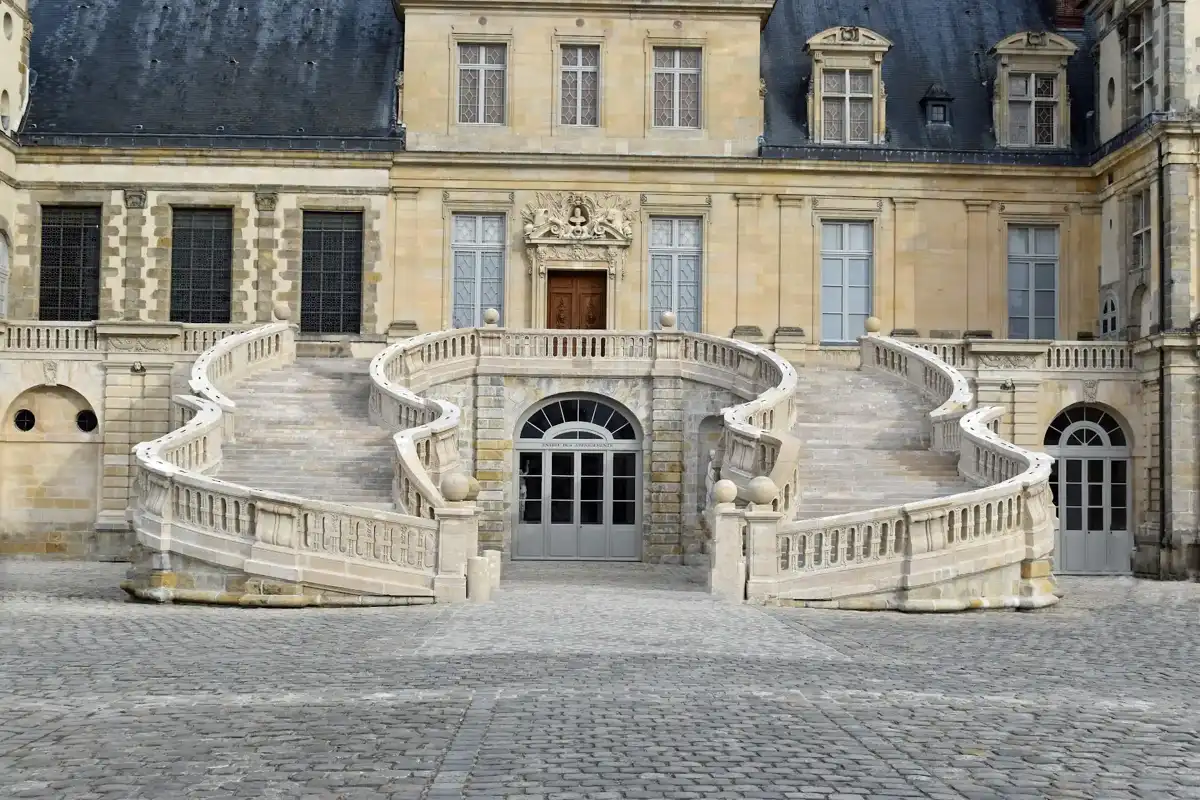
7 Palace of Fontainebleau

royal apartments, Renaissance interiors, landscaped gardens

Stroll through halls and grounds that reflect centuries of royal residence, artistic patronage, and evolving design.

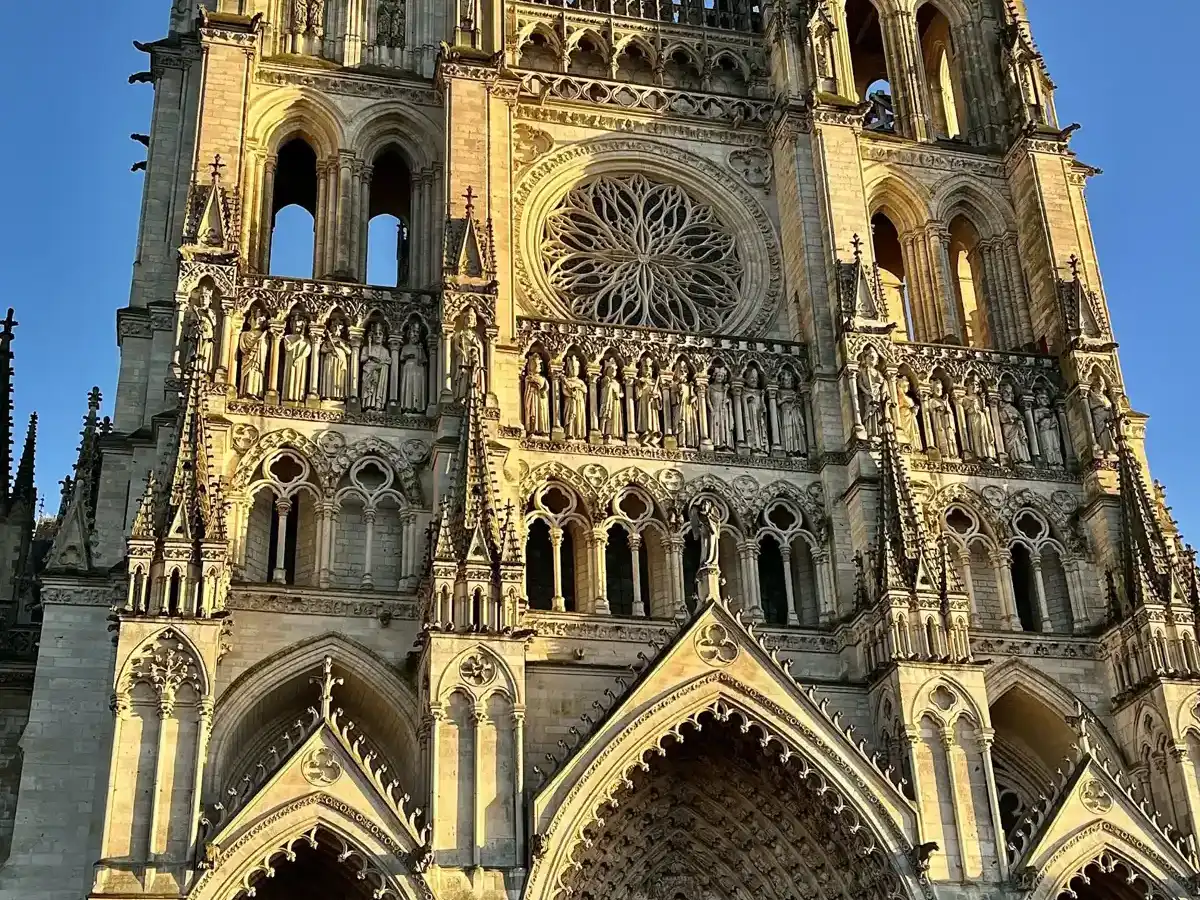
8 Amiens Cathedral

Gothic architecture, soaring nave, sculpted façade

Admire intricate stonework and vast interior spaces that reveal the technical ambition and artistry of medieval builders.

france-unique-site-amiens-cathedral
© Google | Olga Petryuk

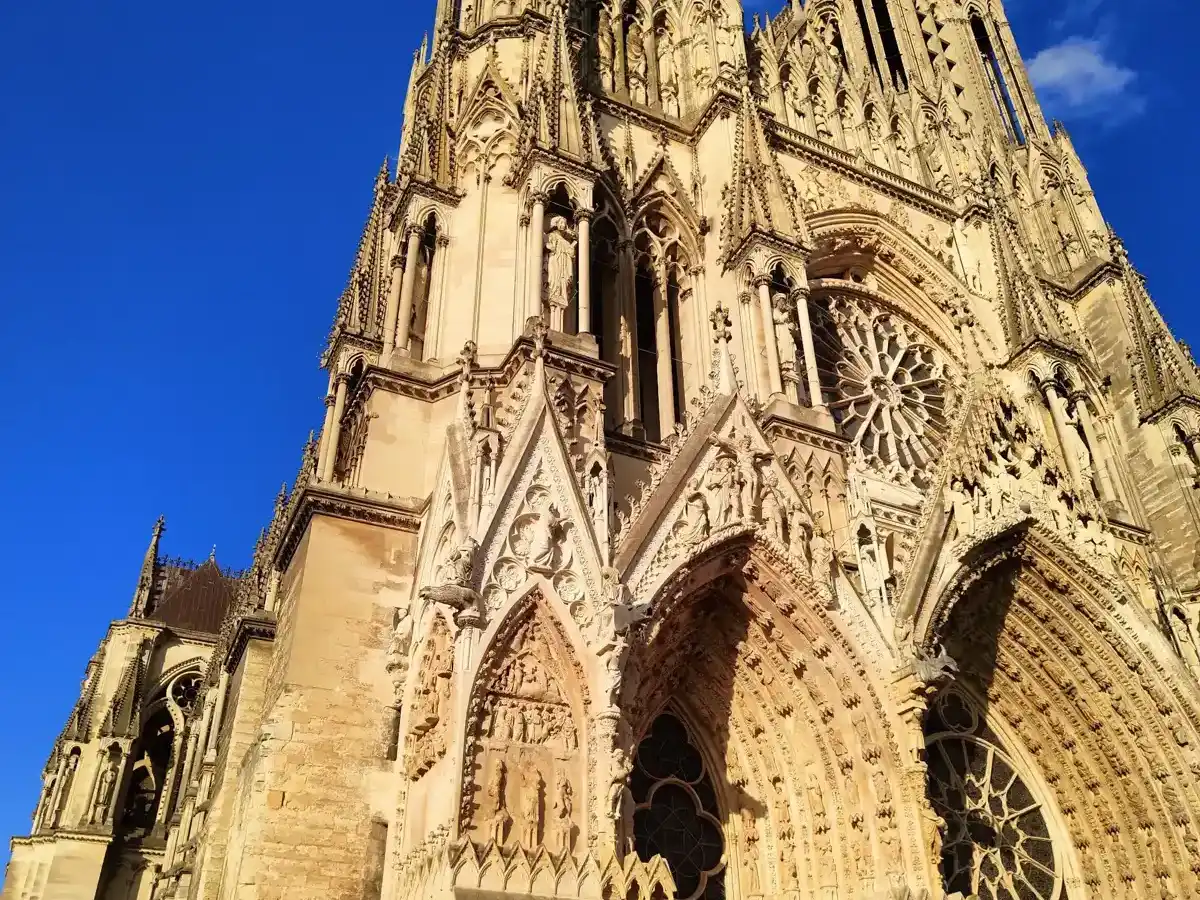
9 Reims Cathedral

coronation site, rose windows, Gothic spires

Stand beneath towering arches where French kings were crowned, surrounded by vibrant glass and detailed stone carvings.

france-unique-site-reims-cathedral
© Google | Momo Montana

10 Canal du Midi

tree-lined towpaths, stone locks, leisure boating

Cycle or cruise along a historic canal, passing through shaded avenues and engineering works that shaped regional trade routes.

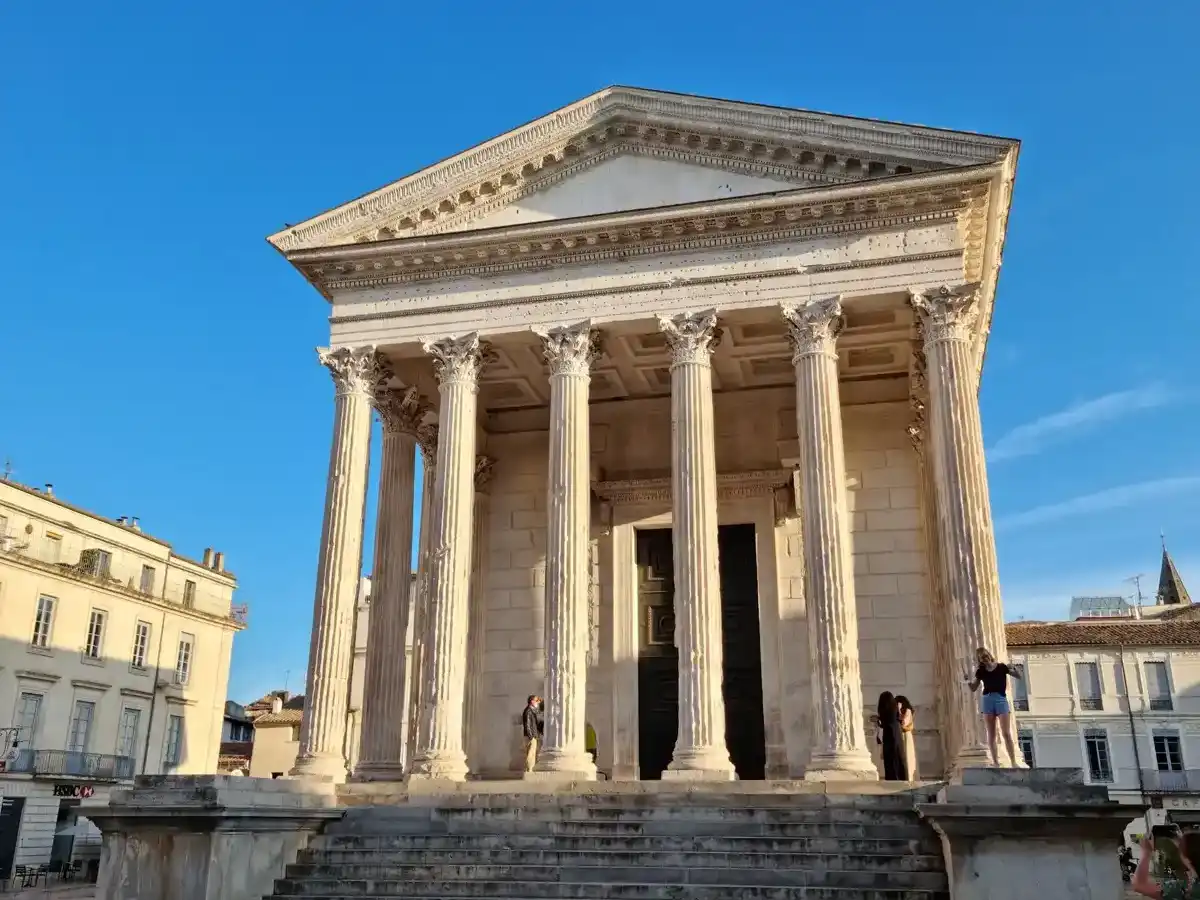
11 Maison Carrée

Roman temple, Corinthian columns, preserved façade

Stand before a classical structure whose proportions and details have survived nearly two millennia of urban change.

france-unique-site-maison-carree
© Google | Cortesvlc

12 Bourges Cathedral

stained glass, flying buttresses, layered chapels

Experience a cathedral where light filters through centuries-old glass, illuminating a complex structure with multiple levels and hidden corners.

france-unique-site-bourges-cathedral
© Google | Riccardo Delfanti

13 Jurisdiction of Saint-Émilion

vineyard landscapes, monolithic church, limestone cellars

Sample wines and explore underground spaces in a town shaped by viticulture and carved from soft stone.

14 Cordouan Lighthouse

offshore beacon, boat access, royal apartments

Reach a lighthouse standing alone at sea, combining navigational purpose with ornate living quarters and panoramic views.

15 Oradour-sur-Glane

ruined village, memorial site, WWII massacre

Walk through preserved ruins that bear silent witness to wartime tragedy, offering a stark reminder of the consequences of conflict.

Think you know France?

Prove you’re a true local — uncover 5 lesser-known landmarks in France that locals tend to keep to themselves.
Loading the map 🌍

Expert viewTips and Advice from Travelers

How many landmarks to visit: Plan on one major landmark per day and no more than eight to ten across a two-week trip. Beyond that, queues, transit and ticket fatigue erase the pleasure. Two major sites in one day almost always means one is rushed, and rushing the second is a waste of the entry fee. Add free outdoor stops to fill gaps instead of paying for more interiors.
Which kind to prioritize: History-minded travelers should lean toward Roman sites and medieval abbeys, which are cheaper, quieter and often more atmospheric than royal palaces. Art-focused travelers should accept Paris crowds and book timed slots, because the major collections have no real substitute. Photographers should favor coastal and hilltop landmarks at sunrise, when light is better and tour groups are absent. Budget … read more 👉
How many landmarks to visit: Plan on one major landmark per day and no more than eight to ten across a two-week trip. Beyond that, queues, transit and ticket fatigue erase the pleasure. Two major sites in one day almost always means one is rushed, and rushing the second is a waste of the entry fee. Add free outdoor stops to fill gaps instead of paying for more interiors.
Which kind to prioritize: History-minded travelers should lean toward Roman sites and medieval abbeys, which are cheaper, quieter and often more atmospheric than royal palaces. Art-focused travelers should accept Paris crowds and book timed slots, because the major collections have no real substitute. Photographers should favor coastal and hilltop landmarks at sunrise, when light is better and tour groups are absent. Budget travelers should pick regional sites over headline ones. The grand palaces are worth one visit, but a second palace or château rarely earns its €15 to 25 ticket if you have already seen one. Natural landmarks are the best value of all, since the walking is free, though they need decent weather and often a car or seasonal bus.
What it costs: Budget US$70 to 110 a day in total as a frugal independent traveler: dorm beds at about €30 to 50, supermarket and bakery meals, regional trains, and one paid site a day. Add a bit more for Paris and the Riviera, where dorm beds run €40 to 70 in summer. Entry fees run about €6 to 12 for small monuments and €15 to 30 for the major ones. Audio guides cost €5 to 8, human-led tours €15 to 35. Day trips by regional train run €10 to 40 each way, and advance TGV fares can be €20 to 40 against €80 or more on the day. A museum pass can pay for itself only if you visit three or more included sites in the validity window, so count before buying. Under-26 EU residents often enter national monuments free, and first Sundays bring free entry at some, though those days draw the biggest crowds, so skip them if queues bother you.
Safety and etiquette: Pickpocketing is the main risk at crowded landmarks, especially around Paris and on metro lines serving them. Keep phones and wallets in front pockets, and ignore petition clipboards and friendship-bracelet offers, which are common distractions. Fake ticket sellers operate outside major queues, so buy only from official sites or the ticket office. Security checks are normal and bags are searched, and large backpacks are often refused entry, so use a luggage locker or leave your pack where you sleep. Churches and cathedrals are active places of worship, so cover shoulders and knees, keep voices low and avoid flash during services. Greet staff with bonjour before asking anything, since it changes how you are treated. Drone flying is banned or restricted at most major monuments, and fines are real. Many sites close on Mondays or Tuesdays, and rural ones shut for lunch, so check hours the evening before. Strikes sometimes disrupt trains and close staffed sites, so keep a day of slack in your plans.

✈️ The backpacker research shortcutFrance Travel Guide

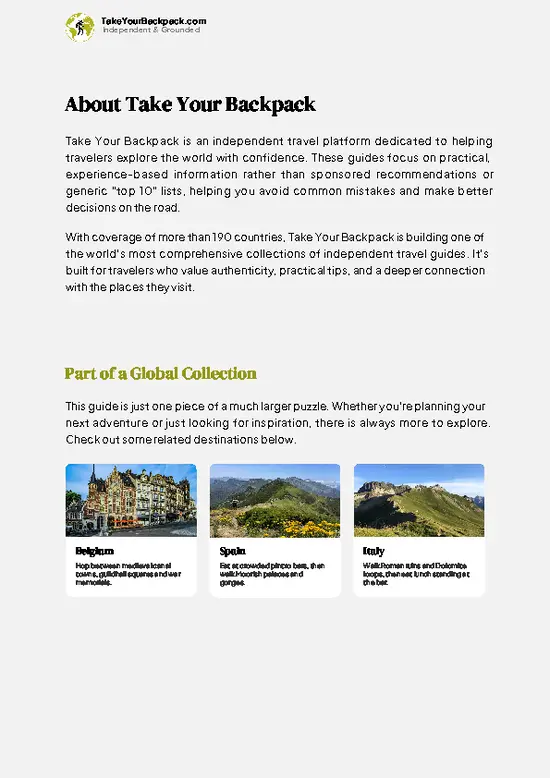
An offline-friendly backpacking guide with optimized travel routes, ranked highlights, transport advice, and the best areas to stay.
example page 0 from our offline Travel Guide for France
example page 1 from our offline Travel Guide for France
example page 2 from our offline Travel Guide for France
example page 3 from our offline Travel Guide for France
example page 4 from our offline Travel Guide for France
example page 5 from our offline Travel Guide for France
example page 6 from our offline Travel Guide for France
example page 7 from our offline Travel Guide for France
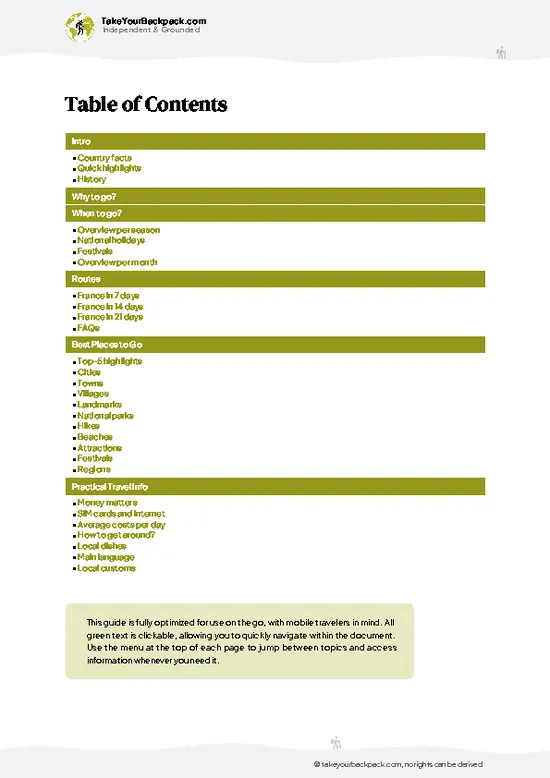
The digital guide (501 pages) contains:
✅ 135 highlights, ranked by travel appeal
✅ Optimized 7, 14 & 21-day travel routes
✅ Cities, national parks, landmarks, beaches
✅ How to get around
✅ Offline-friendly for travel without Wi-Fi
👉 Click to see all 30+ guide features

📅 Plan smarter in minutes, not weeks
✅ Month by month travel advice
✅ Festivals & national holidays
✅ Budget expectations

🗺️ Go to the right places, skip the overrated ones
✅ Honest pros & cons of destinations
✅ Top hikes, parks & viewpoints
✅ Lesser-known places most travelers miss
✅ Clear “worth it vs skip it” guidance

🛏️ Travel smoothly without rookie mistakes
✅ Best areas to stay
✅ Transport systems explained simply
✅ Common scams & safety advice
✅ SIM cards, money & practical tips

🌍 Understand the country, not just visit it
✅ Culture & traditions
✅ 52 Essential phrases & customs
✅ Festivals worth planning around
✅ Traveler-friendly historical context
✅ Insights that make places more meaningful

📱 Built for real travel conditions
✅ Fully downloadable PDF
✅ Works completely offline
✅ Optimized for phone use
✅ Useful in remote areas & buses
✅ Everything in one place
Stop searching, start planning
Get instant access to your full guide. 30‑day money-back guarantee.
+ Add another guide for just

By proceeding you agree to our terms.
Sent to your inbox immediately after payment • 100% Secure Checkout
Best Backpacking Travel Advisor 2025 tourism awardBest Backpacking
Travel Advisor
2025
What others say about Take Your Backpack Guides:
⭐⭐⭐⭐⭐
Fantastic, amazing amount of information!
⭐⭐⭐⭐⭐
My goodness this is amazing, it's what I've been looking for hats off too you!
⭐⭐⭐⭐⭐
I think this is absolutely BRILLIANT
⭐⭐⭐⭐
Very complete and informative. It's still missing places, but I gotta to commend you
⭐⭐⭐⭐⭐
This is truly amazing, thank you, can't wait to explore it with my kids!
⭐⭐⭐⭐⭐
Awesome resource, thank you!
⭐⭐⭐⭐⭐
This is amazing! Can't wait to explore the ones I haven't seen
⭐⭐⭐⭐
I love this! Well done, great idea.
⭐⭐⭐⭐⭐
Thanks for taking the time to make this gem!
⭐⭐⭐⭐⭐
This might be the best website I've ever seen.
⭐⭐⭐⭐⭐
Congratulations, and thank you so much for your work; it's incredibly valuable.
⭐⭐⭐⭐
In all seriousness I think you did a great job pointing out the important spots
⭐⭐⭐⭐⭐
10/10 very good
⭐⭐⭐⭐⭐
As someone who's only just starting to visit regularly this is awesome, thank you.
⭐⭐⭐⭐
Thank you very much! I'm going to visit my dad, it's going to be very useful!
⭐⭐⭐⭐⭐
This is really cool! We'll be travelling for the first time and this definitely come in handy.
⭐⭐⭐⭐⭐
You are now our minister of culture, congratulations 👨‍💼
⭐⭐⭐⭐⭐
Just wanted to tell you that this is a pearl! Going to follow your recommendations.
⭐⭐⭐⭐⭐
This is so cool. I'll definitely be using the resource for my travels soon.
⭐⭐⭐⭐⭐
This is very impressive! Good work.
⭐⭐⭐⭐⭐
This is an amazing and informative site. Very well done!

🛏️ Where to stay?Accommodation Highlights

France has plenty of hostels and budget rooms, with dorm beds running roughly €30 to 55 in Paris and €20 to 40 in most other cities. In Paris, the Canal Saint-Martin area and Belleville in the northeast hold the densest cluster of large hostels, with cheap bars and good metro links but a scruffy edge after dark, while Montmartre puts you near Sacré-Cœur and the Pigalle nightlife at the cost of steep hills and pickpockets around the main stations. Elsewhere, look at Vieux Lyon in Lyon for cobbled-lane atmosphere and walkable sights, the Vieux-Port and Cours Julien in Marseille for late nights (stay alert around the station), and the Old Town of Nice for beach access, though its narrow streets … read more 👉
France has plenty of hostels and budget rooms, with dorm beds running roughly €30 to 55 in Paris and €20 to 40 in most other cities. In Paris, the Canal Saint-Martin area and Belleville in the northeast hold the densest cluster of large hostels, with cheap bars and good metro links but a scruffy edge after dark, while Montmartre puts you near Sacré-Cœur and the Pigalle nightlife at the cost of steep hills and pickpockets around the main stations. Elsewhere, look at Vieux Lyon in Lyon for cobbled-lane atmosphere and walkable sights, the Vieux-Port and Cours Julien in Marseille for late nights (stay alert around the station), and the Old Town of Nice for beach access, though its narrow streets stay noisy until late in summer.

If you enjoy meeting fellow travelers, consider choosing hostels with high ratings for atmosphere. On the other hand, if you prefer having your own space, a hotel might be a better option.

FranceSee More of France

👋 Meet the founderWho’s Behind Take Your Backpack?

Johan, backpacker and founder of TakeYourBackpackHi, I’m Johan (Netherlands 🇳🇱), the creator of TakeYourBackpack. Over the past 3 decades, I’ve backpacked through 90+ countries across six continents, gaining extensive experience with independent travel, long-term trips, and overland routes.

This site is built on a combination of firsthand travel experience and carefully curated insights from other backpackers. Many guides are based on places I’ve personally visited, while others bring together tips, observations, and practical advice shared by trusted travelers I’ve met along the way.

The goal is to provide realistic, experience-driven guidance — not generic itineraries — so you can explore destinations with better context, clearer expectations, and more confidence.