v2.webp)

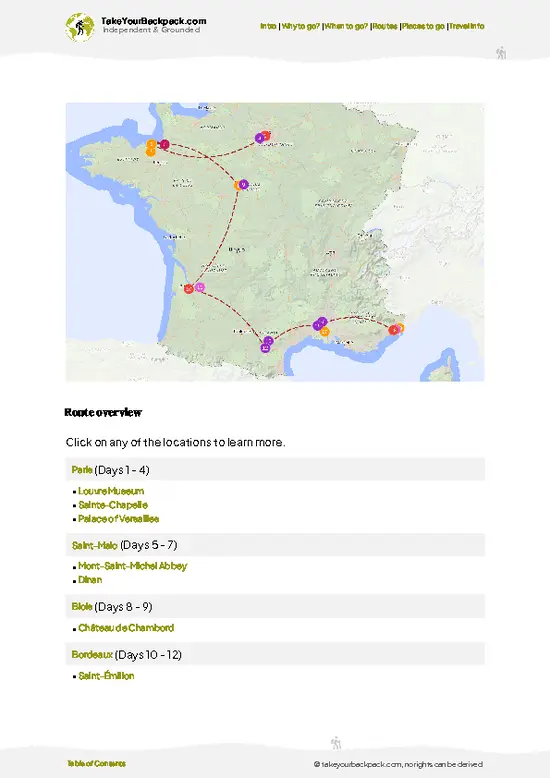
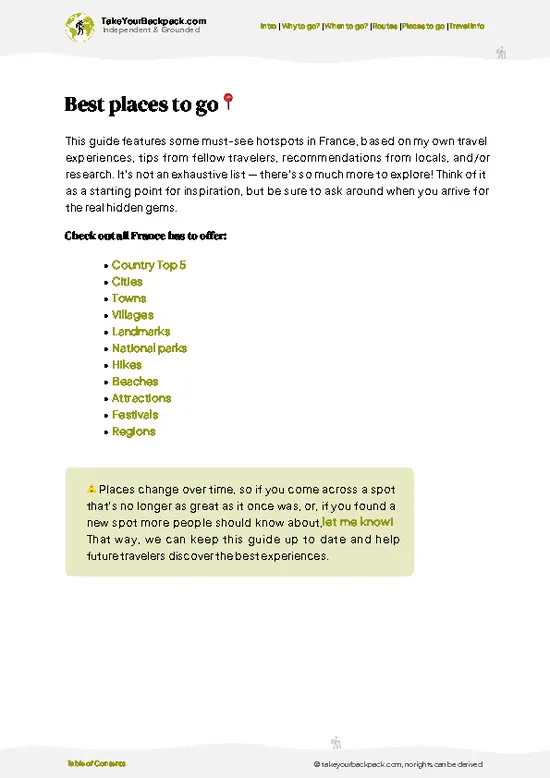
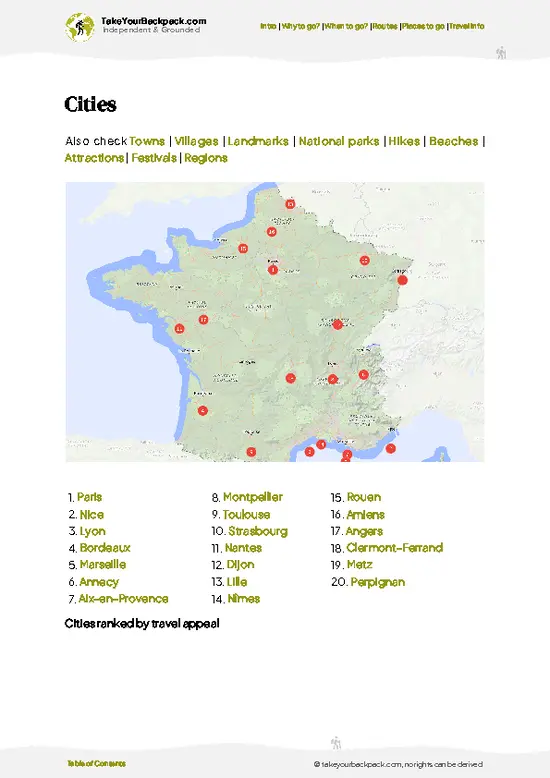
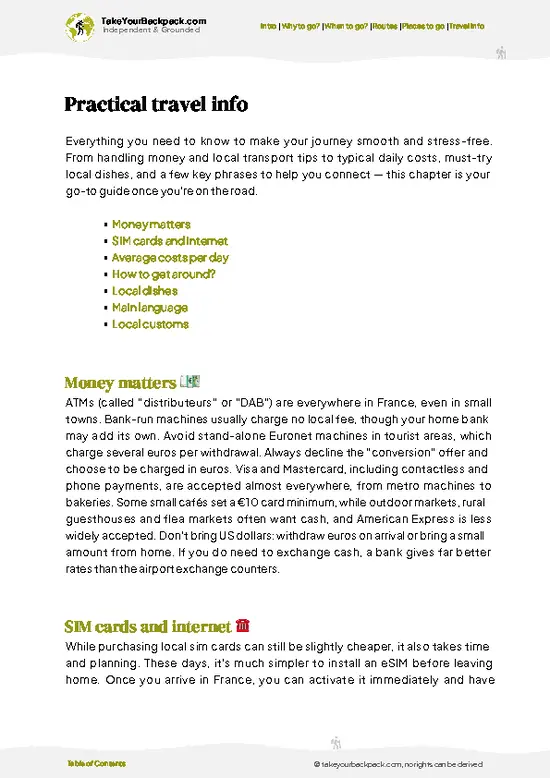
The Grand Staircase (Le Grand Escalier)
Forget the Instagram shots of empty marble—this place is rarely empty, and that’s exactly the point. The Grand Staircase is a living, breathing theater of people-watching. You’re not just looking at architecture; you’re witnessing Parisians and tourists alike playing dress-up in a space designed for spectacle. The marble, the bronze lamps, the echo of footsteps—this is where the real show begins, long before the curtain rises. If you want to feel the pulse of 19th-century Paris, stand here at intermission and let the crowd swirl around you.
The Auditorium (La Salle de Spectacle)
Yes, you’ve seen the red velvet seats and the horseshoe balconies online, but nothing prepares you for the sheer intimacy of the space. It’s not a cavernous modern hall; it’s … read more 👉
Forget the Instagram shots of empty marble—this place is rarely empty, and that’s exactly the point. The Grand Staircase is a living, breathing theater of people-watching. You’re not just looking at architecture; you’re witnessing Parisians and tourists alike playing dress-up in a space designed for spectacle. The marble, the bronze lamps, the echo of footsteps—this is where the real show begins, long before the curtain rises. If you want to feel the pulse of 19th-century Paris, stand here at intermission and let the crowd swirl around you.
The Auditorium (La Salle de Spectacle)
Yes, you’ve seen the red velvet seats and the horseshoe balconies online, but nothing prepares you for the sheer intimacy of the space. It’s not a cavernous modern hall; it’s … read more 👉
The Grand Staircase (Le Grand Escalier)
Forget the Instagram shots of empty marble—this place is rarely empty, and that’s exactly the point. The Grand Staircase is a living, breathing theater of people-watching. You’re not just looking at architecture; you’re witnessing Parisians and tourists alike playing dress-up in a space designed for spectacle. The marble, the bronze lamps, the echo of footsteps—this is where the real show begins, long before the curtain rises. If you want to feel the pulse of 19th-century Paris, stand here at intermission and let the crowd swirl around you.
The Auditorium (La Salle de Spectacle)
Yes, you’ve seen the red velvet seats and the horseshoe balconies online, but nothing prepares you for the sheer intimacy of the space. It’s not a cavernous modern hall; it’s a jewel box, designed to make every seat feel close to the stage. The Marc Chagall ceiling is divisive—some purists grumble, but I love the way it throws a surreal, dreamlike energy over the gold and crimson. If you can, catch a performance. The acoustics are so sharp you’ll hear the rustle of a program three rows away.
The Phantom’s Box (Loge 5)
This is the only spot in Paris where you can lean into the legend of Gaston Leroux’s Phantom and actually feel a chill. The box itself is unremarkable—unless you know the story. The Opera keeps it reserved, a sly wink to the mythos. If you’re a fan of the novel or musical, this is the pilgrimage spot. Snap a photo, but don’t expect a ghost. The real magic is in the hush that falls when someone mentions the Phantom’s name.
The Grand Foyer
This is Versailles for opera lovers. The mirrors, chandeliers, and gold leaf are so over-the-top they border on parody, but somehow it works. The Grand Foyer is where you come to bask in the unapologetic excess of the Belle Époque. It’s not subtle, but it is spectacular. Stand at one end and look down the length of the room—the perspective is dizzying, and the light is pure gold at sunset.
The Library-Museum of the Opera (Bibliothèque-Musée de l’Opéra)
Most visitors skip this, which is a mistake. The library is a time capsule of opera history, with original scores, costumes, and set models. If you’re even remotely interested in the backstage world, this is where the real stories live. It’s quieter than the rest of the Palais, and you’ll likely have the place to yourself. My personal favorite—because nothing beats the feeling of stumbling onto a forgotten corner of a world-famous monument and realizing you’re the only one there.
The Rooftop Views
Not always open, but if you get the chance, go. The view over Paris is a reminder that the Palais Garnier isn’t just a monument—it’s a living part of the city. You’ll see the chaos of the boulevards, the symmetry of Haussmann’s Paris, and the Eiffel Tower in the distance. No filter needed.
Forget the Instagram shots of empty marble—this place is rarely empty, and that’s exactly the point. The Grand Staircase is a living, breathing theater of people-watching. You’re not just looking at architecture; you’re witnessing Parisians and tourists alike playing dress-up in a space designed for spectacle. The marble, the bronze lamps, the echo of footsteps—this is where the real show begins, long before the curtain rises. If you want to feel the pulse of 19th-century Paris, stand here at intermission and let the crowd swirl around you.
The Auditorium (La Salle de Spectacle)
Yes, you’ve seen the red velvet seats and the horseshoe balconies online, but nothing prepares you for the sheer intimacy of the space. It’s not a cavernous modern hall; it’s a jewel box, designed to make every seat feel close to the stage. The Marc Chagall ceiling is divisive—some purists grumble, but I love the way it throws a surreal, dreamlike energy over the gold and crimson. If you can, catch a performance. The acoustics are so sharp you’ll hear the rustle of a program three rows away.
The Phantom’s Box (Loge 5)
This is the only spot in Paris where you can lean into the legend of Gaston Leroux’s Phantom and actually feel a chill. The box itself is unremarkable—unless you know the story. The Opera keeps it reserved, a sly wink to the mythos. If you’re a fan of the novel or musical, this is the pilgrimage spot. Snap a photo, but don’t expect a ghost. The real magic is in the hush that falls when someone mentions the Phantom’s name.
The Grand Foyer
This is Versailles for opera lovers. The mirrors, chandeliers, and gold leaf are so over-the-top they border on parody, but somehow it works. The Grand Foyer is where you come to bask in the unapologetic excess of the Belle Époque. It’s not subtle, but it is spectacular. Stand at one end and look down the length of the room—the perspective is dizzying, and the light is pure gold at sunset.
The Library-Museum of the Opera (Bibliothèque-Musée de l’Opéra)
Most visitors skip this, which is a mistake. The library is a time capsule of opera history, with original scores, costumes, and set models. If you’re even remotely interested in the backstage world, this is where the real stories live. It’s quieter than the rest of the Palais, and you’ll likely have the place to yourself. My personal favorite—because nothing beats the feeling of stumbling onto a forgotten corner of a world-famous monument and realizing you’re the only one there.
The Rooftop Views
Not always open, but if you get the chance, go. The view over Paris is a reminder that the Palais Garnier isn’t just a monument—it’s a living part of the city. You’ll see the chaos of the boulevards, the symmetry of Haussmann’s Paris, and the Eiffel Tower in the distance. No filter needed.
Spotted a mistake or missing something? Contact us.

Paris Private Flexible Duration Guided Tour on a Vintage Sidecar

Sports, fun and educational discovery of Paris

Paris Vintage Private City Tour on a Sidecar Motorcycle

Paris by Night

Private Golf Cart Tour: Paris Landmarks & Hidden Gems

Private Paris Tour in a Classic 2CV

Area ,Opera, Jewellery,Fashion,Palais Royal walking tour

Paris Romantic & Private Tour By Night on a Sidecar Ural

Private 4 - Hour Paris Highlights Tour by Golf Cart Mini Moke

 Best Backpacking
.jpg) Hi, I’m Johan (Netherlands 🇳🇱), the creator of TakeYourBackpack. Over the past 3 decades, I’ve backpacked through 90+ countries across six continents, gaining extensive experience with independent travel, long-term trips, and overland routes.
Hi, I’m Johan (Netherlands 🇳🇱), the creator of TakeYourBackpack. Over the past 3 decades, I’ve backpacked through 90+ countries across six continents, gaining extensive experience with independent travel, long-term trips, and overland routes.