×

France🇫🇷 | best attractionsThe 10 Top attractions in France

France’s best attractions are a study in contrasts shaped by geography, history, and culture. From the urban pulse of Paris to the rugged coastlines of Brittany, each region offers distinct experiences that can either elevate or drain a backpacker’s journey. Understanding these differences is crucial for independent travelers who want more than just a postcard moment. The south’s Mediterranean climate invites outdoor adventures and vineyard tours, but summer crowds and higher prices demand strategic timing. Meanwhile, northern France’s quieter villages and World War II sites offer a slower pace and deeper immersion, often at a lower cost and with easier access by train. Choosing the right attraction here isn’t just about ticking off famous landmarks; it’s about matching your vibe, budget, and travel style to the local rhythm. This approach ensures your trip balances safety, cultural depth, and ease of travel, making your backpacking experience in France genuinely rewarding rather than just another tourist scramble.

By Johan Kruseman 🇳🇱 | Updated September 5, 2026
Explore the best festivals in France

Why go?What Makes Them Special

Why These Attractions Matter

France’s attractions stand apart because they are not just sights to see but chapters of a living story that spans millennia. The country’s dense layering of history—from Roman ruins to medieval fortresses, Renaissance art to revolutionary landmarks—creates a unique cultural fabric that few nations can rival. This depth means that visiting French attractions often demands more than a quick stop; it requires time to absorb the context, understand the significance, and appreciate the craftsmanship that shaped Europe’s identity. The trade-off here is clear: rushing through France’s attractions risks reducing them to mere photo ops, while investing time unlocks a richer, more meaningful experience.

Geographically, France’s diverse landscapes—from rugged coastlines and … read more 👉
Why These Attractions Matter

France’s attractions stand apart because they are not just sights to see but chapters of a living story that spans millennia. The country’s dense layering of history—from Roman ruins to medieval fortresses, Renaissance art to revolutionary landmarks—creates a unique cultural fabric that few nations can rival. This depth means that visiting French attractions often demands more than a quick stop; it requires time to absorb the context, understand the significance, and appreciate the craftsmanship that shaped Europe’s identity. The trade-off here is clear: rushing through France’s attractions risks reducing them to mere photo ops, while investing time unlocks a richer, more meaningful experience.

Geographically, France’s diverse landscapes—from rugged coastlines and alpine peaks to rolling vineyards and urban centers—offer a variety of settings for its attractions. This variety enhances the appeal but also introduces logistical challenges. Travelers must weigh the convenience of well-connected cities against the immersive rewards of venturing into rural or mountainous areas where infrastructure is less developed but the cultural authenticity is stronger. Accessibility is often excellent in major hubs, but the most soul-stirring sites may require longer travel times and more effort.

Climatically, France’s temperate seasons influence when and how attractions can be best enjoyed. Peak tourist seasons bring crowds that can dilute the experience, while off-peak visits might mean limited services or weather constraints. This seasonal rhythm demands strategic planning to balance comfort, crowd avoidance, and the desire for immersive exploration.

Ultimately, France’s attractions matter because they offer a rare combination of historical gravity, artistic achievement, and geographic diversity. Yet, this richness comes with the need for thoughtful prioritization. Travelers must accept that fully engaging with France’s cultural wealth often means sacrificing convenience and speed for depth and authenticity. This is the essential trade-off that defines the value of exploring France’s best attractions.
Our Approach to Ranking
The list of best attractions in France is created based on cultural significance or entertainment value. If you feel a attraction is missing in this list, please let us know.

When to go?Optimal Periods for Travel

Seasonal Patterns Shape the Experience

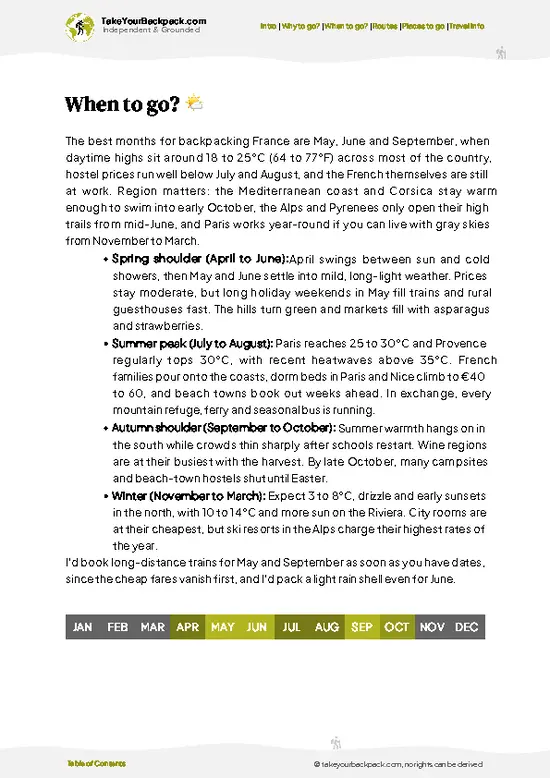
France’s attractions don’t exist in a vacuum—they’re deeply tied to the rhythm of the seasons. The country swings between cold, wet winters and warm, dry summers, with spring and autumn acting as transitional phases that can either make or break your visit depending on what you want to see and do.

Summer: Peak Crowds, Peak Heat

Summer is the obvious choice for many, but it’s a double-edged sword. The weather is reliably warm and mostly dry, perfect for outdoor attractions and long days. However, this is when the crowds hit critical mass, especially at popular spots. Prices spike, lines lengthen, and the charm of quiet exploration often evaporates. If you thrive on energy and buzz, summer is your season. If you want space to breathe, think twice. … read more 👉

Seasonal Patterns Shape the Experience

France’s attractions don’t exist in a vacuum—they’re deeply tied to the rhythm of the seasons. The country swings between cold, wet winters and warm, dry summers, with spring and autumn acting as transitional phases that can either make or break your visit depending on what you want to see and do.

Summer: Peak Crowds, Peak Heat

Summer is the obvious choice for many, but it’s a double-edged sword. The weather is reliably warm and mostly dry, perfect for outdoor attractions and long days. However, this is when the crowds hit critical mass, especially at popular spots. Prices spike, lines lengthen, and the charm of quiet exploration often evaporates. If you thrive on energy and buzz, summer is your season. If you want space to breathe, think twice.

Spring and Autumn: The Sweet Spot

These shoulder seasons are where savvy travelers find their edge. Spring brings blooming landscapes and milder weather, though occasional rain can dampen plans. Autumn offers crisp air and a palette of changing leaves, adding a different kind of visual drama. Both seasons see fewer tourists, which means better access and often lower prices. The trade-off is less predictable weather and shorter daylight hours, so flexibility is key.

Winter: Quiet but Constrained

Winter is the least forgiving for most attractions. Cold temperatures and shorter days limit outdoor activities, and many seasonal sites close or operate on reduced hours. On the plus side, you’ll encounter almost no crowds and can experience a different, more introspective side of France. If your focus is on indoor cultural attractions, winter can work, but for anything outdoors, it’s a compromise.

Balancing Act

Choosing when to visit France means balancing weather, crowd levels, and cost. Summer delivers reliable warmth but at a premium and with throngs of visitors. Shoulder seasons offer a more nuanced experience—less predictable but often more rewarding. Winter demands sacrifice but rewards solitude. Understanding these patterns helps cut through the noise and zero in on the timing that matches your priorities.

attraction hoppingOptimizing Your Multi-Stop Itinerary

Strategic Routing: Cluster Regions, Avoid Zigzags

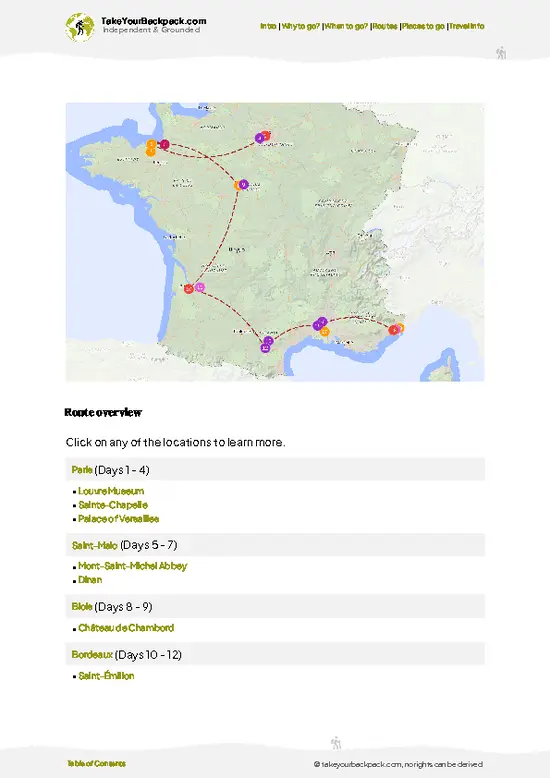
France’s charm is spread across distinct regions, each demanding time to savor. The key is to group attractions geographically—don’t bounce between Paris and the Riviera multiple times. Start with a logical flow: Paris and Île-de-France first, then move outward to Normandy or the Loire Valley, before heading south to Provence and the Côte d’Azur. This minimizes wasted travel hours and lets you dive deeper into each area’s character.

Time Investment: Quality Over Quantity

Expect to spend at least two full days in major urban centers like Paris or Lyon to absorb their layers of history, cuisine, and culture. Smaller towns or wine regions can be done in a day, but rushing through multiple stops in a single day kills the experience. Museums, … read more 👉

Strategic Routing: Cluster Regions, Avoid Zigzags

France’s charm is spread across distinct regions, each demanding time to savor. The key is to group attractions geographically—don’t bounce between Paris and the Riviera multiple times. Start with a logical flow: Paris and Île-de-France first, then move outward to Normandy or the Loire Valley, before heading south to Provence and the Côte d’Azur. This minimizes wasted travel hours and lets you dive deeper into each area’s character.

Time Investment: Quality Over Quantity

Expect to spend at least two full days in major urban centers like Paris or Lyon to absorb their layers of history, cuisine, and culture. Smaller towns or wine regions can be done in a day, but rushing through multiple stops in a single day kills the experience. Museums, châteaux, and vineyards each demand their own pace—plan realistically to avoid burnout.

Common Pitfalls: Overpacking and Underestimating

Trying to cram every “must-see” into a single trip leads to exhaustion and superficial visits. The temptation to tick off iconic spots often results in long transit times and missed opportunities for genuine engagement. Another frequent mistake is ignoring travel time between regions, especially when relying on slower trains or regional buses.

Trade-offs: Depth vs. Breadth, Comfort vs. Cost

Speeding through France’s highlights might save days but sacrifices the soul of each place. Conversely, lingering too long in one spot can mean missing out elsewhere. Budget travelers often face the choice between cheaper, slower transport and the comfort of faster trains or rental cars. Each choice shapes the trip’s rhythm and energy.

Flexibility and Realistic Pacing

Build buffer days or half-days to accommodate unexpected discoveries or rest. French towns and landscapes reward slow exploration—forcing a rigid schedule often backfires. Strategic planning means knowing when to push forward and when to pause, balancing ambition with the simple joy of being present.

The ListMust-Visit attractions in France

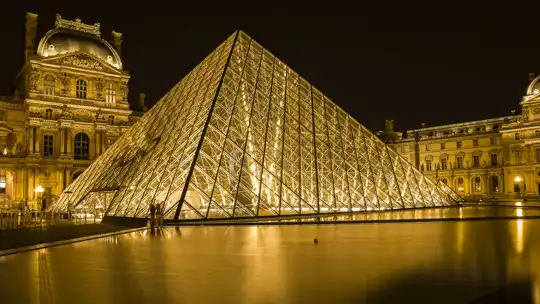
1 Louvre Museum

glass pyramid, world art collections, grand galleries, iconic masterpieces

Move through vast halls housing works from ancient civilizations to 19th-century Europe, with highlights that draw global crowds.

France - the Louvre Museum

2 Palace of Versailles

Hall of Mirrors, formal gardens, royal apartments, ornamental fountains

Wander through ceremonial rooms and manicured grounds that reveal the scale and ritual of French court life.

france-attraction-palace-of-versailles
© Google |

3 Mont-Saint-Michel Abbey

tidal island, Gothic abbey, winding steps, panoramic bay

Climb steep lanes to reach monastic chambers and terraces overlooking shifting sands and the changing tides of the Normandy coast.

france-attraction-mont-saint-michel-abbey
© Google |

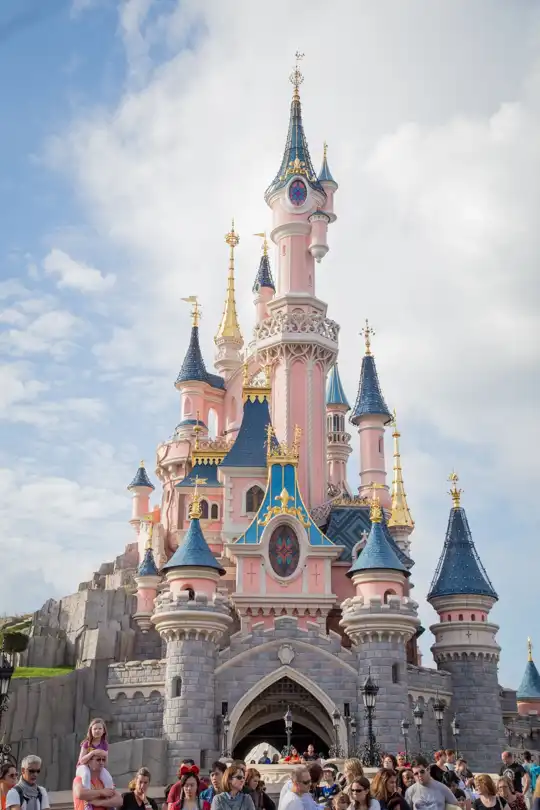
4 Disneyland Paris

theme park, fairy-tale castles, costumed characters, thrill rides

Experience immersive lands, meet iconic figures, and navigate attractions designed for families and fans of animated worlds.

France - Disneyland Paris

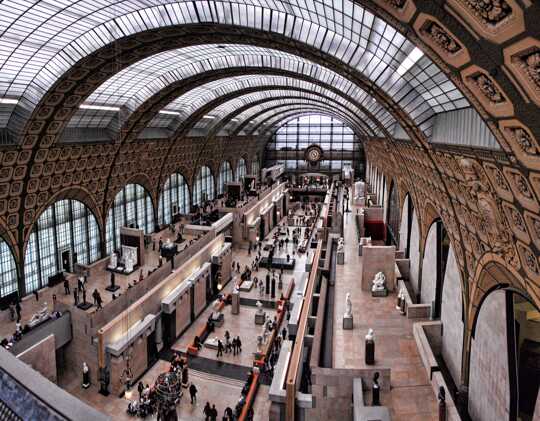
5 Musée d’Orsay

Beaux-Arts station, Impressionist paintings, grand clock, riverfront setting

Survey 19th-century art in a former railway terminal, with natural light illuminating canvases and sculpture from a pivotal era.

France - Musée d’Orsay

6 Sainte-Chapelle

stained glass windows, Gothic spire, vaulted ceiling, island chapel

Stand beneath soaring glass panels that filter colored light into a compact sanctuary built for royal worship.

france-attraction-sainte-chapelle
© Google |

7 Cité de Carcassonne

medieval ramparts, fortified gates, stone towers, narrow alleys

Walk through double walls and winding passages, discovering a preserved fortress town shaped by centuries of sieges and daily medieval life.

france-attraction-cite-de-carcassonne v1
© Google |

8 Panthéon

neoclassical dome, crypt, Foucault pendulum, national mausoleum

Descend to the tombs of notable figures and ascend for city views, all within a monument dedicated to French civic memory.

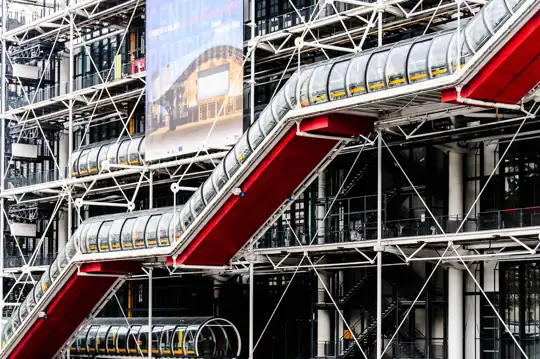
9 Centre Pompidou

exposed structure, modern art, rooftop views, urban plaza

Navigate a building where escalators cross the façade, galleries showcase contemporary works, and city panoramas reward those who reach the top.

France - Centre Pompidou

10 Musée du quai Branly – Jacques Chirac

indigenous art, living wall, global artifacts, riverside building

Trace artistic traditions from Africa, Asia, Oceania, and the Americas in a museum designed for cross-cultural encounters.

france-attraction-musee-du-quai-branly-jacques-chirac
© Google |

11 Musée de l’Orangerie

water lily murals, natural light, compact galleries, Tuileries Garden

Absorb Monet’s panoramic works in oval rooms, then view modern collections in a quiet museum beside central Paris gardens.

france-attraction-musee-de-lorangerie
© Google |

12 Rodin Museum

sculpture gardens, artist’s studio, marble and bronze works, mansion setting

Stroll among outdoor and indoor displays of Rodin’s creations, with leafy grounds offering quiet spots for reflection.

13 Palais Garnier

opera house, marble staircase, gilded auditorium, ceiling fresco

Tour lavish interiors where ballet and opera unfold beneath chandeliers and painted ceilings in a landmark of Parisian performance.

France - Palais Garnier

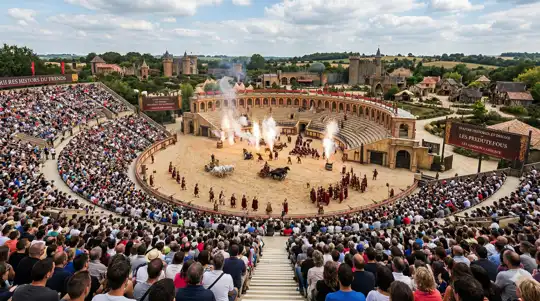
14 Puy du Fou

historical shows, open-air arenas, costumed performers, themed villages

Watch large-scale reenactments and walk through immersive settings that reconstruct eras from Roman Gaul to the 20th century.

France - Puy du Fou

15 MUCEM

Mediterranean cultures, lattice façade, harbor views, bridge access

Cross a footbridge to explore exhibitions connecting civilizations, with outdoor terraces offering perspectives on Marseille’s port.

16 Cité des Sciences et de l’Industrie

interactive exhibits, planetarium, science park, hands-on learning

Engage with tactile displays, immersive installations, and outdoor experiments designed for curious minds of all ages.

17 La Villette

urban park, music venues, open lawns, cultural pavilions

Relax on grassy expanses, attend concerts, and explore diverse spaces blending recreation, architecture, and public art.

18 Comédie-Française

classical theater, repertory troupe, ornate auditorium, French drama

Attend a performance in a historic venue where tradition, language, and stagecraft define the experience for theater enthusiasts.

France - Comédie-Française

Think you know France?

Prove you’re a true local — uncover 8 lesser-known attractions in France that locals tend to keep to themselves.
Loading the map 🌍

Expert viewTips and Advice from Travelers

Expert Commentary


France is a country that demands selective attention. You can’t—and shouldn’t—try to cram every attraction into your trip. The truth is, the best experiences come from focusing on a handful of spots that resonate deeply, rather than ticking off a laundry list of tourist checkboxes. I recommend aiming for no more than five to seven major attractions if you want to savor each one without feeling like you’re sprinting through a museum or monument marathon. This range balances immersion with variety, letting you dig into the local culture and atmosphere instead of skimming the surface.

Budget and time are your biggest constraints here. France’s attractions vary wildly in cost and effort. Some require a hefty entrance fee or guided tour, while others are free but demand a full … read more 👉

Expert Commentary


France is a country that demands selective attention. You can’t—and shouldn’t—try to cram every attraction into your trip. The truth is, the best experiences come from focusing on a handful of spots that resonate deeply, rather than ticking off a laundry list of tourist checkboxes. I recommend aiming for no more than five to seven major attractions if you want to savor each one without feeling like you’re sprinting through a museum or monument marathon. This range balances immersion with variety, letting you dig into the local culture and atmosphere instead of skimming the surface.

Budget and time are your biggest constraints here. France’s attractions vary wildly in cost and effort. Some require a hefty entrance fee or guided tour, while others are free but demand a full day of travel or hiking. Factor in transportation—regional trains and buses can be efficient but aren’t always frequent or punctual outside major hubs. Renting a car gives freedom but adds parking headaches and fuel costs, especially in rural areas. If you’re on a tighter budget or limited time, prioritize attractions that cluster geographically to minimize transit time and expense. Otherwise, you’ll spend more hours on the road than soaking in the experience.

Regional variation is key. Northern and central France offer dense concentrations of cultural landmarks and museums, often with excellent infrastructure for tourists. But these spots can feel crowded and commercialized, especially in peak seasons. Southern and western regions trade off some accessibility for rawer, less polished encounters with French life—vineyards, medieval villages, and coastal landscapes that reward patience and a willingness to slow down. If you want to avoid the tourist crush, lean into these areas, but be prepared for fewer English speakers and less predictable public transport. That’s part of the charm, but it requires a bit more planning and flexibility.

Safety is generally not a major concern in France’s main tourist areas, but petty theft and pickpocketing are common in crowded spots. Keep your valuables close and stay alert, especially in busy markets or transit hubs. Cultural respect goes a long way here. The French appreciate when visitors make an effort to speak a few words of French and observe local customs, like greeting shopkeepers or dressing appropriately for religious sites. Ignoring these can sour interactions and limit your access to authentic experiences.

The trade-off between iconic and offbeat attractions is where your judgment really matters. The big-name sites often come with long lines, crowds, and inflated prices. They’re worth it if you’re passionate about history or art, but don’t expect a quiet, contemplative visit. On the flip side, lesser-known spots can offer a more intimate connection to French culture but might lack English signage or tourist amenities. I’ve found that mixing one or two headline attractions with a few under-the-radar experiences creates the richest itinerary. It’s about balance—don’t let the famous places overshadow the smaller ones that often reveal the country’s true character.

Time of year also influences what’s worth your effort. Summer brings festivals, open-air markets, and extended daylight, but also swarms of tourists and higher prices. Winter offers a quieter, more local vibe but shorter days and some closures. Shoulder seasons—spring and fall—are often the sweet spot for visiting attractions with fewer crowds and better weather. Keep this in mind when planning your priorities; some sites are seasonal or have limited hours outside peak months.

One practical piece of advice: don’t underestimate the value of downtime between attractions. France’s charm often lies in the pauses—sitting at a café terrace, wandering a village street, or watching the light shift over a vineyard. If you cram too many attractions into your schedule, you’ll miss these moments that truly connect you to the place. Quality over quantity applies not just to sites but to your overall pace.

In terms of effort, some attractions demand physical stamina—steep climbs, long walks, or uneven terrain. Others are more accessible but require mental energy to appreciate fully, like dense museums or historical sites with complex backstories. Match your itinerary to your energy levels and interests. It’s better to fully enjoy a few places than to be exhausted and checked out by the third stop.

Finally, remember that the “best” attractions in France are not just about what you see but how you experience them. The country’s infrastructure supports a wide range of travelers, but the real reward comes from engaging with the local rhythm, whether that’s through a conversation with a shopkeeper, a meal at a family-run bistro, or simply lingering in a quiet square. Prioritize attractions that offer this kind of connection over those that feel like sterile photo ops.

In short, be ruthless in cutting down your list. Pick a handful of attractions that align with your interests, budget, and travel style. Factor in regional differences and seasonal shifts. Respect local customs and safety norms. And above all, leave room for the unexpected moments that make a trip to France more than just a checklist—it becomes a story you’ll want to tell again and again.

✈️ The backpacker research shortcutFrance Travel Guide

An offline-friendly backpacking guide with optimized travel routes, ranked highlights, transport advice, and the best areas to stay.
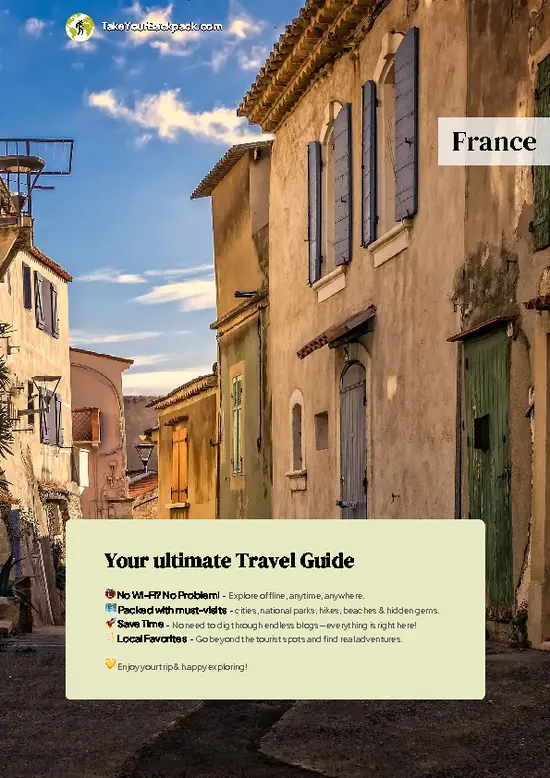
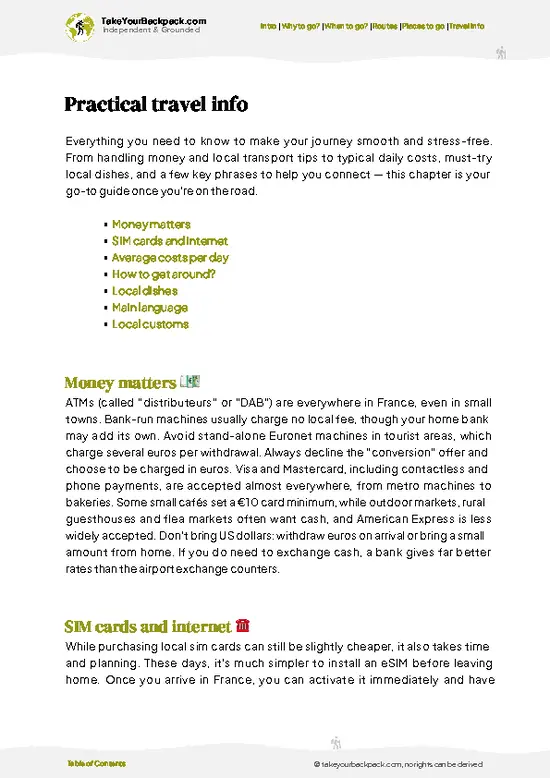
example page 0 from our offline Travel Guide for France
example page 1 from our offline Travel Guide for France
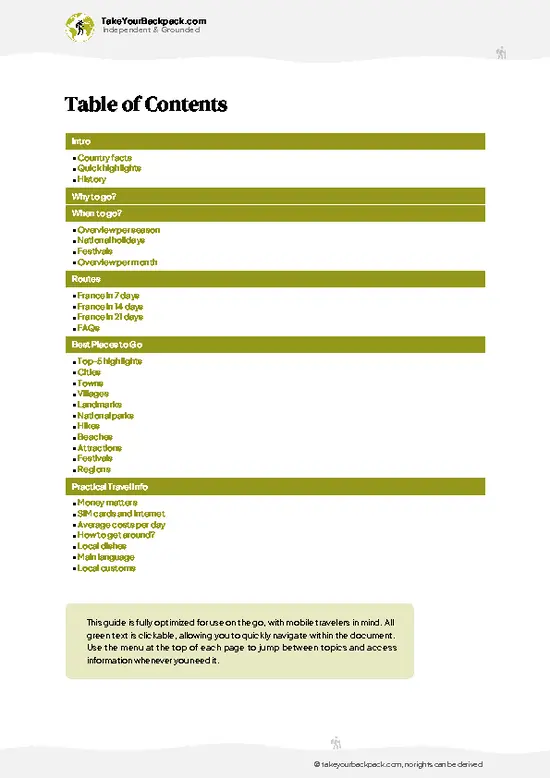
example page 2 from our offline Travel Guide for France
example page 3 from our offline Travel Guide for France
example page 4 from our offline Travel Guide for France
example page 5 from our offline Travel Guide for France
example page 6 from our offline Travel Guide for France
example page 7 from our offline Travel Guide for France
The digital guide (461 pages) contains:
142 highlights, ranked by travel appeal
Optimized 7, 14 & 21-day travel routes
Cities, national parks, landmarks, beaches
How to get around
Offline-friendly for travel without Wi-Fi
👉 Click to see all 30+ guide features

📅 Plan smarter in minutes, not weeks
Month by month travel advice
Festivals & national holidays
Budget expectations

🗺️ Go to the right places, skip the overrated ones
Honest pros & cons of destinations
Top hikes, parks & viewpoints
Lesser-known places most travelers miss
Clear “worth it vs skip it” guidance

🛏️ Travel smoothly without rookie mistakes
Best areas to stay
Transport systems explained simply
Common scams & safety advice
SIM cards, money & practical tips

🌍 Understand the country, not just visit it
Culture & traditions
52 Essential phrases & customs
Festivals worth planning around
Traveler-friendly historical context
Insights that make places more meaningful

📱 Built for real travel conditions
Fully downloadable PDF
Works completely offline
Optimized for phone use
Useful in remote areas & buses
Everything in one place
Save weeks of stressful planning
Get instant access to your full guide. 30‑day money-back guarantee.
+ Add another guide for just US$7.80

By proceeding you agree to our terms.
Sent to your inbox immediately after payment • 100% Secure Checkout
Best Backpacking Travel Advisor 2025 tourism awardBest Backpacking
Travel Advisor
2025
What others say about Take Your Backpack Guides:
⭐⭐⭐⭐⭐
Fantastic, amazing amount of information!
⭐⭐⭐⭐⭐
My goodness this is amazing, it's what I've been looking for hats off too you!
⭐⭐⭐⭐⭐
I think this is absolutely BRILLIANT
⭐⭐⭐⭐
Very complete and informative. It's still missing places, but I gotta to commend you
⭐⭐⭐⭐⭐
This is truly amazing, thank you, can't wait to explore it with my kids!
⭐⭐⭐⭐⭐
Awesome resource, thank you!
⭐⭐⭐⭐⭐
This is amazing! Can't wait to explore the ones I haven't seen
⭐⭐⭐⭐
I love this! Well done, great idea.
⭐⭐⭐⭐⭐
Thanks for taking the time to make this gem!
⭐⭐⭐⭐⭐
This might be the best website I've ever seen.
⭐⭐⭐⭐⭐
Congratulations, and thank you so much for your work; it's incredibly valuable.
⭐⭐⭐⭐
In all seriousness I think you did a great job pointing out the important spots
⭐⭐⭐⭐⭐
10/10 very good
⭐⭐⭐⭐⭐
As someone who's only just starting to visit regularly this is awesome, thank you.
⭐⭐⭐⭐
Thank you very much! I'm going to visit my dad, it's going to be very useful!
⭐⭐⭐⭐⭐
This is really cool! We'll be travelling for the first time and this definitely come in handy.
⭐⭐⭐⭐⭐
You are now our minister of culture, congratulations 👨‍💼
⭐⭐⭐⭐⭐
Just wanted to tell you that this is a pearl! Going to follow your recommendations.
⭐⭐⭐⭐⭐
This is so cool. I'll definitely be using the resource for my travels soon.
⭐⭐⭐⭐⭐
This is very impressive! Good work.
⭐⭐⭐⭐⭐
This is an amazing and informative site. Very well done!

🛏️ Where to stay?Accommodation Highlights

Yes — hostels and budget accommodation are common across France, with the strongest concentrations in Paris (Latin Quarter and Montmartre), Lyon (Presqu’île and Croix-Rousse), Marseille (Old Port and Le Panier), Nice (Old Town/Promenade), and Bordeaux (historic center).

Paris areas offer excellent transport and immediate access to landmarks but come with higher prices and street noise; Montmartre is touristy and hilly while the Latin Quarter is lively with nightlife but crowded and pickpocket-prone; Lyon’s Presqu’île is central for restaurants and transit but busy and more expensive than peripheral neighborhoods while Croix-Rousse is bohemian and calmer at night but hillier; Marseille’s Old … read more 👉
Yes — hostels and budget accommodation are common across France, with the strongest concentrations in Paris (Latin Quarter and Montmartre), Lyon (Presqu’île and Croix-Rousse), Marseille (Old Port and Le Panier), Nice (Old Town/Promenade), and Bordeaux (historic center).

Paris areas offer excellent transport and immediate access to landmarks but come with higher prices and street noise; Montmartre is touristy and hilly while the Latin Quarter is lively with nightlife but crowded and pickpocket-prone; Lyon’s Presqu’île is central for restaurants and transit but busy and more expensive than peripheral neighborhoods while Croix-Rousse is bohemian and calmer at night but hillier; Marseille’s Old Port offers ferries and nightlife but has nearby rough pockets and Le Panier is scenic yet warrants awareness of petty crime; Nice’s Old Town sits steps from the beach and bars, packed in summer but generally safe; Bordeaux’s historic center is walkable with wine bars and quieter nights, though hostel options are scarcer so book ahead.

If you enjoy meeting fellow travelers, consider choosing hostels with high ratings for atmosphere. On the other hand, if you prefer having your own space, a hotel might be a better option.

FranceSee More of France

👋 Meet the founderWho’s Behind Take Your Backpack?

Johan, backpacker and founder of TakeYourBackpackHi, I’m Johan (Netherlands 🇳🇱), the creator of TakeYourBackpack. Over the past decade, I’ve backpacked through 80+ countries across six continents, gaining extensive experience with independent travel, long-term trips, and overland routes.

This site is built on a combination of firsthand travel experience and carefully curated insights from other backpackers. Many guides are based on places I’ve personally visited, while others bring together tips, observations, and practical advice shared by trusted travelers I’ve met along the way.

The goal is to provide realistic, experience-driven guidance — not generic itineraries — so you can explore destinations with better context, clearer expectations, and more confidence.

Get full France guide •
Instant download • 142 highlights • Full Offline guide