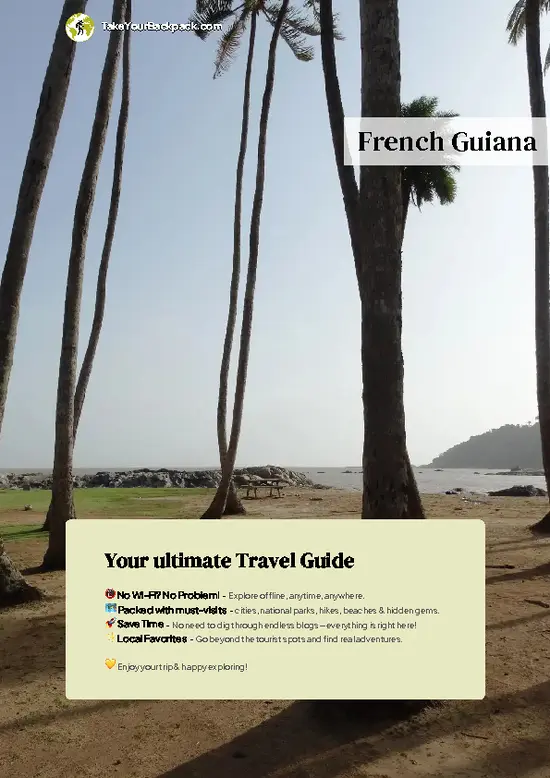
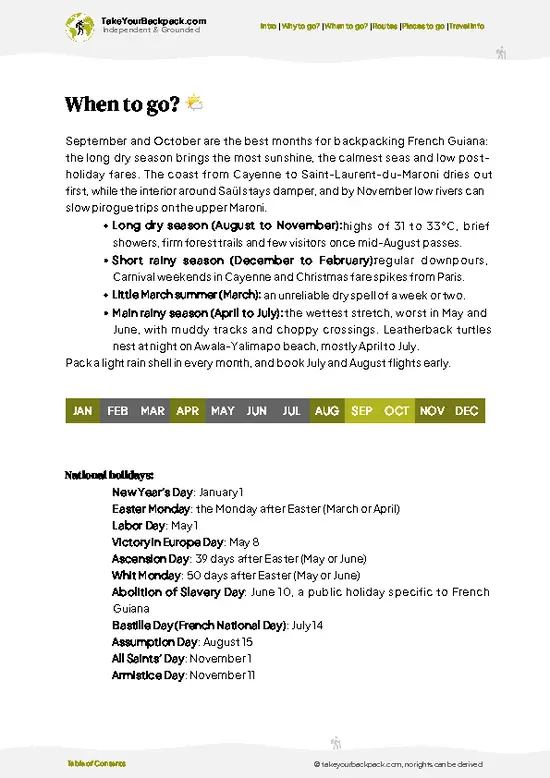
1. The Maroon and Amerindian Artifacts
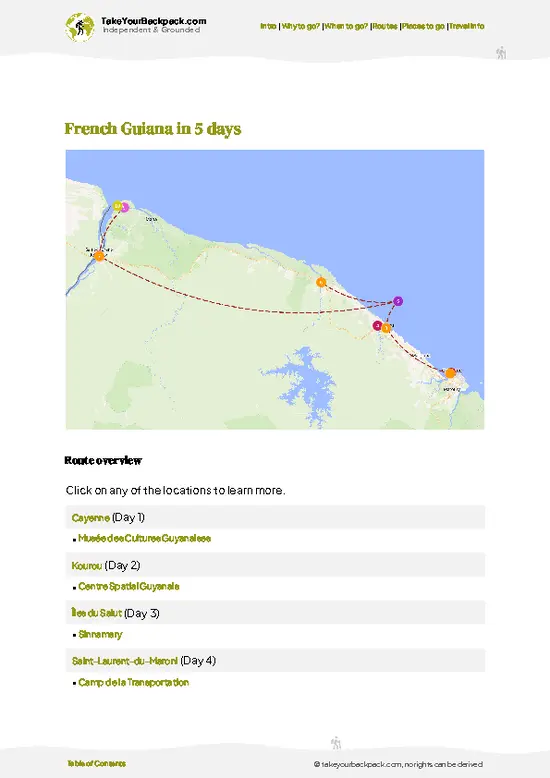
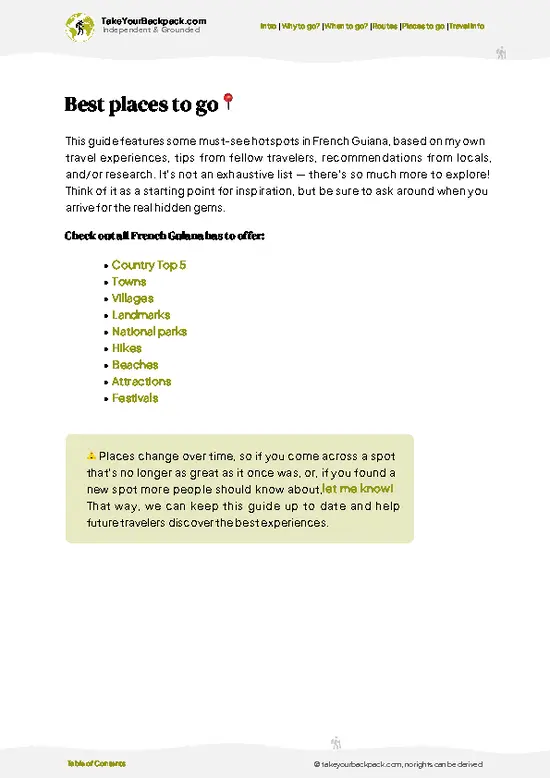
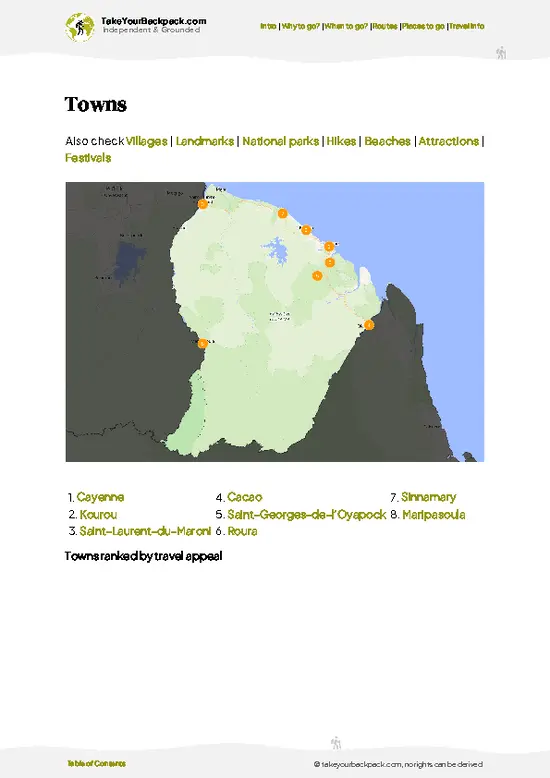
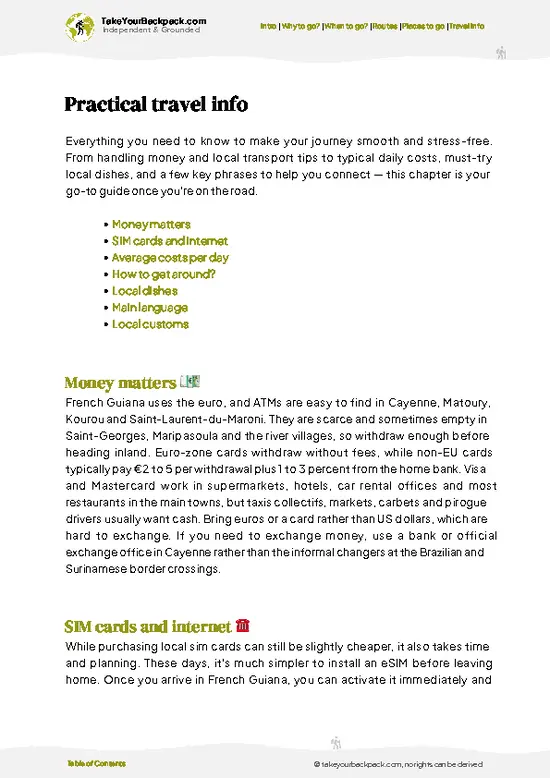
Forget the glass-case boredom of most ethnographic museums. Here, the Maroon and Amerindian collections are the real deal: hand-carved paddles, ceremonial masks, and everyday tools that still smell faintly of river and smoke. These aren’t just relics—they’re living proof of cultures that outfoxed colonial powers and jungle alike. You’ll see the scars of survival and the pride of resistance in every object. If you want to understand French Guiana beyond the tourist gloss, start here.
2. The Creole House Reconstruction
Instagram loves a pastel façade, but the museum’s reconstructed Creole house is more than a photo op. Step inside and you’re hit with the humid, lived-in reality of colonial-era Cayenne: wooden shutters, mosquito nets, and the kind of kitchen … read more 👉
Forget the glass-case boredom of most ethnographic museums. Here, the Maroon and Amerindian collections are the real deal: hand-carved paddles, ceremonial masks, and everyday tools that still smell faintly of river and smoke. These aren’t just relics—they’re living proof of cultures that outfoxed colonial powers and jungle alike. You’ll see the scars of survival and the pride of resistance in every object. If you want to understand French Guiana beyond the tourist gloss, start here.
2. The Creole House Reconstruction
Instagram loves a pastel façade, but the museum’s reconstructed Creole house is more than a photo op. Step inside and you’re hit with the humid, lived-in reality of colonial-era Cayenne: wooden shutters, mosquito nets, and the kind of kitchen … read more 👉
1. The Maroon and Amerindian Artifacts
Forget the glass-case boredom of most ethnographic museums. Here, the Maroon and Amerindian collections are the real deal: hand-carved paddles, ceremonial masks, and everyday tools that still smell faintly of river and smoke. These aren’t just relics—they’re living proof of cultures that outfoxed colonial powers and jungle alike. You’ll see the scars of survival and the pride of resistance in every object. If you want to understand French Guiana beyond the tourist gloss, start here.
2. The Creole House Reconstruction
Instagram loves a pastel façade, but the museum’s reconstructed Creole house is more than a photo op. Step inside and you’re hit with the humid, lived-in reality of colonial-era Cayenne: wooden shutters, mosquito nets, and the kind of kitchen where every meal was a negotiation with the tropics. It’s not staged nostalgia—it’s a crash course in adaptation, ingenuity, and the daily grind of life on the edge of the Amazon.
3. The Slavery and Emancipation Exhibits
This isn’t a sanitized history lesson. The museum tackles the brutality of slavery head-on, with shackles, plantation records, and personal stories that cut through the usual platitudes. It’s uncomfortable, and it should be. But it’s also a rare chance to see how Guianese identity was forged in fire—and how echoes of that past still shape the present. If you want to skip the hard stuff, this isn’t your museum.
4. Carnival Costumes and Ritual Objects
French Guiana’s carnival is wild, loud, and defiantly local—nothing like the sanitized parades you’ll find elsewhere. The museum’s collection of costumes and ritual objects is a riot of feathers, sequins, and sly political commentary. You’ll get the backstory on the Touloulous (masked women who rule the dance floor) and the satirical floats that lampoon authority. It’s a backstage pass to the country’s most subversive party.
5. The Rotating Contemporary Exhibits
Don’t expect dusty dioramas. The museum regularly hosts contemporary artists and community projects that riff on Guianese identity, migration, and the collision of old and new. One month you might find a photography show on urban street life; another, a deep dive into rainforest shamanism. It’s unpredictable, sometimes raw, and always plugged into the real conversations happening outside the museum walls.
6. The Courtyard and Garden
Here’s the secret: the museum’s courtyard is a microcosm of Guiana itself. Mango trees, medicinal plants, and the kind of shade that feels like a blessing after a morning in Cayenne’s heat. Locals actually use this space—to chat, to nap, to plot the next carnival float. It’s not a manicured park; it’s a living, breathing slice of the city, and the perfect place to let everything you’ve just seen sink in.
Forget the glass-case boredom of most ethnographic museums. Here, the Maroon and Amerindian collections are the real deal: hand-carved paddles, ceremonial masks, and everyday tools that still smell faintly of river and smoke. These aren’t just relics—they’re living proof of cultures that outfoxed colonial powers and jungle alike. You’ll see the scars of survival and the pride of resistance in every object. If you want to understand French Guiana beyond the tourist gloss, start here.
2. The Creole House Reconstruction
Instagram loves a pastel façade, but the museum’s reconstructed Creole house is more than a photo op. Step inside and you’re hit with the humid, lived-in reality of colonial-era Cayenne: wooden shutters, mosquito nets, and the kind of kitchen where every meal was a negotiation with the tropics. It’s not staged nostalgia—it’s a crash course in adaptation, ingenuity, and the daily grind of life on the edge of the Amazon.
3. The Slavery and Emancipation Exhibits
This isn’t a sanitized history lesson. The museum tackles the brutality of slavery head-on, with shackles, plantation records, and personal stories that cut through the usual platitudes. It’s uncomfortable, and it should be. But it’s also a rare chance to see how Guianese identity was forged in fire—and how echoes of that past still shape the present. If you want to skip the hard stuff, this isn’t your museum.
4. Carnival Costumes and Ritual Objects
French Guiana’s carnival is wild, loud, and defiantly local—nothing like the sanitized parades you’ll find elsewhere. The museum’s collection of costumes and ritual objects is a riot of feathers, sequins, and sly political commentary. You’ll get the backstory on the Touloulous (masked women who rule the dance floor) and the satirical floats that lampoon authority. It’s a backstage pass to the country’s most subversive party.
5. The Rotating Contemporary Exhibits
Don’t expect dusty dioramas. The museum regularly hosts contemporary artists and community projects that riff on Guianese identity, migration, and the collision of old and new. One month you might find a photography show on urban street life; another, a deep dive into rainforest shamanism. It’s unpredictable, sometimes raw, and always plugged into the real conversations happening outside the museum walls.
6. The Courtyard and Garden
Here’s the secret: the museum’s courtyard is a microcosm of Guiana itself. Mango trees, medicinal plants, and the kind of shade that feels like a blessing after a morning in Cayenne’s heat. Locals actually use this space—to chat, to nap, to plot the next carnival float. It’s not a manicured park; it’s a living, breathing slice of the city, and the perfect place to let everything you’ve just seen sink in.
Spotted a mistake or missing something? Contact us.
v2.webp)

Best Backpacking
Hi, I’m Johan (Netherlands 🇳🇱), the creator of TakeYourBackpack. Over the past decade, I’ve backpacked through 80+ countries across six continents, gaining extensive experience with independent travel, long-term trips, and overland routes.