v2.webp)


1. Djembe Drumming Circles
Forget the sanitized “cultural show” you’ve seen at resorts. In Sanyang, the djembe isn’t a prop—it’s a pulse. You’ll feel the ground vibrate as local masters hammer out rhythms that have been passed down for generations. This isn’t background music; it’s a full-body experience. If you’re lucky (or brave), you’ll get pulled into the circle. Don’t worry about your lack of rhythm—here, enthusiasm trumps skill, and the locals will cheer you on like you’re family.
2. Traditional Mandinka Dance
This isn’t a rehearsed, Instagram-friendly routine. The Mandinka dancers in Sanyang move with a raw, athletic energy that’s impossible to fake. Costumes are hand-stitched, faces are painted, and every stomp kicks up a cloud of dust. The choreography tells stories—of harvest, of … read more 👉
Forget the sanitized “cultural show” you’ve seen at resorts. In Sanyang, the djembe isn’t a prop—it’s a pulse. You’ll feel the ground vibrate as local masters hammer out rhythms that have been passed down for generations. This isn’t background music; it’s a full-body experience. If you’re lucky (or brave), you’ll get pulled into the circle. Don’t worry about your lack of rhythm—here, enthusiasm trumps skill, and the locals will cheer you on like you’re family.
2. Traditional Mandinka Dance
This isn’t a rehearsed, Instagram-friendly routine. The Mandinka dancers in Sanyang move with a raw, athletic energy that’s impossible to fake. Costumes are hand-stitched, faces are painted, and every stomp kicks up a cloud of dust. The choreography tells stories—of harvest, of … read more 👉
1. Djembe Drumming Circles
Forget the sanitized “cultural show” you’ve seen at resorts. In Sanyang, the djembe isn’t a prop—it’s a pulse. You’ll feel the ground vibrate as local masters hammer out rhythms that have been passed down for generations. This isn’t background music; it’s a full-body experience. If you’re lucky (or brave), you’ll get pulled into the circle. Don’t worry about your lack of rhythm—here, enthusiasm trumps skill, and the locals will cheer you on like you’re family.
2. Traditional Mandinka Dance
This isn’t a rehearsed, Instagram-friendly routine. The Mandinka dancers in Sanyang move with a raw, athletic energy that’s impossible to fake. Costumes are hand-stitched, faces are painted, and every stomp kicks up a cloud of dust. The choreography tells stories—of harvest, of courtship, of mischief—that you won’t find in any guidebook. You’ll see kids, elders, and everyone in between, all moving in sync, all in on the joke. It’s communal, chaotic, and absolutely electric.
3. Kora Storytelling Sessions
The kora—a 21-stringed harp-lute—sounds like sunlight filtered through palm leaves. But in Sanyang, it’s more than music. It’s a living archive. Griots (traditional storytellers) use the kora to weave tales of local heroes, ancient migrations, and sly village gossip. You’ll hear laughter, gasps, and the kind of silence that means everyone’s hanging on every word. This isn’t a performance for tourists; it’s the village’s living room, and you’re invited in.
4. Wrestling Demonstrations
Wrestling in The Gambia isn’t just sport—it’s theater, ritual, and bragging rights rolled into one. In Sanyang, the matches are loud, sweaty, and fiercely competitive. Expect drumming, singing, and a crowd that’s deeply invested in every move. The wrestlers are local legends, and the pre-match rituals—rubbing on amulets, mock taunts—are as much a part of the show as the grappling itself. If you want to see pride and tradition collide, this is it.
5. Beachside Fire Performances
Here’s the curveball: Sanyang’s cultural nights sometimes spill onto the sand, where fire dancers spin, toss, and swallow flames against the Atlantic backdrop. There’s no velvet rope, no stage lighting—just the hiss of the ocean, the crackle of fire, and the collective gasp of the crowd. It’s improvised, a little wild, and utterly unforgettable. This is the kind of spectacle that doesn’t need a filter or a hashtag; it’s pure, uncut adrenaline.
Sanyang Village Cultural Performances aren’t about curated perfection. They’re about sweat, laughter, and the kind of communal energy you can’t bottle or buy. You’ll pay a bit more than you would for a tourist-trap show in the city, and yes, you’ll be sharing the experience with other travelers. But the real magic? It’s in the moments that aren’t choreographed—the off-script jokes, the spontaneous dance-offs, the sense that, for a night, you’re not just watching The Gambia’s culture. You’re part of it.
Forget the sanitized “cultural show” you’ve seen at resorts. In Sanyang, the djembe isn’t a prop—it’s a pulse. You’ll feel the ground vibrate as local masters hammer out rhythms that have been passed down for generations. This isn’t background music; it’s a full-body experience. If you’re lucky (or brave), you’ll get pulled into the circle. Don’t worry about your lack of rhythm—here, enthusiasm trumps skill, and the locals will cheer you on like you’re family.
2. Traditional Mandinka Dance
This isn’t a rehearsed, Instagram-friendly routine. The Mandinka dancers in Sanyang move with a raw, athletic energy that’s impossible to fake. Costumes are hand-stitched, faces are painted, and every stomp kicks up a cloud of dust. The choreography tells stories—of harvest, of courtship, of mischief—that you won’t find in any guidebook. You’ll see kids, elders, and everyone in between, all moving in sync, all in on the joke. It’s communal, chaotic, and absolutely electric.
3. Kora Storytelling Sessions
The kora—a 21-stringed harp-lute—sounds like sunlight filtered through palm leaves. But in Sanyang, it’s more than music. It’s a living archive. Griots (traditional storytellers) use the kora to weave tales of local heroes, ancient migrations, and sly village gossip. You’ll hear laughter, gasps, and the kind of silence that means everyone’s hanging on every word. This isn’t a performance for tourists; it’s the village’s living room, and you’re invited in.
4. Wrestling Demonstrations
Wrestling in The Gambia isn’t just sport—it’s theater, ritual, and bragging rights rolled into one. In Sanyang, the matches are loud, sweaty, and fiercely competitive. Expect drumming, singing, and a crowd that’s deeply invested in every move. The wrestlers are local legends, and the pre-match rituals—rubbing on amulets, mock taunts—are as much a part of the show as the grappling itself. If you want to see pride and tradition collide, this is it.
5. Beachside Fire Performances
Here’s the curveball: Sanyang’s cultural nights sometimes spill onto the sand, where fire dancers spin, toss, and swallow flames against the Atlantic backdrop. There’s no velvet rope, no stage lighting—just the hiss of the ocean, the crackle of fire, and the collective gasp of the crowd. It’s improvised, a little wild, and utterly unforgettable. This is the kind of spectacle that doesn’t need a filter or a hashtag; it’s pure, uncut adrenaline.
Sanyang Village Cultural Performances aren’t about curated perfection. They’re about sweat, laughter, and the kind of communal energy you can’t bottle or buy. You’ll pay a bit more than you would for a tourist-trap show in the city, and yes, you’ll be sharing the experience with other travelers. But the real magic? It’s in the moments that aren’t choreographed—the off-script jokes, the spontaneous dance-offs, the sense that, for a night, you’re not just watching The Gambia’s culture. You’re part of it.
Spotted a mistake or missing something? Contact us.

Full-Day Safari in Senegal from Banjul

Genuine "4 Tours In 1 Day" (south of Gambia)

Gambia to Senegal Tour with Ferry Crossing and Safari Park

Banjul City Tour - Culture and history

See It All – Safari Tour

MAKASUTU - cultural forrest, Brikama

Full-Day Gambian Home Cooking Experience in Banjul

Roots River Cruise Explore Kunta Kinteh Island and Museum

South Gambia Tour - Fishing village and Paradise Beach


 Best Backpacking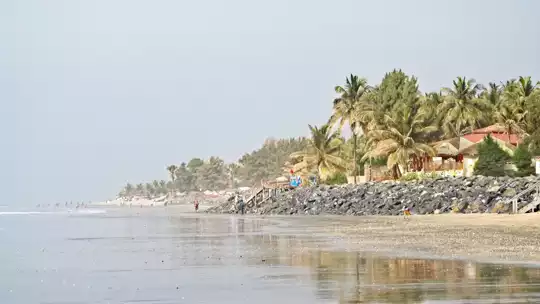
.jpg) Hi, I’m Johan (Netherlands 🇳🇱), the creator of TakeYourBackpack. Over the past 3 decades, I’ve backpacked through 90+ countries across six continents, gaining extensive experience with independent travel, long-term trips, and overland routes.
Hi, I’m Johan (Netherlands 🇳🇱), the creator of TakeYourBackpack. Over the past 3 decades, I’ve backpacked through 90+ countries across six continents, gaining extensive experience with independent travel, long-term trips, and overland routes.