v2.webp)
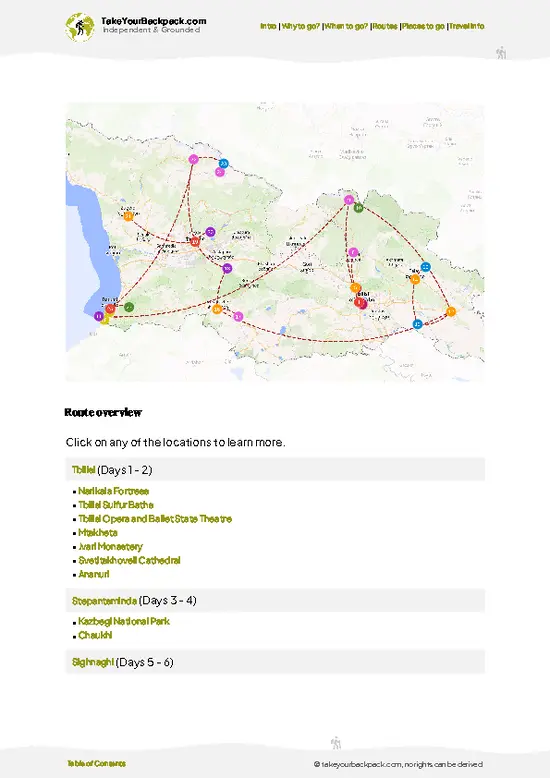
- Chiatura cable-car network (aerial ropeways) — The town’s iconic system of Soviet-era ropeways is still working in places; riding one is the quickest way to feel Chiatura’s vertical, industrial geography and get jaw-dropping views of the mines and the Kvirila gorge.
- Manganese mines and open shafts — The reason Chiatura exists: massive terraces, headframes and working pits. You can walk safe public vantage points to see active mining operations and the raw industrial landscape that shaped the town’s history.
- Chiatura Local History & Mining Museum — A small, focused museum with old photos, miners’ tools and local oral histories that explain how manganese extraction built the town and its rhythms; excellent if you want context before exploring.
- Central square and Soviet monuments — The town
- Chiatura cable-car network (aerial ropeways) — The town’s iconic system of Soviet-era ropeways is still working in places; riding one is the quickest way to feel Chiatura’s vertical, industrial geography and get jaw-dropping views of the mines and the Kvirila gorge.
- Manganese mines and open shafts — The reason Chiatura exists: massive terraces, headframes and working pits. You can walk safe public vantage points to see active mining operations and the raw industrial landscape that shaped the town’s history.
- Chiatura Local History & Mining Museum — A small, focused museum with old photos, miners’ tools and local oral histories that explain how manganese extraction built the town and its rhythms; excellent if you want context before exploring.
- Central square and Soviet monuments — The town center still carries Soviet-era public art and memorials; strolling here gives you a feel for Chiatura’s civic life and how the past deliberately shapes its present streetscape.
- Abandoned ropeway stations and industrial ruins — Crumbling stations, rusty stairways and empty control rooms make for potent, photogenic exploration; they’re scattered around town and tell a lot about changing technology and population decline.
- Kvirila riverbanks and gorge viewpoints — Walks along the river and the small bridges give a quieter, greener counterpoint to the industrial zones, plus natural viewpoints where locals fish or watch the ropeways slice the valley.
- Chiatura rail yard and narrow-gauge lines — The compact railyard, freight sidings and remnants of narrow-gauge tracks show the logistics backbone of mining life; it’s industrial heritage you can see up close.
- Local market (bazaar) and cafes — Not glamorous, but vital: the market is where you meet residents, buy snacks, and see everyday life. Small gulash cafes and bakeries nearby are perfect for cheap, honest food and conversation.
- Workers’ districts and Soviet apartment courtyards — Walking the blocks of communal staircases, courtyards and murals gives a human scale to the town’s history — this is where miners and families lived, and the fabric still tells stories.
- Panoramic lookouts around cable-car terminals — A few easy viewpoints near the ropeway stations give the best wide-angle panoramas of Chiatura’s rooftops, chimneys and the river cutting through the basin — great at dusk.
Spotted a mistake or missing something? Contact us.

Mtskheta-Gori-Uplistsikhe

Private Kazbegi Tour: Gergeti, Ananuri & Scenic Views

Tbilisi old town & soviet heritage - Private driver-guided Tour

Paragliding Tandem Flights in Gudauri

Discover Georgia: A 4-Day Private tour from Tbilisi

Svaneti Mountain Villages 4x4 Safari, tour from Kutaisi

Traditional Georgian Cooking Class at Nanas Kitchen

Traditional Georgian Cooking Class in Kutaisi

Private Gudauri Ski Resort & Snow Adventure Tour from Tbilisi


 Best Backpacking
.jpg) Hi, I’m Johan (Netherlands 🇳🇱), the creator of TakeYourBackpack. Over the past 3 decades, I’ve backpacked through 90+ countries across six continents, gaining extensive experience with independent travel, long-term trips, and overland routes.
Hi, I’m Johan (Netherlands 🇳🇱), the creator of TakeYourBackpack. Over the past 3 decades, I’ve backpacked through 90+ countries across six continents, gaining extensive experience with independent travel, long-term trips, and overland routes.