
Burg zu Burghausen (Burghausen Castle)
This isn’t just a castle—it’s the longest fortress complex in the world, a limestone spine stretching over a kilometer along a ridge above the Salzach River. Walking the ramparts, you’ll feel the wind off the river and the weight of centuries underfoot. The castle’s six courtyards are a living timeline, from medieval towers to Renaissance halls. Go early morning or late afternoon for golden light and fewer crowds; the castle is open year-round, with a modest entry fee for the museum (around €6). Give yourself at least two hours—more if you want to climb every tower and linger over the views into Austria.
Altstadt (Old Town) and Stadtplatz
Burghausen’s old town isn’t just a backdrop for postcards—it’s a lived-in, pastel-hued stretch of arcaded houses, … read more 👉
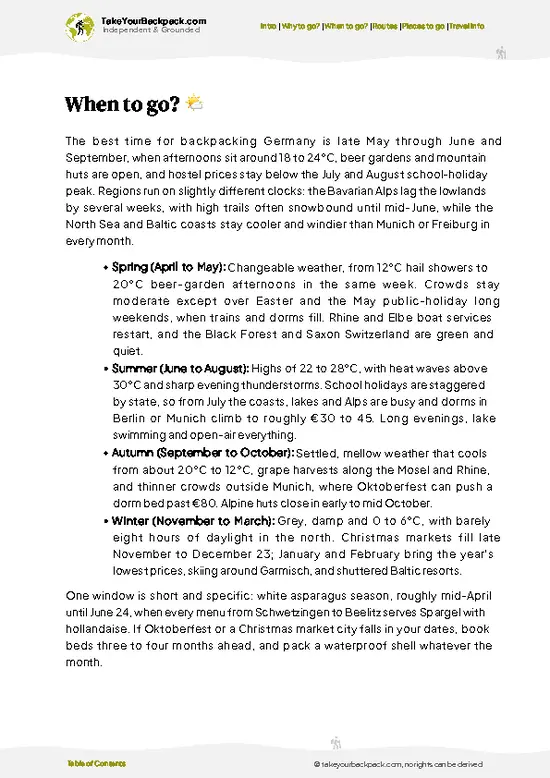
Burg zu Burghausen (Burghausen Castle)
This isn’t just a castle—it’s the longest fortress complex in the world, a limestone spine stretching over a kilometer along a ridge above the Salzach River. Walking the ramparts, you’ll feel the wind off the river and the weight of centuries underfoot. The castle’s six courtyards are a living timeline, from medieval towers to Renaissance halls. Go early morning or late afternoon for golden light and fewer crowds; the castle is open year-round, with a modest entry fee for the museum (around €6). Give yourself at least two hours—more if you want to climb every tower and linger over the views into Austria.
Altstadt (Old Town) and Stadtplatz
Burghausen’s old town isn’t just a backdrop for postcards—it’s a lived-in, pastel-hued stretch of arcaded houses, cobbled lanes, and the echo of church bells. The main square, Stadtplatz, is the town’s social heart. Grab a coffee at a sidewalk table and watch locals trade gossip under the arcades, or duck into a bakery for a slice of Zwetschgendatschi (plum cake) in autumn. The best time is late morning, when the shops are open and the market stalls are out. Free to wander; an hour is enough for a stroll, but you’ll want to linger.
Staatliches Burgmuseum (State Castle Museum)
Inside the castle’s upper bailey, this museum is a crash course in Burghausen’s turbulent history—think Bavarian dukes, salt barons, and siege warfare. The exhibits are tactile: armor you can almost smell the oil on, faded banners, and models that make the fortress’s defenses click into place. It’s compact but dense, and the view from the museum windows is a reward in itself. Open most days except Mondays; entry is included with the castle ticket. Plan for 45-60 minutes.
Wöhrsee Lake
A glacial-blue swimming lake tucked beneath the castle walls, Wöhrsee is where Burghausen locals cool off in summer. The scent of grass and sunscreen, the slap of water against the dock, and the castle looming above—it’s a scene that feels earned after a morning of climbing stone steps. There’s a small fee for the lido (around €3), with changing rooms and a snack bar. Go on a hot afternoon, or at sunset for a swim with the castle glowing overhead. Allow 1-2 hours, or longer if you want to nap in the shade.
Jazzkeller Burghausen
Burghausen’s jazz cellar is legendary—this is the town that hosts one of Europe’s oldest jazz festivals. Even outside festival week, the vaulted brick cellar hums with live music and the clink of glasses. The air is thick with anticipation and the occasional whiff of spilled beer. Check the schedule; tickets for gigs are usually €10-€20. Arrive early for a seat close to the stage. Even if you’re not a jazz devotee, the energy is infectious. Plan for an evening.
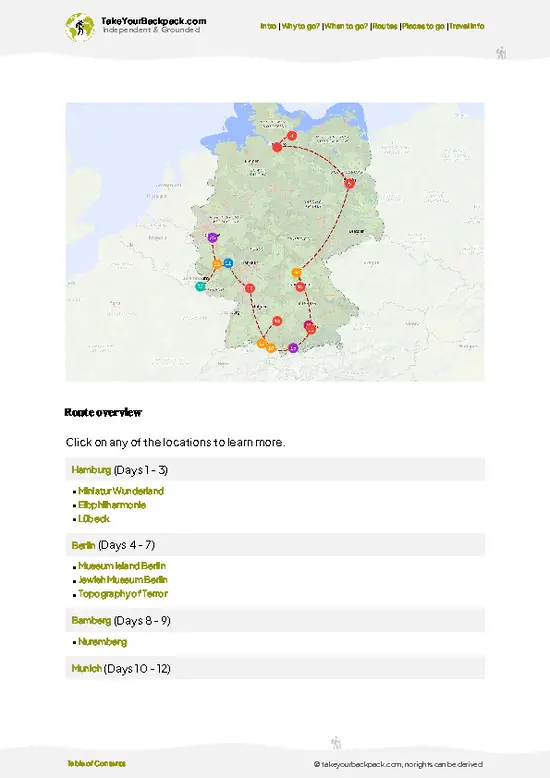
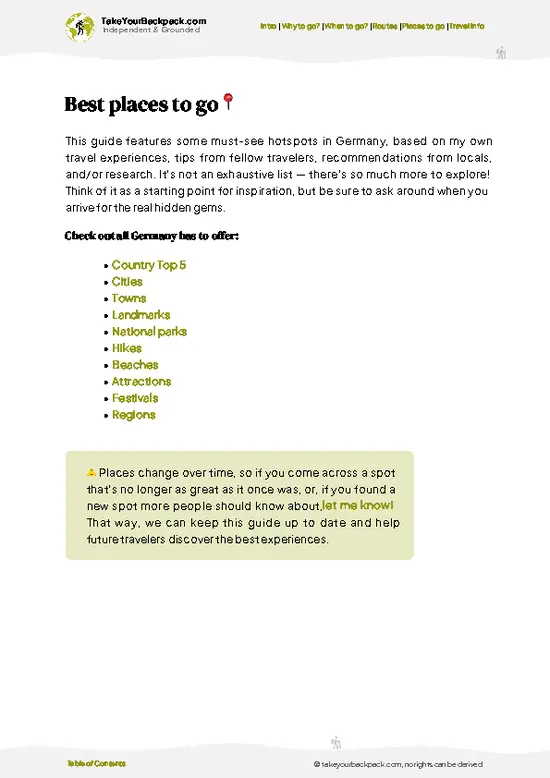
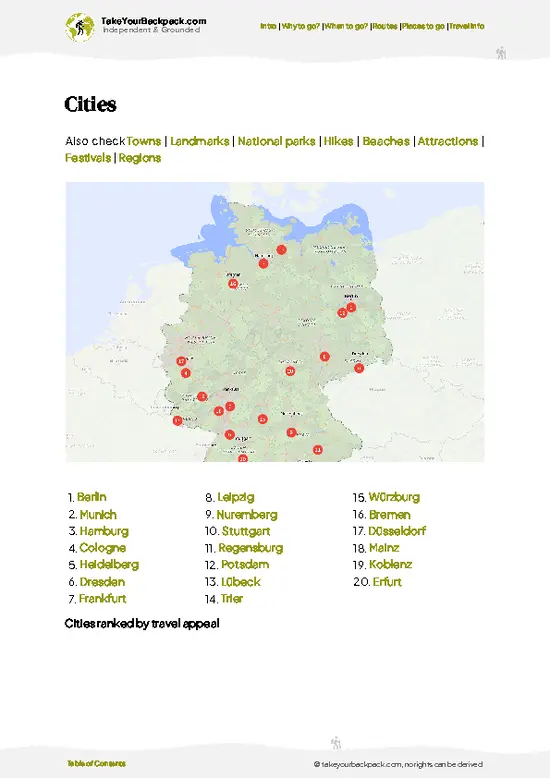
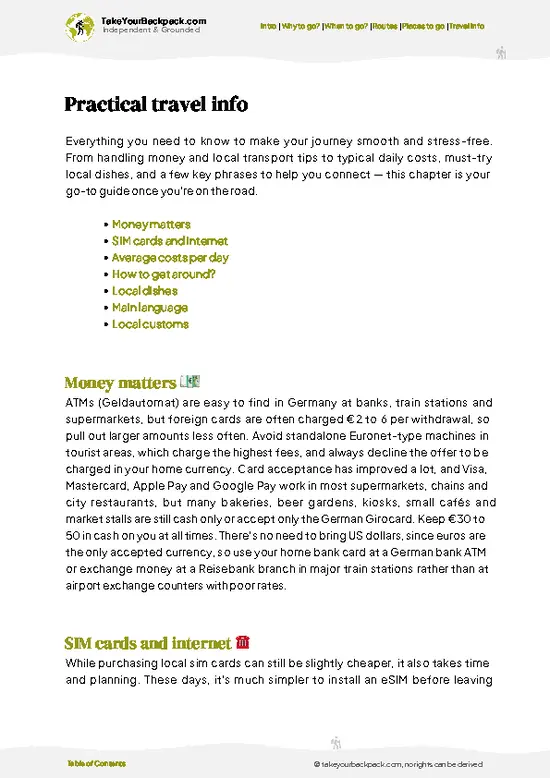
If you’re itching for more, the salt-mining town of Hallein, the lakes of the Chiemgau, and Salzburg’s baroque spires are all easy day trips from Burghausen. Salzburg’s old town is my personal favorite—especially when the cathedral bells ring out over the rooftops.
Spotted a mistake or missing something? Contact us.

Eagle's Nest Hiking Tour

Eagle's Nest-Berchtesgaden-Obersalzberg Private Half Day WWII Historical Tour

WWII Historical Eagle's Nest Guided Tour in Berchtesgaden Germany

Berchtesgaden-Obersalzberg Private Half Day WWII Historical Tour

Eagle's Nest Berchtesgaden Private Full Day WWII Historical Tour

Explore Hitlers Mountain World War II Tour

Private Photo Walking Tour in Berchtesgaden

Berchtesgaden private walking tour With A Professional Guide

Private Christmas Market Walking Tour in Berchtesgaden


 Best Backpacking
 Hi, I’m Johan (Netherlands 🇳🇱), the creator of TakeYourBackpack. Over the past 3 decades, I’ve backpacked through 90+ countries across six continents, gaining extensive experience with independent travel, long-term trips, and overland routes.