v2.webp)
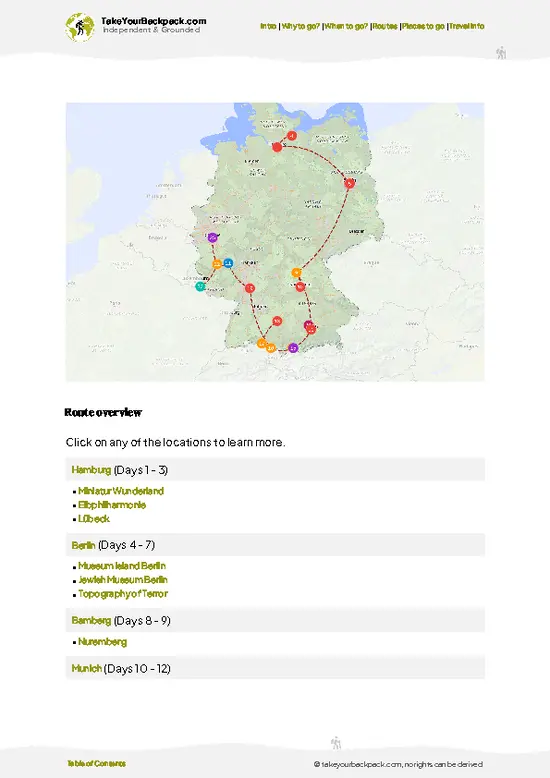
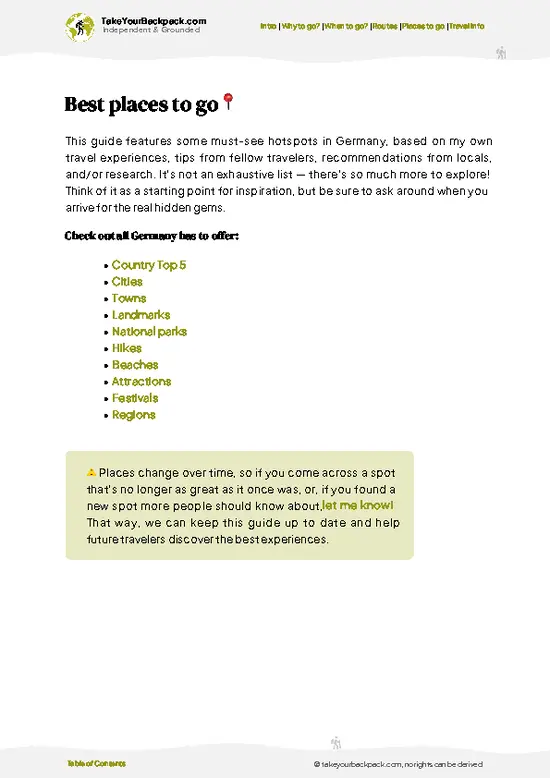
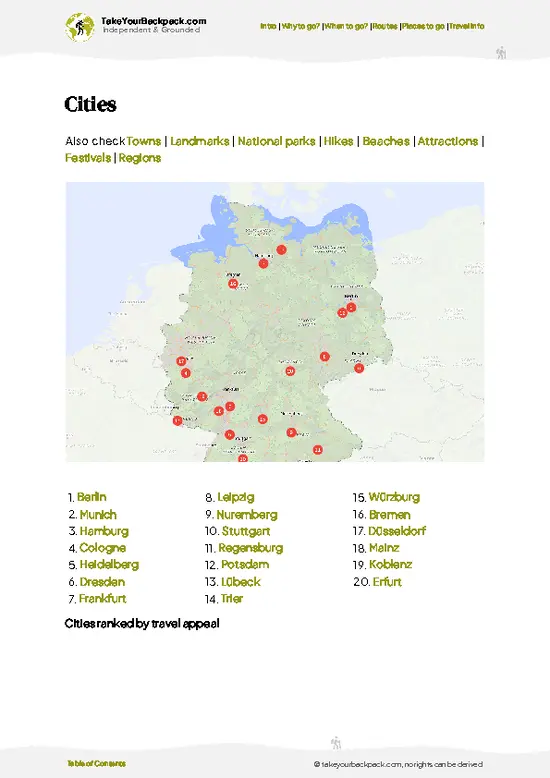
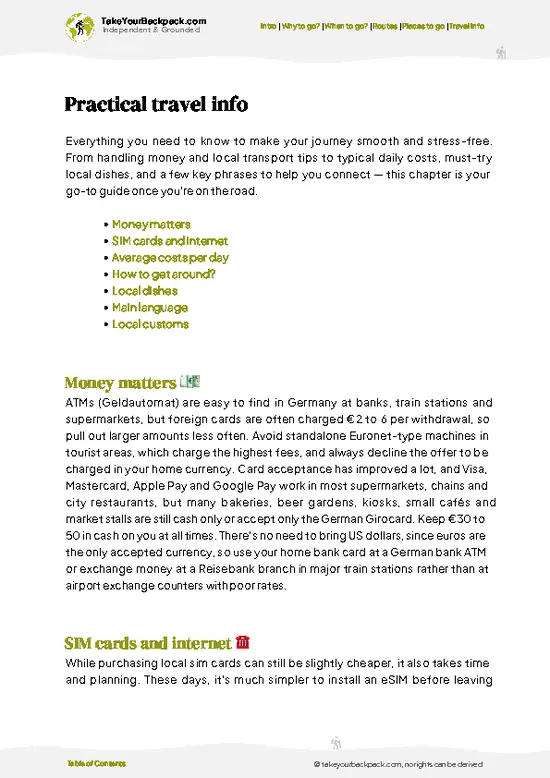
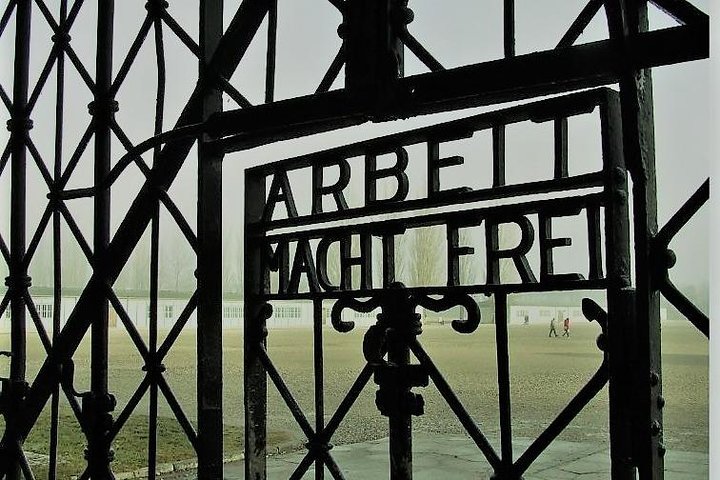
The Original Camp Gate (“Arbeit Macht Frei”)
Let’s get real: you’ve seen this gate in a thousand photos, but standing in front of it is a gut punch no filter can soften. The phrase “Arbeit Macht Frei” (“Work Sets You Free”) is welded into the ironwork, a cruel lie that greeted every prisoner. It’s not just a photo op—it’s a confrontation with the machinery of propaganda and psychological warfare. The gate is small, almost ordinary, which makes the weight of its history hit even harder. You can’t breeze past it; you have to stand there and let it sink in.
The Barracks Reconstruction
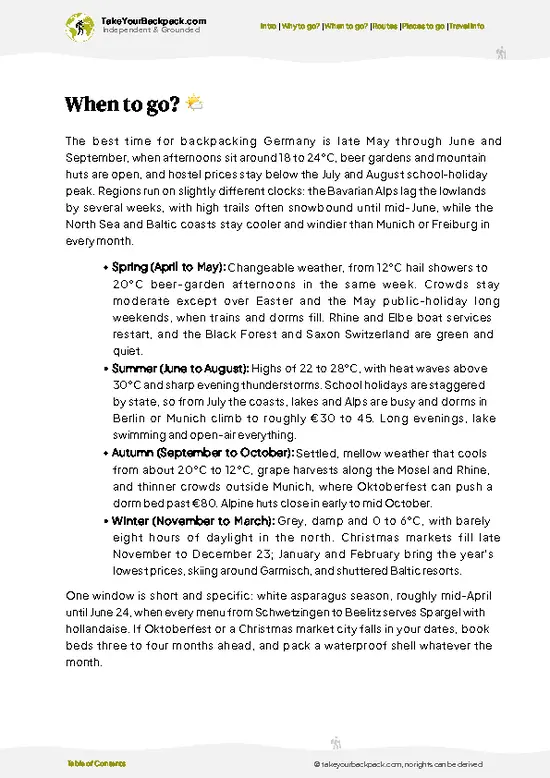
Most of the original barracks are gone, but two have been rebuilt to exacting detail. Step inside and you’ll see the triple-tiered bunks, the cramped aisles, and the washrooms where hundreds were forced to share … read more 👉
Let’s get real: you’ve seen this gate in a thousand photos, but standing in front of it is a gut punch no filter can soften. The phrase “Arbeit Macht Frei” (“Work Sets You Free”) is welded into the ironwork, a cruel lie that greeted every prisoner. It’s not just a photo op—it’s a confrontation with the machinery of propaganda and psychological warfare. The gate is small, almost ordinary, which makes the weight of its history hit even harder. You can’t breeze past it; you have to stand there and let it sink in.
The Barracks Reconstruction
Most of the original barracks are gone, but two have been rebuilt to exacting detail. Step inside and you’ll see the triple-tiered bunks, the cramped aisles, and the washrooms where hundreds were forced to share … read more 👉
The Original Camp Gate (“Arbeit Macht Frei”)
Let’s get real: you’ve seen this gate in a thousand photos, but standing in front of it is a gut punch no filter can soften. The phrase “Arbeit Macht Frei” (“Work Sets You Free”) is welded into the ironwork, a cruel lie that greeted every prisoner. It’s not just a photo op—it’s a confrontation with the machinery of propaganda and psychological warfare. The gate is small, almost ordinary, which makes the weight of its history hit even harder. You can’t breeze past it; you have to stand there and let it sink in.
The Barracks Reconstruction
Most of the original barracks are gone, but two have been rebuilt to exacting detail. Step inside and you’ll see the triple-tiered bunks, the cramped aisles, and the washrooms where hundreds were forced to share a handful of sinks. The barracks are not sanitized for comfort. You’ll feel the claustrophobia, the institutional coldness, and the relentless regimentation. This is where the daily grind of survival played out, and it’s impossible to ignore the human scale of suffering.
The Crematorium and Gas Chamber Complex
This is the hardest part of the visit, and it should be. The crematorium at Dachau is intact, and the gas chamber—though never used for mass murder here—was built and stands as a chilling reminder of what was planned. The rooms are stark, clinical, and horrifyingly mundane. You walk through at your own pace, but the silence is heavy. This isn’t spectacle; it’s a confrontation with the mechanics of genocide. If you’re looking for “entertainment,” this is not it. But if you want to understand the depths of human cruelty—and the importance of remembrance—this is essential.
The Museum Exhibition in the Former Maintenance Building
This is where Dachau’s story is told in full, with artifacts, survivor testimonies, and a timeline that pulls no punches. The museum doesn’t let you off easy. It’s dense, sometimes overwhelming, but it’s the best place to get context. You’ll see original uniforms, personal belongings, and documents that make the statistics painfully real. If you’re the type who wants to understand, not just observe, this is where you dig in. This is my personal favorite—not because it’s easy, but because it’s honest, unflinching, and absolutely necessary.
The International Memorial
Sculpted by Nandor Glid, this abstract monument is all sharp angles and twisted forms—no soft edges, no easy comfort. It’s not pretty, and that’s the point. The memorial forces you to reckon with the suffering and resilience of Dachau’s victims. It’s a place to pause, reflect, and realize that memory is an act of defiance.
The Religious Memorials
Dachau is unique for its cluster of chapels and memorials—Catholic, Protestant, Jewish, and Russian Orthodox—built after the war. Each is starkly different, but together they show how survivors and descendants have tried to reclaim meaning from horror. These aren’t just places to pray; they’re statements that humanity can persist, even in the aftermath of atrocity.
Let’s get real: you’ve seen this gate in a thousand photos, but standing in front of it is a gut punch no filter can soften. The phrase “Arbeit Macht Frei” (“Work Sets You Free”) is welded into the ironwork, a cruel lie that greeted every prisoner. It’s not just a photo op—it’s a confrontation with the machinery of propaganda and psychological warfare. The gate is small, almost ordinary, which makes the weight of its history hit even harder. You can’t breeze past it; you have to stand there and let it sink in.
The Barracks Reconstruction
Most of the original barracks are gone, but two have been rebuilt to exacting detail. Step inside and you’ll see the triple-tiered bunks, the cramped aisles, and the washrooms where hundreds were forced to share a handful of sinks. The barracks are not sanitized for comfort. You’ll feel the claustrophobia, the institutional coldness, and the relentless regimentation. This is where the daily grind of survival played out, and it’s impossible to ignore the human scale of suffering.
The Crematorium and Gas Chamber Complex
This is the hardest part of the visit, and it should be. The crematorium at Dachau is intact, and the gas chamber—though never used for mass murder here—was built and stands as a chilling reminder of what was planned. The rooms are stark, clinical, and horrifyingly mundane. You walk through at your own pace, but the silence is heavy. This isn’t spectacle; it’s a confrontation with the mechanics of genocide. If you’re looking for “entertainment,” this is not it. But if you want to understand the depths of human cruelty—and the importance of remembrance—this is essential.
The Museum Exhibition in the Former Maintenance Building
This is where Dachau’s story is told in full, with artifacts, survivor testimonies, and a timeline that pulls no punches. The museum doesn’t let you off easy. It’s dense, sometimes overwhelming, but it’s the best place to get context. You’ll see original uniforms, personal belongings, and documents that make the statistics painfully real. If you’re the type who wants to understand, not just observe, this is where you dig in. This is my personal favorite—not because it’s easy, but because it’s honest, unflinching, and absolutely necessary.
The International Memorial
Sculpted by Nandor Glid, this abstract monument is all sharp angles and twisted forms—no soft edges, no easy comfort. It’s not pretty, and that’s the point. The memorial forces you to reckon with the suffering and resilience of Dachau’s victims. It’s a place to pause, reflect, and realize that memory is an act of defiance.
The Religious Memorials
Dachau is unique for its cluster of chapels and memorials—Catholic, Protestant, Jewish, and Russian Orthodox—built after the war. Each is starkly different, but together they show how survivors and descendants have tried to reclaim meaning from horror. These aren’t just places to pray; they’re statements that humanity can persist, even in the aftermath of atrocity.
Spotted a mistake or missing something? Contact us.

Dachau Concentration Camp Memorial Site Tour from Munich by Train

Dachau Memorial Half-Day Tour from Munich (Early-Start)

Guided Dachau Concentration Camp Memorial Site Tour with Train from Munich

Full-Day Dachau Concentration Camp Memorial Site Tour from Munich
Dachau Small-Group Half-Day Tour from Munich By Train

Dachau Concentration Camp Memorial Tour with Train from Munich

Munich World War II Sites Including Dachau Concentration Camp

Dachau Concentration Camp Memorial Site And Third Reich Day Tour From Munich

Dachau Private Tour with Licensed Guide by Train from Munich


 Best Backpacking
.jpg) Hi, I’m Johan (Netherlands 🇳🇱), the creator of TakeYourBackpack. Over the past 3 decades, I’ve backpacked through 90+ countries across six continents, gaining extensive experience with independent travel, long-term trips, and overland routes.
Hi, I’m Johan (Netherlands 🇳🇱), the creator of TakeYourBackpack. Over the past 3 decades, I’ve backpacked through 90+ countries across six continents, gaining extensive experience with independent travel, long-term trips, and overland routes.