×

Germany🇩🇪 | attractionsDeutsches Museumscience halls, aviation displays, hands-on experiments | things to do and best time to go

Explore Museum Island BerlinExplore Dachau Concentration Camp Memorial Site

Backpacking in Deutsches Museum
🌟 Highlightattraction ranked #7
By Johan Kruseman 🇳🇱 | Updated October 15, 2026

Forget the Instagram myth: the Deutsches Museum isn’t some sleepy hall of dusty gadgets for school field trips. It’s a full-blown labyrinth of human ingenuity, smack in the heart of Munich, Bavaria’s capital. If you’re picturing a quick hour of polite nodding at old machines, you’re in for a shock—this place is a sprawling, multi-level beast that’ll swallow your afternoon and still leave you wanting more. Yes, it’s packed, especially on rainy days when every tourist and half of Munich’s families descend like clockwork. You’ll dodge strollers and selfie sticks, and the ticket price isn’t pocket change, but what you get is a hands-on, brain-bending deep dive into everything from early aviation to quantum physics. For backpackers, it’s not the cheapest thrill, but it’s a rare museum that actually rewards curiosity and makes you feel smarter for having wandered its maze. Compared to Germany’s castles or beer halls, the Deutsches Museum is pure adrenaline for your inner inventor—messy, massive, and absolutely worth the crowds if you crave substance over spectacle.

Discover everything you want to know in the 📖 Germany Travel Guide.


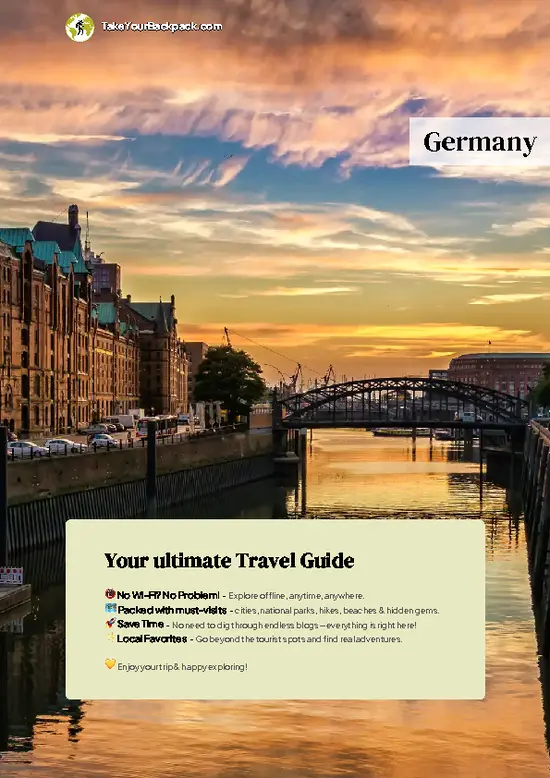
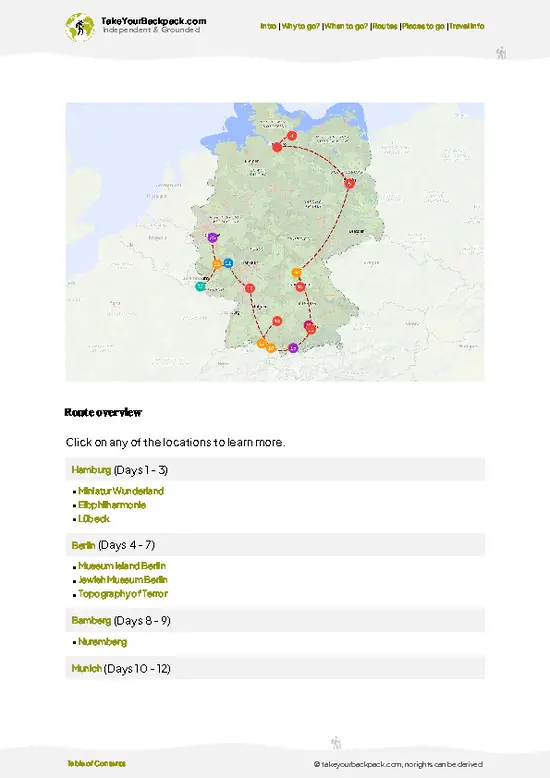
example page 0 from our offline Travel Guide for Germany
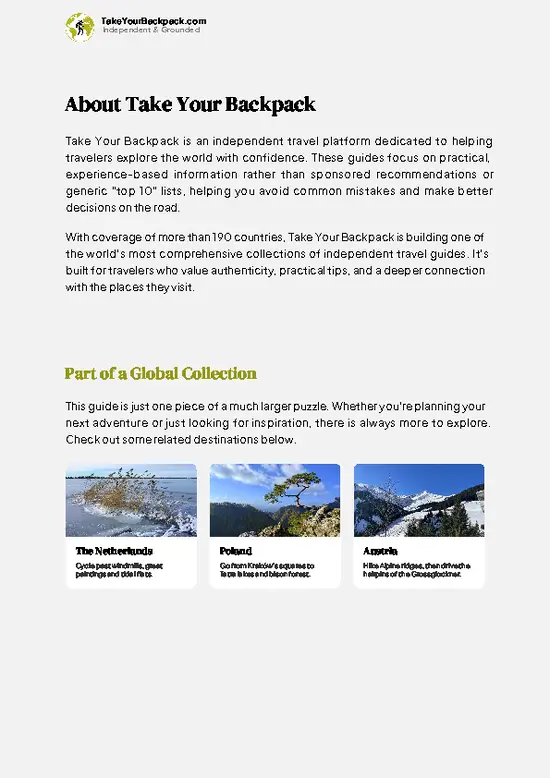
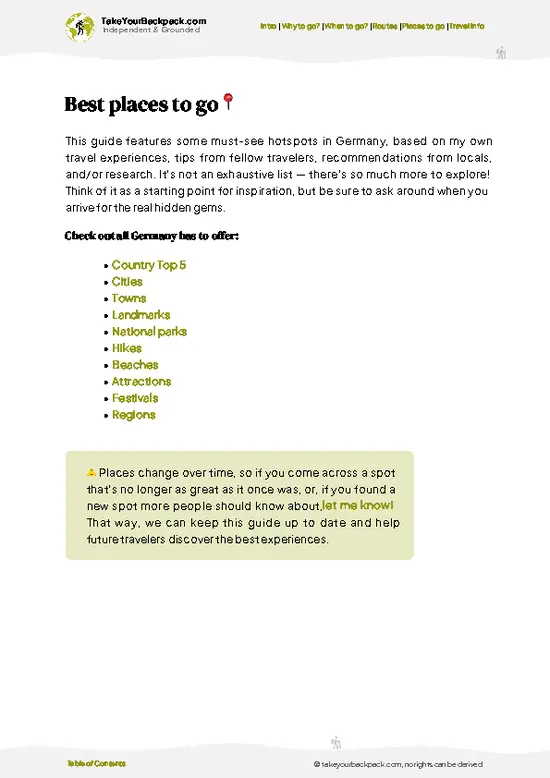
example page 1 from our offline Travel Guide for Germany
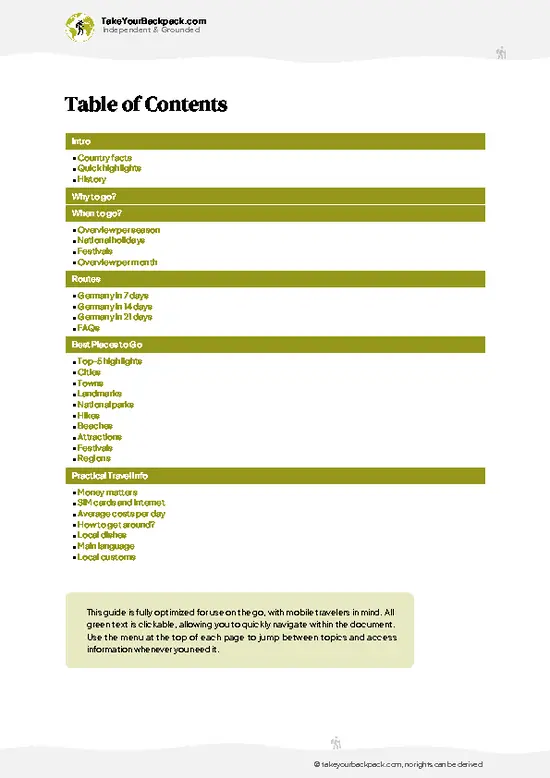
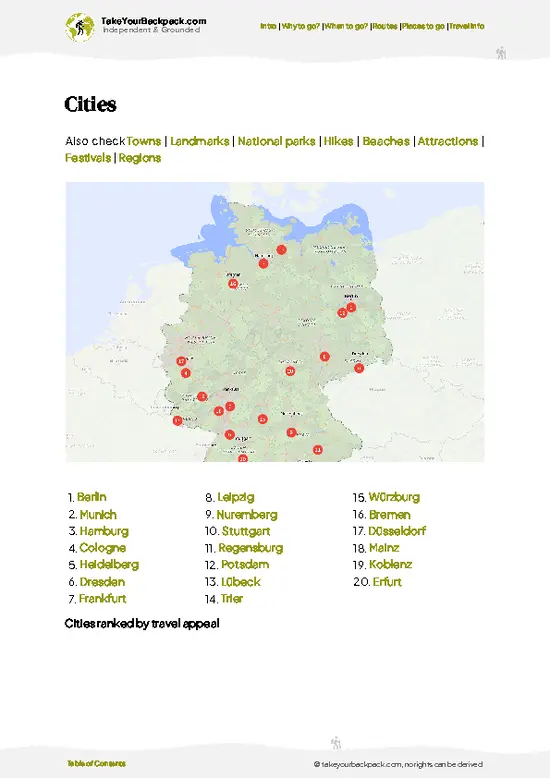
example page 2 from our offline Travel Guide for Germany
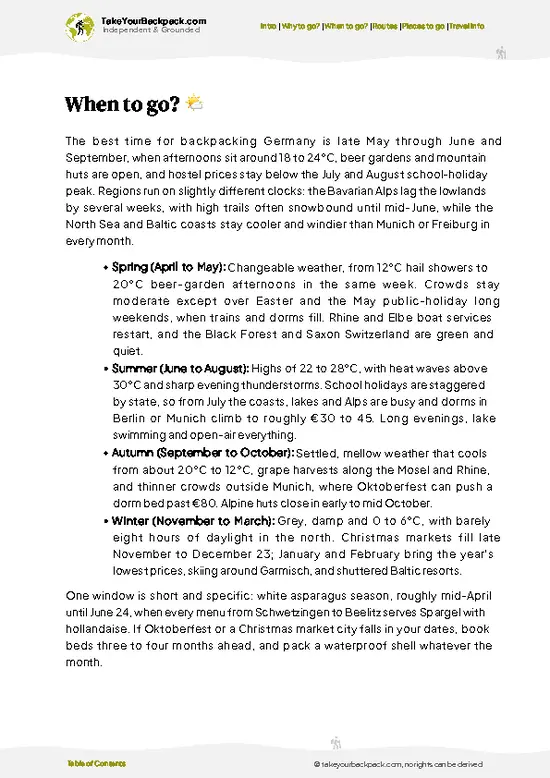
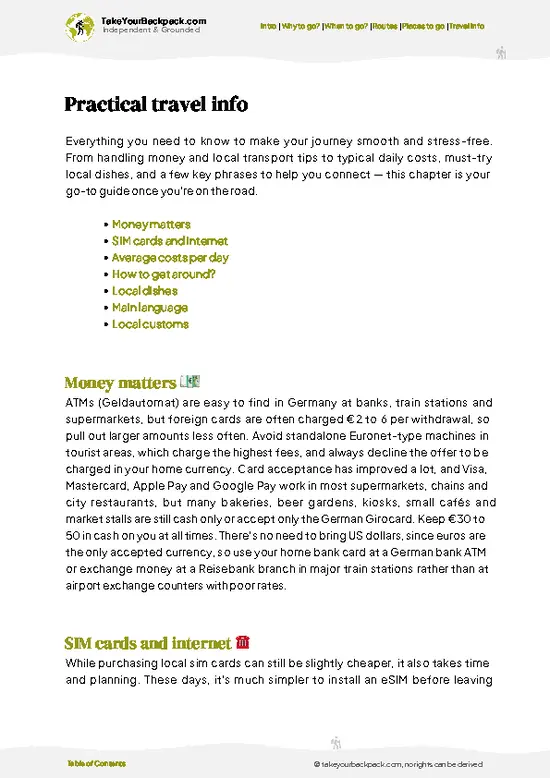
example page 3 from our offline Travel Guide for Germany
example page 4 from our offline Travel Guide for Germany
example page 5 from our offline Travel Guide for Germany
example page 6 from our offline Travel Guide for Germany
example page 7 from our offline Travel Guide for Germany
Loading the map 🌍
CLICK TO FILTER
cities
towns
landmarks
national parks
hikes
beaches
attractions
festivals
regions
SHOW COUNTRY’S BESTSHOW ALL

✨ Why go?
Ranked #7 attraction in Germany
Reasons people choose to visit here

The Deutsches Museum in Munich isn’t just another stop on the tourist checklist—it’s a heavyweight in the world of science and technology museums. Sure, it draws crowds, especially on weekends, and the entry fee isn’t pocket change for a backpacker. But here’s the kicker: this place is a deep dive into human ingenuity that actually rewards the effort and cost. You’re not just looking at dusty relics behind glass; you’re stepping into a sprawling labyrinth of inventions that shaped the modern world—from early aviation to cutting-edge robotics. It’s a cultural heavyweight, showcasing Germany’s role as a powerhouse of innovation, not just a backdrop for beer halls and castles.

If you’re trekking across Germany, this museum is a milestone that connects dots between history, science, and everyday … read more 👉
The Deutsches Museum in Munich isn’t just another stop on the tourist checklist—it’s a heavyweight in the world of science and technology museums. Sure, it draws crowds, especially on weekends, and the entry fee isn’t pocket change for a backpacker. But here’s the kicker: this place is a deep dive into human ingenuity that actually rewards the effort and cost. You’re not just looking at dusty relics behind glass; you’re stepping into a sprawling labyrinth of inventions that shaped the modern world—from early aviation to cutting-edge robotics. It’s a cultural heavyweight, showcasing Germany’s role as a powerhouse of innovation, not just a backdrop for beer halls and castles.

If you’re trekking across Germany, this museum is a milestone that connects dots between history, science, and everyday life in a way few other spots can. The hands-on exhibits and immersive displays hit that sweet spot between education and adrenaline rush—yes, you can get genuinely excited about a steam engine or a vintage aircraft cockpit. It’s a place where the grind of travel pays off with moments of awe and inspiration, making it a must for anyone serious about understanding the country beyond the postcard.

💡 HighlightsKey sights and experiences for travelers

1. The Historic Aircraft Hall
Let’s cut through the fantasy: you won’t have the place to yourself, and yes, you’ll see more selfie sticks than propellers on a Saturday. But the aircraft collection is the real deal. You’re not just staring at dusty relics behind velvet ropes—here, you can walk beneath a genuine Junkers Ju 52, the corrugated iron workhorse that once ferried passengers and paratroopers across Europe. The Messerschmitt Bf 109, a legend of WWII aviation, hangs overhead. There’s a visceral thrill in standing this close to machines that changed history. If you’ve ever wanted to feel the scale and audacity of early flight, this is your moment.


2. The Mining Experience
Forget the polished, sanitized “interactive exhibits” you see in most science museums. The Deutsches Museum’s mining … read more 👉
1. The Historic Aircraft Hall
Let’s cut through the fantasy: you won’t have the place to yourself, and yes, you’ll see more selfie sticks than propellers on a Saturday. But the aircraft collection is the real deal. You’re not just staring at dusty relics behind velvet ropes—here, you can walk beneath a genuine Junkers Ju 52, the corrugated iron workhorse that once ferried passengers and paratroopers across Europe. The Messerschmitt Bf 109, a legend of WWII aviation, hangs overhead. There’s a visceral thrill in standing this close to machines that changed history. If you’ve ever wanted to feel the scale and audacity of early flight, this is your moment.


2. The Mining Experience
Forget the polished, sanitized “interactive exhibits” you see in most science museums. The Deutsches Museum’s mining section is a full-blown underground labyrinth. You descend into a recreated mine—damp, dark, and echoing with the clank of pickaxes. It’s not a ride; it’s a sensory ambush. The air smells of stone and old machinery. You’ll come out with a new respect for the people who spent their lives below ground. This isn’t just a display; it’s a time machine that shoves you into the boots of a 19th-century miner.


3. The High Voltage Demonstration
This is not your high school science class. Every hour, a staff scientist fires up the Tesla coils and Van de Graaff generators in a live show that’s half physics lesson, half rock concert for nerds. The room crackles with electricity—literally. You’ll feel the hair on your arms rise as arcs of lightning leap across the stage. It’s loud, unpredictable, and absolutely not for the faint-hearted. If you want science with a jolt, this is where you get it.


4. The Giant Ship Models
Most museums would settle for a few glass cases and a plaque. Here, you get ship models so massive you can walk around them and study every rivet. The level of detail is obsessive—down to the tiny lifeboats and deck chairs. The centerpiece is a cross-section of a container ship, sliced open like a mechanical whale, exposing the guts of global trade. It’s a rare chance to see the invisible machinery that keeps the world running.


5. The Musical Instruments Gallery
This one’s my personal favorite. It’s easy to overlook, but if you’re even remotely curious about how sound becomes music, you’ll get lost here. The collection covers everything from medieval hurdy-gurdies to early synthesizers. Some days, you’ll catch a live demonstration—think Bach on a centuries-old organ, echoing through the halls. It’s a reminder that technology isn’t just about wires and gears; it’s about human creativity, too.


6. The Kids’ Kingdom
If you’re traveling with kids (or just want to see adults outsmarted by five-year-olds), this is the spot. It’s hands-on chaos: water wheels, pulleys, levers, and a physics playground that makes learning feel like mischief. No screens, no lectures—just pure, tactile discovery. Even the grown-ups end up elbow-deep in experiments.


The Deutsches Museum isn’t about curated Instagram moments. It’s about getting your hands dirty, your mind blown, and your sense of wonder recalibrated. If you want a museum that entertains as hard as it educates, this is the one that delivers.
Spotted a mistake or missing something? Contact us.

Things to do around Deutsches Museum

Ratings based on Tripadvisor reviews. When you book through this link, you support our work at no extra cost to you.

🌤️ When to go?Choosing the right time of year

  • Weather: Munich’s weather swings from chilly winters to warm summers. From November to February, expect cold, often below freezing (0°C/32°F), which can make wandering around less pleasant. Late spring (May and June) and early autumn (September and October) offer mild, comfortable temperatures, perfect for combining museum visits with outdoor exploration.
  • Temperature: Summer highs hit 23-25°C (73-77°F), but the museum’s indoors are climate-controlled, so outside temps mainly affect your overall day. Winters can dip to -3°C (27°F) or lower, making indoor attractions like the Deutsches Museum a cozy refuge.
  • Daylight Hours: In summer (June-July), Munich enjoys up to 16 hours of daylight, giving you plenty of time to explore. Winter days (December-January) shrink to about 8 hours, so plan
… read more 👉
  • Weather: Munich’s weather swings from chilly winters to warm summers. From November to February, expect cold, often below freezing (0°C/32°F), which can make wandering around less pleasant. Late spring (May and June) and early autumn (September and October) offer mild, comfortable temperatures, perfect for combining museum visits with outdoor exploration.
  • Temperature: Summer highs hit 23-25°C (73-77°F), but the museum’s indoors are climate-controlled, so outside temps mainly affect your overall day. Winters can dip to -3°C (27°F) or lower, making indoor attractions like the Deutsches Museum a cozy refuge.
  • Daylight Hours: In summer (June-July), Munich enjoys up to 16 hours of daylight, giving you plenty of time to explore. Winter days (December-January) shrink to about 8 hours, so plan your visit accordingly to avoid rushing through exhibits.
  • Crowds: Peak tourist season is June through August and during school holidays, when the museum gets packed. Weekdays in shoulder seasons (April-May, September-October) see fewer visitors, letting you enjoy exhibits without the elbow-to-elbow shuffle.
  • Seasonal Activities: The museum hosts special exhibitions and workshops year-round, but spring and autumn often feature unique tech demos and family-friendly events. Winter brings festive displays tied to Munich’s Christmas markets, adding a cultural layer beyond the usual science fare.
  • Price Fluctuations: Entry fees stay steady year-round, but booking online in advance during peak season can save you time and sometimes a small surcharge. Off-peak months rarely have discounts, but the quieter atmosphere is worth the steady price.
Pro-tip: Hit the Deutsches Museum on a weekday in late spring or early autumn—fewer crowds, mild weather, and special events make it a genuinely immersive experience without the tourist circus.


source: climatestotravel.comJANJanuary: good for travelingFEBFebruary: good for travelingMARMarch: good for travelingAPRApril: highly recommended for travelingMAYMay: excellent for travelingJUNJune: highly recommended for travelingJULJuly: good for travelingAUGAugust: good for travelingSEPSeptember: excellent for travelingOCTOctober: excellent for travelingNOVNovember: fair for travelingDECDecember: good for traveling
germany-attraction-deutsches-museum
© Google |

✈️ The backpacker research shortcutGermany Travel Guide

An offline-friendly backpacking guide with optimized travel routes, ranked highlights, transport advice, and the best areas to stay.
example page 0 from our offline Travel Guide for Germany
example page 1 from our offline Travel Guide for Germany
example page 2 from our offline Travel Guide for Germany
example page 3 from our offline Travel Guide for Germany
example page 4 from our offline Travel Guide for Germany
example page 5 from our offline Travel Guide for Germany
example page 6 from our offline Travel Guide for Germany
example page 7 from our offline Travel Guide for Germany
The digital guide (502 pages) contains:
✅ 135 highlights, ranked by travel appeal
✅ Optimized 7, 14 & 21-day travel routes
✅ Cities, national parks, landmarks, beaches
✅ How to get around
✅ Offline-friendly for travel without Wi-Fi
👉 Click to see all 30+ guide features

📅 Plan smarter in minutes, not weeks
✅ Month by month travel advice
✅ Festivals & national holidays
✅ Budget expectations

🗺️ Go to the right places, skip the overrated ones
✅ Honest pros & cons of destinations
✅ Top hikes, parks & viewpoints
✅ Lesser-known places most travelers miss
✅ Clear “worth it vs skip it” guidance

🛏️ Travel smoothly without rookie mistakes
✅ Best areas to stay
✅ Transport systems explained simply
✅ Common scams & safety advice
✅ SIM cards, money & practical tips

🌍 Understand the country, not just visit it
✅ Culture & traditions
✅ 52 Essential phrases & customs
✅ Festivals worth planning around
✅ Traveler-friendly historical context
✅ Insights that make places more meaningful

📱 Built for real travel conditions
✅ Fully downloadable PDF
✅ Works completely offline
✅ Optimized for phone use
✅ Useful in remote areas & buses
✅ Everything in one place
Stop searching, start planning
Get instant access to your full guide. 30‑day money-back guarantee.
+ Add another guide for just

By proceeding you agree to our terms.
Sent to your inbox immediately after payment • 100% Secure Checkout
Best Backpacking Travel Advisor 2025 tourism awardBest Backpacking
Travel Advisor
2025
What others say about Take Your Backpack Guides:
⭐⭐⭐⭐⭐
Fantastic, amazing amount of information!
⭐⭐⭐⭐⭐
My goodness this is amazing, it's what I've been looking for hats off too you!
⭐⭐⭐⭐⭐
I think this is absolutely BRILLIANT
⭐⭐⭐⭐
Very complete and informative. It's still missing places, but I gotta to commend you
⭐⭐⭐⭐⭐
This is truly amazing, thank you, can't wait to explore it with my kids!
⭐⭐⭐⭐⭐
Awesome resource, thank you!
⭐⭐⭐⭐⭐
This is amazing! Can't wait to explore the ones I haven't seen
⭐⭐⭐⭐
I love this! Well done, great idea.
⭐⭐⭐⭐⭐
Thanks for taking the time to make this gem!
⭐⭐⭐⭐⭐
This might be the best website I've ever seen.
⭐⭐⭐⭐⭐
Congratulations, and thank you so much for your work; it's incredibly valuable.
⭐⭐⭐⭐
In all seriousness I think you did a great job pointing out the important spots
⭐⭐⭐⭐⭐
10/10 very good
⭐⭐⭐⭐⭐
As someone who's only just starting to visit regularly this is awesome, thank you.
⭐⭐⭐⭐
Thank you very much! I'm going to visit my dad, it's going to be very useful!
⭐⭐⭐⭐⭐
This is really cool! We'll be travelling for the first time and this definitely come in handy.
⭐⭐⭐⭐⭐
You are now our minister of culture, congratulations 👨‍💼
⭐⭐⭐⭐⭐
Just wanted to tell you that this is a pearl! Going to follow your recommendations.
⭐⭐⭐⭐⭐
This is so cool. I'll definitely be using the resource for my travels soon.
⭐⭐⭐⭐⭐
This is very impressive! Good work.
⭐⭐⭐⭐⭐
This is an amazing and informative site. Very well done!

🛏️ Where to stay?Choosing the right base

If you’re backpacking to see the Deutsches Museum, brace yourself: this spot is a magnet for tourists and locals alike, especially on weekends. The museum itself is a beast—massive, packed with tech and science wonders—but that means the immediate area can feel a bit like a sardine can during peak hours. So, where to crash without losing your mind or your wallet?

Look just north of the museum, around the Isarvorstadt and Ludwigsvorstadt neighborhoods. These areas strike a solid balance: safe streets, plenty of affordable spots, and a vibe that’s social without being overwhelming. You’ll find … read more 👉
If you’re backpacking to see the Deutsches Museum, brace yourself: this spot is a magnet for tourists and locals alike, especially on weekends. The museum itself is a beast—massive, packed with tech and science wonders—but that means the immediate area can feel a bit like a sardine can during peak hours. So, where to crash without losing your mind or your wallet?

Look just north of the museum, around the Isarvorstadt and Ludwigsvorstadt neighborhoods. These areas strike a solid balance: safe streets, plenty of affordable spots, and a vibe that’s social without being overwhelming. You’ll find a mix of young travelers, students, and locals who actually live here, which means the bars and cafes aren’t just tourist traps—they’re places where you can swap stories over a cheap beer or a strong coffee.

Plus, you’re close enough to the museum to hit it early, beating the crowds, but far enough to escape the tourist crush when you want to recharge. It’s the kind of neighborhood where you feel like you’re part of the city, not just passing through.

👛 Costs (as of 15 October 2026)Typical daily expenses

The standard adult ticket for the Deutsches Museum costs €14. Reduced tickets for students, seniors, and disabled visitors are available at €7. Special exhibitions may have an additional fee of around €4. Children under 6 enter free, and family tickets are also available. Additional costs may include audio guides or special tours.

source: deutsches-museum.de
⚠️ Prices can change and everyone travels differently, so take this as a rough guide. Hope it helps you plan your adventure!

FAQCommon questions from travelers

You need at least 3 to 4 hours to visit Deutsches Museum to see the main exhibits properly. The museum is vast, covering over 50 exhibition areas, so a full day is ideal for enthusiasts. Prioritize sections based on your interests to manage your time effectively.
Yes, Deutsches Museum is worth the entrance fee of around 14 euros for adults. It offers extensive displays on science and technology with interactive exhibits and historical artifacts. The quality and breadth of the collection provide good value for the price.
You can get to Deutsches Museum by taking the U-Bahn to the Sendlinger Tor station or the S-Bahn to Isartor station, both within a 5 to 10-minute walk. Several tram lines also stop nearby, making public transport the most convenient option. Parking is limited and expensive, so avoid driving if possible.
⚠️ Things can change over time, so always validate details locally before you go.

Other German attractions near Deutsches Museum

Explore more nearby:


💡 Not sure where to go next?
Create a personalized itinerary for Germany including Deutsches Museum and the places that fit your trip.

Generate my itinerary

👉 Discover all attractions

Or checkout all Germany has to offer (think cities, towns, villages, national parks, hikes, beaches, festivals)
Country photo of Germany

We 💚 feedbackFinal thoughts on visiting Deutsches Museum

The Deutsches Museum is a beast of a place—massive, packed, and yes, often crowded with school groups and tourists. It’s not a quick stop; you’ll need hours to even scratch the surface. But if you geek out over how things work, from vintage planes to early computers, it’s a playground that feeds your curiosity like no other. Just brace yourself for the crowds and plan your visit with patience—this isn’t a casual stroll, it’s a deep dive.

✈️ When did I visit Germany?
Being a neighbouring country of my home base, I visited Germany many times.

✍️ Help improve this page!
The information on this page is based on my own backpacking experience in Germany, supplemented with up-to-date research and feedback from other travelers. Travel details can change, so if you notice anything outdated or incomplete, feel free to let me know.


🙋‍♂️ Give feedback

👋 Meet the founderWho’s Behind Take Your Backpack?

Johan, backpacker and founder of TakeYourBackpackHi, I’m Johan (Netherlands 🇳🇱), the creator of TakeYourBackpack. Over the past 3 decades, I’ve backpacked through 90+ countries across six continents, gaining extensive experience with independent travel, long-term trips, and overland routes.

This site is built on a combination of firsthand travel experience and carefully curated insights from other backpackers. Many guides are based on places I’ve personally visited, while others bring together tips, observations, and practical advice shared by trusted travelers I’ve met along the way.

The goal is to provide realistic, experience-driven guidance — not generic itineraries — so you can explore destinations with better context, clearer expectations, and more confidence.