×

Germany🇩🇪 | regionsHeligolandRed cliffs, offshore wildlife, duty-free shopping | things to do and best time to go

Explore Wadden SeaExplore Bamberg

Backpacking in Heligoland
👌 Worth visitingregion ranked #6
By Johan Kruseman 🇳🇱 | Updated September 4, 2026

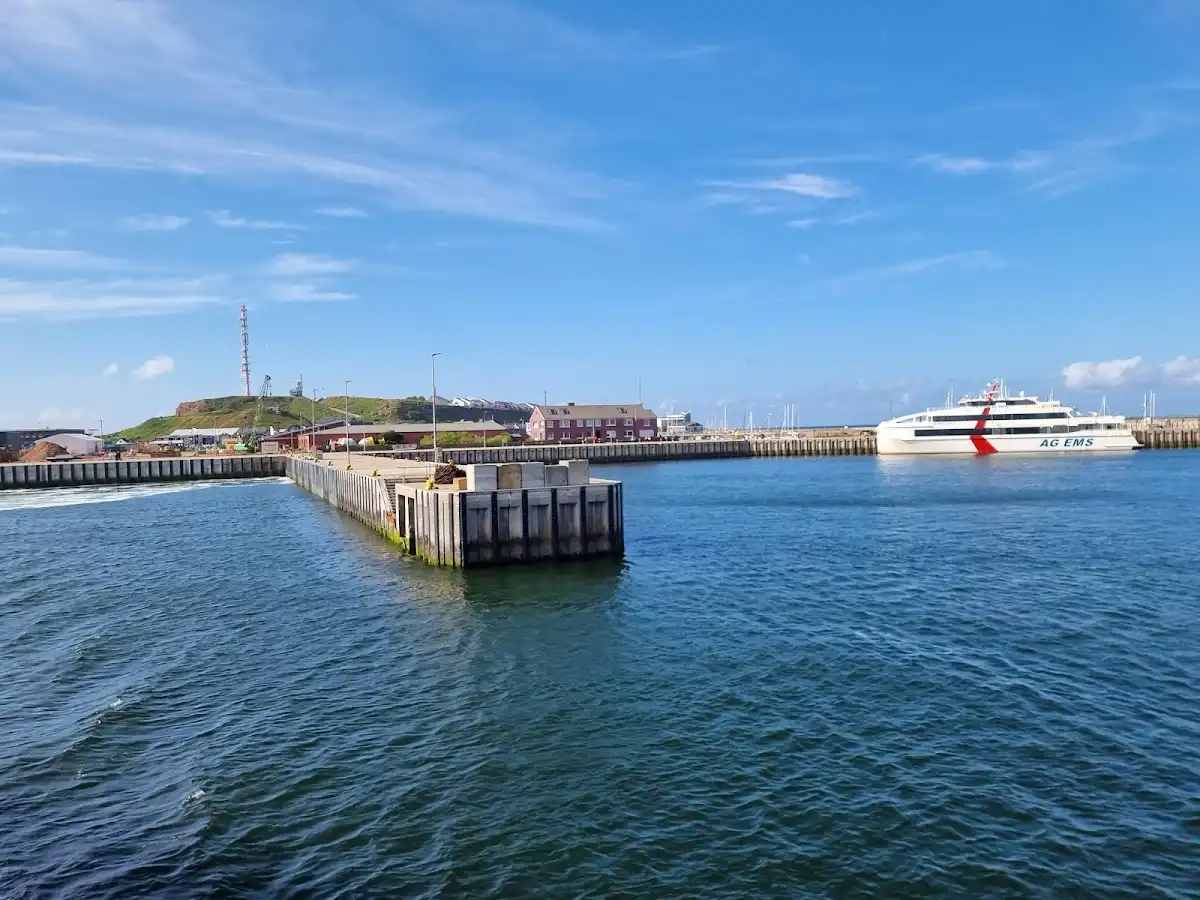
Everyone’s heard the line about Heligoland: “Go for the duty-free shopping!” But let’s be honest—if you’re schlepping your backpack all the way to this wind-battered North Sea outpost, you’re not here for cheap perfume. What actually matters is the feeling you get stepping off the ferry: red cliffs, seabirds wheeling overhead, and a salty, almost otherworldly quiet that’s rare in Germany. Heligoland sits about 70 kilometers off the mainland, technically part of Schleswig-Holstein, but it feels like its own tiny republic—quirky, isolated, and fiercely proud. For backpackers, it’s a mixed bag (and here, it earns the phrase): the natural drama is real, with wild beaches and the famous Lange Anna rock stack, but you’ll pay for the privilege—accommodation and food are pricier than the mainland, and there’s no wild camping. The vibe is more “eccentric islander” than “rowdy hostel crowd.” Compared to the Frisian Islands or Baltic coast, Heligoland is less about variety and more about the novelty of total escape. If you crave authenticity and don’t mind a splurge, this is where you’ll find it.

Discover everything you want to know in the 📖 Germany Travel Guide.


Get your Germany guide
140 ranked highlights, routes & tips, works offline (514 pages)
Loading the map 🌍
CLICK TO FILTER
cities
towns
landmarks
national parks
hikes
beaches
attractions
festivals
regions
SHOW COUNTRY’S BESTSHOW ALL

✨ Why go?
Ranked #6 region in Germany
The unique appeal for travelers

Heligoland is one of those rare spots where you get a surprising variety of landscapes packed into a tiny island—cliffs, dunes, and salt marshes all within easy reach. That means you’re not stuck doing the same thing day after day. You can hike rugged trails in the morning, lounge on a sandy beach by afternoon, and still have time to explore the quirky local culture without hopping on another ferry. This is a time-saver that often gets overlooked.

Transport here is a breeze if you play it right. The ferry schedules are predictable, and once you’re on the island, everything’s walkable or bikeable. No need to waste hours chasing buses or taxis. That’s a comfort win for anyone who’s tired of the usual travel scramble.

What really hooks me—and what you’ll appreciate—is the chance to blend … read more 👉
Heligoland is one of those rare spots where you get a surprising variety of landscapes packed into a tiny island—cliffs, dunes, and salt marshes all within easy reach. That means you’re not stuck doing the same thing day after day. You can hike rugged trails in the morning, lounge on a sandy beach by afternoon, and still have time to explore the quirky local culture without hopping on another ferry. This is a time-saver that often gets overlooked.

Transport here is a breeze if you play it right. The ferry schedules are predictable, and once you’re on the island, everything’s walkable or bikeable. No need to waste hours chasing buses or taxis. That’s a comfort win for anyone who’s tired of the usual travel scramble.

What really hooks me—and what you’ll appreciate—is the chance to blend nature and culture without rushing. You can savor fresh seafood at a local tavern, then catch a sunset from the famous red sandstone cliffs. It’s slow travel done right. You’re not just ticking boxes; you’re soaking in a place that rewards lingering. That’s the kind of trade-off where spending a little more time pays off in memories, not just photos.
Want to include Heligoland in your Germany route?
Create a personalized Germany itinerary that includes Heligoland and the places that fit your trip — based on your travel style, budget, and available time. Get your route in seconds.

Generate my trip

💡 HighlightsWhat this place is best known for

1. The Heligoland Cliffs (Lange Anna & Lummenfelsen)
You haven’t really set foot on Heligoland until you’ve stood beneath the red sandstone tower of Lange Anna, the island’s 47-meter sea stack. This is the North Sea’s answer to a cathedral—wind-battered, bird-crowded, and impossible to photograph badly. Walk the cliff path at sunset when the guillemots and gannets are swirling overhead. The drama is real, and you’ll feel the salt spray in your hair.

2. The Bunker Tours
Heligoland’s underbelly is a labyrinth of WWII-era bunkers, carved deep into the rock. Local guides (often with family stories tied to the island’s wild past) lead you through pitch-black tunnels and bomb shelters. This isn’t a sanitized museum; it’s a raw, echoing reminder of Heligoland’s strategic importance and the scars of … read more 👉
1. The Heligoland Cliffs (Lange Anna & Lummenfelsen)
You haven’t really set foot on Heligoland until you’ve stood beneath the red sandstone tower of Lange Anna, the island’s 47-meter sea stack. This is the North Sea’s answer to a cathedral—wind-battered, bird-crowded, and impossible to photograph badly. Walk the cliff path at sunset when the guillemots and gannets are swirling overhead. The drama is real, and you’ll feel the salt spray in your hair.

2. The Bunker Tours
Heligoland’s underbelly is a labyrinth of WWII-era bunkers, carved deep into the rock. Local guides (often with family stories tied to the island’s wild past) lead you through pitch-black tunnels and bomb shelters. This isn’t a sanitized museum; it’s a raw, echoing reminder of Heligoland’s strategic importance and the scars of history. Bring a jacket—it gets cold, and the stories get colder.

3. Düne Island
A two-minute ferry hop lands you on Düne, Heligoland’s sandy little sister. Here, seals haul out on the beach like they own the place (because they do). You can swim, sunbathe, or just watch the seals flop around—no fences, no crowds, just you and the North Sea. In summer, the water’s brisk but swimmable if you’re brave. This is my personal favorite: wild, weirdly peaceful, and nothing like the mainland.

4. The Lobster Stalls (Hummerbuden)
These candy-colored shacks along the harbor are Heligoland’s unofficial living room. Once fishermen’s huts, now they’re home to artists, snack bars, and the freshest lobster rolls you’ll ever eat. Grab a seat, order a local beer, and eavesdrop on the island gossip. It’s the social heart of Heligoland—no reservations, no rush.

5. The Heligoland Museum
Small but mighty, this museum packs in everything from shipwreck relics to Cold War oddities. The real draw is the locals who staff it; they’re walking encyclopedias, happy to go off-script with stories you won’t find on any placard. If you want to understand why Heligoland feels like nowhere else in Germany, start here.

6. Birdwatching at Oberland
Spring and autumn migration turn the Oberland cliffs into a twitcher’s paradise. Even if you can’t tell a kittiwake from a cormorant, the sheer spectacle of thousands of birds wheeling over the sea is worth the early wake-up. Bring binoculars or borrow a pair from a friendly local—birders here are a welcoming tribe.

7. The Unterland Promenade
Skip the main drag and stroll the quieter Unterland promenade. This is where locals walk their dogs, gossip, and watch the ferries come and go. The sea air is sharp, the benches are perfectly placed for people-watching, and the vibe is pure island slow-motion. Hidden gem alert: the best smoked fish sandwich is from a tiny kiosk halfway down.

8. The Heligoland Customs-Free Shopping Zone
Duty-free shopping isn’t usually my thing, but Heligoland’s unique tax status means you can pick up high-quality spirits, perfumes, and chocolates at prices that’ll make your mainland friends jealous. The trick: go early, before the day-trippers swarm in, and ask the shopkeepers what’s actually local.

9. The Old Cemetery (Friedhof der Namenlosen)
Tucked away from the main paths, this tiny cemetery is a haunting, peaceful spot where shipwreck victims and islanders rest. The weathered stones and wildflowers tell stories of Heligoland’s dangerous seas. It’s a place for quiet reflection—no tour groups, just the wind and your thoughts.

10. The Heligoland Lighthouse
Not just a beacon, but a symbol of the island’s resilience. Climb up for panoramic views that stretch all the way to Düne and beyond. The best time is late afternoon, when the light slants gold and the island feels suspended between sea and sky.
Spotted a mistake or missing something? Contact us.

Things to do near Heligoland

Ratings based on Tripadvisor reviews. When you book through this link, you support our work at no extra cost to you.

⌛️ 5 daysWhat you can realistically do in a week

Day 1: Heligoland Main Island


Start your Heligoland adventure on the main island itself. The transport spine here is simple but strict: ferries run on a tight schedule, and missing one means hours of downtime. Arrive early to soak in the island’s unique red sandstone cliffs and the brisk North Sea air. This day is about acclimating to the island’s rhythm—slow, deliberate, and weather-dependent. The ferry’s timing forces you to slow down, which is a blessing in disguise. You’ll want to explore the bird sanctuary and the quaint village without rushing.

Day 2: Dune Island


A short ferry hop from the main island, Dune is all about raw nature and quiet beaches. The ferry schedule again dictates your pace—plan your day around the crossings to avoid being stranded. This phase is about contrast: … read more 👉

Day 1: Heligoland Main Island


Start your Heligoland adventure on the main island itself. The transport spine here is simple but strict: ferries run on a tight schedule, and missing one means hours of downtime. Arrive early to soak in the island’s unique red sandstone cliffs and the brisk North Sea air. This day is about acclimating to the island’s rhythm—slow, deliberate, and weather-dependent. The ferry’s timing forces you to slow down, which is a blessing in disguise. You’ll want to explore the bird sanctuary and the quaint village without rushing.

Day 2: Dune Island


A short ferry hop from the main island, Dune is all about raw nature and quiet beaches. The ferry schedule again dictates your pace—plan your day around the crossings to avoid being stranded. This phase is about contrast: from the bustling main island to the peaceful dunes. The limited transport options mean you’ll spend more time outdoors, which is exactly why you came.

Day 3: Heligoland to Cuxhaven


Time to leave the islands and reconnect with the mainland. The ferry back to Cuxhaven is your lifeline, but it’s not just a ride—it’s a transition. The timing here is crucial; missing the ferry means a long wait or an expensive alternative. Once in Cuxhaven, you can catch a train or bus to your next destination. This day is about logistics and pacing yourself for the next phase of your trip.

Day 4: Cuxhaven Exploration


Use this day to explore Cuxhaven’s maritime charm. The transport here is more flexible, but the town’s real draw is its seaside atmosphere and fresh seafood. It’s a low-key day to recharge after island hopping.

Day 5: Off-Path Reward – Neuwerk Island


Here’s the insider tip: from Cuxhaven, take a mudflat hike or a horse-drawn carriage ride to Neuwerk Island. It’s a quirky detour that doesn’t disrupt your transport flow but adds a layer of wild, tidal landscape you won’t find anywhere else. The timing is tight, but if you plan around the tides, it’s a surreal experience that makes the whole trip worthwhile.

Must-Do Day: Day 1 on Heligoland’s main island. It’s the heartbeat of the region, where the ferry schedules, the landscape, and the island’s pace all come together. Nail this day, and the rest falls into place like clockwork.
Turn your Heligoland visit into an Germany adventure
Build a complete Germany route with Heligoland, hidden gems, must-see destinations, and realistic travel times included.

Generate my trip

🌤️ When to go?Choosing the right time of year


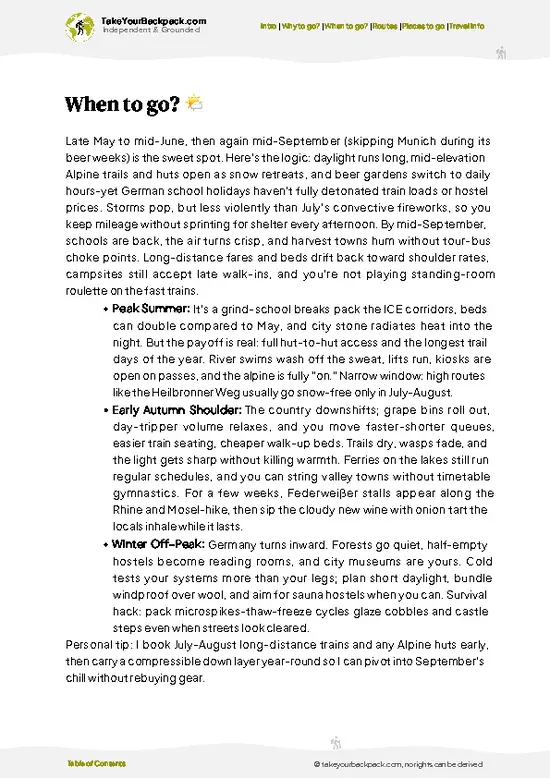
  • Weather: The sweet spot is May through September when Heligoland sheds its chill. Expect highs around 15-20°C (59-68°F) in May and up to 22°C (72°F) in July and August. Outside these months, brace for brisk winds and rain that can turn your plans sideways.

  • Temperature: Spring and summer bring mild, pleasant temps perfect for hiking and beach time. Winters hover around 0-5°C (32-41°F), which is doable but not exactly cozy for backpackers craving outdoor adventure.

  • Daylight Hours: Long summer days stretch from May to August, giving you up to 17 hours of light in June. This means more time to explore without rushing, a luxury on a short trip.

  • Crowds: July and August pack the island with tourists, especially Germans escaping the mainland. If you want elbow room, aim for May, June, or
read more 👉

  • Weather: The sweet spot is May through September when Heligoland sheds its chill. Expect highs around 15-20°C (59-68°F) in May and up to 22°C (72°F) in July and August. Outside these months, brace for brisk winds and rain that can turn your plans sideways.

  • Temperature: Spring and summer bring mild, pleasant temps perfect for hiking and beach time. Winters hover around 0-5°C (32-41°F), which is doable but not exactly cozy for backpackers craving outdoor adventure.

  • Daylight Hours: Long summer days stretch from May to August, giving you up to 17 hours of light in June. This means more time to explore without rushing, a luxury on a short trip.

  • Crowds: July and August pack the island with tourists, especially Germans escaping the mainland. If you want elbow room, aim for May, June, or September when the vibe is relaxed but the weather still plays nice.

  • Seasonal Activities: Summer is prime for boat tours, birdwatching, and beach lounging. Spring offers wildflower blooms and quieter trails. Winter’s off-season means fewer services and a more ghost-town feel, not ideal for first-timers.

  • Price Fluctuations: Expect peak prices in July and August. Booking in shoulder months like May or September can save you a chunk without sacrificing much on experience or weather.


Pro-tip: Hit Heligoland in late May or early September—weather’s solid, crowds thin, and you’ll snag better deals. It’s the insider’s window for a trip that feels like you own the island.


source: climatestotravel.comJANJanuary: below average for travelingFEBFebruary: below average for travelingMARMarch: fair for travelingAPRApril: good for travelingMAYMay: excellent for travelingJUNJune: highly recommended for travelingJULJuly: good for travelingAUGAugust: good for travelingSEPSeptember: excellent for travelingOCTOctober: good for travelingNOVNovember: fair for travelingDECDecember: below average for traveling
germany-region-heligoland
© Google |

✈️ The backpacker research shortcutGermany Travel Guide

An offline-friendly backpacking guide with optimized travel routes, ranked highlights, transport advice, and the best areas to stay.
example page 0 from our offline Travel Guide for Germany
example page 1 from our offline Travel Guide for Germany
example page 2 from our offline Travel Guide for Germany
example page 3 from our offline Travel Guide for Germany
example page 4 from our offline Travel Guide for Germany
example page 5 from our offline Travel Guide for Germany
example page 6 from our offline Travel Guide for Germany
example page 7 from our offline Travel Guide for Germany
The digital guide (514 pages) contains:
140 highlights, ranked by travel appeal
Optimized 7, 14 & 21-day travel routes
Cities, national parks, landmarks, beaches
How to get around
Offline-friendly for travel without Wi-Fi
👉 Click to see all 30+ guide features

📅 Plan smarter in minutes, not weeks
Month by month travel advice
Festivals & national holidays
Budget expectations

🗺️ Go to the right places, skip the overrated ones
Honest pros & cons of destinations
Top hikes, parks & viewpoints
Lesser-known places most travelers miss
Clear “worth it vs skip it” guidance

🛏️ Travel smoothly without rookie mistakes
Best areas to stay
Transport systems explained simply
Common scams & safety advice
SIM cards, money & practical tips

🌍 Understand the country, not just visit it
Culture & traditions
52 Essential phrases & customs
Festivals worth planning around
Traveler-friendly historical context
Insights that make places more meaningful

📱 Built for real travel conditions
Fully downloadable PDF
Works completely offline
Optimized for phone use
Useful in remote areas & buses
Everything in one place
Save weeks of stressful planning
Get instant access to your full guide. 30‑day money-back guarantee.
+ Add another guide for just €6.50

By proceeding you agree to our terms.
Sent to your inbox immediately after payment • 100% Secure Checkout
Best Backpacking Travel Advisor 2025 tourism awardBest Backpacking
Travel Advisor
2025
What others say about Take Your Backpack Guides:
⭐⭐⭐⭐⭐
Fantastic, amazing amount of information!
⭐⭐⭐⭐⭐
My goodness this is amazing, it's what I've been looking for hats off too you!
⭐⭐⭐⭐⭐
I think this is absolutely BRILLIANT
⭐⭐⭐⭐
Very complete and informative. It's still missing places, but I gotta to commend you
⭐⭐⭐⭐⭐
This is truly amazing, thank you, can't wait to explore it with my kids!
⭐⭐⭐⭐⭐
Awesome resource, thank you!
⭐⭐⭐⭐⭐
This is amazing! Can't wait to explore the ones I haven't seen
⭐⭐⭐⭐
I love this! Well done, great idea.
⭐⭐⭐⭐⭐
Thanks for taking the time to make this gem!
⭐⭐⭐⭐⭐
This might be the best website I've ever seen.
⭐⭐⭐⭐⭐
Congratulations, and thank you so much for your work; it's incredibly valuable.
⭐⭐⭐⭐
In all seriousness I think you did a great job pointing out the important spots
⭐⭐⭐⭐⭐
10/10 very good
⭐⭐⭐⭐⭐
As someone who's only just starting to visit regularly this is awesome, thank you.
⭐⭐⭐⭐
Thank you very much! I'm going to visit my dad, it's going to be very useful!
⭐⭐⭐⭐⭐
This is really cool! We'll be travelling for the first time and this definitely come in handy.
⭐⭐⭐⭐⭐
You are now our minister of culture, congratulations 👨‍💼
⭐⭐⭐⭐⭐
Just wanted to tell you that this is a pearl! Going to follow your recommendations.
⭐⭐⭐⭐⭐
This is so cool. I'll definitely be using the resource for my travels soon.
⭐⭐⭐⭐⭐
This is very impressive! Good work.
⭐⭐⭐⭐⭐
This is an amazing and informative site. Very well done!

🛏️ Where to stay?Choosing the right base

Heligoland isn’t your typical backpacker hotspot, but that’s exactly why it’s a secret worth knowing. The main island, Helgoland itself, is where you want to drop your pack. It’s compact, safe, and surprisingly social for such a remote spot. The vibe here is low-key but lively enough to meet other travelers, especially in the summer when the ferry crowds roll in. Staying on the main island means you’re steps away from the red sandstone cliffs and the quirky little town center where locals and backpackers mix over fresh seafood and cold beer.

If you’re looking to stretch your budget, forget the … read more 👉
Heligoland isn’t your typical backpacker hotspot, but that’s exactly why it’s a secret worth knowing. The main island, Helgoland itself, is where you want to drop your pack. It’s compact, safe, and surprisingly social for such a remote spot. The vibe here is low-key but lively enough to meet other travelers, especially in the summer when the ferry crowds roll in. Staying on the main island means you’re steps away from the red sandstone cliffs and the quirky little town center where locals and backpackers mix over fresh seafood and cold beer.

If you’re looking to stretch your budget, forget the mainland towns like Cuxhaven or Büsum—they’re fine but don’t offer the same intimate, off-the-radar feel. Helgoland’s compactness means you can walk everywhere, saving on transport and time. Plus, the ferry schedules are a bit quirky—arrive early or late to dodge the tourist rush and snag better prices. The island’s safety is a given; it’s a small community where everyone knows everyone, so solo travelers can relax without the usual city jitters.

For a social scene, the harbor area is your go-to. It’s where day-trippers and backpackers converge, especially in the evenings. You’ll find impromptu gatherings, local stories, and a chance to swap travel tips with fellow adventurers. The trade-off? You’re paying a premium on the island, but the time saved and the unique atmosphere make it worth every cent. Heligoland is a rare blend of isolation and connection—perfect for backpackers who want to feel like insiders, not tourists.

🚌 Getting aroundMoving around without the hassle

Heligoland moves to a rhythm that’s part clockwork, part island whimsy. You’re not dealing with a sprawling metro system or endless highways here—this is a place where the sea sets the schedule, and the locals know that sometimes you just have to roll with it. The ferries and boats don’t run every hour on the hour, but they’re reliable enough if you plan smart. Once you’re on the island, it’s all about slow, deliberate movement—no cars, no rush, just the occasional bike or electric cart buzzing by. Comfort is simple, schedules are lean, and your best bet is to sync your plans tightly with the ferry times. Miss one, and you’re looking at a long wait or an expensive helicopter ride. Here’s the lowdown on how to get around without blowing your budget or your patience.


  • Ferry from Cuxhaven:
read more 👉
Heligoland moves to a rhythm that’s part clockwork, part island whimsy. You’re not dealing with a sprawling metro system or endless highways here—this is a place where the sea sets the schedule, and the locals know that sometimes you just have to roll with it. The ferries and boats don’t run every hour on the hour, but they’re reliable enough if you plan smart. Once you’re on the island, it’s all about slow, deliberate movement—no cars, no rush, just the occasional bike or electric cart buzzing by. Comfort is simple, schedules are lean, and your best bet is to sync your plans tightly with the ferry times. Miss one, and you’re looking at a long wait or an expensive helicopter ride. Here’s the lowdown on how to get around without blowing your budget or your patience.


  • Ferry from Cuxhaven: The main artery to Heligoland, these ferries run typically from early morning (around 8:00 AM) until late afternoon (about 5:00 PM). Tickets hover around €40-€50 one way, which feels steep but beats the helicopter if you’re on a budget. The ride takes about 2.5 to 3 hours, so bring snacks and a good book. It’s the slow, scenic route—comfort varies with the weather, so dress accordingly.


  • Ferry from Büsum: A shorter, more frequent option, this ferry is your go-to if you’re coming from the south. It’s cheaper, around €30-€40, and takes roughly 1.5 hours. The schedule is a bit tighter, with fewer daily runs, so locking in your departure time early is key. The boats are smaller but cozy, perfect for budget travelers who want to maximize island time.


  • Helicopter Service: Not for the faint of wallet, but if you’re strapped for time and willing to splurge, the helicopter cuts travel down to about 15 minutes. Prices start north of €100 one way, so it’s a sharp trade-off between time and money. Comfort is high, and the views are killer, but this is a luxury move, not a budget hack.


  • Island Electric Carts: Once on Heligoland, forget cars. The island is car-free, but electric carts zip around for quick hops. They’re affordable, around €5-€10 for short rides, and a fun way to cover ground without breaking a sweat. Perfect for when your legs get tired but you want to keep exploring.


  • Bicycle Rentals: For the truly budget-conscious and active, renting a bike is the way to go. Rates start at about €10 per day. The island’s small size means you can circle it in a couple of hours, and the fresh sea air makes every pedal stroke worth it. Just watch out for the wind—it can turn a casual ride into a workout.


Master Tactical Tip: Book your ferry tickets online at least a day in advance and aim for the earliest departure from Cuxhaven or Büsum. This not only guarantees your spot but also gives you the whole day on the island. Once there, rent a bike early to avoid the afternoon wind and use electric carts sparingly to save cash for a cold drink at the local pub. Time, money, and comfort all balanced like a pro.

🍲 FoodLocal Flavors for Backpackers

Heligoland’s food scene is a salty, sea-sprayed affair that punches way above its size. You’ll want to dive into the Fischbrötchen—a simple sandwich, but don’t be fooled. Freshly caught herring, mackerel, or plaice, lightly pickled and tucked into a crusty bun, hits your taste buds with a briny snap that screams North Sea. It’s the kind of snack you grab from a bustling harbor stall, where the air smells of salt, seaweed, and frying fish.

For drinks, the local Helgoländer Kümmel is a must-try. This caraway-flavored schnapps has a warming kick that locals swear by after a long day battling the wind. Sip it neat, and you’ll feel like you’re part of a centuries-old tradition, the kind that’s best enjoyed standing shoulder-to-shoulder with fishermen swapping stories.

Forget formal dining here. … read more 👉
Heligoland’s food scene is a salty, sea-sprayed affair that punches way above its size. You’ll want to dive into the Fischbrötchen—a simple sandwich, but don’t be fooled. Freshly caught herring, mackerel, or plaice, lightly pickled and tucked into a crusty bun, hits your taste buds with a briny snap that screams North Sea. It’s the kind of snack you grab from a bustling harbor stall, where the air smells of salt, seaweed, and frying fish.

For drinks, the local Helgoländer Kümmel is a must-try. This caraway-flavored schnapps has a warming kick that locals swear by after a long day battling the wind. Sip it neat, and you’ll feel like you’re part of a centuries-old tradition, the kind that’s best enjoyed standing shoulder-to-shoulder with fishermen swapping stories.

Forget formal dining here. The vibe is casual, with small cafés and market stalls where you’ll rub elbows with locals. Eating out is about quick, hearty bites—no fuss, just honest flavors. When you sit down, don’t expect a long menu or slow service; Heligoland’s pace is brisk, like the sea breeze. And a heads-up: tipping isn’t a big deal, but a smile and a “Danke” go a long way. This is food that’s meant to be shared, savored, and remembered—not just consumed.

FAQCommon questions from travelers

2 to 3 days are sufficient to explore Heligoland thoroughly. This allows time to visit the main attractions like the Lange Anna rock formation, the bird sanctuary, and the local museums. It also provides a chance to enjoy the island's unique red cliffs and beaches.
You get around Heligoland primarily on foot, as the island is small, about 1 square kilometer. Bicycles are available for rent, and there are electric carts for those with mobility issues. Cars are not allowed on the island, making walking the most practical option.
Heligoland is known for its striking red sandstone cliffs, especially the iconic Lange Anna sea stack. It is also famous for its birdwatching opportunities, being a key stopover for migratory birds. Additionally, the island has a unique tax-free status, attracting shoppers.
⚠️ Things can change over time, so always validate details locally before you go.

Other German regions near Heligoland

Explore more nearby:

  • Wadden Sea—Mudflats, tidal walks, migratory birds| 60 km away
  • Baltrum—Car-free island, tidal flats, thatched cottages| 63 km away
  • Borkum—Wide beaches, health resorts, maritime heritage| 104 km away

💡 Not sure where to go next?
Create a personalized itinerary for Germany including Heligoland and the places that fit your trip.

Generate my itinerary

👉 Discover all regions

Or checkout all Germany has to offer (think cities, towns, villages, national parks, hikes, beaches, festivals)
Country photo of Germany

We 💚 feedbackKey takeaways before you go

Heligoland is a rare kind of escape—raw North Sea winds, red sandstone cliffs, and a pace that forces you to slow down. It’s not about luxury or endless options; it’s about a sharp, salty reset. But heads up: getting there is a bit of a commitment. Ferries run on a tight schedule, and rough seas can throw a wrench in your plans. If you’re cool with that trade-off, you’re in for something genuinely different.

✈️ When did I visit Germany?
Being a neighbouring country of my home base, I visited Germany many times.

✍️ Help improve this page!
The information on this page is based on my own backpacking experience in Germany, supplemented with up-to-date research and feedback from other travelers. Travel details can change, so if you notice anything outdated or incomplete, feel free to let me know.


🙋‍♂️ Give feedback

👋 Meet the founderWho’s Behind Take Your Backpack?

Johan, backpacker and founder of TakeYourBackpackHi, I’m Johan (Netherlands 🇳🇱), the creator of TakeYourBackpack. Over the past decade, I’ve backpacked through 80+ countries across six continents, gaining extensive experience with independent travel, long-term trips, and overland routes.

This site is built on a combination of firsthand travel experience and carefully curated insights from other backpackers. Many guides are based on places I’ve personally visited, while others bring together tips, observations, and practical advice shared by trusted travelers I’ve met along the way.

The goal is to provide realistic, experience-driven guidance — not generic itineraries — so you can explore destinations with better context, clearer expectations, and more confidence.

Get full Germany guide •
Instant download • 140 highlights • Full Offline guide