×

Germany🇩🇪 | best regionsThe 8 Top regions in Germany

Germany’s diverse regions offer a rich tapestry of experiences that can significantly shape your backpacking journey. Each area boasts unique climate, landscapes, and cultural character, making your choice of region crucial. For instance, the Bavarian Alps provide stunning mountain vistas and winter sports, while the Rhine Valley enchants with its vineyards and castles.

Understanding regional nuances is key. Northern Germany’s coastal areas are cooler and breezier, perfect for summer cycling trips, while the south tends to be warmer, ideal for hiking in spring and fall. This affects not just the vibe but also your budget; popular tourist spots can be pricier, especially in peak seasons.

Safety and ease of travel vary too; urban centers like Berlin and Munich are well-connected, while rural areas may require more planning. Ultimately, selecting the right region enhances your cultural immersion and ensures a more satisfying, independent travel experience.

By Johan Kruseman 🇳🇱 | Updated September 5, 2026
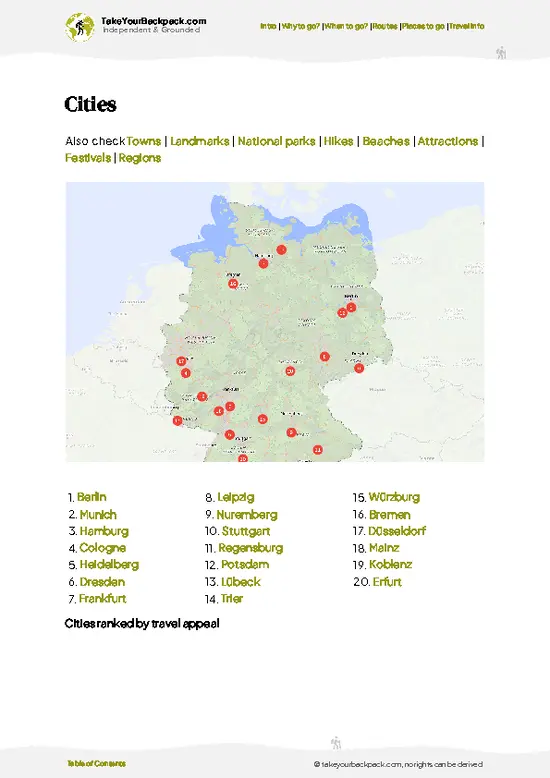
Explore the best cities in Germany

Why go?Key Factors That Shape the Experience

Germany’s regions are a tapestry of climatic diversity, cultural character, and landscapes that set them apart from other countries. The northern coastlines offer a maritime climate, while the southern Alps present a more alpine atmosphere. This variety allows travelers to experience everything from breezy beaches to snow-capped peaks within a few hours’ drive.

The cultural richness across regions is profound. Each area boasts distinct traditions, dialects, and culinary delights, reflecting Germany’s complex history. This cultural mosaic means that a traveler can immerse themselves in a festive atmosphere in Bavaria, then shift to the sophisticated art scene of Berlin, all while navigating a highly efficient transportation network.

However, this efficiency comes with trade-offs. While … read more 👉
Germany’s regions are a tapestry of climatic diversity, cultural character, and landscapes that set them apart from other countries. The northern coastlines offer a maritime climate, while the southern Alps present a more alpine atmosphere. This variety allows travelers to experience everything from breezy beaches to snow-capped peaks within a few hours’ drive.

The cultural richness across regions is profound. Each area boasts distinct traditions, dialects, and culinary delights, reflecting Germany’s complex history. This cultural mosaic means that a traveler can immerse themselves in a festive atmosphere in Bavaria, then shift to the sophisticated art scene of Berlin, all while navigating a highly efficient transportation network.

However, this efficiency comes with trade-offs. While Germany’s infrastructure is robust, allowing for quick travel between regions, the time spent in transit can limit the depth of exploration. A traveler might find themselves racing through experiences rather than savoring them. For instance, a day trip from Munich to the Black Forest might offer stunning views but could leave little time for meaningful engagement with local culture.

Moreover, the geographic layout influences accessibility. Regions like the Rhineland are well-connected, making them easy to explore, while more remote areas may require additional planning. This can be a double-edged sword: the allure of hidden landscapes might be offset by the effort needed to reach them.

In summary, understanding these dynamics allows travelers to make informed choices. Balancing travel distance with the breadth of experiences is key to unlocking the full potential of Germany’s diverse regions.
Evaluating the Top Choices
The list of best regions in Germany is created based on landscapes, local culture, attractions, vibes, and overall appeal. If you feel a region is missing in this list, please let us know.

When to go?Optimal Periods for Travel

Climate Variation

Germany’s climate varies significantly from north to south and east to west. The northern regions experience a maritime climate, leading to milder winters and cooler summers. In contrast, the southern areas, particularly the Alps, have a continental climate, resulting in colder winters and warmer summers. Understanding these patterns is crucial for planning.

Optimal Months

The best time to visit is generally late spring to early autumn. This period offers comfortable temperatures and longer daylight hours. Late May to early September is ideal for outdoor activities and festivals. However, summer can bring crowds, especially in popular areas.

Shoulder Seasons

Visiting during the shoulder seasons—spring and autumn—can provide a balanced experience. March to April and … read more 👉

Climate Variation

Germany’s climate varies significantly from north to south and east to west. The northern regions experience a maritime climate, leading to milder winters and cooler summers. In contrast, the southern areas, particularly the Alps, have a continental climate, resulting in colder winters and warmer summers. Understanding these patterns is crucial for planning.

Optimal Months

The best time to visit is generally late spring to early autumn. This period offers comfortable temperatures and longer daylight hours. Late May to early September is ideal for outdoor activities and festivals. However, summer can bring crowds, especially in popular areas.

Shoulder Seasons

Visiting during the shoulder seasons—spring and autumn—can provide a balanced experience. March to April and late September to October often feature fewer tourists, lower accommodation costs, and pleasant weather. However, travelers should be prepared for unpredictable weather, including occasional rain or chilly evenings.

Peak Periods

Certain events, like Oktoberfest or Christmas markets, draw significant crowds. These peak periods can enhance the experience but also come with higher prices and limited availability. Planning around these events requires early bookings and flexibility in itinerary.

Seasonal Constraints

Winter can be harsh, especially in the south, limiting outdoor activities. Snow can enhance the charm of certain regions but may also restrict access to some attractions. Conversely, summer heat can be intense in urban areas, making outdoor exploration less comfortable. Balancing comfort with experience is key to optimizing travel plans.

region hoppingSuggested Travel Strategies

General Routing Logic

Germany’s regions are like pieces of a puzzle, each offering unique experiences. Start by clustering regions based on proximity. For example, the Rhine Valley and Bavaria are both easily accessible from Frankfurt. This minimizes travel time and maximizes exploration.

Typical Time Needed

Allocate at least two to three days per major region. This allows for a deeper dive into local culture, cuisine, and attractions without feeling rushed. For smaller towns or specific attractions, a day may suffice. However, rushing through can lead to missed opportunities for authentic experiences.

Common Planning Mistakes

One common pitfall is trying to see too much in too little time. Avoid the temptation to cram in multiple regions without considering travel times. Germany’s efficient … read more 👉

General Routing Logic

Germany’s regions are like pieces of a puzzle, each offering unique experiences. Start by clustering regions based on proximity. For example, the Rhine Valley and Bavaria are both easily accessible from Frankfurt. This minimizes travel time and maximizes exploration.

Typical Time Needed

Allocate at least two to three days per major region. This allows for a deeper dive into local culture, cuisine, and attractions without feeling rushed. For smaller towns or specific attractions, a day may suffice. However, rushing through can lead to missed opportunities for authentic experiences.

Common Planning Mistakes

One common pitfall is trying to see too much in too little time. Avoid the temptation to cram in multiple regions without considering travel times. Germany’s efficient train system can be a double-edged sword; while it connects regions quickly, it can also lead to a fragmented experience if stops are too brief.

Trade-offs and Constraints

Balancing speed with depth is crucial. Quick visits may save time but often result in superficial experiences. Conversely, spending too long in one area can limit exposure to the country’s diverse offerings. Budget considerations also play a role; while high-speed trains are convenient, they can be pricier than regional options.

Realistic Pacing and Flexibility

Maintain flexibility in your itinerary. Allow for spontaneous detours or extended stays in places that resonate. This adaptability can lead to unexpected rewards, enriching the overall journey. Strategic planning, combined with a willingness to embrace the unplanned, will unlock a more rewarding experience across Germany’s regions.

The ListThe Best regions of Germany

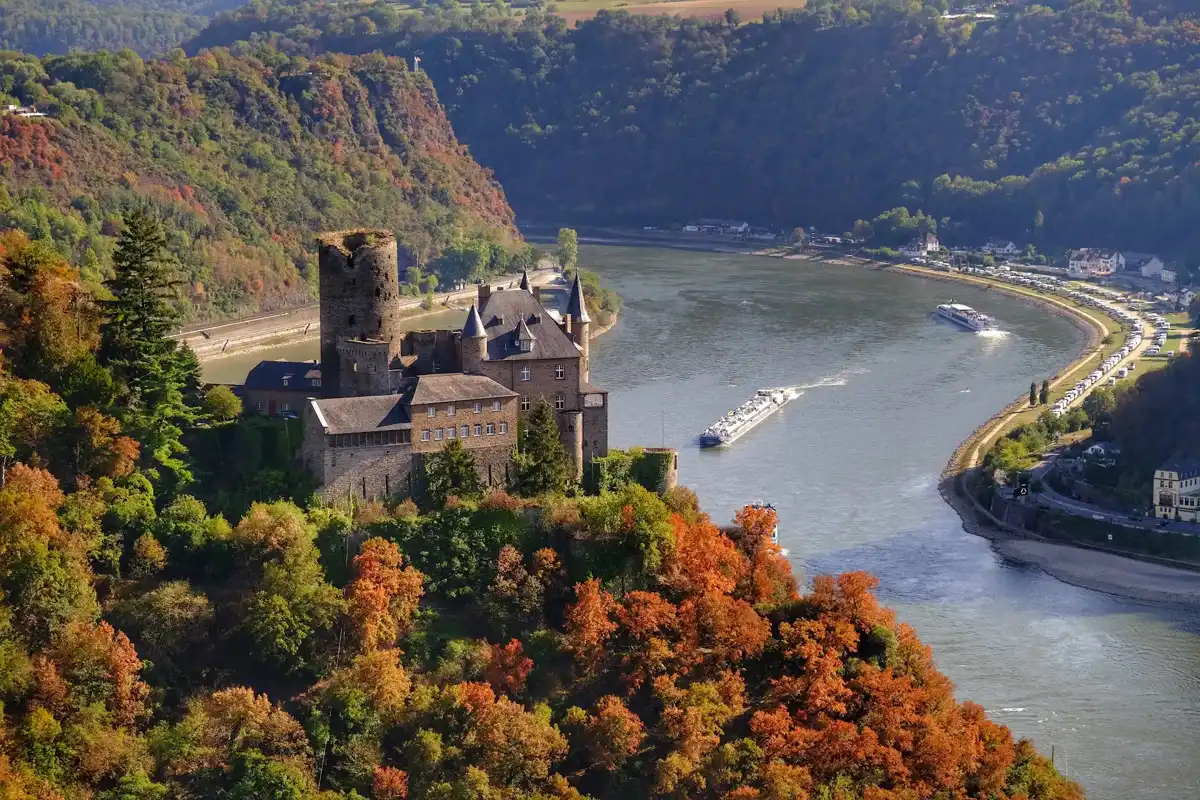
1 Rhine Valley

Castle ruins, terraced hills, legendary river

Travel between fortress-topped cliffs and vineyard terraces, discovering folklore and panoramic views along Germany’s most storied waterway.

2 Bodensee

Alpine lake, vineyard slopes, medieval towns

Follow lakeside trails between three countries, sampling local wines and exploring centuries-old settlements along the water’s edge.

germany-region-bodensee
© Google | Pierre Jope

3 Moselle Valley

Steep vineyards, river bends, half-timbered villages

Cycle or cruise past hillside vines and medieval architecture, pausing in riverside towns known for their wine and relaxed pace.

germany-region-moselle-valley
© Google | Arkadiusz Gowik

4 Rügen Island

Chalk cliffs, seaside resorts, beech forests

Walk beneath towering white cliffs, explore historic spa towns, and wander through ancient woodlands bordering the Baltic Sea.

5 Wadden Sea

Mudflats, tidal walks, migratory birds

Join guided excursions across exposed seabeds, observing unique ecosystems and seasonal wildlife along this UNESCO-listed coastal region.

germany-region-wadden-sea
© Google |

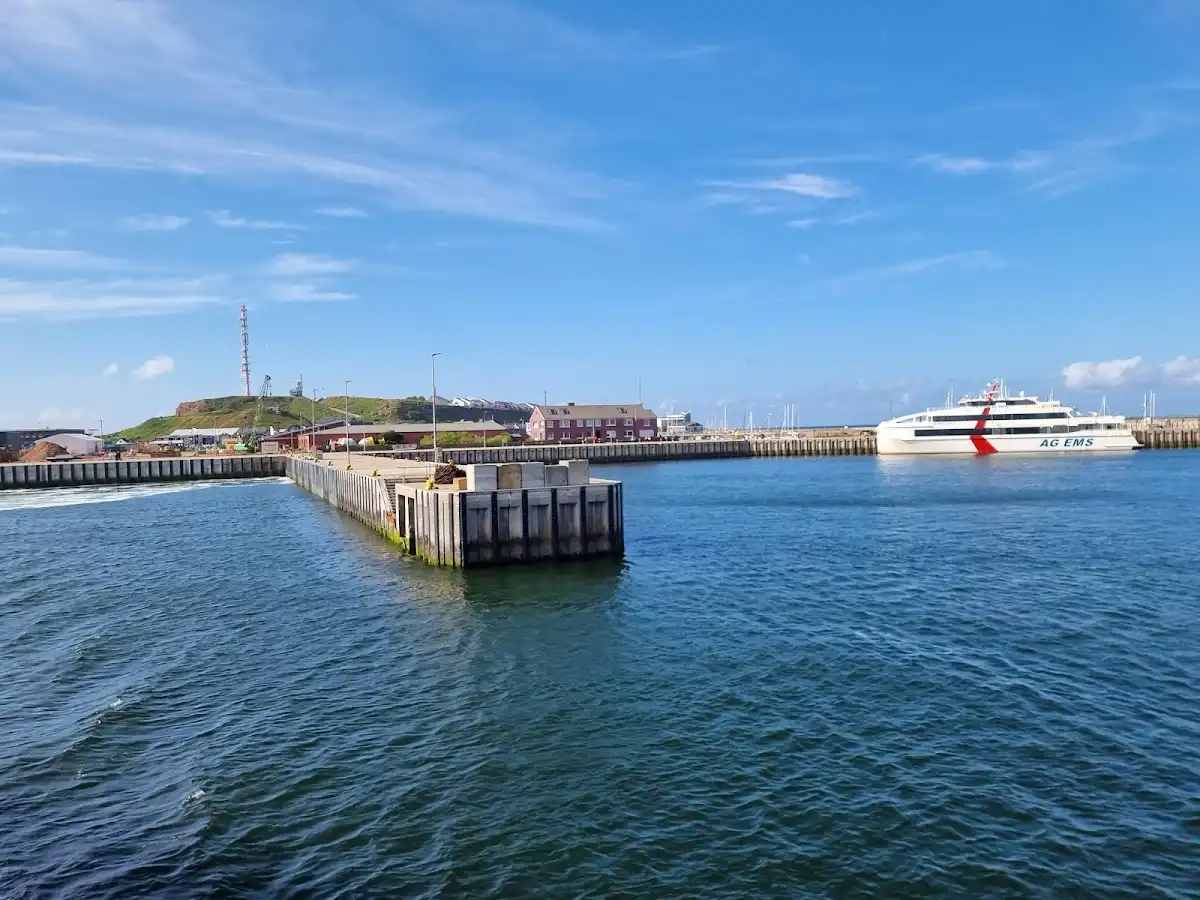
6 Heligoland

Red cliffs, offshore wildlife, duty-free shopping

Visit a remote archipelago where dramatic rock formations, nesting seabirds, and tax-free shops create a distinct North Sea atmosphere.

germany-region-heligoland
© Google |

7 Borkum

Wide beaches, health resorts, maritime heritage

Relax on expansive sands, breathe in salty air, and observe the blend of spa culture and seafaring traditions unique to this island.

germany-region-borkum
© Google | Holger Pyrkatz

8 Baltrum

Car-free island, tidal flats, thatched cottages

Experience a quiet North Sea escape where sandy dunes, shifting tides, and small-scale village life set the daily rhythm.

Loading the map 🌍

Expert viewExpert Commentary on regions

Geographic Diversity
Germany is a patchwork of landscapes, each region offering a unique flavor. The north boasts flat plains and the North Sea, while the south features the Alps and rolling hills. This diversity means that your itinerary should reflect a balance of experiences. Aim for three to five regions to get a well-rounded taste of what Germany has to offer. Fewer regions can lead to a superficial experience, while too many can leave you feeling rushed.

Consider the time it takes to travel between regions. High-speed trains connect major hubs efficiently, but the scenic routes can be slower yet more rewarding. If you’re keen on soaking in the countryside, factor in extra time for those picturesque journeys. Each region has its own rhythm, and rushing through can rob you of the local … read more 👉
Geographic Diversity
Germany is a patchwork of landscapes, each region offering a unique flavor. The north boasts flat plains and the North Sea, while the south features the Alps and rolling hills. This diversity means that your itinerary should reflect a balance of experiences. Aim for three to five regions to get a well-rounded taste of what Germany has to offer. Fewer regions can lead to a superficial experience, while too many can leave you feeling rushed.

Consider the time it takes to travel between regions. High-speed trains connect major hubs efficiently, but the scenic routes can be slower yet more rewarding. If you’re keen on soaking in the countryside, factor in extra time for those picturesque journeys. Each region has its own rhythm, and rushing through can rob you of the local culture.

Transport Between Regions
Germany’s transport system is a marvel, but understanding its nuances is key to maximizing your experience. Trains are the backbone of inter-regional travel, with Deutsche Bahn offering extensive coverage. However, not all routes are created equal. Some regions, particularly in the east, may have less frequent service. If you’re planning to visit the more remote areas, be prepared for longer waits and limited options.

Consider using regional passes for cost-effective travel. They often include local transport, which can save you money and hassle. However, these passes may not cover all routes, so check the fine print. If you’re traveling during peak times, book your tickets in advance to avoid standing room only.

Cultural Variation
Cultural experiences vary dramatically from one region to another. The south is known for its hearty cuisine and traditional festivals, while the north leans toward maritime influences and a more laid-back lifestyle. Understanding these cultural nuances will help you prioritize your visits.

For instance, if you’re drawn to vibrant local traditions, plan your trip around regional festivals. However, be aware that accommodations can fill up quickly during these events, so book early. Conversely, if you prefer a quieter experience, consider visiting just after a festival when the crowds have thinned but the local spirit remains.

Pacing Trade-Offs
Pacing is crucial in Germany. The country’s efficient transport system can create a false sense of urgency. You might be tempted to cram in too many regions, but this can lead to burnout. Instead, focus on quality over quantity. Spend a few days in each region to truly absorb the local culture and lifestyle.

If you’re short on time, prioritize regions that are geographically close. This allows you to minimize travel time and maximize exploration. For example, visiting regions in the same state can provide a cohesive experience without the hassle of long-distance travel.

Safety & Cultural Considerations
Germany is generally safe for travelers, but regional differences exist. In urban areas, be mindful of your belongings, especially in crowded places. In rural regions, the pace is slower, and locals are often more welcoming. However, language barriers can arise, particularly in less touristy areas. Learning a few basic phrases in German can go a long way in building rapport.

Cultural norms also vary. In the south, for example, you might find a more traditional approach to dining and social interactions. In contrast, the north tends to be more casual. Understanding these subtleties can enhance your interactions and make your experience richer.

Planning and Prioritizing Regions
When planning your trip, start by identifying your interests. Are you drawn to history, nature, or culinary experiences? This will guide your regional choices. Once you’ve narrowed down your options, consider the logistics. Look at train schedules, accommodation availability, and local events.

Don’t hesitate to adjust your plans based on what you discover. If a particular region captivates you, allow yourself the flexibility to stay longer. Conversely, if you find a region doesn’t resonate, don’t be afraid to move on.

In summary, Germany’s regions offer a wealth of experiences, but understanding the system behind them is essential for a smooth journey. By focusing on geographic diversity, efficient transport, cultural variation, and pacing, you can unlock a more profound and satisfying travel experience. Embrace the journey, and let each region reveal its unique story.

✈️ The backpacker research shortcutGermany Travel Guide

An offline-friendly backpacking guide with optimized travel routes, ranked highlights, transport advice, and the best areas to stay.
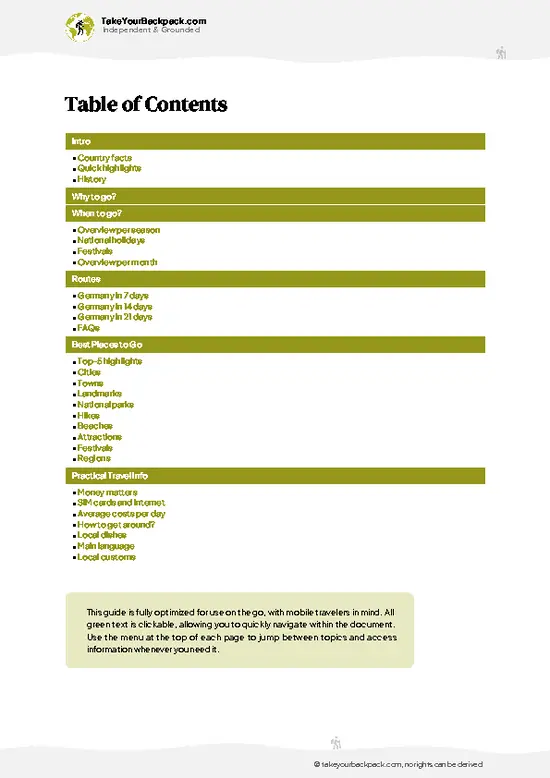
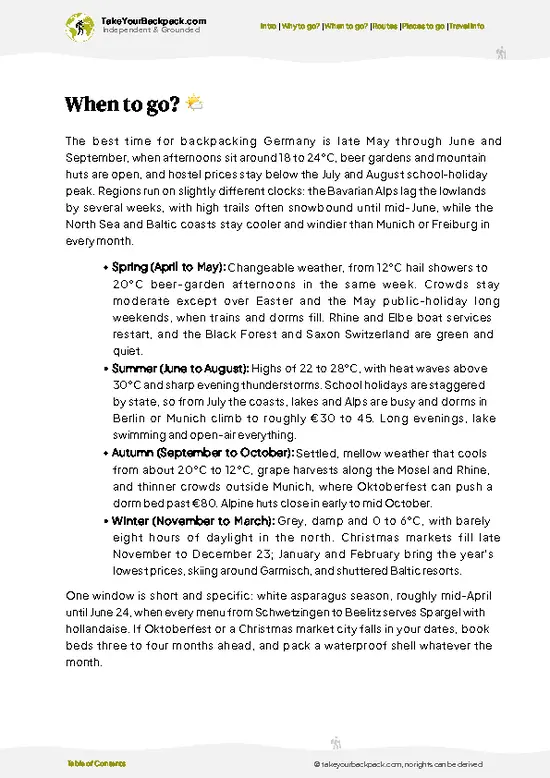
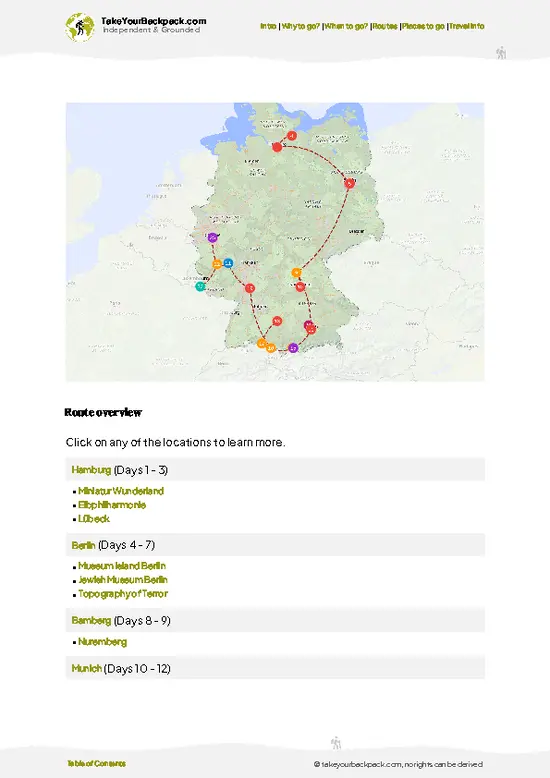
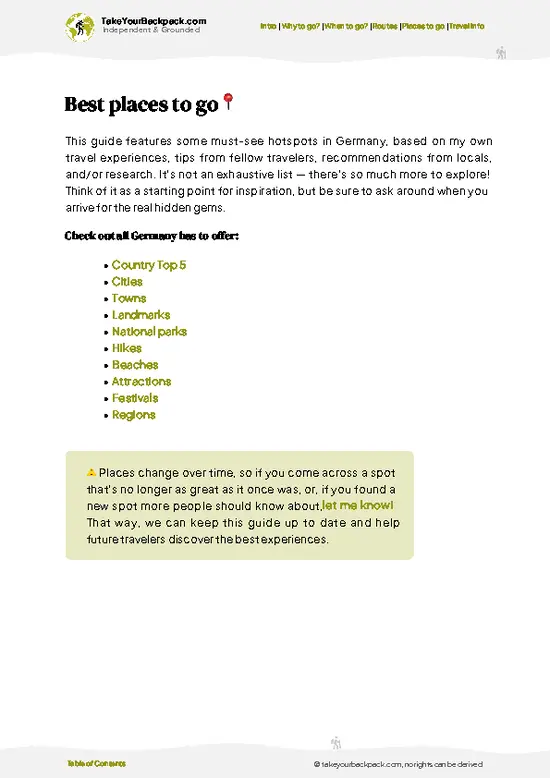
example page 0 from our offline Travel Guide for Germany
example page 1 from our offline Travel Guide for Germany
example page 2 from our offline Travel Guide for Germany
example page 3 from our offline Travel Guide for Germany
example page 4 from our offline Travel Guide for Germany
example page 5 from our offline Travel Guide for Germany
example page 6 from our offline Travel Guide for Germany
example page 7 from our offline Travel Guide for Germany
The digital guide (514 pages) contains:
140 highlights, ranked by travel appeal
Optimized 7, 14 & 21-day travel routes
Cities, national parks, landmarks, beaches
How to get around
Offline-friendly for travel without Wi-Fi
👉 Click to see all 30+ guide features

📅 Plan smarter in minutes, not weeks
Month by month travel advice
Festivals & national holidays
Budget expectations

🗺️ Go to the right places, skip the overrated ones
Honest pros & cons of destinations
Top hikes, parks & viewpoints
Lesser-known places most travelers miss
Clear “worth it vs skip it” guidance

🛏️ Travel smoothly without rookie mistakes
Best areas to stay
Transport systems explained simply
Common scams & safety advice
SIM cards, money & practical tips

🌍 Understand the country, not just visit it
Culture & traditions
52 Essential phrases & customs
Festivals worth planning around
Traveler-friendly historical context
Insights that make places more meaningful

📱 Built for real travel conditions
Fully downloadable PDF
Works completely offline
Optimized for phone use
Useful in remote areas & buses
Everything in one place
Save weeks of stressful planning
Get instant access to your full guide. 30‑day money-back guarantee.
+ Add another guide for just US$7.80

By proceeding you agree to our terms.
Sent to your inbox immediately after payment • 100% Secure Checkout
Best Backpacking Travel Advisor 2025 tourism awardBest Backpacking
Travel Advisor
2025
What others say about Take Your Backpack Guides:
⭐⭐⭐⭐⭐
Fantastic, amazing amount of information!
⭐⭐⭐⭐⭐
My goodness this is amazing, it's what I've been looking for hats off too you!
⭐⭐⭐⭐⭐
I think this is absolutely BRILLIANT
⭐⭐⭐⭐
Very complete and informative. It's still missing places, but I gotta to commend you
⭐⭐⭐⭐⭐
This is truly amazing, thank you, can't wait to explore it with my kids!
⭐⭐⭐⭐⭐
Awesome resource, thank you!
⭐⭐⭐⭐⭐
This is amazing! Can't wait to explore the ones I haven't seen
⭐⭐⭐⭐
I love this! Well done, great idea.
⭐⭐⭐⭐⭐
Thanks for taking the time to make this gem!
⭐⭐⭐⭐⭐
This might be the best website I've ever seen.
⭐⭐⭐⭐⭐
Congratulations, and thank you so much for your work; it's incredibly valuable.
⭐⭐⭐⭐
In all seriousness I think you did a great job pointing out the important spots
⭐⭐⭐⭐⭐
10/10 very good
⭐⭐⭐⭐⭐
As someone who's only just starting to visit regularly this is awesome, thank you.
⭐⭐⭐⭐
Thank you very much! I'm going to visit my dad, it's going to be very useful!
⭐⭐⭐⭐⭐
This is really cool! We'll be travelling for the first time and this definitely come in handy.
⭐⭐⭐⭐⭐
You are now our minister of culture, congratulations 👨‍💼
⭐⭐⭐⭐⭐
Just wanted to tell you that this is a pearl! Going to follow your recommendations.
⭐⭐⭐⭐⭐
This is so cool. I'll definitely be using the resource for my travels soon.
⭐⭐⭐⭐⭐
This is very impressive! Good work.
⭐⭐⭐⭐⭐
This is an amazing and informative site. Very well done!

🛏️ Where to stay?Best Places to Stay in Germany

Yes — Germany has abundant hostels or budget accommodation in every major city, concentrated in central and nightlife neighborhoods.

Top clusters are central districts and creative quarters: Berlin (Mitte, Kreuzberg, Friedrichshain) and Hamburg (St. Pauli, St. Georg) give the best mix of cheap beds, late‑night bars, and direct access to sights; Munich (Altstadt, Maxvorstadt, Schwabing), Cologne (Altstadt, Ehrenfeld) and Frankfurt (Bahnhofsviertel, Sachsenhausen) concentrate options near transport hubs and attractions but can be pricier and noisier.

Choose central neighborhoods for shortest transit to highlights at the cost of noise and higher rates; pick edge or creative districts for lower … read more 👉
Yes — Germany has abundant hostels or budget accommodation in every major city, concentrated in central and nightlife neighborhoods.

Top clusters are central districts and creative quarters: Berlin (Mitte, Kreuzberg, Friedrichshain) and Hamburg (St. Pauli, St. Georg) give the best mix of cheap beds, late‑night bars, and direct access to sights; Munich (Altstadt, Maxvorstadt, Schwabing), Cologne (Altstadt, Ehrenfeld) and Frankfurt (Bahnhofsviertel, Sachsenhausen) concentrate options near transport hubs and attractions but can be pricier and noisier.

Choose central neighborhoods for shortest transit to highlights at the cost of noise and higher rates; pick edge or creative districts for lower prices, more local character and better nightlife, but expect longer tram rides and variable quietness and safety after midnight.

If you enjoy meeting fellow travelers, consider choosing hostels with high ratings for atmosphere. On the other hand, if you prefer having your own space, a hotel might be a better option.

GermanyExplore Germany

👋 Meet the founderWho’s Behind Take Your Backpack?

Johan, backpacker and founder of TakeYourBackpackHi, I’m Johan (Netherlands 🇳🇱), the creator of TakeYourBackpack. Over the past decade, I’ve backpacked through 80+ countries across six continents, gaining extensive experience with independent travel, long-term trips, and overland routes.

This site is built on a combination of firsthand travel experience and carefully curated insights from other backpackers. Many guides are based on places I’ve personally visited, while others bring together tips, observations, and practical advice shared by trusted travelers I’ve met along the way.

The goal is to provide realistic, experience-driven guidance — not generic itineraries — so you can explore destinations with better context, clearer expectations, and more confidence.

Get full Germany guide •
Instant download • 140 highlights • Full Offline guide