v2.webp)
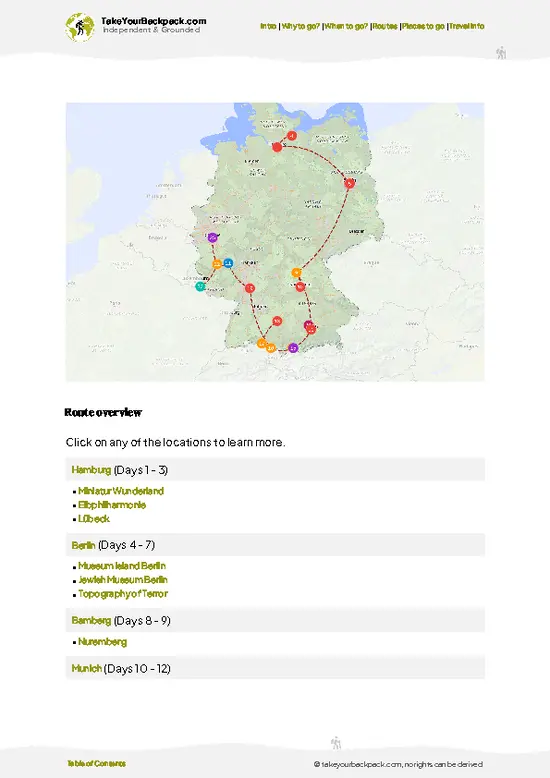
The Street Parade
This is the festival’s pulse. The parade barrels through Kreuzberg with a riot of color, sound, and movement. Imagine samba dancers in feathered costumes, Turkish drummers, Afro-Brazilian bloco bands, and floats built by Berlin’s immigrant communities, all moving as one kinetic organism. The energy is contagious—spectators become participants, pulled into the rhythm whether they planned to or not. If you want to feel the city’s multicultural heartbeat, this is where you plant your feet (or better yet, start moving them). Watch for the moments when a float’s music fuses with the crowd’s cheers and you realize: this isn’t just a parade, it’s a living, breathing celebration of difference.
Global Street Food Market
Skip the overpriced sit-down restaurants and dive into the food … read more 👉
This is the festival’s pulse. The parade barrels through Kreuzberg with a riot of color, sound, and movement. Imagine samba dancers in feathered costumes, Turkish drummers, Afro-Brazilian bloco bands, and floats built by Berlin’s immigrant communities, all moving as one kinetic organism. The energy is contagious—spectators become participants, pulled into the rhythm whether they planned to or not. If you want to feel the city’s multicultural heartbeat, this is where you plant your feet (or better yet, start moving them). Watch for the moments when a float’s music fuses with the crowd’s cheers and you realize: this isn’t just a parade, it’s a living, breathing celebration of difference.
Global Street Food Market
Skip the overpriced sit-down restaurants and dive into the food … read more 👉
The Street Parade
This is the festival’s pulse. The parade barrels through Kreuzberg with a riot of color, sound, and movement. Imagine samba dancers in feathered costumes, Turkish drummers, Afro-Brazilian bloco bands, and floats built by Berlin’s immigrant communities, all moving as one kinetic organism. The energy is contagious—spectators become participants, pulled into the rhythm whether they planned to or not. If you want to feel the city’s multicultural heartbeat, this is where you plant your feet (or better yet, start moving them). Watch for the moments when a float’s music fuses with the crowd’s cheers and you realize: this isn’t just a parade, it’s a living, breathing celebration of difference.
Global Street Food Market
Skip the overpriced sit-down restaurants and dive into the food stalls. This is where you’ll find the real flavor of Karneval der Kulturen. Ethiopian injera, Vietnamese bánh mì, Jamaican jerk chicken, Turkish gözleme—each stand is run by Berliners sharing their heritage, and the aromas alone will have you zigzagging between continents. The lines can snake around the block, but the payoff is worth it: you get a crash course in global cuisine, and your euros stretch further than anywhere else in the city during festival weekend. My personal favorite—hands down. I’ve lost count of how many times I’ve eaten my way from West Africa to Southeast Asia in a single afternoon here.
Open-Air Stages and Spontaneous Performances
Don’t get tunnel vision for the main parade. The side streets and squares erupt with music, dance, and theater from every corner of the globe. One moment, you’re caught in a Balkan brass band’s orbit; the next, you’re watching a capoeira circle or a flamenco troupe. These aren’t polished, ticketed shows—they’re raw, immediate, and sometimes improvised. The best moments happen when you stumble into a crowd, feel the bass in your chest, and realize you’ve discovered something you never knew you needed. This is Berlin’s creative chaos at its best.
Family and Kids’ Activities
Karneval der Kulturen isn’t just for the party crowd. There’s a dedicated children’s area with crafts, face painting, and storytelling, all designed to introduce kids to the world’s cultures in a hands-on way. It’s a rare festival where families can actually relax—no dodging broken glass or dodgy crowds. If you’re traveling with little ones, this is your safe harbor. Even solo adults will find the atmosphere infectious; there’s something grounding about watching kids from every background build puppets or dance together.
Eco and Fair-Trade Initiatives
Berlin doesn’t do anything halfway, and that includes sustainability. The festival has a strong focus on eco-friendly practices—think reusable cups, composting stations, and a ban on single-use plastics. Many vendors are local social enterprises or fair-trade collectives, so your spending supports real community projects. It’s not just greenwashing; you’ll see volunteers hustling to keep the streets clean and recycling bins everywhere. If you care about leaving a lighter footprint, this is the rare mega-event where your conscience can keep up with your appetite for adventure.
This is the festival’s pulse. The parade barrels through Kreuzberg with a riot of color, sound, and movement. Imagine samba dancers in feathered costumes, Turkish drummers, Afro-Brazilian bloco bands, and floats built by Berlin’s immigrant communities, all moving as one kinetic organism. The energy is contagious—spectators become participants, pulled into the rhythm whether they planned to or not. If you want to feel the city’s multicultural heartbeat, this is where you plant your feet (or better yet, start moving them). Watch for the moments when a float’s music fuses with the crowd’s cheers and you realize: this isn’t just a parade, it’s a living, breathing celebration of difference.
Global Street Food Market
Skip the overpriced sit-down restaurants and dive into the food stalls. This is where you’ll find the real flavor of Karneval der Kulturen. Ethiopian injera, Vietnamese bánh mì, Jamaican jerk chicken, Turkish gözleme—each stand is run by Berliners sharing their heritage, and the aromas alone will have you zigzagging between continents. The lines can snake around the block, but the payoff is worth it: you get a crash course in global cuisine, and your euros stretch further than anywhere else in the city during festival weekend. My personal favorite—hands down. I’ve lost count of how many times I’ve eaten my way from West Africa to Southeast Asia in a single afternoon here.
Open-Air Stages and Spontaneous Performances
Don’t get tunnel vision for the main parade. The side streets and squares erupt with music, dance, and theater from every corner of the globe. One moment, you’re caught in a Balkan brass band’s orbit; the next, you’re watching a capoeira circle or a flamenco troupe. These aren’t polished, ticketed shows—they’re raw, immediate, and sometimes improvised. The best moments happen when you stumble into a crowd, feel the bass in your chest, and realize you’ve discovered something you never knew you needed. This is Berlin’s creative chaos at its best.
Family and Kids’ Activities
Karneval der Kulturen isn’t just for the party crowd. There’s a dedicated children’s area with crafts, face painting, and storytelling, all designed to introduce kids to the world’s cultures in a hands-on way. It’s a rare festival where families can actually relax—no dodging broken glass or dodgy crowds. If you’re traveling with little ones, this is your safe harbor. Even solo adults will find the atmosphere infectious; there’s something grounding about watching kids from every background build puppets or dance together.
Eco and Fair-Trade Initiatives
Berlin doesn’t do anything halfway, and that includes sustainability. The festival has a strong focus on eco-friendly practices—think reusable cups, composting stations, and a ban on single-use plastics. Many vendors are local social enterprises or fair-trade collectives, so your spending supports real community projects. It’s not just greenwashing; you’ll see volunteers hustling to keep the streets clean and recycling bins everywhere. If you care about leaving a lighter footprint, this is the rare mega-event where your conscience can keep up with your appetite for adventure.
Spotted a mistake or missing something? Contact us.

5hours: Guide, Chauffeur & Photographer in Berlin private Tour

Private All-in-One Berlin Shore Excursion from Warnemünde Port

The History of Berlin City Center Tour Semi-Private 12ppl Max

Welcome to Berlin: Group Walking Tour

Private Cold War, Espionage, Berlin Wall, & the East Side Gallery

All-in-One Berlin Highlights on Foot: Private Walking Tour

The History of Berlin City Center Exclusive Guided Walking Tour

Berlin-Highlights-and-Rickshaw with Guide (Din EN 15565)

Small-Group Berlin Wall Bike Tour

 Best Backpacking
.jpg) Hi, I’m Johan (Netherlands 🇳🇱), the creator of TakeYourBackpack. Over the past 3 decades, I’ve backpacked through 90+ countries across six continents, gaining extensive experience with independent travel, long-term trips, and overland routes.
Hi, I’m Johan (Netherlands 🇳🇱), the creator of TakeYourBackpack. Over the past 3 decades, I’ve backpacked through 90+ countries across six continents, gaining extensive experience with independent travel, long-term trips, and overland routes.