×

Germany🇩🇪 | landmarksMaulbronn Monastery Complexmedieval cloisters, fortified walls, monastic workshops | things to do and best time to go

Explore Cologne CathedralExplore Naumburg Cathedral

Backpacking in Maulbronn Monastery Complex
UNESCO World Heritage site
👌 Worth visitingunique site ranked #7
By Johan Kruseman 🇳🇱 | Updated September 4, 2026

Your boots click on uneven stone, the air suddenly cool and damp as you step under the cloister arches; somewhere a bell rings, not loud, just enough to vibrate in your chest, and the smell is old wood, candle wax, and rain-soaked sandstone. This is Maulbronn Monastery Complex, tucked in Baden-Württemberg between Stuttgart and Karlsruhe, and it feels more like walking into a preserved thought than a building. For backpackers, it’s low-key brilliant: cheaper and calmer than the big-name German sights, with serious medieval wow-factor and almost absurdly photogenic courtyards. The downside: it’s not on most rail-buddy routes, so getting here takes intention, and parts can feel a bit museum-stiff. But if you’re into atmosphere over hype, Maulbronn quietly wipes the floor with half of Instagram Germany.

Discover everything you want to know in the 📖 Germany Travel Guide.


Get your Germany guide
140 ranked highlights, routes & tips, works offline (514 pages)
Loading the map 🌍
CLICK TO FILTER
cities
towns
landmarks
national parks
hikes
beaches
attractions
festivals
regions
SHOW COUNTRY’S BESTSHOW ALL

✨ Why go?
Ranked #7 unique site in Germany
Why visitors keep coming back

The Maulbronn Monastery Complex isn’t just another stop on your Germany itinerary; it’s a time capsule that whispers stories of the past. Sure, it can get crowded, especially in peak season, but that’s part of the experience. You’ll rub shoulders with history buffs and curious travelers alike, all drawn to its stunning architecture and serene gardens.

What makes this place worth your time? For starters, it’s affordable—entry fees are low, making it a budget-friendly gem. The unique blend of Romanesque and Gothic styles is a feast for the eyes, and the atmosphere? Pure tranquility.

Nestled in the Baden-Württemberg region, it fits seamlessly into a broader route that includes the charming towns of Pforzheim and Karlsruhe. You can easily spend a few hours here, soaking in the history and enjoying … read more 👉
The Maulbronn Monastery Complex isn’t just another stop on your Germany itinerary; it’s a time capsule that whispers stories of the past. Sure, it can get crowded, especially in peak season, but that’s part of the experience. You’ll rub shoulders with history buffs and curious travelers alike, all drawn to its stunning architecture and serene gardens.

What makes this place worth your time? For starters, it’s affordable—entry fees are low, making it a budget-friendly gem. The unique blend of Romanesque and Gothic styles is a feast for the eyes, and the atmosphere? Pure tranquility.

Nestled in the Baden-Württemberg region, it fits seamlessly into a broader route that includes the charming towns of Pforzheim and Karlsruhe. You can easily spend a few hours here, soaking in the history and enjoying a picnic in the courtyard. It’s not just a landmark; it’s a moment that enriches your journey.
Want to include Maulbronn Monastery Complex in your Germany route?
Create a personalized Germany itinerary that includes Maulbronn Monastery Complex and the places that fit your trip — based on your travel style, budget, and available time. Get your route in seconds.

Generate my trip

💡 HighlightsKey sights and experiences for travelers

  • Abbey Church (Klosterkirche) — The architectural heart of the complex: a striking mix of Romanesque solidity and early Gothic detail. Walk inside for surprisingly bright, lofty spaces and original medieval stonework that show how Cistercian austerity became quietly grand.
  • Cloister and Cloister Garden — A perfectly proportioned medieval courtyard where arches, columns and a peaceful herb garden still frame daily life. It’s the best place to feel how monks paced, prayed and worked in tight rhythms for centuries.
  • Medieval Refectory & Kitchen — One of Europe’s most intact monastery dining halls, complete with a huge open hearth and service windows. The size and setup give a real sense of communal life and the practical side of monastic culture.
  • Latrine Building and Sanitation System — Oddly
read more 👉
  • Abbey Church (Klosterkirche) — The architectural heart of the complex: a striking mix of Romanesque solidity and early Gothic detail. Walk inside for surprisingly bright, lofty spaces and original medieval stonework that show how Cistercian austerity became quietly grand.
  • Cloister and Cloister Garden — A perfectly proportioned medieval courtyard where arches, columns and a peaceful herb garden still frame daily life. It’s the best place to feel how monks paced, prayed and worked in tight rhythms for centuries.
  • Medieval Refectory & Kitchen — One of Europe’s most intact monastery dining halls, complete with a huge open hearth and service windows. The size and setup give a real sense of communal life and the practical side of monastic culture.
  • Latrine Building and Sanitation System — Oddly fascinating: an unusually well-preserved medieval latrine with a continuous water channel underneath. It’s a rare, tangible glimpse into everyday technologies the monks used to keep the place running.
  • Water Management, Ponds and Mills — The monks engineered ponds, channels and mills that powered the abbey and shaped the landscape. The system is a neat example of medieval environmental engineering you can still see working in the layout of the grounds.
  • Lay Brothers’ Quarters & Workshops — Less ornate but more functional spaces where lay brothers lived and produced goods. These areas show the economic backbone of the monastery—agriculture, craft, and trade—not just prayer and ceremony.
  • UNESCO Status & Cultural Programmes — Maulbronn’s World Heritage tag isn’t just a plaque: it’s a living site with guided tours, exhibitions and summer concerts that make history feel immediate. Visiting during a concert or a themed tour lifts the whole experience beyond just looking at stones.
Spotted a mistake or missing something? Contact us.

Things to do near Maulbronn Monastery Complex

Ratings based on Tripadvisor reviews. When you book through this link, you support our work at no extra cost to you.

🌤️ When to go?When to go for the best experience


  • Weather: Spring and early autumn offer mild, comfortable weather—think 12-20°C (54-68°F). Summers can get warm, pushing 25°C (77°F), but it’s bearable. Winters are cold, often below freezing, which can make exploring the stone cloisters less inviting.

  • Daylight Hours: Long days from May to August mean more time to soak in the architecture and gardens. In winter, daylight shrinks to about 8 hours, limiting your wandering window.

  • Crowds: Peak summer draws day-trippers and tour groups, especially weekends. Visit in shoulder seasons like April or September to dodge the busiest times and enjoy a quieter, more reflective experience.

  • Seasonal Activities: Summer hosts occasional concerts and cultural events inside the monastery, adding a unique vibe. Winter brings a cozy, almost mystical atmosphere
read more 👉

  • Weather: Spring and early autumn offer mild, comfortable weather—think 12-20°C (54-68°F). Summers can get warm, pushing 25°C (77°F), but it’s bearable. Winters are cold, often below freezing, which can make exploring the stone cloisters less inviting.

  • Daylight Hours: Long days from May to August mean more time to soak in the architecture and gardens. In winter, daylight shrinks to about 8 hours, limiting your wandering window.

  • Crowds: Peak summer draws day-trippers and tour groups, especially weekends. Visit in shoulder seasons like April or September to dodge the busiest times and enjoy a quieter, more reflective experience.

  • Seasonal Activities: Summer hosts occasional concerts and cultural events inside the monastery, adding a unique vibe. Winter brings a cozy, almost mystical atmosphere but fewer events.

  • Price Fluctuations: Accommodation and local transport prices spike in summer. Off-season travel means better deals, but some services might reduce frequency.


Pro-tip: Aim for late spring or early autumn—sweet spot for weather, fewer crowds, and a chance to catch local events without the tourist crush.


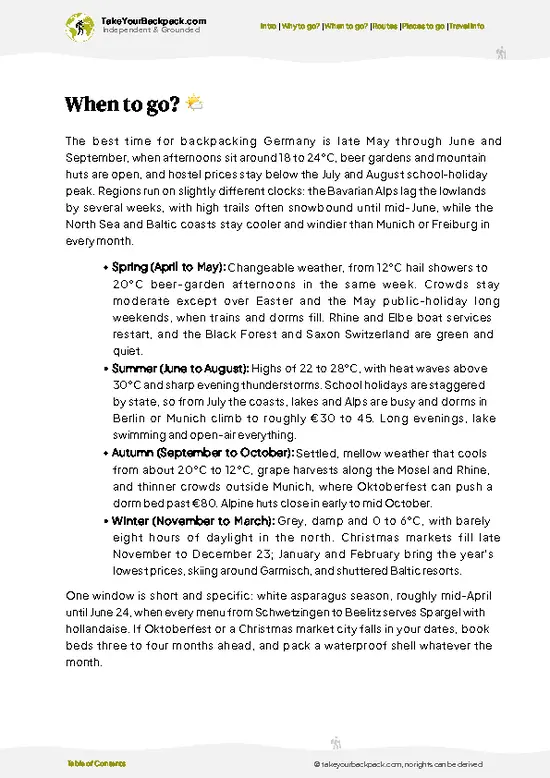
source: climatestotravel.comJANJanuary: fair for travelingFEBFebruary: fair for travelingMARMarch: good for travelingAPRApril: highly recommended for travelingMAYMay: excellent for travelingJUNJune: highly recommended for travelingJULJuly: good for travelingAUGAugust: good for travelingSEPSeptember: highly recommended for travelingOCTOctober: highly recommended for travelingNOVNovember: fair for travelingDECDecember: fair for traveling
germany-unique-site-maulbronn-monastery-complex
© Google | Nick P

✈️ The backpacker research shortcutGermany Travel Guide

An offline-friendly backpacking guide with optimized travel routes, ranked highlights, transport advice, and the best areas to stay.
example page 0 from our offline Travel Guide for Germany
example page 1 from our offline Travel Guide for Germany
example page 2 from our offline Travel Guide for Germany
example page 3 from our offline Travel Guide for Germany
example page 4 from our offline Travel Guide for Germany
example page 5 from our offline Travel Guide for Germany
example page 6 from our offline Travel Guide for Germany
example page 7 from our offline Travel Guide for Germany
The digital guide (514 pages) contains:
140 highlights, ranked by travel appeal
Optimized 7, 14 & 21-day travel routes
Cities, national parks, landmarks, beaches
How to get around
Offline-friendly for travel without Wi-Fi
👉 Click to see all 30+ guide features

📅 Plan smarter in minutes, not weeks
Month by month travel advice
Festivals & national holidays
Budget expectations

🗺️ Go to the right places, skip the overrated ones
Honest pros & cons of destinations
Top hikes, parks & viewpoints
Lesser-known places most travelers miss
Clear “worth it vs skip it” guidance

🛏️ Travel smoothly without rookie mistakes
Best areas to stay
Transport systems explained simply
Common scams & safety advice
SIM cards, money & practical tips

🌍 Understand the country, not just visit it
Culture & traditions
52 Essential phrases & customs
Festivals worth planning around
Traveler-friendly historical context
Insights that make places more meaningful

📱 Built for real travel conditions
Fully downloadable PDF
Works completely offline
Optimized for phone use
Useful in remote areas & buses
Everything in one place
Save weeks of stressful planning
Get instant access to your full guide. 30‑day money-back guarantee.
+ Add another guide for just US$7.80

By proceeding you agree to our terms.
Sent to your inbox immediately after payment • 100% Secure Checkout
Best Backpacking Travel Advisor 2025 tourism awardBest Backpacking
Travel Advisor
2025
What others say about Take Your Backpack Guides:
⭐⭐⭐⭐⭐
Fantastic, amazing amount of information!
⭐⭐⭐⭐⭐
My goodness this is amazing, it's what I've been looking for hats off too you!
⭐⭐⭐⭐⭐
I think this is absolutely BRILLIANT
⭐⭐⭐⭐
Very complete and informative. It's still missing places, but I gotta to commend you
⭐⭐⭐⭐⭐
This is truly amazing, thank you, can't wait to explore it with my kids!
⭐⭐⭐⭐⭐
Awesome resource, thank you!
⭐⭐⭐⭐⭐
This is amazing! Can't wait to explore the ones I haven't seen
⭐⭐⭐⭐
I love this! Well done, great idea.
⭐⭐⭐⭐⭐
Thanks for taking the time to make this gem!
⭐⭐⭐⭐⭐
This might be the best website I've ever seen.
⭐⭐⭐⭐⭐
Congratulations, and thank you so much for your work; it's incredibly valuable.
⭐⭐⭐⭐
In all seriousness I think you did a great job pointing out the important spots
⭐⭐⭐⭐⭐
10/10 very good
⭐⭐⭐⭐⭐
As someone who's only just starting to visit regularly this is awesome, thank you.
⭐⭐⭐⭐
Thank you very much! I'm going to visit my dad, it's going to be very useful!
⭐⭐⭐⭐⭐
This is really cool! We'll be travelling for the first time and this definitely come in handy.
⭐⭐⭐⭐⭐
You are now our minister of culture, congratulations 👨‍💼
⭐⭐⭐⭐⭐
Just wanted to tell you that this is a pearl! Going to follow your recommendations.
⭐⭐⭐⭐⭐
This is so cool. I'll definitely be using the resource for my travels soon.
⭐⭐⭐⭐⭐
This is very impressive! Good work.
⭐⭐⭐⭐⭐
This is an amazing and informative site. Very well done!

🛏️ Where to stay?Choosing the right base

Staying near Maulbronn Monastery Complex? Let’s cut through the fluff. You’ll want to focus on two main areas: Maulbronn itself and nearby Pforzheim.

Maulbronn is small but charming. It’s a short walk to the monastery, which means you can soak in the history without the hassle of transport. Look for guesthouses or shared accommodations. The vibe is cozy, and you’ll likely meet fellow travelers over breakfast. Just be prepared for the occasional crowd; this place can get busy, especially in peak season.

Pforzheim, about 15 kilometers away, offers a bit more buzz. It’s larger, with a range of … read more 👉
Staying near Maulbronn Monastery Complex? Let’s cut through the fluff. You’ll want to focus on two main areas: Maulbronn itself and nearby Pforzheim.

Maulbronn is small but charming. It’s a short walk to the monastery, which means you can soak in the history without the hassle of transport. Look for guesthouses or shared accommodations. The vibe is cozy, and you’ll likely meet fellow travelers over breakfast. Just be prepared for the occasional crowd; this place can get busy, especially in peak season.

Pforzheim, about 15 kilometers away, offers a bit more buzz. It’s larger, with a range of budget options. You’ll find hostels that cater to backpackers, complete with communal spaces for socializing. Plus, the train connections to Maulbronn are solid, making day trips easy.

Both areas are safe and welcoming. You’ll get a taste of local life while being close to the monastery’s magic. Just remember, the real experience is in the details—so take the time to explore beyond the main attractions.

👛 Costs (as of 4 September 2026)Typical daily expenses

Visiting the Maulbronn Monastery Complex is a journey into history, but it comes with its own set of costs. Here’s a breakdown to help you plan your visit without any surprises.
  • Entry Fee: Expect to pay around €8 to €10 for a standard adult ticket. This grants you access to the main areas of the monastery, including the church and cloisters. Discounts are often available for students and seniors, so keep that in mind.
  • Guided Tours: If you want a deeper dive into the history and architecture, guided tours typically range from €12 to €15. These tours can enhance your experience significantly, providing insights you might miss on your own.
  • Food and Drink: There are a few cafes nearby where you can grab a bite. Budget around €10 to €15 for a meal. If you’re looking to save, consider packing a lunch.
read more 👉
Visiting the Maulbronn Monastery Complex is a journey into history, but it comes with its own set of costs. Here’s a breakdown to help you plan your visit without any surprises.
  • Entry Fee: Expect to pay around €8 to €10 for a standard adult ticket. This grants you access to the main areas of the monastery, including the church and cloisters. Discounts are often available for students and seniors, so keep that in mind.
  • Guided Tours: If you want a deeper dive into the history and architecture, guided tours typically range from €12 to €15. These tours can enhance your experience significantly, providing insights you might miss on your own.
  • Food and Drink: There are a few cafes nearby where you can grab a bite. Budget around €10 to €15 for a meal. If you’re looking to save, consider packing a lunch. The surrounding area is perfect for a picnic.
  • Transportation: If you’re coming from Stuttgart, train tickets can cost between €10 and €20 one way. Factor in local transport costs if you’re using buses or taxis to get to the monastery.
  • Souvenirs: Don’t forget to budget for a little something to remember your visit. Prices for souvenirs can range from €5 for small items to €30 for more unique pieces. It’s a nice way to support local artisans.

This isn’t just a stop on your itinerary; it’s a chance to connect with a piece of history. Plan wisely, and you’ll find the real magic in Maulbronn.


source: germany.travel
⚠️ Prices can change and everyone travels differently, so take this as a rough guide. Hope it helps you plan your adventure!

FAQTraveler FAQ

Maulbronn Monastery Complex is a well-preserved medieval Cistercian monastery in Germany, recognized as a UNESCO World Heritage Site. It features Gothic and Romanesque architecture dating back to the 12th century. The site includes cloisters, a church, and monastic buildings.
You need about 2 to 3 hours to visit Maulbronn Monastery Complex thoroughly. This allows time to explore the church, cloisters, museum, and gardens at a comfortable pace. Guided tours are available and typically last around 1 hour.
To get to Maulbronn Monastery Complex, take a train to Maulbronn station from Stuttgart or Karlsruhe, which takes about 45 minutes. From the station, the monastery is a 10-minute walk. Alternatively, driving from Stuttgart takes approximately 40 minutes.
⚠️ Things can change over time, so always validate details locally before you go.

Other German landmarks near Maulbronn Monastery Complex

Explore more nearby:

  • Rhine Gorge—vineyard slopes, medieval castles, river bends| 152 km away
  • Neuschwanstein Castle—fairytale turrets, alpine setting, ornate interiors| 215 km away
  • Weltenburg Abbey—Danube cliffs, baroque church, monastic brewery| 220 km away

💡 Not sure where to go next?
Create a personalized itinerary for Germany including Maulbronn Monastery Complex and the places that fit your trip.

Generate my itinerary

👉 Discover all landmarks

Or checkout all Germany has to offer (think cities, towns, villages, national parks, hikes, beaches, festivals)
Country photo of Germany

We 💚 feedbackParting advice and final tips

Maulbronn Monastery Complex is a stunning slice of history that feels like stepping into a medieval time capsule. The intricate architecture and serene atmosphere are genuinely captivating. But let’s be real: the crowds can be overwhelming, especially on weekends. If you can swing a weekday visit, you’ll soak in the magic without the selfie sticks. It’s worth the effort for a taste of authentic tranquility amidst the chaos.

✈️ When did I visit Germany?
Being a neighbouring country of my home base, I visited Germany many times.

✍️ Help improve this page!
The information on this page is based on my own backpacking experience in Germany, supplemented with up-to-date research and feedback from other travelers. Travel details can change, so if you notice anything outdated or incomplete, feel free to let me know.


🙋‍♂️ Give feedback

👋 Meet the founderWho’s Behind Take Your Backpack?

Johan, backpacker and founder of TakeYourBackpackHi, I’m Johan (Netherlands 🇳🇱), the creator of TakeYourBackpack. Over the past decade, I’ve backpacked through 80+ countries across six continents, gaining extensive experience with independent travel, long-term trips, and overland routes.

This site is built on a combination of firsthand travel experience and carefully curated insights from other backpackers. Many guides are based on places I’ve personally visited, while others bring together tips, observations, and practical advice shared by trusted travelers I’ve met along the way.

The goal is to provide realistic, experience-driven guidance — not generic itineraries — so you can explore destinations with better context, clearer expectations, and more confidence.

Get full Germany guide •
Instant download • 140 highlights • Full Offline guide