How many landmarks to aim for: Plan on
one or two major landmarks per day at most, and about 8 to 12 over a two-week trip. Most sights have timed entries, security queues and a train ride behind them, so the fifth stop of a week always gets rushed. Germany also rewards wandering between the big names, since old streets, churchyards and riverbanks are free and often better than the paid interior. An experienced traveler chooses fewer sights and spends the saved time properly.
Choosing the kind that fits your style: If you travel on a tight budget, favor
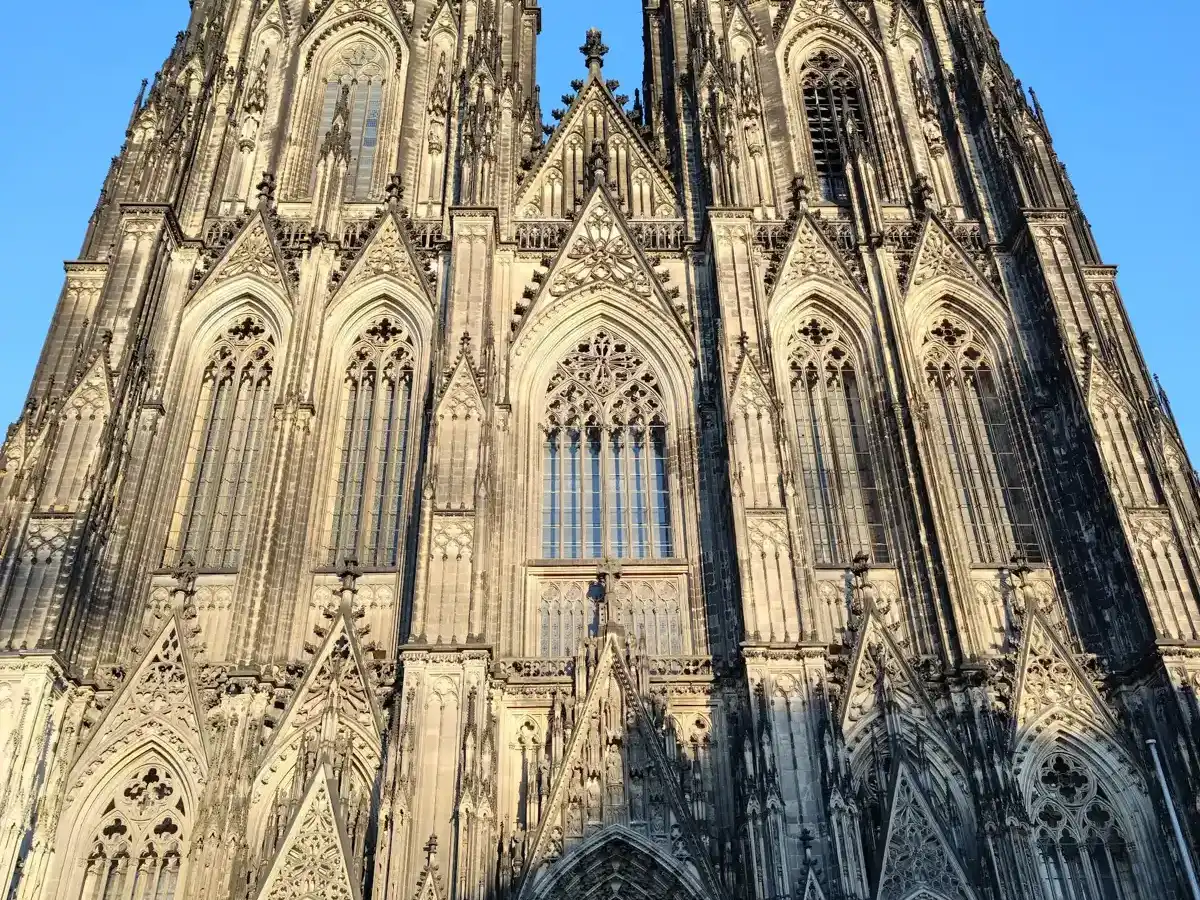
cathedrals, old towns, city walls and memorial sites, where entry is free or a few euros. If you want the classic fairytale look, pick one or two castles and accept the crowds, because the exterior views from a path or bridge are often the …
read more 👉 How many landmarks to aim for: Plan on one or two major landmarks per day at most, and about 8 to 12 over a two-week trip. Most sights have timed entries, security queues and a train ride behind them, so the fifth stop of a week always gets rushed. Germany also rewards wandering between the big names, since old streets, churchyards and riverbanks are free and often better than the paid interior. An experienced traveler chooses fewer sights and spends the saved time properly.
Choosing the kind that fits your style: If you travel on a tight budget, favor cathedrals, old towns, city walls and memorial sites, where entry is free or a few euros. If you want the classic fairytale look, pick one or two castles and accept the crowds, because the exterior views from a path or bridge are often the best part and cost nothing. History-minded travelers should prioritize Berlin, Nuremberg and Dresden, where documentation centers are thorough and low cost. Palace interiors suit rainy days, since tours run indoors regardless of weather.
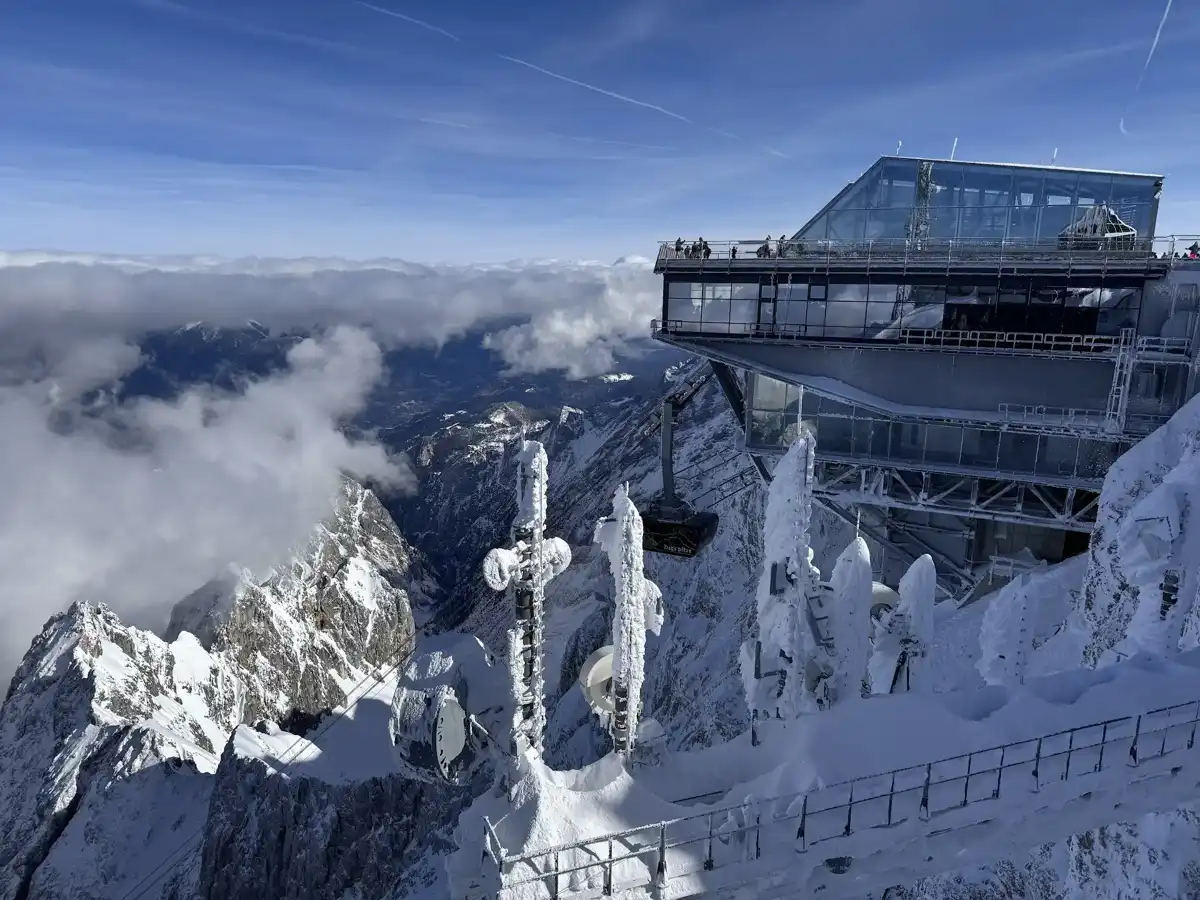
What it costs: Budget about €55 to 90 a day (US$60 to 100) for a backpacker covering hostel dorm (€25 to 45), food (€15 to 25) and transport. Landmarks add roughly €5 to 25 a day on top. Typical entry runs €0 to 8 for churches and memorials (many free, some ask for donations), €8 to 20 for castles and palaces including guided tours, and €10 to 20 for viewing towers or cable cars. Audio guides cost €3 to 6. Combined passes in cities like Berlin or Munich often pay off only if you visit three or more paid sites, so add up prices before buying. Regional day tickets (Länder-Tickets) run about €25 to 45 for one person and cover unlimited regional trains, which is cheaper than booking point-to-point fares. The Deutschlandticket, around €58 a month, makes sense when you spend several weeks traveling.
Booking and etiquette: Popular castle interiors and some memorial tours use timed tickets that sell out in summer, so book online a few days ahead. Sites do this to protect fragile rooms, which also means turning up late can forfeit your slot. Bring a photo ID or passport for sites with bag checks, and expect large bags to go in lockers (often €1 to 2 coin deposit). Many interiors ban photos or flash, and staff enforce it.
Safety and cultural considerations: Germany is very safe for visitors, with pickpocketing concentrated at stations, tourist squares and on crowded trams in Berlin, Munich and Cologne. Keep your phone in a front pocket and bags zipped in queues. At memorials and former concentration camp sites, treat the place as a burial ground: speak quietly, skip selfies and smiling poses, and dress modestly. Nazi symbols and salutes are criminal offenses, so never mimic them even as a joke. Churches remain active places of worship, so cover shoulders in services and check opening around Sunday mass, when tourists are often limited to certain areas.
Weather and practical gear: Rain is frequent, so a light waterproof matters more than an umbrella on windy hilltops. Wear shoes with grip, because cobbles go slick and castle approaches can be steep and unpaved. Carry some cash, since smaller sites, kiosks and rural bus drivers may not take cards, and most shops close on Sundays, so buy water and snacks on Saturday.




 Best Backpacking
 Hi, I’m Johan (Netherlands 🇳🇱), the creator of TakeYourBackpack. Over the past 3 decades, I’ve backpacked through 90+ countries across six continents, gaining extensive experience with independent travel, long-term trips, and overland routes.