v2.webp)
Quedlinburg Castle and St. Servatius Church
The castle hill dominates Quedlinburg’s skyline, but it’s the layered history that makes this place magnetic. Climb the cobbled path in the early morning, when the mist still clings to the rooftops and the bells echo off the half-timbered houses. Inside St. Servatius, the Romanesque crypt feels almost subterranean—cool, candle-scented, and heavy with the weight of a thousand years. The treasury’s medieval reliquaries are the real deal, not replicas. Entry is about €10, and you’ll want at least 90 minutes to do it justice. Go early or late to dodge the tour groups and let the silence settle in.
Marktplatz and the Rathaus
This isn’t just a pretty square—it’s the living room of the town. The Rathaus (town hall) is all Gothic angles and ivy, but the … read more 👉
The castle hill dominates Quedlinburg’s skyline, but it’s the layered history that makes this place magnetic. Climb the cobbled path in the early morning, when the mist still clings to the rooftops and the bells echo off the half-timbered houses. Inside St. Servatius, the Romanesque crypt feels almost subterranean—cool, candle-scented, and heavy with the weight of a thousand years. The treasury’s medieval reliquaries are the real deal, not replicas. Entry is about €10, and you’ll want at least 90 minutes to do it justice. Go early or late to dodge the tour groups and let the silence settle in.
Marktplatz and the Rathaus
This isn’t just a pretty square—it’s the living room of the town. The Rathaus (town hall) is all Gothic angles and ivy, but the … read more 👉
Quedlinburg Castle and St. Servatius Church
The castle hill dominates Quedlinburg’s skyline, but it’s the layered history that makes this place magnetic. Climb the cobbled path in the early morning, when the mist still clings to the rooftops and the bells echo off the half-timbered houses. Inside St. Servatius, the Romanesque crypt feels almost subterranean—cool, candle-scented, and heavy with the weight of a thousand years. The treasury’s medieval reliquaries are the real deal, not replicas. Entry is about €10, and you’ll want at least 90 minutes to do it justice. Go early or late to dodge the tour groups and let the silence settle in.
Marktplatz and the Rathaus
This isn’t just a pretty square—it’s the living room of the town. The Rathaus (town hall) is all Gothic angles and ivy, but the real charm is in the rhythm of daily life: locals buying bread, the clink of coffee cups, the faint whiff of fresh pastries from the bakery on the corner. Grab a seat at an outdoor café and watch the light shift across the sandstone facades. Free to wander, but a coffee will set you back €3-4. Give yourself 30-45 minutes, longer if you’re a people-watcher.
Münzenberg
For a quieter, more contemplative view of Quedlinburg, hike up to Münzenberg. The path winds through narrow lanes lined with crooked houses, their beams warped by centuries of rain and sun. At the top, the remains of a medieval monastery and a tiny museum (open seasonally, €2-3) offer a window into the town’s monastic past. The real payoff is the panorama—red-tiled roofs tumbling down to the plain, with the Harz mountains in the distance. Late afternoon is best, when the sun sets the town aglow. Allow 45-60 minutes.
Fachwerkmuseum im Ständerbau
Step inside the oldest half-timbered house in Germany, built around 1310. The creak of the floorboards and the scent of old wood make history tactile. This isn’t a sterile museum; it’s a crash course in how these houses were built, lived in, and stubbornly preserved. Entry is about €4, and you’ll want 30-40 minutes. Go on a weekday for fewer crowds.
Lyonel-Feininger-Galerie
A modern jolt in a medieval town, this gallery celebrates the German-American artist who found inspiration in Quedlinburg’s geometry. The space is intimate, the curation sharp, and the contrast between Feininger’s angular prints and the town’s ancient lines is unexpectedly electric. Entry is €6, and 45 minutes is plenty unless you’re a die-hard fan. Visit mid-morning for the best light and quiet.
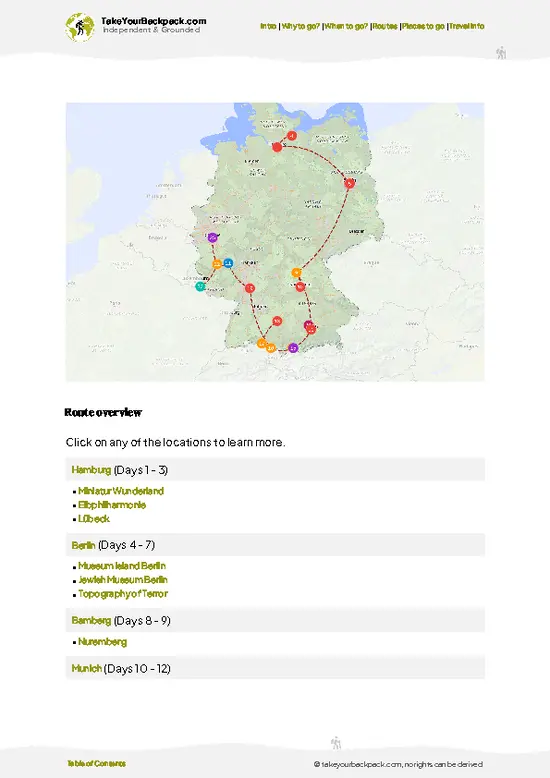
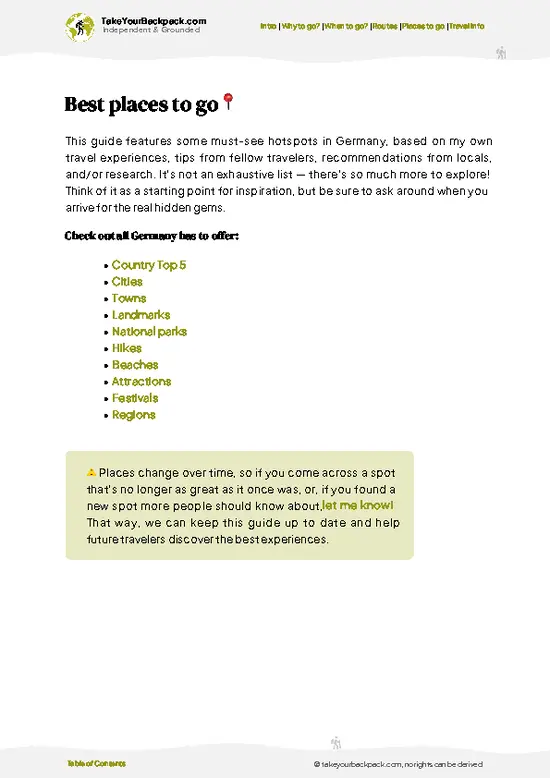
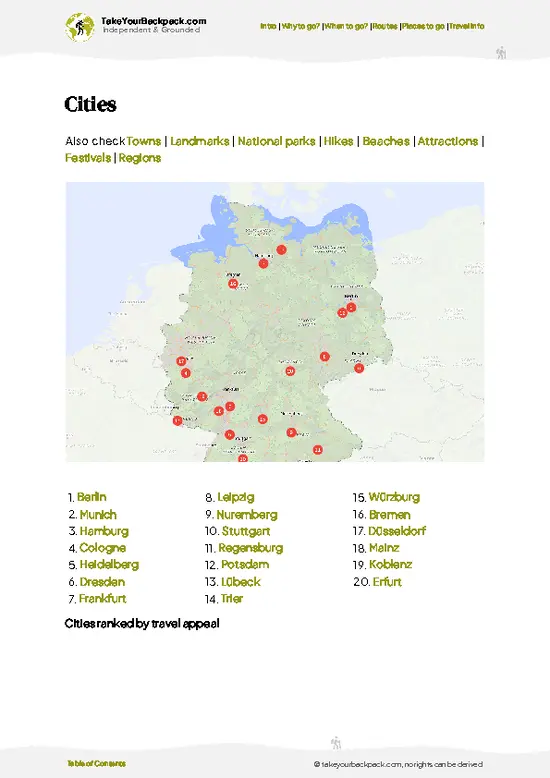
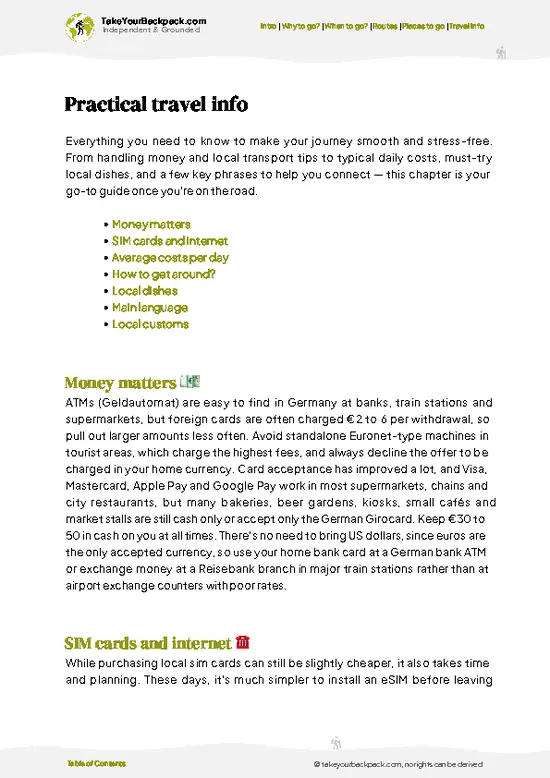
If you’re itching to stretch your legs beyond town, the Teufelsmauer (Devil’s Wall) rock formations, the medieval fortress of Falkenstein, and the brooding forests of the Harz are all within easy reach—Falkenstein is my personal favorite for its windswept ramparts and storybook views.
The castle hill dominates Quedlinburg’s skyline, but it’s the layered history that makes this place magnetic. Climb the cobbled path in the early morning, when the mist still clings to the rooftops and the bells echo off the half-timbered houses. Inside St. Servatius, the Romanesque crypt feels almost subterranean—cool, candle-scented, and heavy with the weight of a thousand years. The treasury’s medieval reliquaries are the real deal, not replicas. Entry is about €10, and you’ll want at least 90 minutes to do it justice. Go early or late to dodge the tour groups and let the silence settle in.
Marktplatz and the Rathaus
This isn’t just a pretty square—it’s the living room of the town. The Rathaus (town hall) is all Gothic angles and ivy, but the real charm is in the rhythm of daily life: locals buying bread, the clink of coffee cups, the faint whiff of fresh pastries from the bakery on the corner. Grab a seat at an outdoor café and watch the light shift across the sandstone facades. Free to wander, but a coffee will set you back €3-4. Give yourself 30-45 minutes, longer if you’re a people-watcher.
Münzenberg
For a quieter, more contemplative view of Quedlinburg, hike up to Münzenberg. The path winds through narrow lanes lined with crooked houses, their beams warped by centuries of rain and sun. At the top, the remains of a medieval monastery and a tiny museum (open seasonally, €2-3) offer a window into the town’s monastic past. The real payoff is the panorama—red-tiled roofs tumbling down to the plain, with the Harz mountains in the distance. Late afternoon is best, when the sun sets the town aglow. Allow 45-60 minutes.
Fachwerkmuseum im Ständerbau
Step inside the oldest half-timbered house in Germany, built around 1310. The creak of the floorboards and the scent of old wood make history tactile. This isn’t a sterile museum; it’s a crash course in how these houses were built, lived in, and stubbornly preserved. Entry is about €4, and you’ll want 30-40 minutes. Go on a weekday for fewer crowds.
Lyonel-Feininger-Galerie
A modern jolt in a medieval town, this gallery celebrates the German-American artist who found inspiration in Quedlinburg’s geometry. The space is intimate, the curation sharp, and the contrast between Feininger’s angular prints and the town’s ancient lines is unexpectedly electric. Entry is €6, and 45 minutes is plenty unless you’re a die-hard fan. Visit mid-morning for the best light and quiet.
If you’re itching to stretch your legs beyond town, the Teufelsmauer (Devil’s Wall) rock formations, the medieval fortress of Falkenstein, and the brooding forests of the Harz are all within easy reach—Falkenstein is my personal favorite for its windswept ramparts and storybook views.
Spotted a mistake or missing something? Contact us.

Neuschwanstein & Linderhof Castle Luxury Private Tour from Munich

5hours: Guide, Chauffeur & Photographer in Berlin private Tour

Bodyflying & Indoor Skydiving at FlyStation Munich
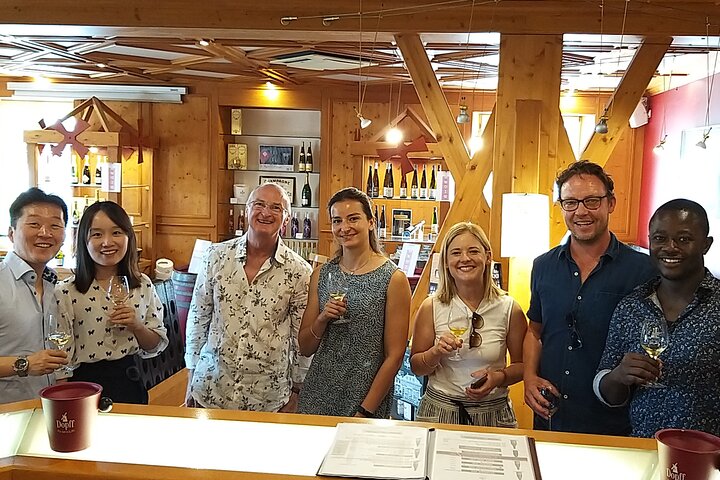
Alsace wine tour and medieval villages. Small group guided tour

2 hours Segway Elbe Mini Tour

Third Reich Walking Tour Munich - Nazi Origins - Max.16 per group

Private Berlin Custom Half-Day Tour with Private Driver and Guide

Boat trip Heidelberg Private boat with captain 1.5h to 12 guests

Canyoning Starzlachklamm


 Best Backpacking
.jpg) Hi, I’m Johan (Netherlands 🇳🇱), the creator of TakeYourBackpack. Over the past 3 decades, I’ve backpacked through 90+ countries across six continents, gaining extensive experience with independent travel, long-term trips, and overland routes.
Hi, I’m Johan (Netherlands 🇳🇱), the creator of TakeYourBackpack. Over the past 3 decades, I’ve backpacked through 90+ countries across six continents, gaining extensive experience with independent travel, long-term trips, and overland routes.