
Paddling the Labyrinth of Canals
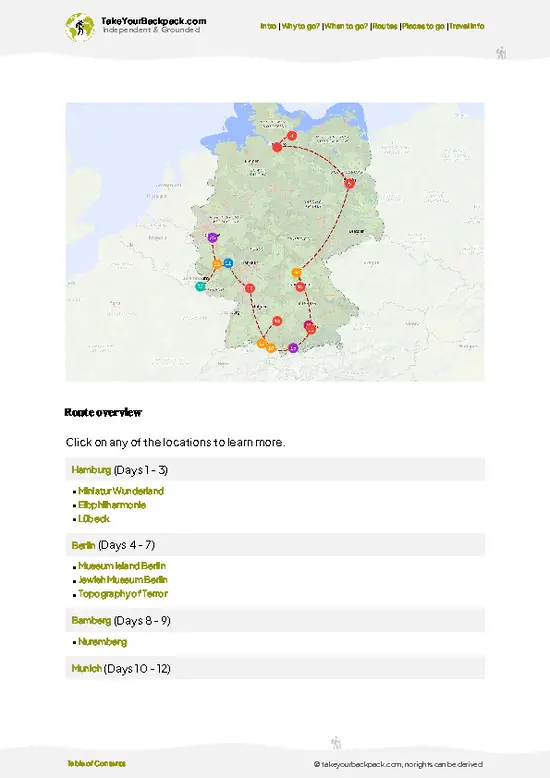
Spreewald’s claim to fame is its network of over 200 small canals, called “Fließe.” Renting a kayak or joining a traditional wooden punt tour isn’t just a tourist activity—it’s the only way to see the heart of the biosphere. You’ll glide past alder forests, wildflower meadows, and the occasional stork’s nest perched on a chimney. The water is so clear you’ll spot pike and perch darting below. This is the Spreewald at its most honest: slow, green, and quietly alive. If you only do one thing, make it this. (Personal favorite.)
Lehde Village
Lehde isn’t a museum piece—it’s a living, water-bound village where mail is still delivered by boat. The thatched-roof houses and wooden bridges look unchanged since the 19th century, but people actually live here. Walking … read more 👉
Paddling the Labyrinth of Canals
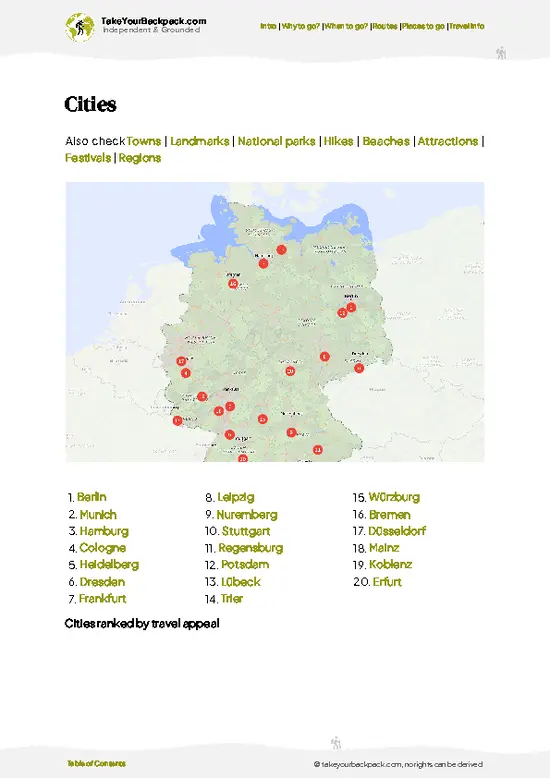
Spreewald’s claim to fame is its network of over 200 small canals, called “Fließe.” Renting a kayak or joining a traditional wooden punt tour isn’t just a tourist activity—it’s the only way to see the heart of the biosphere. You’ll glide past alder forests, wildflower meadows, and the occasional stork’s nest perched on a chimney. The water is so clear you’ll spot pike and perch darting below. This is the Spreewald at its most honest: slow, green, and quietly alive. If you only do one thing, make it this. (Personal favorite.)
Lehde Village
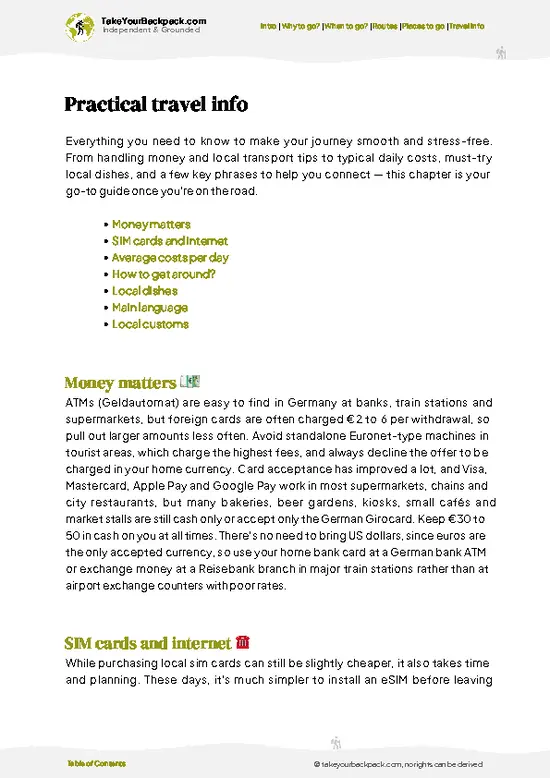
Lehde isn’t a museum piece—it’s a living, water-bound village where mail is still delivered by boat. The thatched-roof houses and wooden bridges look unchanged since the 19th century, but people actually live here. Walking the footpaths or drifting by on a punt, you’ll see kitchen gardens, chickens, and laundry flapping in the breeze. It’s a rare, working example of how humans and wetlands can coexist without one swallowing the other.
Gurkenradweg (Pickle Cycle Route)
Spreewald is obsessed with pickles, and the Gurkenradweg is a 260-kilometer cycling route that loops through the region’s best scenery and pickle producers. You don’t have to ride the whole thing—short sections between Lübbenau, Burg, and Straupitz are flat, well-marked, and ideal for a half-day ride. Expect farm stands, old windmills, and the chance to taste Spreewald gherkins straight from the barrel. It’s a quirky, low-pressure way to cover ground and snack like a local.
Burg Spreewald and the Spreewald Thermen
Burg is the largest village in the Spreewald, and it’s the best base for hiking, cycling, or just soaking in the local spa culture. The Spreewald Thermen (thermal baths) are a modern, no-nonsense spot to recover after a day on the trails or water. The surrounding meadows and forests are laced with easy walking paths—watch for wild orchids and, if you’re lucky, a shy otter slipping into the reeds.
Wotschofska Island
This small, car-free island is only accessible by boat or on foot. There’s a rustic inn serving regional food, and the surrounding woods are thick with birdlife—woodpeckers, kingfishers, and sometimes even sea eagles. It’s a quiet spot, best for a slow lunch and a walk under the alders. The sense of isolation is real, but you’re never far from civilization if you need it.
Spreewald Biosphere Reserve Information Center (Lübbenau)
Skip the generic brochures and head here for real maps, trail updates, and practical advice from staff who actually know the area. The exhibits are straightforward and focus on the ecology and history of the Spreewald. It’s the best place to get oriented before you head out—especially if you want to avoid the crowded routes or find the best wildlife viewing spots.
Spotted a mistake or missing something? Contact us.

Private Multi-Day Auto Factory Tour from Munich with Hotels

Germany Petrolhead Tour

Berlin Private Airport/Hotels Transfer Service | English Speaking

Transfer from Berlin Schönefeld Airport (SXF) to Berlin city Hotels - ROUND TRIP

Berlin Private Transfer from Berlin Brandenburg Airport to Berlin City centre

Private Transfer: Brandenburg Airport BER to Berlin by Luxury Van

Arrival Private Transfer from Berlin Airport BER to Berlin City by Luxury Van

Arrival Transfer: Berlin Airport BER to Berlin in Business Car

Arrival Transfer: Berlin Airport BER to Berlin in Luxury Van


 Best Backpacking
 Hi, I’m Johan (Netherlands 🇳🇱), the creator of TakeYourBackpack. Over the past 3 decades, I’ve backpacked through 90+ countries across six continents, gaining extensive experience with independent travel, long-term trips, and overland routes.