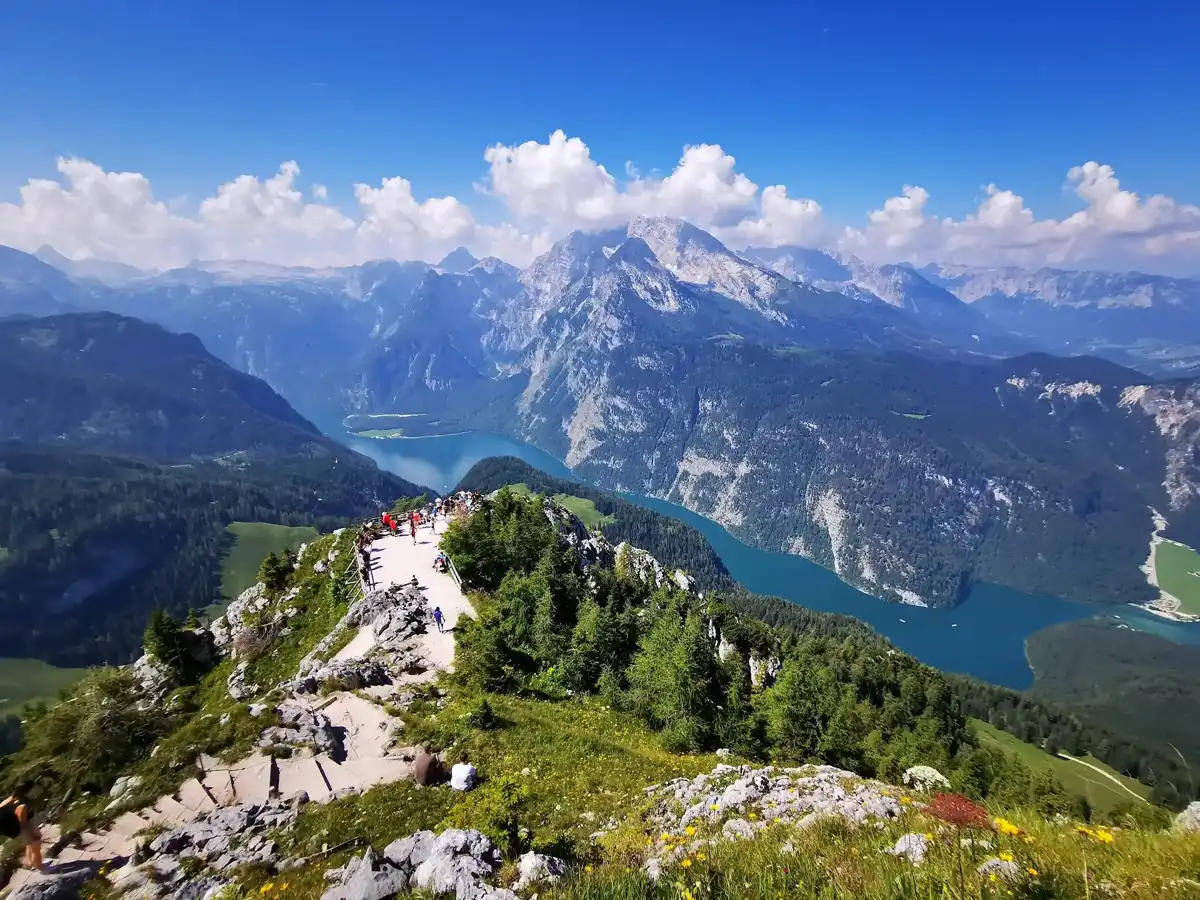
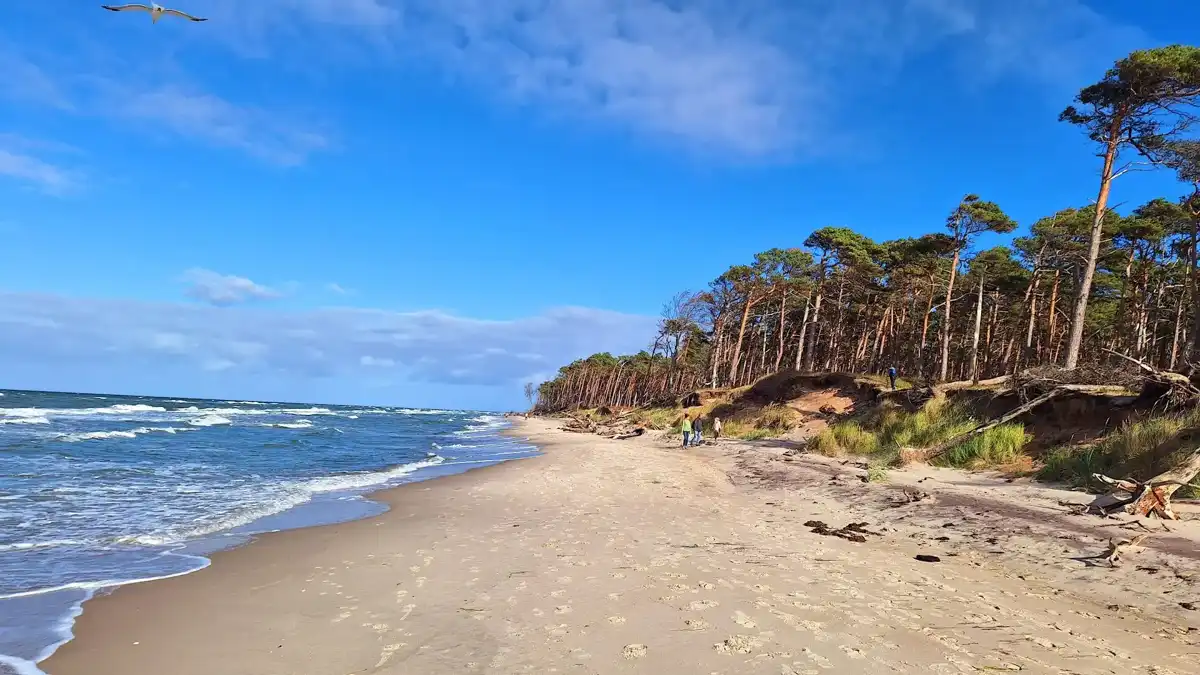
Germany suits national parks differently from countries with large untouched tracts. Almost no land here escaped human use, so the
parks protect process rather than pristine wilderness. Large areas of former production forest, military training grounds and mining landscapes are being left alone, and the visible result is regrowth, fallen deadwood and standing dead spruce, which can look messy to visitors expecting tidy woods. That is deliberate, and understanding it changes how you read the landscape.
The second factor is
federal structure. Parks are established and run by the individual states (Länder), not by one national agency, so visitor centers, trail marking, rules and opening hours vary by park. Quality is generally high, with free or low-cost information centers, ranger-led walks …
read more 👉Germany suits national parks differently from countries with large untouched tracts. Almost no land here escaped human use, so the parks protect process rather than pristine wilderness. Large areas of former production forest, military training grounds and mining landscapes are being left alone, and the visible result is regrowth, fallen deadwood and standing dead spruce, which can look messy to visitors expecting tidy woods. That is deliberate, and understanding it changes how you read the landscape.
The second factor is federal structure. Parks are established and run by the individual states (Länder), not by one national agency, so visitor centers, trail marking, rules and opening hours vary by park. Quality is generally high, with free or low-cost information centers, ranger-led walks and consistent signage, but you cannot assume one standard.
Infrastructure is the great strength. Dense rail and regional bus networks, many with park-specific guest cards or free local transport included with overnight stays, make car-free travel realistic in most regions. Villages sit on park edges, so food, beds and supermarkets are never far from the trail.
Before choosing Germany, accept the trade-offs. Distances inside parks are modest, so multi-day wilderness trekking is limited, and wild camping is generally prohibited. Overnighting means campsites, guesthouses, hostels or a few designated trekking sites. Rules also restrict leaving marked paths in core zones, and in some areas seasonal closures protect breeding birds or wildlife. Weather is changeable in every region, so layers and rain gear matter more than technical equipment. Come for forests, coasts, rock formations and quiet trails, and Germany delivers with very little friction.
Behind the Scenes of Selection
The list of best national parks in Germany is created based on landscapes, wildlife, adventure opportunities, facilities, and overall experience. If you feel a national park is missing in this list, please let us know.





 Best Backpacking
 Hi, I’m Johan (Netherlands 🇳🇱), the creator of TakeYourBackpack. Over the past 3 decades, I’ve backpacked through 90+ countries across six continents, gaining extensive experience with independent travel, long-term trips, and overland routes.