

- Lutherstube (Martin Luther’s Room) — The tiny, plain room where Luther hid in 1521-22 and translated the New Testament into German. Seeing the simple bed and desk puts that monumental cultural moment into human scale — it’s the reason the whole place matters to European history.
- Sängersaal / Palas murals — The grand medieval great hall with the romantic 19th-century murals (think minstrels, legends and Tannhäuser). Architecturally and visually striking, it blends real medieval structure with the Romantic-era storytelling that made Wartburg a cultural symbol.
- Elisabeth’s legacy — Wartburg was home to St. Elisabeth of Thuringia in the 13th century. The castle still carries traces of her story and charitable legend; it’s a quiet reminder of medieval piety and the human stories behind the
- Lutherstube (Martin Luther’s Room) — The tiny, plain room where Luther hid in 1521-22 and translated the New Testament into German. Seeing the simple bed and desk puts that monumental cultural moment into human scale — it’s the reason the whole place matters to European history.
- Sängersaal / Palas murals — The grand medieval great hall with the romantic 19th-century murals (think minstrels, legends and Tannhäuser). Architecturally and visually striking, it blends real medieval structure with the Romantic-era storytelling that made Wartburg a cultural symbol.
- Elisabeth’s legacy — Wartburg was home to St. Elisabeth of Thuringia in the 13th century. The castle still carries traces of her story and charitable legend; it’s a quiet reminder of medieval piety and the human stories behind the stones.
- UNESCO significance & the Wartburg Festival — Beyond looks, the castle is a UNESCO World Heritage site because of its layered influence: medieval court culture, Luther’s Reformation work, and the 1817 Wartburg Festival that helped shape modern German political culture. The site feels like a crossroads of big ideas.
- Medieval collections and exhibitions — The on-site museum displays carved furniture, liturgical objects and historical exhibits about the castle’s many eras. It’s a neat, compact way to see tangible medieval life and the later Romantic restoration up close.
- The castle’s architecture and historical layering — Built in the 11th century and altered across ages, Wartburg is a living patchwork of Romanesque bones, Gothic additions and 19th-century restorations. Walking its rooms gives a clear sense of how buildings accumulate history.
- Views and forest walks — Perched on a wooded ridge above Eisenach, the castle has great viewpoints and solid hiking around the Thuringian hills. Pack a jacket, climb the ramparts at sunset, and enjoy the classic castle-on-a-hill vibe without the tourist circus.
Spotted a mistake or missing something? Contact us.

Neuschwanstein & Linderhof Castle Luxury Private Tour from Munich

5hours: Guide, Chauffeur & Photographer in Berlin private Tour

Bodyflying & Indoor Skydiving at FlyStation Munich
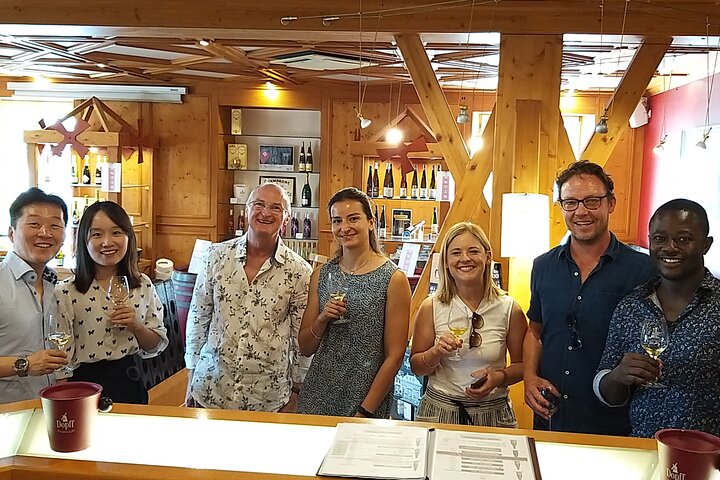
Alsace wine tour and medieval villages. Small group guided tour

2 hours Segway Elbe Mini Tour

Third Reich Walking Tour Munich - Nazi Origins - Max.16 per group

Private Berlin Custom Half-Day Tour with Private Driver and Guide

Boat trip Heidelberg Private boat with captain 1.5h to 12 guests

Canyoning Starzlachklamm


 Best Backpacking
 Hi, I’m Johan (Netherlands 🇳🇱), the creator of TakeYourBackpack. Over the past 3 decades, I’ve backpacked through 90+ countries across six continents, gaining extensive experience with independent travel, long-term trips, and overland routes.