v2.webp)
St. Nicholas Church (Nikolaikirche)
Step inside and you’re swallowed by cool, echoing air and the faint scent of old wood and candle wax. This is not just another Gothic church; it’s a living monument to Wismar’s Hanseatic soul. The nave soars overhead, a forest of brick and light, and the ship models hanging from the ceiling remind you this was a town built on salt and sea. The best time to visit is late afternoon, when the sun slants through the stained glass and the crowds thin. Entry is usually free, though a small donation is encouraged. Give yourself 30-45 minutes to let the atmosphere settle in.
Wasserkunst
Right in the heart of the market square, this ornate Renaissance waterworks isn’t just a pretty fountain—it’s a symbol of civic pride and engineering. For centuries, it supplied the … read more 👉
Step inside and you’re swallowed by cool, echoing air and the faint scent of old wood and candle wax. This is not just another Gothic church; it’s a living monument to Wismar’s Hanseatic soul. The nave soars overhead, a forest of brick and light, and the ship models hanging from the ceiling remind you this was a town built on salt and sea. The best time to visit is late afternoon, when the sun slants through the stained glass and the crowds thin. Entry is usually free, though a small donation is encouraged. Give yourself 30-45 minutes to let the atmosphere settle in.
Wasserkunst
Right in the heart of the market square, this ornate Renaissance waterworks isn’t just a pretty fountain—it’s a symbol of civic pride and engineering. For centuries, it supplied the … read more 👉
St. Nicholas Church (Nikolaikirche)
Step inside and you’re swallowed by cool, echoing air and the faint scent of old wood and candle wax. This is not just another Gothic church; it’s a living monument to Wismar’s Hanseatic soul. The nave soars overhead, a forest of brick and light, and the ship models hanging from the ceiling remind you this was a town built on salt and sea. The best time to visit is late afternoon, when the sun slants through the stained glass and the crowds thin. Entry is usually free, though a small donation is encouraged. Give yourself 30-45 minutes to let the atmosphere settle in.
Wasserkunst
Right in the heart of the market square, this ornate Renaissance waterworks isn’t just a pretty fountain—it’s a symbol of civic pride and engineering. For centuries, it supplied the town with fresh water, and you can still hear the gentle trickle if you lean in close. The square itself is a stage for daily life: market stalls, street musicians, and the occasional wedding party. Visit in the morning for the freshest market energy, or at dusk when the square glows gold. Free, and five to ten minutes is enough unless you linger for people-watching.
Schabbellhaus (Wismar City Museum)
This gabled brick mansion is a time capsule, packed with stories of beer, trade, and everyday life from the Middle Ages to the GDR. The exhibits are tactile—old brewing barrels, merchant ledgers, and even a recreated Hanseatic parlor. It’s the kind of place where you can almost smell the hops and hear the clatter of wooden shoes on stone. Visit midweek to avoid school groups. Entry is around €6, and you’ll want at least an hour to do it justice.
Alter Hafen (Old Harbor)
The salt tang in the air, the creak of moored boats, and the sight of red-brick warehouses—this is Wismar’s working heart. Walk the quayside, watch fishermen mend nets, or grab a Fischbrötchen (fish sandwich) from a dockside stand. The harbor is best in the early evening, when the light turns the water to molten copper and the day-trippers have drifted away. Free to wander; allow 30-60 minutes, more if you settle in with a snack.
Baumhaus and the Grube Canal
This squat, timbered gatehouse once guarded the harbor with a literal chain across the water. Today, it’s a quirky reminder of Wismar’s defensive past. Stroll along the Grube Canal, where ducks paddle and locals linger on benches. The Baumhaus itself is sometimes open for small exhibitions, but the real joy is the walk—especially in spring, when the air smells of damp earth and budding leaves. Free, and 20-30 minutes is plenty unless you’re drawn into conversation with a local.
For day trips, the island of Poel (my personal favorite for its wild Baltic beaches), the brick colossus of Schwerin Castle, and the medieval core of Lübeck are all within easy reach—each offering a different flavor of northern Germany just beyond Wismar’s city limits.
Step inside and you’re swallowed by cool, echoing air and the faint scent of old wood and candle wax. This is not just another Gothic church; it’s a living monument to Wismar’s Hanseatic soul. The nave soars overhead, a forest of brick and light, and the ship models hanging from the ceiling remind you this was a town built on salt and sea. The best time to visit is late afternoon, when the sun slants through the stained glass and the crowds thin. Entry is usually free, though a small donation is encouraged. Give yourself 30-45 minutes to let the atmosphere settle in.
Wasserkunst
Right in the heart of the market square, this ornate Renaissance waterworks isn’t just a pretty fountain—it’s a symbol of civic pride and engineering. For centuries, it supplied the town with fresh water, and you can still hear the gentle trickle if you lean in close. The square itself is a stage for daily life: market stalls, street musicians, and the occasional wedding party. Visit in the morning for the freshest market energy, or at dusk when the square glows gold. Free, and five to ten minutes is enough unless you linger for people-watching.
Schabbellhaus (Wismar City Museum)
This gabled brick mansion is a time capsule, packed with stories of beer, trade, and everyday life from the Middle Ages to the GDR. The exhibits are tactile—old brewing barrels, merchant ledgers, and even a recreated Hanseatic parlor. It’s the kind of place where you can almost smell the hops and hear the clatter of wooden shoes on stone. Visit midweek to avoid school groups. Entry is around €6, and you’ll want at least an hour to do it justice.
Alter Hafen (Old Harbor)
The salt tang in the air, the creak of moored boats, and the sight of red-brick warehouses—this is Wismar’s working heart. Walk the quayside, watch fishermen mend nets, or grab a Fischbrötchen (fish sandwich) from a dockside stand. The harbor is best in the early evening, when the light turns the water to molten copper and the day-trippers have drifted away. Free to wander; allow 30-60 minutes, more if you settle in with a snack.
Baumhaus and the Grube Canal
This squat, timbered gatehouse once guarded the harbor with a literal chain across the water. Today, it’s a quirky reminder of Wismar’s defensive past. Stroll along the Grube Canal, where ducks paddle and locals linger on benches. The Baumhaus itself is sometimes open for small exhibitions, but the real joy is the walk—especially in spring, when the air smells of damp earth and budding leaves. Free, and 20-30 minutes is plenty unless you’re drawn into conversation with a local.
For day trips, the island of Poel (my personal favorite for its wild Baltic beaches), the brick colossus of Schwerin Castle, and the medieval core of Lübeck are all within easy reach—each offering a different flavor of northern Germany just beyond Wismar’s city limits.
Spotted a mistake or missing something? Contact us.

Historic Free Tour of Hamburg Old Warehouse District

Yacht Sailing After Work Tour of Hamburg Harbor

St. Pauli Kieztour - Hamburg's Reeperbahn in the middle

Speicherstadt & HafenCity Erlebnistour

Hamburg Half-Day Tour: Private & Custom with a Local Guide

Green Bunker Tour on St. Pauli the Original

The Kiez-Captain Reeperbahn & Beatles Kieztour Hamburg

Hamburg - Private Peppercorn Tour for 2 Persons

From Kiel: private Hamburg 6hour-Tour with a former Policeman



 Best Backpacking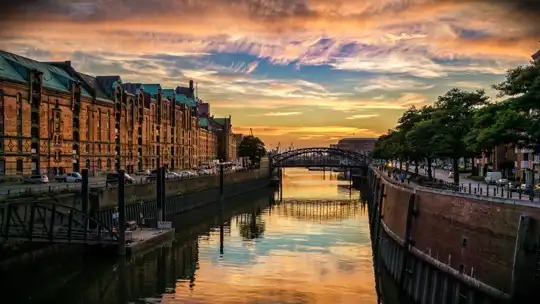
.jpg) Hi, I’m Johan (Netherlands 🇳🇱), the creator of TakeYourBackpack. Over the past decade, I’ve backpacked through 80+ countries across six continents, gaining extensive experience with independent travel, long-term trips, and overland routes.
Hi, I’m Johan (Netherlands 🇳🇱), the creator of TakeYourBackpack. Over the past decade, I’ve backpacked through 80+ countries across six continents, gaining extensive experience with independent travel, long-term trips, and overland routes.