×

Germany🇩🇪 | townsLüneburgsalt trade history, gabled warehouses, red-brick lanes | things to do and best time to go

Explore CelleExplore Bayreuth

Backpacking in Lüneburg
👍 Recommendedtown ranked #22
By Johan Kruseman 🇳🇱 | Updated September 4, 2026

Your first real decision in Lüneburg is whether to treat it as a slow-burn overnight stop or just a pretty half-day detour from Hamburg, and that choice changes everything from your budget to your pace. Lüneburg sits in northern Germany, in Lower Saxony, about 30 minutes by train southeast of Hamburg. The old town smells faintly of river and brick dust after rain, all red-gabled roofs and slightly crooked facades, compact enough that you can cross the center in ten lazy minutes. For backpackers, it’s more “medieval salt-trade town and café linger” than big-night-out hub: a walkable core, a few mellow viewpoints over the rooftops, and easy access to the heath landscapes of the Lüneburger Heide if you want low-intensity hiking. Trains and buses are straightforward, you won’t need a car, and the vibe is safer and calmer than Hamburg or Hanover, but also less social; there are fewer hostels, so you meet more German day-trippers and students than classic hostel-circuit travelers. Costs sit in the “small German city” range: cheaper than Hamburg, not a bargain compared with Eastern Europe. As a base, it works if you like quiet evenings and nature nearby; as a stop between Berlin and the North Sea or Scandinavia routes, it’s a scenic pause rather than a logistical powerhouse.

Discover everything you want to know in the 📖 Germany Travel Guide.


Get your Germany guide
140 ranked highlights, routes & tips, works offline (514 pages)
Loading the map 🌍
CLICK TO FILTER
cities
towns
landmarks
national parks
hikes
beaches
attractions
festivals
regions
SHOW COUNTRY’S BESTSHOW ALL

✨ Why go?
Ranked #22 town in Germany
Why Lüneburg should be on your travel list

Lüneburg draws backpackers for its convenience as a base for exploring northern Germany. Just a train ride from Hamburg, it’s a gateway to hikes in the Lüneburg Heath and beaches along the Elbe River. The town’s walkable streets invite you to wander, with charming cafes and local eateries serving hearty meals that reflect the region’s agricultural roots.

Accommodations range from cozy hostels to welcoming guesthouses, perfect for solo travelers or small groups looking to connect. The atmosphere is friendly but not overwhelming, making it easy to strike up conversations with fellow adventurers. Most travelers stay a couple of days, soaking in the slow pace and rich history, while others use it as a quick stopover.

Whether you’re a hiker seeking trails or a slow traveler wanting to savor … read more 👉
Lüneburg draws backpackers for its convenience as a base for exploring northern Germany. Just a train ride from Hamburg, it’s a gateway to hikes in the Lüneburg Heath and beaches along the Elbe River. The town’s walkable streets invite you to wander, with charming cafes and local eateries serving hearty meals that reflect the region’s agricultural roots.

Accommodations range from cozy hostels to welcoming guesthouses, perfect for solo travelers or small groups looking to connect. The atmosphere is friendly but not overwhelming, making it easy to strike up conversations with fellow adventurers. Most travelers stay a couple of days, soaking in the slow pace and rich history, while others use it as a quick stopover.

Whether you’re a hiker seeking trails or a slow traveler wanting to savor local culture, Lüneburg offers a satisfying blend of authentic experiences and practical access to the surrounding beauty.
Want to include Lüneburg in your Germany route?
Create a personalized Germany itinerary that includes Lüneburg and the places that fit your trip — based on your travel style, budget, and available time. Get your route in seconds.

Generate my trip

💡 HighlightsTop highlights of Lüneburg

  • Lüneburger Rathaus (Town Hall) — A stunning jumble of Gothic, Renaissance and Baroque rooms packed into one complex; the façades are photogenic and the ornate council chambers and vaults tell the town’s wealthy Hanseatic-salt story better than any plaque.
  • Am Sande & the Salzspeicher — The long market square and the red-brick salt storehouses along the Ilmenau are Lüneburg’s postcard: great for wandering, café stops and imagining the barges that once hauled salt downriver.
  • Deutsches Salzmuseum & Alte Saline — Salt made Lüneburg rich; this museum and the preserved saltworks let you see evaporation pans, learn the labor history and actually feel why salt shaped the town’s streets and skyline.
  • St. Johannis (St. John’s Church) — Massive brick-Gothic church with an atmospheric interior, music
read more 👉
  • Lüneburger Rathaus (Town Hall) — A stunning jumble of Gothic, Renaissance and Baroque rooms packed into one complex; the façades are photogenic and the ornate council chambers and vaults tell the town’s wealthy Hanseatic-salt story better than any plaque.
  • Am Sande & the Salzspeicher — The long market square and the red-brick salt storehouses along the Ilmenau are Lüneburg’s postcard: great for wandering, café stops and imagining the barges that once hauled salt downriver.
  • Deutsches Salzmuseum & Alte Saline — Salt made Lüneburg rich; this museum and the preserved saltworks let you see evaporation pans, learn the labor history and actually feel why salt shaped the town’s streets and skyline.
  • St. Johannis (St. John’s Church) — Massive brick-Gothic church with an atmospheric interior, music history links (Georg Böhm/Bach era), and a tower you can climb for a proper view over the old town when it’s open.
  • St. Nicolai (St. Nicholas Church) — Smaller and quieter than Johannis but full of medieval character: high brick vaults, old fittings and a calm space that rewards a slow look at the details.
  • Der Kran (the historic harbor crane) — A rare surviving timber crane right by the river; it’s a very tangible piece of the town’s trading past and makes for one of the best up-close photo spots in Lüneburg.
  • Schiffergesellschaft (Sailors’ Guild Hall) — An atmospheric, wood-panelled guild house with historic carvings and nautical decor; you can drop in for a drink or a meal and soak in centuries of mariner lore.
  • Kalkberg and the Kalkbergstadion — The gypsum/salt spoil hill that gave Lüneburg its skyline — walk the paths for views over the rooftops, explore the open-air theatre if there’s a performance, and notice the unique geology underfoot.
  • Georg-Böhm-Haus — A small, intimate house-museum celebrating the organist/composer Georg Böhm, whose work connects to Bach; a must for anyone interested in the local musical scene and early-music atmosphere.
  • City walls, gates and the Wassertor — Sections of the medieval fortifications and the picturesque water gate are still walkable; they give a real sense of the town’s scale and its river-oriented past.
A few great day-trip hits nearby: the wide Lüneburger Heide (heathland), the atmospheric Kloster Lüne (Lüne Abbey) and the well-preserved medieval town of Celle.
Spotted a mistake or missing something? Contact us.

Things to do near Lüneburg

Ratings based on Tripadvisor reviews. When you book through this link, you support our work at no extra cost to you.

🏘️ NeighborhoodsKey areas and districts to know

Lüneburg is a charming blend of medieval architecture and vibrant student life, making it a backpacker’s delight. Here’s how to navigate its neighborhoods for the best experience.

Altstadt (Old Town): This is where the magic happens. Cobblestone streets, half-timbered houses, and the scent of fresh bread from local bakeries fill the air. It’s walkable, packed with cafes and shops, and perfect for short stays. Nightlife is lively but not overwhelming, with cozy bars that invite you to linger.

St. Michaelis: A quieter area, ideal for those seeking a peaceful retreat. It’s close to the iconic St. Michaelis Church, and the vibe is more residential. You’ll find fewer tourists here, making it a great spot for longer stays. Public transport is accessible, but walking is the best way to soak in … read more 👉
Lüneburg is a charming blend of medieval architecture and vibrant student life, making it a backpacker’s delight. Here’s how to navigate its neighborhoods for the best experience.

Altstadt (Old Town): This is where the magic happens. Cobblestone streets, half-timbered houses, and the scent of fresh bread from local bakeries fill the air. It’s walkable, packed with cafes and shops, and perfect for short stays. Nightlife is lively but not overwhelming, with cozy bars that invite you to linger.

St. Michaelis: A quieter area, ideal for those seeking a peaceful retreat. It’s close to the iconic St. Michaelis Church, and the vibe is more residential. You’ll find fewer tourists here, making it a great spot for longer stays. Public transport is accessible, but walking is the best way to soak in the local atmosphere.

Wilschenbruch: This neighborhood offers a more suburban feel, with parks and green spaces. It’s less touristy, which means lower costs for food and lodging. If you’re looking for a longer stay, this area is ideal for a more authentic experience. Transport links are decent, but you’ll want to plan your outings.

Heiligenthal: A bit off the beaten path, this area is known for its tranquility. It’s perfect for those who want to escape the hustle and bustle. While nightlife is minimal, the local cafes provide a cozy atmosphere for unwinding. It’s best suited for longer stays, as it requires a bit more travel to reach the city center.

⌛️ 1 dayA smart one-day plan

Lüneburg, with its medieval charm and salt-rich history, feels like a time capsule. The cobblestone streets whisper stories of merchants and salt traders, while the vibrant facades of the old town invite you to explore. Start your day at the historic Marktplatz, where the scent of fresh pastries wafts from nearby bakeries. Grab a buttery, flaky “Schnecke” from a local café and enjoy it while soaking in the morning light filtering through the Gothic architecture.

After breakfast, wander over to the Lüneburg Museum. It’s often overlooked, but it offers a deep dive into the town’s salt trade history, complete with fascinating artifacts. The quiet atmosphere lets you absorb the stories without the usual tourist rush. From there, stroll through the picturesque neighborhoods of Stintmarkt, where … read more 👉
Lüneburg, with its medieval charm and salt-rich history, feels like a time capsule. The cobblestone streets whisper stories of merchants and salt traders, while the vibrant facades of the old town invite you to explore. Start your day at the historic Marktplatz, where the scent of fresh pastries wafts from nearby bakeries. Grab a buttery, flaky “Schnecke” from a local café and enjoy it while soaking in the morning light filtering through the Gothic architecture.

After breakfast, wander over to the Lüneburg Museum. It’s often overlooked, but it offers a deep dive into the town’s salt trade history, complete with fascinating artifacts. The quiet atmosphere lets you absorb the stories without the usual tourist rush. From there, stroll through the picturesque neighborhoods of Stintmarkt, where the canals reflect the colorful buildings, and the air is filled with the sound of water lapping against the banks.

For lunch, head to the “Kaffeekommune,” a cozy spot known for its artisanal coffee and homemade cakes. The baristas are passionate about their brews, and you’ll leave with a newfound appreciation for the craft.

As the afternoon fades, make your way to the historic saltworks. It’s a bit off the beaten path, but the guided tour reveals the intricate process that shaped Lüneburg’s wealth. The scent of brine and the sound of bubbling water create an immersive experience.

As evening approaches, find a spot at one of the local beer gardens. Enjoy a hearty meal of “Grünkohl” (kale) with sausages, and let the warm glow of lanterns and laughter wrap around you. Lüneburg isn’t just a stop; it’s a place that lingers in your memory, inviting you to return.
Turn your Lüneburg visit into an Germany adventure
Build a complete Germany route with Lüneburg, hidden gems, must-see destinations, and realistic travel times included.

Generate my trip

🌤️ When to go?Weather, crowds, and seasonal trade-offs


  • Weather: Spring and early autumn offer mild, comfortable temperatures around 10-20°C (50-68°F), perfect for wandering cobbled streets without sweating or freezing.

  • Temperature: Summers can hit 25-30°C (77-86°F), which feels warm but manageable with shade and a cold drink. Winters dip below freezing, making outdoor exploration brisk and less inviting.

  • Daylight Hours: Long summer days stretch to 16 hours, giving you ample time to soak in the town’s historic charm. Winter days shrink to about 8 hours, limiting sightseeing time.

  • Crowds: Peak summer draws tourists, especially weekends, crowding popular spots. Late spring and early fall see fewer visitors, letting you enjoy Lüneburg’s character without elbowing through groups.

  • Seasonal Activities: The Christmas market in December is a
read more 👉

  • Weather: Spring and early autumn offer mild, comfortable temperatures around 10-20°C (50-68°F), perfect for wandering cobbled streets without sweating or freezing.

  • Temperature: Summers can hit 25-30°C (77-86°F), which feels warm but manageable with shade and a cold drink. Winters dip below freezing, making outdoor exploration brisk and less inviting.

  • Daylight Hours: Long summer days stretch to 16 hours, giving you ample time to soak in the town’s historic charm. Winter days shrink to about 8 hours, limiting sightseeing time.

  • Crowds: Peak summer draws tourists, especially weekends, crowding popular spots. Late spring and early fall see fewer visitors, letting you enjoy Lüneburg’s character without elbowing through groups.

  • Seasonal Activities: The Christmas market in December is a sensory feast—mulled wine, spiced scents, and twinkling lights. Spring festivals bring local music and fresh markets, adding lively local flavor.

  • Price Fluctuations: Accommodation and transport costs spike in summer and around Christmas. Shoulder seasons offer better deals and a quieter vibe, stretching your backpacker budget further.


Pro-tip: Aim for late April to early June or September to early October—when the air smells fresh, the light is soft, and the town feels like it’s just waking up or settling down, not rushing.


source: climatestotravel.comJANJanuary: fair for travelingFEBFebruary: fair for travelingMARMarch: good for travelingAPRApril: highly recommended for travelingMAYMay: excellent for travelingJUNJune: highly recommended for travelingJULJuly: good for travelingAUGAugust: good for travelingSEPSeptember: excellent for travelingOCTOctober: highly recommended for travelingNOVNovember: good for travelingDECDecember: good for traveling
germany-city-luneburg
© Google |

✈️ The backpacker research shortcutGermany Travel Guide

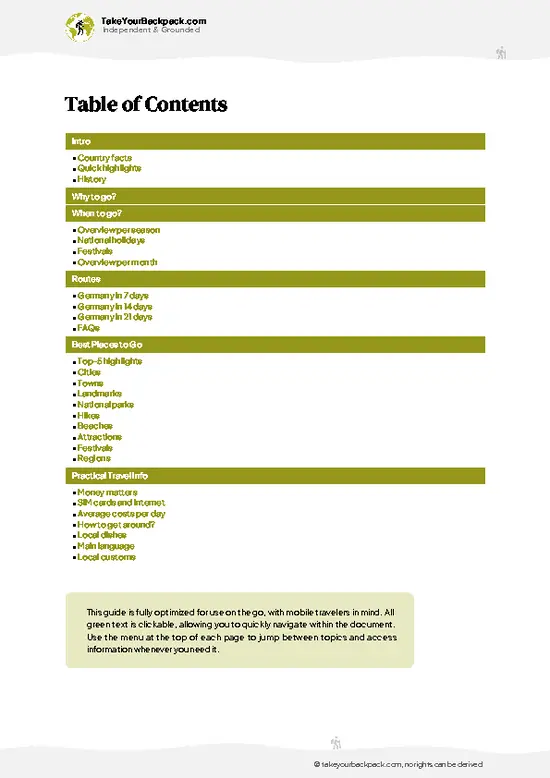
An offline-friendly backpacking guide with optimized travel routes, ranked highlights, transport advice, and the best areas to stay.
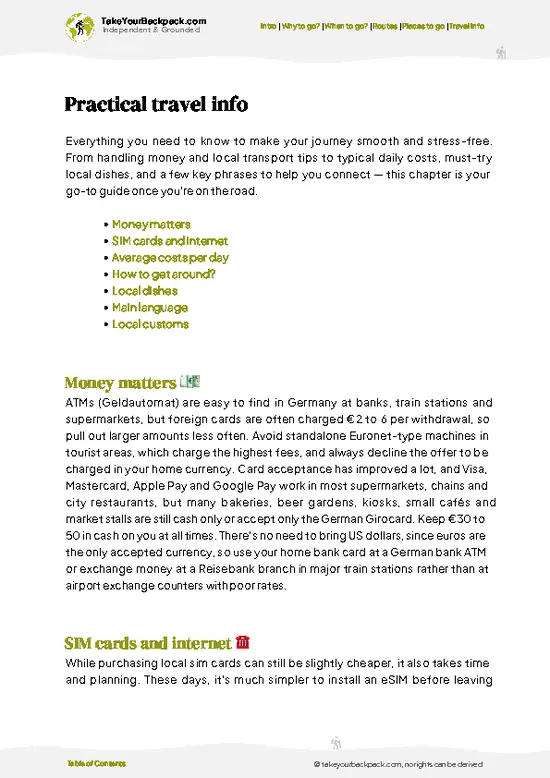
example page 0 from our offline Travel Guide for Germany
example page 1 from our offline Travel Guide for Germany
example page 2 from our offline Travel Guide for Germany
example page 3 from our offline Travel Guide for Germany
example page 4 from our offline Travel Guide for Germany
example page 5 from our offline Travel Guide for Germany
example page 6 from our offline Travel Guide for Germany
example page 7 from our offline Travel Guide for Germany
The digital guide (514 pages) contains:
140 highlights, ranked by travel appeal
Optimized 7, 14 & 21-day travel routes
Cities, national parks, landmarks, beaches
How to get around
Offline-friendly for travel without Wi-Fi
👉 Click to see all 30+ guide features

📅 Plan smarter in minutes, not weeks
Month by month travel advice
Festivals & national holidays
Budget expectations

🗺️ Go to the right places, skip the overrated ones
Honest pros & cons of destinations
Top hikes, parks & viewpoints
Lesser-known places most travelers miss
Clear “worth it vs skip it” guidance

🛏️ Travel smoothly without rookie mistakes
Best areas to stay
Transport systems explained simply
Common scams & safety advice
SIM cards, money & practical tips

🌍 Understand the country, not just visit it
Culture & traditions
52 Essential phrases & customs
Festivals worth planning around
Traveler-friendly historical context
Insights that make places more meaningful

📱 Built for real travel conditions
Fully downloadable PDF
Works completely offline
Optimized for phone use
Useful in remote areas & buses
Everything in one place
Save weeks of stressful planning
Get instant access to your full guide. 30‑day money-back guarantee.
+ Add another guide for just US$7.80

By proceeding you agree to our terms.
Sent to your inbox immediately after payment • 100% Secure Checkout
Best Backpacking Travel Advisor 2025 tourism awardBest Backpacking
Travel Advisor
2025
What others say about Take Your Backpack Guides:
⭐⭐⭐⭐⭐
Fantastic, amazing amount of information!
⭐⭐⭐⭐⭐
My goodness this is amazing, it's what I've been looking for hats off too you!
⭐⭐⭐⭐⭐
I think this is absolutely BRILLIANT
⭐⭐⭐⭐
Very complete and informative. It's still missing places, but I gotta to commend you
⭐⭐⭐⭐⭐
This is truly amazing, thank you, can't wait to explore it with my kids!
⭐⭐⭐⭐⭐
Awesome resource, thank you!
⭐⭐⭐⭐⭐
This is amazing! Can't wait to explore the ones I haven't seen
⭐⭐⭐⭐
I love this! Well done, great idea.
⭐⭐⭐⭐⭐
Thanks for taking the time to make this gem!
⭐⭐⭐⭐⭐
This might be the best website I've ever seen.
⭐⭐⭐⭐⭐
Congratulations, and thank you so much for your work; it's incredibly valuable.
⭐⭐⭐⭐
In all seriousness I think you did a great job pointing out the important spots
⭐⭐⭐⭐⭐
10/10 very good
⭐⭐⭐⭐⭐
As someone who's only just starting to visit regularly this is awesome, thank you.
⭐⭐⭐⭐
Thank you very much! I'm going to visit my dad, it's going to be very useful!
⭐⭐⭐⭐⭐
This is really cool! We'll be travelling for the first time and this definitely come in handy.
⭐⭐⭐⭐⭐
You are now our minister of culture, congratulations 👨‍💼
⭐⭐⭐⭐⭐
Just wanted to tell you that this is a pearl! Going to follow your recommendations.
⭐⭐⭐⭐⭐
This is so cool. I'll definitely be using the resource for my travels soon.
⭐⭐⭐⭐⭐
This is very impressive! Good work.
⭐⭐⭐⭐⭐
This is an amazing and informative site. Very well done!

🛏️ Where to stay?Best areas and accommodation options

Lüneburg’s heart for backpackers beats strongest in the Altstadt, the old town. Here, narrow cobblestone streets catch the soft glow of amber street lamps, and the scent of fresh bread from corner bakeries drifts through the air. It’s a compact area, making it easy to wander between lively pubs, quirky cafés, and budget-friendly hostels where solo travelers naturally mingle. Staying here means you’re steps from the salt museum and the historic town hall, grounding your trip in local character rather than tourist fluff.

Just beyond the old town, the district around the university pulses with youthful … read more 👉
Lüneburg’s heart for backpackers beats strongest in the Altstadt, the old town. Here, narrow cobblestone streets catch the soft glow of amber street lamps, and the scent of fresh bread from corner bakeries drifts through the air. It’s a compact area, making it easy to wander between lively pubs, quirky cafés, and budget-friendly hostels where solo travelers naturally mingle. Staying here means you’re steps from the salt museum and the historic town hall, grounding your trip in local character rather than tourist fluff.

Just beyond the old town, the district around the university pulses with youthful energy. It’s quieter at night but still social, with affordable eateries and a few hostels that attract students and backpackers alike. This area feels more lived-in, less polished, offering a genuine slice of Lüneburg life without the tourist crowds. Both spots are safe, walkable, and perfect for those who want to soak in the city’s rhythm without breaking the bank.

🚌 Getting aroundGetting around like a local

Lüneburg moves at the pace of a town that’s lived through centuries of salt trade and quiet resilience. It’s not a place where you’ll find frantic rush hours or a rigid timetable stamped on every corner. Instead, the rhythm here is more intuitive—locals drift between cobbled streets, their steps syncing with the soft chime of church bells and the occasional hum of a tram. The light filters through leafy avenues, casting long shadows that invite you to slow down and savor the moment. This town rewards patience and curiosity, but it also offers practical, straightforward ways to get around without fuss or expense.


  • Walking: The heart of Lüneburg is compact and best explored on foot. Strolling through the medieval streets lets you catch the scent of fresh bread from bakeries and the texture
read more 👉
Lüneburg moves at the pace of a town that’s lived through centuries of salt trade and quiet resilience. It’s not a place where you’ll find frantic rush hours or a rigid timetable stamped on every corner. Instead, the rhythm here is more intuitive—locals drift between cobbled streets, their steps syncing with the soft chime of church bells and the occasional hum of a tram. The light filters through leafy avenues, casting long shadows that invite you to slow down and savor the moment. This town rewards patience and curiosity, but it also offers practical, straightforward ways to get around without fuss or expense.


  • Walking: The heart of Lüneburg is compact and best explored on foot. Strolling through the medieval streets lets you catch the scent of fresh bread from bakeries and the texture of centuries-old brickwork under your fingertips. It’s free, flexible, and the best way to absorb the town’s atmosphere.

  • Bus (Stadtbus): Runs roughly every 15-30 minutes from early morning (around 5:30 AM) until late evening (about 11 PM). A single ticket costs about €2.50, making it a budget-friendly option for reaching neighborhoods beyond the center. Buses are punctual but expect a bit of local chatter and the occasional pause for passengers boarding with bikes or strollers.

  • Regional Train (Metronom): Connects Lüneburg with Hamburg and other nearby cities. Trains run hourly, starting early around 5 AM and tapering off by 10 PM. Tickets hover around €10-15 one way. It’s faster than the bus and offers roomy seats, but the station is a 10-minute walk from the old town, so factor that in.

  • Bicycle Rentals: Available throughout town, with hourly rates starting near €5. Lüneburg’s flat terrain and bike-friendly lanes make this a smooth, scenic way to cover more ground without losing the town’s intimate feel. Early morning rides catch the soft glow of dawn, while evening pedals reveal the warm hues of sunset on sandstone walls.

👛 Costs (as of 4 September 2026)How expensive it really is

Backpacking in Lüneburg, Germany, offers a mix of charming old-town vibes and practical costs that won’t break the bank if you know where to look.
  • Dorm Accommodation: Hostels in Lüneburg typically charge between €20 and €35 per night for a bed in a shared dorm. The rooms are usually clean and simple, with basic amenities. Booking ahead can snag you better deals, especially outside peak tourist seasons.
  • Meals: Eating out can be surprisingly affordable if you stick to local bakeries, street food, or casual cafes. Expect to spend around €5 to €10 for a hearty breakfast or lunch, like a fresh pretzel or a currywurst with fries. Dinner at a mid-range spot might push you to €12-€20, but cooking your own meals at hostel kitchens can cut costs significantly.
  • Local Transport: Lüneburg is compact
read more 👉
Backpacking in Lüneburg, Germany, offers a mix of charming old-town vibes and practical costs that won’t break the bank if you know where to look.
  • Dorm Accommodation: Hostels in Lüneburg typically charge between €20 and €35 per night for a bed in a shared dorm. The rooms are usually clean and simple, with basic amenities. Booking ahead can snag you better deals, especially outside peak tourist seasons.
  • Meals: Eating out can be surprisingly affordable if you stick to local bakeries, street food, or casual cafes. Expect to spend around €5 to €10 for a hearty breakfast or lunch, like a fresh pretzel or a currywurst with fries. Dinner at a mid-range spot might push you to €12-€20, but cooking your own meals at hostel kitchens can cut costs significantly.
  • Local Transport: Lüneburg is compact and walkable, so you might spend little to nothing on transport daily. If you do need a bus, a single ticket costs about €2.50, with day passes around €6.50, which is handy if you plan multiple trips in a day.
  • Basic Activities/Entry Fees: Many of Lüneburg’s charms lie in wandering its historic streets and parks, which are free. Museums and attractions usually charge between €5 and €10. For example, the German Salt Museum is around €7, a modest price for a deep dive into the town’s salt-mining heritage.
  • Miscellaneous Expenses: This covers essentials like bottled water, snacks, or a coffee. Budget around €3 to €7 daily here, depending on your habits. Keep a reusable bottle to save money and reduce waste.

All told, you’re looking at roughly €35 to €60 per day to cover the essentials without skimping on comfort or experience. Lüneburg’s manageable size means you spend less on transport and more on soaking in the atmosphere—cobblestones underfoot, the scent of fresh bread from corner bakeries, and the soft light filtering through medieval windows. It’s a place where the cost feels right for the quiet rewards it offers.


source: lueneburg.info
⚠️ Prices can change and everyone travels differently, so take this as a rough guide. Hope it helps you plan your adventure!

🚌 Day tripsBest day trips from Lüneburg

Lüneburg is a fantastic launchpad for exploring northern Germany, with its charming medieval streets and vibrant atmosphere. Here are some day trips that pack a punch without draining your wallet.

Hamburg
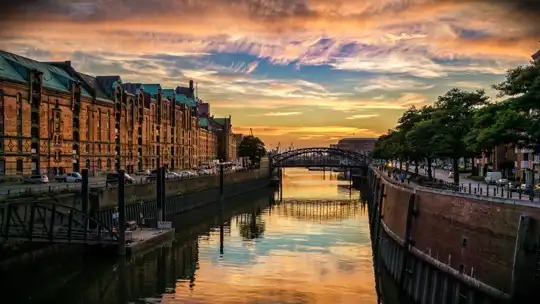
Just a quick 30-minute train ride from Lüneburg, Hamburg is a bustling port city that’s all about contrasts. You’ll find sleek modern architecture alongside historic warehouses in the Speicherstadt district. Stroll along the Elbe River, where the salty breeze mingles with the scent of fresh fish from the market. Grab a bite at one of the food stalls, and don’t miss the chance to explore the lively St. Pauli district. A round-trip ticket will set you back about €20, making it a budget-friendly adventure. Aim for a weekday to dodge the weekend crowds.
👉 Explore Hamburg

Wismar
This UNESCO … read more 👉
Lüneburg is a fantastic launchpad for exploring northern Germany, with its charming medieval streets and vibrant atmosphere. Here are some day trips that pack a punch without draining your wallet.

Hamburg
Just a quick 30-minute train ride from Lüneburg, Hamburg is a bustling port city that’s all about contrasts. You’ll find sleek modern architecture alongside historic warehouses in the Speicherstadt district. Stroll along the Elbe River, where the salty breeze mingles with the scent of fresh fish from the market. Grab a bite at one of the food stalls, and don’t miss the chance to explore the lively St. Pauli district. A round-trip ticket will set you back about €20, making it a budget-friendly adventure. Aim for a weekday to dodge the weekend crowds.
👉 Explore Hamburg

Wismar
This UNESCO World Heritage site is about an hour away by train and offers a glimpse into Hanseatic history. The cobblestone streets are lined with colorful gabled houses, and the salty air carries the scent of the nearby Baltic Sea. Spend your time wandering the old town, and be sure to try some local smoked fish. A round-trip ticket costs around €25. Late spring or early fall is ideal for fewer tourists and pleasant weather. Many first-timers miss the chance to explore the waterfront, so make that your first stop.
👉 Explore Wismar

Schwerin
Roughly 90 minutes from Lüneburg, Schwerin is home to a stunning castle that looks like it’s straight out of a fairy tale. The castle sits on an island, surrounded by serene lakes and lush gardens. Bring a picnic and soak in the atmosphere. The train fare is about €30 round-trip. Late spring is perfect for blooming flowers, but avoid peak summer when the crowds swell. A common mistake is to rush through the castle; take your time to enjoy the grounds.
👉 Explore Schwerin

Hannover
In just over an hour, you can reach Hannover, where the Royal Gardens of Herrenhausen await. The meticulously manicured gardens are a feast for the senses, with vibrant blooms and the sound of water features. A round-trip ticket will cost around €20. Spring is the best time to visit, as the flowers are in full bloom. Many backpackers miss the nearby Sprengel Museum, which houses modern art, so make sure to carve out time for that.
Want to know what more Germany offers?
The Germany Travel Guide describes 140 highlights, from cities to national parks, from beaches to hikes

Get the Travel Guide -

🛡️ SafetyTraveler Safety Guide

Lüneburg is generally safe, but a few practical tips can enhance your experience. The cobblestone streets are charming, but they can be uneven, so watch your step, especially at night. Stick to well-lit areas after dark; the town is small, and wandering off the main paths can feel isolating.

Solo travelers should be aware of their surroundings, particularly in quieter spots like the old salt warehouses. While scams are rare, be cautious of overly friendly strangers offering unsolicited help or trying to engage you in lengthy conversations.

Annoyances can include occasional street performers who might linger too long, but a polite “no, danke” usually does the trick. Carry yourself confidently, and you’ll blend in seamlessly with the locals, who are generally welcoming and helpful.

FAQFrequently asked questions about Lüneburg

Yes, Lüneburg is worth visiting for its well-preserved medieval architecture and rich history as a salt trading town. The charming old town, with its red brick buildings and narrow streets, offers a unique atmosphere not found in many other German towns.
Two days are sufficient to explore Lüneburg thoroughly. This allows time to visit key sites like the German Salt Museum, St. John's Church, and enjoy the local cafes and shops without rushing.
Yes, Lüneburg can be visited as a day trip from Hamburg, which is about 50 kilometers away. Trains run frequently and take around 30 minutes, making it an easy and popular option for a day excursion.
⚠️ Things can change over time, so always validate details locally before you go.

Other German towns near Lüneburg

Explore more nearby:

  • Celle—half-timbered streets, ducal palace, Lüneburg Heath| 73 km away
  • Schwerin—lakeside castle, island setting, sculpture parks| 78 km away
  • Wismar—Brick Gothic churches, Baltic harbor, gabled warehouses| 99 km away

💡 Not sure where to go next?
Create a personalized itinerary for Germany including Lüneburg and the places that fit your trip.

Generate my itinerary

👉 Discover all towns

Or checkout all Germany has to offer (think cities, towns, villages, national parks, hikes, beaches, festivals)
Country photo of Germany

We 💚 feedbackFinal thoughts on visiting Lüneburg

Lüneburg’s salt history seeps into every cobblestone street and café, giving the town a unique character that’s hard to shake off. You’ll savor the rich, earthy scent of the salt mines and the warmth of local hospitality. But be ready for the crowds, especially on weekends; they can turn the charming squares into bustling thoroughfares. Embrace the chaos, though—it’s part of the town’s vibrant pulse.

✈️ When did I visit Germany?
Being a neighbouring country of my home base, I visited Germany many times.

✍️ Help improve this page!
The information on this page is based on my own backpacking experience in Germany, supplemented with up-to-date research and feedback from other travelers. Travel details can change, so if you notice anything outdated or incomplete, feel free to let me know.


🙋‍♂️ Give feedback

👋 Meet the founderWho’s Behind Take Your Backpack?

Johan, backpacker and founder of TakeYourBackpackHi, I’m Johan (Netherlands 🇳🇱), the creator of TakeYourBackpack. Over the past decade, I’ve backpacked through 80+ countries across six continents, gaining extensive experience with independent travel, long-term trips, and overland routes.

This site is built on a combination of firsthand travel experience and carefully curated insights from other backpackers. Many guides are based on places I’ve personally visited, while others bring together tips, observations, and practical advice shared by trusted travelers I’ve met along the way.

The goal is to provide realistic, experience-driven guidance — not generic itineraries — so you can explore destinations with better context, clearer expectations, and more confidence.

Get full Germany guide •
Instant download • 140 highlights • Full Offline guide