v2.webp)




The Neanderthal Gallery
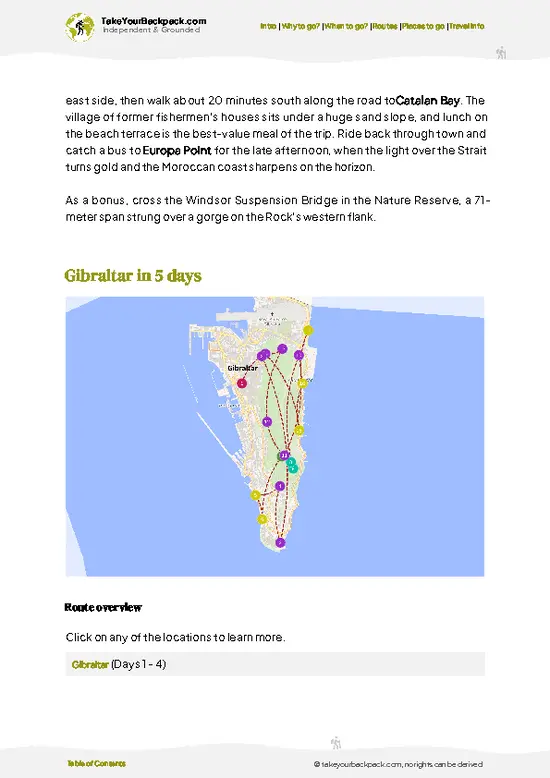
Forget the textbook skeletons and dusty dioramas you’re picturing. The Gibraltar Museum’s Neanderthal Gallery is a full-on, immersive encounter with our ancient cousins—right where they actually lived. Gibraltar isn’t just a random dot on the Neanderthal map; it’s one of the last places they survived. The gallery’s centerpiece is a life-sized, hyper-realistic Neanderthal family, sculpted with forensic precision and set in a cave scene so detailed you’ll notice the dirt under their fingernails. The museum doesn’t just show you bones; it lets you stare into the eyes of a species that vanished here, not in some far-off tundra. If you want to feel the weight of deep time and human fragility, this is the spot.
The Moorish Baths
You can scroll past a thousand “ancient baths” … read more 👉
Forget the textbook skeletons and dusty dioramas you’re picturing. The Gibraltar Museum’s Neanderthal Gallery is a full-on, immersive encounter with our ancient cousins—right where they actually lived. Gibraltar isn’t just a random dot on the Neanderthal map; it’s one of the last places they survived. The gallery’s centerpiece is a life-sized, hyper-realistic Neanderthal family, sculpted with forensic precision and set in a cave scene so detailed you’ll notice the dirt under their fingernails. The museum doesn’t just show you bones; it lets you stare into the eyes of a species that vanished here, not in some far-off tundra. If you want to feel the weight of deep time and human fragility, this is the spot.
The Moorish Baths
You can scroll past a thousand “ancient baths” … read more 👉
The Neanderthal Gallery
Forget the textbook skeletons and dusty dioramas you’re picturing. The Gibraltar Museum’s Neanderthal Gallery is a full-on, immersive encounter with our ancient cousins—right where they actually lived. Gibraltar isn’t just a random dot on the Neanderthal map; it’s one of the last places they survived. The gallery’s centerpiece is a life-sized, hyper-realistic Neanderthal family, sculpted with forensic precision and set in a cave scene so detailed you’ll notice the dirt under their fingernails. The museum doesn’t just show you bones; it lets you stare into the eyes of a species that vanished here, not in some far-off tundra. If you want to feel the weight of deep time and human fragility, this is the spot.
The Moorish Baths
You can scroll past a thousand “ancient baths” online, but the Moorish Baths in the Gibraltar Museum are the real deal—intact, atmospheric, and hiding in plain sight beneath the city’s modern skin. Built in the 14th century, these baths are not a reconstruction or a “walk-through experience.” You’re standing in the actual stone chambers where people sweated, schemed, and cooled off centuries ago. The geometry of the arches, the play of light through the star-shaped ceiling vents, and the echo of your own footsteps—this is living history, not a sanitized simulation. It’s a rare chance to touch the past without a velvet rope in sight.
The Rock’s Story: Geological & Natural History Exhibits
Instagram will sell you Gibraltar as a backdrop for monkey selfies and sea views, but the museum digs into the real story: the Rock itself. The geological exhibits explain why this chunk of limestone became a crossroads for empires, animals, and ideas. Fossils, minerals, and interactive displays reveal how the Rock shaped everything from Neanderthal survival to WWII tunnels. It’s not just rocks in glass cases; it’s the secret engine behind Gibraltar’s entire identity. If you want to understand why this place matters—beyond the Instagrammable monkeys—start here.
World War II and Fortress Gibraltar
Gibraltar’s wartime history is more than a footnote—it’s a full-blown epic, and the museum’s military galleries don’t sugarcoat it. You’ll see artifacts from the days when Gibraltar was a fortress city, including weapons, uniforms, and personal effects that survived the chaos. The exhibits lay out how the Rock became a linchpin in the Allied war effort, with stories of spies, sieges, and underground cities. It’s not a parade of medals and flags; it’s the gritty, claustrophobic reality of a place that’s been fought over for centuries.
The Great Siege Model
This isn’t your average “here’s a model of a battle” display. The Gibraltar Museum’s Great Siege model is a sprawling, obsessively detailed diorama that captures the chaos of the 1779-1783 siege—cannons, ships, trenches, and all. It’s the kind of thing you could spend half an hour poring over, spotting tiny details and imagining the noise, smoke, and desperation. It’s a reminder that Gibraltar’s history is not just ancient or modern, but a constant tug-of-war, and this model brings that drama to life in a way that’s both playful and sobering.
Forget the textbook skeletons and dusty dioramas you’re picturing. The Gibraltar Museum’s Neanderthal Gallery is a full-on, immersive encounter with our ancient cousins—right where they actually lived. Gibraltar isn’t just a random dot on the Neanderthal map; it’s one of the last places they survived. The gallery’s centerpiece is a life-sized, hyper-realistic Neanderthal family, sculpted with forensic precision and set in a cave scene so detailed you’ll notice the dirt under their fingernails. The museum doesn’t just show you bones; it lets you stare into the eyes of a species that vanished here, not in some far-off tundra. If you want to feel the weight of deep time and human fragility, this is the spot.
The Moorish Baths
You can scroll past a thousand “ancient baths” online, but the Moorish Baths in the Gibraltar Museum are the real deal—intact, atmospheric, and hiding in plain sight beneath the city’s modern skin. Built in the 14th century, these baths are not a reconstruction or a “walk-through experience.” You’re standing in the actual stone chambers where people sweated, schemed, and cooled off centuries ago. The geometry of the arches, the play of light through the star-shaped ceiling vents, and the echo of your own footsteps—this is living history, not a sanitized simulation. It’s a rare chance to touch the past without a velvet rope in sight.
The Rock’s Story: Geological & Natural History Exhibits
Instagram will sell you Gibraltar as a backdrop for monkey selfies and sea views, but the museum digs into the real story: the Rock itself. The geological exhibits explain why this chunk of limestone became a crossroads for empires, animals, and ideas. Fossils, minerals, and interactive displays reveal how the Rock shaped everything from Neanderthal survival to WWII tunnels. It’s not just rocks in glass cases; it’s the secret engine behind Gibraltar’s entire identity. If you want to understand why this place matters—beyond the Instagrammable monkeys—start here.
World War II and Fortress Gibraltar
Gibraltar’s wartime history is more than a footnote—it’s a full-blown epic, and the museum’s military galleries don’t sugarcoat it. You’ll see artifacts from the days when Gibraltar was a fortress city, including weapons, uniforms, and personal effects that survived the chaos. The exhibits lay out how the Rock became a linchpin in the Allied war effort, with stories of spies, sieges, and underground cities. It’s not a parade of medals and flags; it’s the gritty, claustrophobic reality of a place that’s been fought over for centuries.
The Great Siege Model
This isn’t your average “here’s a model of a battle” display. The Gibraltar Museum’s Great Siege model is a sprawling, obsessively detailed diorama that captures the chaos of the 1779-1783 siege—cannons, ships, trenches, and all. It’s the kind of thing you could spend half an hour poring over, spotting tiny details and imagining the noise, smoke, and desperation. It’s a reminder that Gibraltar’s history is not just ancient or modern, but a constant tug-of-war, and this model brings that drama to life in a way that’s both playful and sobering.
Spotted a mistake or missing something? Contact us.

Dolphin Watching Excursion in Gibraltar

EBike-Gibraltar: Rock To The Top Tour

Upper Rock Walking Tour

Gibraltar Inside Out Intermediate Tour 3.30hrs

Gibraltar Gin Experience

Dolphin Watching in Gibraltar with Dolphin Safari

Gibraltar Sightseeing: Classic Rock Tour (Private)

EBike-Gibraltar: Rock Around Tour

Luxury Private Tour of Tangier from Gibraltar All Inclusive


 Best Backpacking
.jpg) Hi, I’m Johan (Netherlands 🇳🇱), the creator of TakeYourBackpack. Over the past 3 decades, I’ve backpacked through 90+ countries across six continents, gaining extensive experience with independent travel, long-term trips, and overland routes.
Hi, I’m Johan (Netherlands 🇳🇱), the creator of TakeYourBackpack. Over the past 3 decades, I’ve backpacked through 90+ countries across six continents, gaining extensive experience with independent travel, long-term trips, and overland routes.