v2.webp)
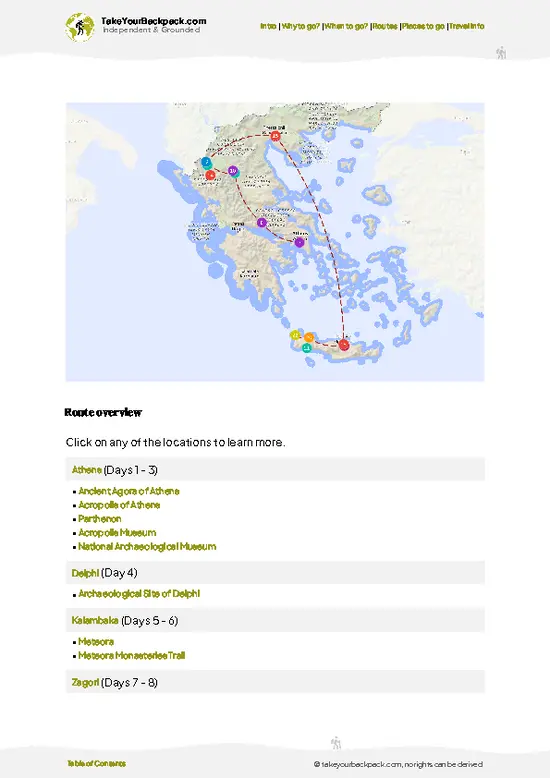
- Heraklion Archaeological Museum — One of the world’s best collections of Minoan art and artifacts; seeing the original frescoes, goldwork and pottery here makes the island’s Bronze Age history click in a way pictures never will. It’s central, well laid-out, and a must before you decide whether to visit the palace sites outside town.
- Koules Fortress (Rocca al Mare) — The hulking Venetian fortress at the mouth of the old port. Walk the ramparts for salty sea views, imagine the galleys below, and poke through the small exhibits and casemates that bring Heraklion’s maritime past to life.
- Venetian Loggia — A compact dose of Renaissance elegance right off Lion Square; the Loggia’s carved stone arcades and upstairs halls speak to Heraklion’s role as an important Venetian outpost. Great for photos
- Heraklion Archaeological Museum — One of the world’s best collections of Minoan art and artifacts; seeing the original frescoes, goldwork and pottery here makes the island’s Bronze Age history click in a way pictures never will. It’s central, well laid-out, and a must before you decide whether to visit the palace sites outside town.
- Koules Fortress (Rocca al Mare) — The hulking Venetian fortress at the mouth of the old port. Walk the ramparts for salty sea views, imagine the galleys below, and poke through the small exhibits and casemates that bring Heraklion’s maritime past to life.
- Venetian Loggia — A compact dose of Renaissance elegance right off Lion Square; the Loggia’s carved stone arcades and upstairs halls speak to Heraklion’s role as an important Venetian outpost. Great for photos and for catching exhibitions or a look inside when it’s open.
- Morosini Fountain (Lions Square) — The city’s social pulse: a 17th-century fountain with lion heads, crowded cafés, and local life running around it. It’s an excellent spot to sit, people-watch, and trace the flow between old Venetian architecture and modern Heraklion.
- Agios Minas Cathedral — One of Greece’s largest Orthodox churches, with a striking interior of icons and chandeliers and a feeling of real local significance — funerals, weddings and big feast days all take place here. The building itself is worth a look even if you’re short on time.
- Church of Agios Titos — A layered historic site: originally Byzantine, turned Venetian, then Ottoman, and restored as an Orthodox church. Its compact museum-ish feel and the nearby old quarter streets give a neat snapshot of Heraklion’s tangled history.
- Historical Museum of Crete — Flags, photographs, folk costumes and resistance exhibits that follow Crete from Byzantine times to 20th-century resistance movements. If you want context for what locals talk about (and why), this museum clears a lot up.
- Natural History Museum of Crete — Superb if you care about island ecology: interactive displays on Cretan flora, fauna and geology, plus great dioramas. It’s smaller and less famous than the archaeological museum but genuinely interesting, especially on hot or rainy days.
- Heraklion Central Market (Agora) — A lively tangle of butchers, fishmongers, bakeries and spice stalls where you can sample real Cretan produce and street food. It’s the best place to get a feel for daily life, pick up affordable snacks, or watch locals haggle.
- Venetian Shipyards & City Walls (Neoria and the Ramparts) — Walkable, atmospheric remains of the old shipbuilding area and the long defensive walls that defined the city for centuries. Combine a stroll here with the harborfront for sunset views, fishermen, and quiet history away from the main squares.
Spotted a mistake or missing something? Contact us.

The Gourmet Wine Tour of Heraklion area

PRIVATE-Zeus’ Birthplace - Knossos-Olive oil Factory-Old Villages

Explore the Real Crete-Zeus’s Cave - Villages-Olive Oil Factory

Chania Old Town & Top Sights | From Heraklion, Rethymno & Chania

PRIVATE TOUR - Winery+Olive Oil Factory-Old Traditional Villages

Rethymnon Old Town, Arkadi , Eleutherna, Margarites | Private

Private Guided Tour to Knossos Palace, Arch. Museum & Heraklion

Tuk Tuk Sissi Ride 2 hours private tour

Matala Beach + Caves, Phaistos Palace & Southern Charm | Private


 Best Backpacking
.jpg) Hi, I’m Johan (Netherlands 🇳🇱), the creator of TakeYourBackpack. Over the past 3 decades, I’ve backpacked through 90+ countries across six continents, gaining extensive experience with independent travel, long-term trips, and overland routes.
Hi, I’m Johan (Netherlands 🇳🇱), the creator of TakeYourBackpack. Over the past 3 decades, I’ve backpacked through 90+ countries across six continents, gaining extensive experience with independent travel, long-term trips, and overland routes.