
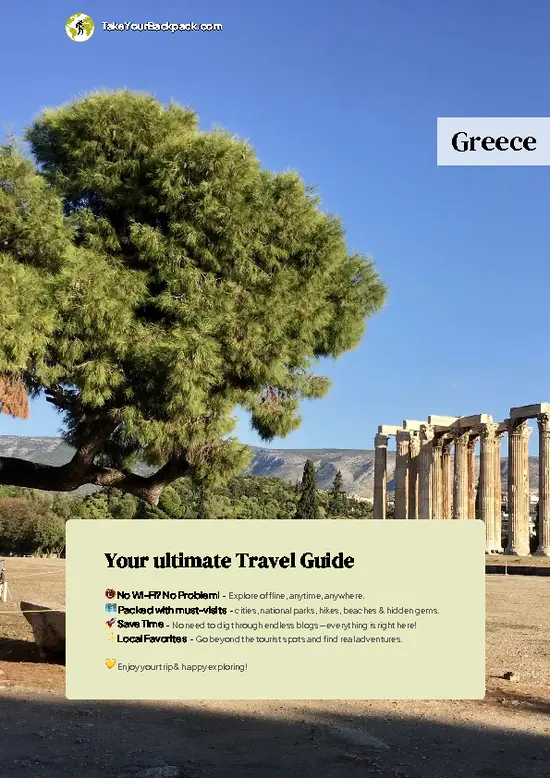
- Neratzia Castle (Castle of the Knights) — The big stone fortress at the harbor: great for wandering the battlements, getting that postcard view of the waterfront and Kalymnos across the channel, and imagining medieval naval blockades. The rooms and ramparts are easy to explore and photo-friendly.
- Archaeological Museum of Kos — Compact but well-curated: statues, inscriptions and finds from the island’s long past, including material from the Asklepion excavations. A good follow-up after seeing the ruins around town, and air-conditioned when it’s hot.
- Hippocrates’ Plane Tree (Platanus) — The famous old plane tree in the town square said to mark where Hippocrates taught. The current trunk is younger than legend claims, but the spot is an atmospheric tiny oasis and a real cultural symbol for
- Neratzia Castle (Castle of the Knights) — The big stone fortress at the harbor: great for wandering the battlements, getting that postcard view of the waterfront and Kalymnos across the channel, and imagining medieval naval blockades. The rooms and ramparts are easy to explore and photo-friendly.
- Archaeological Museum of Kos — Compact but well-curated: statues, inscriptions and finds from the island’s long past, including material from the Asklepion excavations. A good follow-up after seeing the ruins around town, and air-conditioned when it’s hot.
- Hippocrates’ Plane Tree (Platanus) — The famous old plane tree in the town square said to mark where Hippocrates taught. The current trunk is younger than legend claims, but the spot is an atmospheric tiny oasis and a real cultural symbol for Kos.
- Casa Romana (Roman Villa) — An urban Roman house with restored mosaics and tiled floors right in town. It’s a neat slice of daily life from antiquity without having to leave the center.
- Roman Odeon — Small covered theatre near the Agora with surviving seats and stage area. It’s intimate and easy to picture performances from two millennia ago; a calm place to sit and people-watch.
- Ancient Agora / Roman Forum ruins — A cluster of columns, paved streets and foundations tucked between modern buildings. Not a massive park, but walking through these scattered ruins gives you a direct feel for old Kos woven into the present town.
- Gazi Hasan Mosque — The Ottoman-era mosque near the harbor (also called Gazi Hassan Pasha Mosque). Even if you only see it from outside, it’s an important reminder of Kos’s multi-layered history and makes a striking photo against the marina.
- The Ottoman Hamam (Turkish Baths) — The ruined-but-photogenic hammam complex in town is a tangible trace of Ottoman daily life; the vaults and stonework are atmospheric and easy to reach on foot.
- Kos Harbour & Seafront Promenade — Not just a transit point: the harborfront is where locals and visitors mix, ferries arrive, fishing boats bob, cafés spill onto the pavement, and sunsets are properly earned. Walk it slowly, grab a coffee, then a seafood snack.
- Eleftherias Square & Municipal Market — The town’s social hub: stalls, cafes, bakeries and local produce. Great for quick bites, people-watching, and picking up the kind of small food and craft items you won’t find in the tourist shops.
Spotted a mistake or missing something? Contact us.

3 Island Luxury Cruise with 4 Swimming Stops with Captain Morgan

Full Day 3-Island Boat Cruise from Port of Kos

The Santa Maria 3 Island Cruise in the Aegean w/ Free Audio Guide

Full Day Boat Cruise to 3 Islands with optional pickup

Barco De Pirata Cruise at 3 Islands in Kos

Full-Day Tour to Nisyros The Volcano Island

Kos - Airport Private Transfer

Kos: Small-Group Full-Day Catamaran Boat Trip, Meal, Drinks &Swim

Kos: Small Group Full-Day Sailing Boat Trip, Meals, Drinks & Swim


 Best Backpacking
 Hi, I’m Johan (Netherlands 🇳🇱), the creator of TakeYourBackpack. Over the past 3 decades, I’ve backpacked through 90+ countries across six continents, gaining extensive experience with independent travel, long-term trips, and overland routes.