How many towns to visit: I recommend
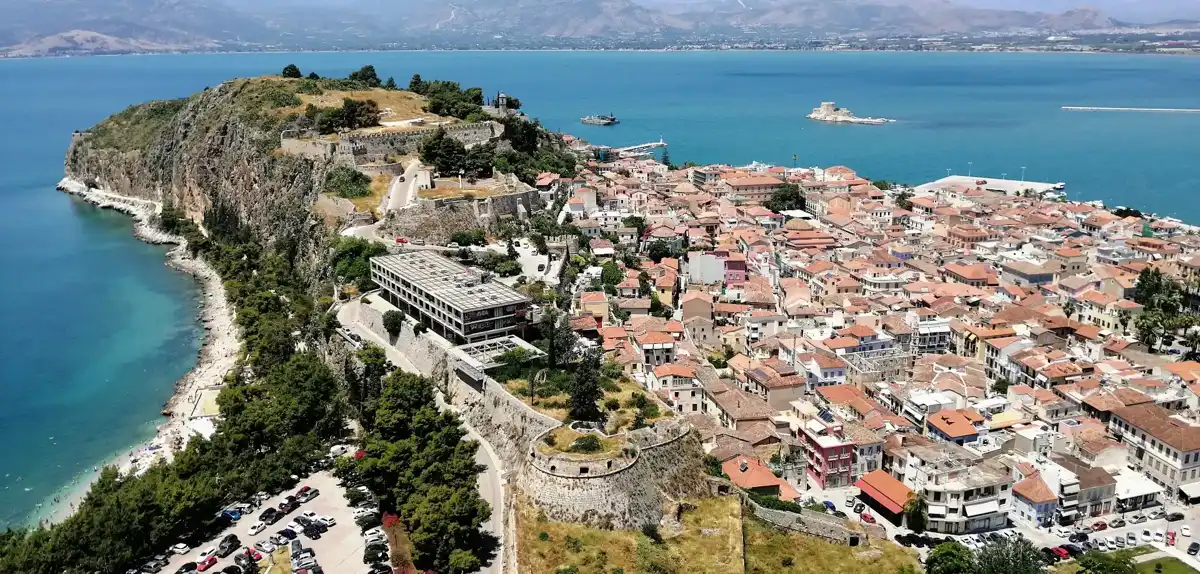
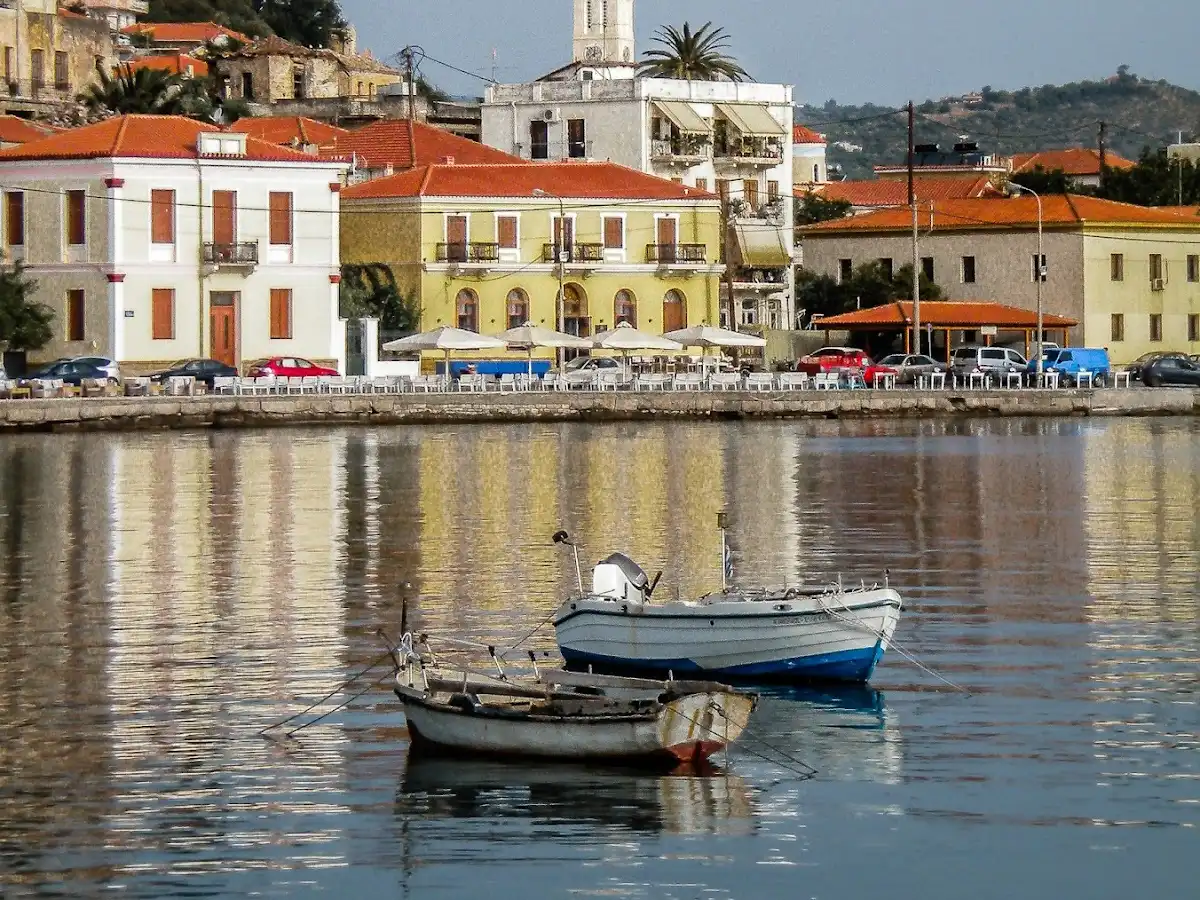
four to six towns in a trip of two weeks. Fewer than four and you miss Greece’s regional contrasts. More than six and you spend your days in port waiting rooms and on bus seats, paying for the movement with time and energy. Two nights per stop gives you one real evening in the square and a morning to wander before moving on.
Which kind of town for which traveler: If money is tight, favor
mainland and Peloponnese towns. A dorm bed or basic room costs about €15 to 35, a gyro €3 to 4.50, and a taverna dinner €10 to 18, and you meet more locals than tourists. If you want beaches and sunset views, choose
island towns, but expect €30 to 60 for a dorm bed or budget room in summer and ferry tickets of €20 to 60 per leg. For hiking and cool air,
mountain villages …
read more 👉 How many towns to visit: I recommend four to six towns in a trip of two weeks. Fewer than four and you miss Greece’s regional contrasts. More than six and you spend your days in port waiting rooms and on bus seats, paying for the movement with time and energy. Two nights per stop gives you one real evening in the square and a morning to wander before moving on.
Which kind of town for which traveler: If money is tight, favor mainland and Peloponnese towns. A dorm bed or basic room costs about €15 to 35, a gyro €3 to 4.50, and a taverna dinner €10 to 18, and you meet more locals than tourists. If you want beaches and sunset views, choose island towns, but expect €30 to 60 for a dorm bed or budget room in summer and ferry tickets of €20 to 60 per leg. For hiking and cool air, mountain villages are cheap to sleep in, around €30 to 50 a room, but the buses are thin and a rental car or shared taxi can cost €35 to 60 a day. Island towns give the most scenery for the money only if you visit in May, June or September.
Budget: Plan on €50 to 80 a day in shoulder season on a mainland-heavy route, and €80 to 130 in July and August on islands. Archaeological site and museum entries run €6 to 20, with the Acropolis near the top at around €30 in peak season, and students from outside the EU often pay less or nothing with the right card. Local buses cost €1.20 to 2 in towns. Long-distance KTEL tickets run €10 to 35. Guides cost €60 to 150 for a half day, and in small towns you rarely need one.
Safety and culture: Greek towns are very safe, with violent crime rare. Watch for pickpockets in crowded ports and busy squares, and for motorbike accidents, which injure many visitors every summer, so avoid riding unless you have experience on steep, gravelly roads. Sun and dehydration cause more trouble than people: carry water, wear a hat, and plan walks before 11 a.m. or after 5 p.m. Dress covered, with shoulders and knees, in monasteries and churches, and expect to be turned away at some doors without it. Respect the afternoon quiet hours from about 3 to 5 p.m. when many shops close and neighbors nap. Tap water is drinkable in most towns but tastes brackish on some islands, so buy bottled water there. Carry cash for small tavernas and rural bus tickets. Tipping is modest: round up or leave 5 to 10 percent.





 Best Backpacking
 Hi, I’m Johan (Netherlands 🇳🇱), the creator of TakeYourBackpack. Over the past 3 decades, I’ve backpacked through 90+ countries across six continents, gaining extensive experience with independent travel, long-term trips, and overland routes.