v2.webp)

The Throne Room
Let’s cut through the hype: the “Throne Room” is tiny, often packed, and you’ll probably have to elbow your way in for a glimpse. But this is the psychological heart of Knossos. The stone seat—possibly Europe’s oldest throne—sits in a chamber ringed by benches and a faded fresco of griffins. It’s not about grandeur; it’s about the eerie intimacy. You’re standing where Bronze Age rulers (or high priestesses, depending on which archaeologist you believe) made decisions that shaped the ancient world. The room’s claustrophobic vibe is the real showstopper—less Game of Thrones, more sacred bunker.
The Grand Staircase
Forget the Instagram shots of sun-bleached ruins. The Grand Staircase is where you feel the scale and ambition of the Minoans. Four flights of stone steps, with light … read more 👉
Let’s cut through the hype: the “Throne Room” is tiny, often packed, and you’ll probably have to elbow your way in for a glimpse. But this is the psychological heart of Knossos. The stone seat—possibly Europe’s oldest throne—sits in a chamber ringed by benches and a faded fresco of griffins. It’s not about grandeur; it’s about the eerie intimacy. You’re standing where Bronze Age rulers (or high priestesses, depending on which archaeologist you believe) made decisions that shaped the ancient world. The room’s claustrophobic vibe is the real showstopper—less Game of Thrones, more sacred bunker.
The Grand Staircase
Forget the Instagram shots of sun-bleached ruins. The Grand Staircase is where you feel the scale and ambition of the Minoans. Four flights of stone steps, with light … read more 👉
The Throne Room
Let’s cut through the hype: the “Throne Room” is tiny, often packed, and you’ll probably have to elbow your way in for a glimpse. But this is the psychological heart of Knossos. The stone seat—possibly Europe’s oldest throne—sits in a chamber ringed by benches and a faded fresco of griffins. It’s not about grandeur; it’s about the eerie intimacy. You’re standing where Bronze Age rulers (or high priestesses, depending on which archaeologist you believe) made decisions that shaped the ancient world. The room’s claustrophobic vibe is the real showstopper—less Game of Thrones, more sacred bunker.
The Grand Staircase
Forget the Instagram shots of sun-bleached ruins. The Grand Staircase is where you feel the scale and ambition of the Minoans. Four flights of stone steps, with light wells that would make any modern architect jealous, spiral you down into the palace’s guts. It’s not just a staircase—it’s a vertical labyrinth, and the sense of movement and space is still dramatic, even with a crowd at your heels. This is where you realize Knossos wasn’t just a palace; it was a living, breathing city.
The Fresco Corridor
Most of what you see at Knossos is reconstruction—sometimes controversial, always bold. But the corridor lined with replica frescoes (the originals are in the Heraklion Museum) is a riot of color and energy. The “Prince of the Lilies,” with his confident stride and electric blue crown, is the ancient world’s answer to street art. These images aren’t just decoration; they’re a window into a culture obsessed with movement, nature, and spectacle. If you want to feel the pulse of Minoan life, this is where it beats loudest.
The Central Court
This is the open-air stage where the myth of the Minotaur was born. Stand in the middle, and you’ll get why: the space is huge, ringed by colonnades and layered with history. Imagine processions, bull-leaping, and rituals that blurred the line between sport and religion. The crowds here can be thick, but the sheer scale means you can always find a spot to pause and let your imagination run wild. My personal favorite—there’s nothing like standing in the sun, surrounded by 4,000 years of echoes, and realizing you’re in the original “labyrinth.”
The Queen’s Megaron
This suite of rooms is a quieter counterpoint to the palace’s grander spaces. The reconstructed dolphin fresco is the star—playful, bright, and shockingly modern for something painted in 1500 BCE. The plumbing here (yes, real ancient plumbing) is a reminder that the Minoans were living well while most of Europe was still figuring out how to build a hut. It’s a glimpse of ancient luxury that feels surprisingly relatable.
The North Entrance Passage
Most people rush through, but slow down. The massive horns of consecration—giant stone symbols—frame your view, and the reconstructed charging bull fresco above the entrance is pure adrenaline. This is the palace’s power move: a ceremonial gateway that announces, “You’re entering a world apart.” It’s theatrical, unapologetic, and still works after all these centuries.
Let’s cut through the hype: the “Throne Room” is tiny, often packed, and you’ll probably have to elbow your way in for a glimpse. But this is the psychological heart of Knossos. The stone seat—possibly Europe’s oldest throne—sits in a chamber ringed by benches and a faded fresco of griffins. It’s not about grandeur; it’s about the eerie intimacy. You’re standing where Bronze Age rulers (or high priestesses, depending on which archaeologist you believe) made decisions that shaped the ancient world. The room’s claustrophobic vibe is the real showstopper—less Game of Thrones, more sacred bunker.
The Grand Staircase
Forget the Instagram shots of sun-bleached ruins. The Grand Staircase is where you feel the scale and ambition of the Minoans. Four flights of stone steps, with light wells that would make any modern architect jealous, spiral you down into the palace’s guts. It’s not just a staircase—it’s a vertical labyrinth, and the sense of movement and space is still dramatic, even with a crowd at your heels. This is where you realize Knossos wasn’t just a palace; it was a living, breathing city.
The Fresco Corridor
Most of what you see at Knossos is reconstruction—sometimes controversial, always bold. But the corridor lined with replica frescoes (the originals are in the Heraklion Museum) is a riot of color and energy. The “Prince of the Lilies,” with his confident stride and electric blue crown, is the ancient world’s answer to street art. These images aren’t just decoration; they’re a window into a culture obsessed with movement, nature, and spectacle. If you want to feel the pulse of Minoan life, this is where it beats loudest.
The Central Court
This is the open-air stage where the myth of the Minotaur was born. Stand in the middle, and you’ll get why: the space is huge, ringed by colonnades and layered with history. Imagine processions, bull-leaping, and rituals that blurred the line between sport and religion. The crowds here can be thick, but the sheer scale means you can always find a spot to pause and let your imagination run wild. My personal favorite—there’s nothing like standing in the sun, surrounded by 4,000 years of echoes, and realizing you’re in the original “labyrinth.”
The Queen’s Megaron
This suite of rooms is a quieter counterpoint to the palace’s grander spaces. The reconstructed dolphin fresco is the star—playful, bright, and shockingly modern for something painted in 1500 BCE. The plumbing here (yes, real ancient plumbing) is a reminder that the Minoans were living well while most of Europe was still figuring out how to build a hut. It’s a glimpse of ancient luxury that feels surprisingly relatable.
The North Entrance Passage
Most people rush through, but slow down. The massive horns of consecration—giant stone symbols—frame your view, and the reconstructed charging bull fresco above the entrance is pure adrenaline. This is the palace’s power move: a ceremonial gateway that announces, “You’re entering a world apart.” It’s theatrical, unapologetic, and still works after all these centuries.
Spotted a mistake or missing something? Contact us.

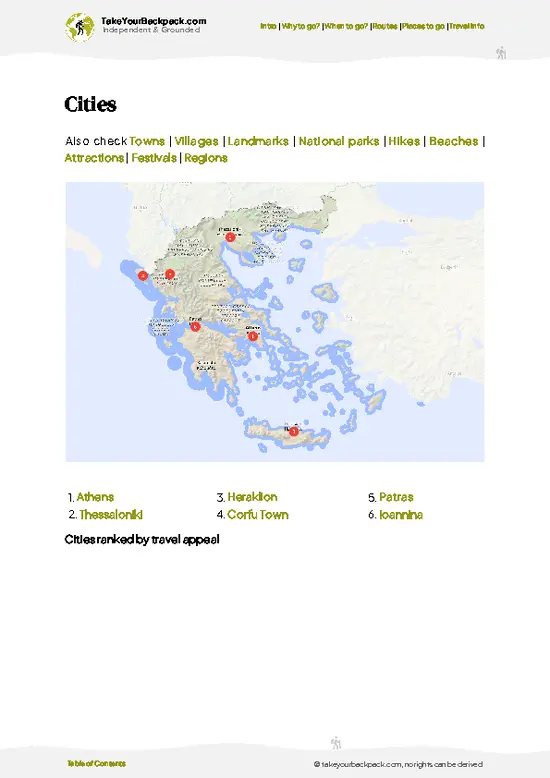
Knossos - Zeus Cave - Old Traditional Villages-Olive Oil Factory

Knossos & Lasithi Plateau: Zeus Cave, Villages, Olive Oil Tour

Private Tour-Knossos Palace Zeus Cave Pottery Olive Mill & Wine

Full-Day Knossos Palace - Lasithi Plateau - Cave of Zeus

Knossos & lasithi plateau villages,Zeus's cave&olive oil Mill

PRIVATE-Knossos Palace-Zeus Cave-Olive Oil Tasting-Old Villages

PRIVATE-Zeus’ Birthplace - Knossos-Olive oil Factory-Old Villages

Labyrinth of Knossos Skip-the-Line Ticket with Tour Guide
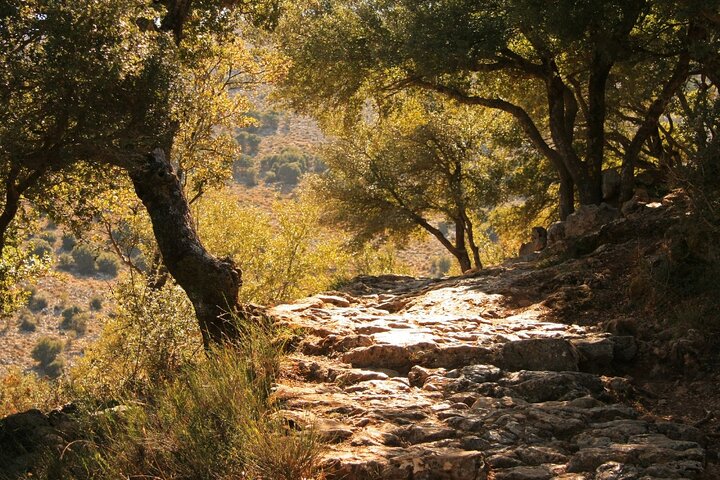
Knossos, Lasithi, Zeus Cave & Olive Mill Farm Combo Tour


 Best Backpacking
.jpg) Hi, I’m Johan (Netherlands 🇳🇱), the creator of TakeYourBackpack. Over the past 3 decades, I’ve backpacked through 90+ countries across six continents, gaining extensive experience with independent travel, long-term trips, and overland routes.
Hi, I’m Johan (Netherlands 🇳🇱), the creator of TakeYourBackpack. Over the past 3 decades, I’ve backpacked through 90+ countries across six continents, gaining extensive experience with independent travel, long-term trips, and overland routes.