


1. The Sermeq Kujalleq Glacier: Watching the Ice Giants Move
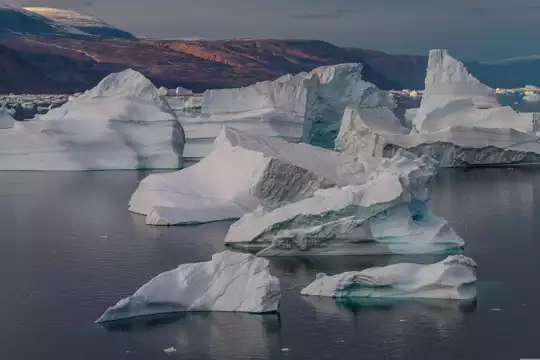
Forget the Instagram drone shots—standing at the edge of the Ilulissat Icefjord, you’re face-to-face with one of the planet’s fastest and most productive glaciers. This isn’t a static postcard. The Sermeq Kujalleq Glacier is a living, groaning beast, calving icebergs the size of apartment blocks with a thunder that rattles your bones. You’ll see the raw mechanics of climate and geology in real time. The scale is humbling, and the unpredictability—will a chunk fall while you’re watching?—makes every visit a gamble with nature’s slot machine. No filter needed; the drama is real.
2. The Icefjord Centre’s Architecture: Stepping Into a Spacecraft for Earth
Most visitor centers are glorified gift shops. The Ilulissat Icefjord Centre is … read more 👉
Forget the Instagram drone shots—standing at the edge of the Ilulissat Icefjord, you’re face-to-face with one of the planet’s fastest and most productive glaciers. This isn’t a static postcard. The Sermeq Kujalleq Glacier is a living, groaning beast, calving icebergs the size of apartment blocks with a thunder that rattles your bones. You’ll see the raw mechanics of climate and geology in real time. The scale is humbling, and the unpredictability—will a chunk fall while you’re watching?—makes every visit a gamble with nature’s slot machine. No filter needed; the drama is real.
2. The Icefjord Centre’s Architecture: Stepping Into a Spacecraft for Earth
Most visitor centers are glorified gift shops. The Ilulissat Icefjord Centre is … read more 👉
1. The Sermeq Kujalleq Glacier: Watching the Ice Giants Move
Forget the Instagram drone shots—standing at the edge of the Ilulissat Icefjord, you’re face-to-face with one of the planet’s fastest and most productive glaciers. This isn’t a static postcard. The Sermeq Kujalleq Glacier is a living, groaning beast, calving icebergs the size of apartment blocks with a thunder that rattles your bones. You’ll see the raw mechanics of climate and geology in real time. The scale is humbling, and the unpredictability—will a chunk fall while you’re watching?—makes every visit a gamble with nature’s slot machine. No filter needed; the drama is real.
2. The Icefjord Centre’s Architecture: Stepping Into a Spacecraft for Earth
Most visitor centers are glorified gift shops. The Ilulissat Icefjord Centre is a rare exception. Designed by Dorte Mandrup, the building itself is a sculptural, serpentine marvel that looks like it crash-landed from a more imaginative future. The architecture doesn’t just house exhibits; it frames the landscape, with panoramic windows that make you feel like you’re floating above the ice. The roof is a public walkway—yes, you can literally walk on the building—offering a 360-degree view that’s as much about the silence and wind as it is about the scenery. It’s a rare case where the building is as memorable as the natural wonder it interprets.
3. Interactive Exhibits: Science Without the Snooze
This isn’t your average wall-of-text museum. The Centre’s exhibits are tactile, immersive, and refreshingly blunt about climate change. You’ll find multimedia installations that let you “listen” to the glacier’s movements, touch real ice samples, and trace the journey of an iceberg from birth to ocean grave. The storytelling is sharp—no sugarcoating the environmental stakes, but also no guilt-tripping. You leave smarter, not just entertained.
4. The Boardwalk Trails: Walking the Edge of the World
The wooden boardwalks leading from the Centre snake through Arctic tundra and out to the best viewpoints over the fjord. This is where the crowds thin, and the real Greenland kicks in: the crunch of frost underfoot, the smell of salt and lichen, and the distant cracks of shifting ice. You’re not just looking at a landscape; you’re in it, with nothing between you and the elements except your jacket and your nerve. The trails are accessible but never sanitized—expect wind, weather, and the kind of solitude that makes you rethink your place on the planet.
5. Midnight Sun and Northern Lights: The Sky’s Double Feature
Here’s the wildcard: depending on when you visit, the sky itself becomes the main event. In summer, the midnight sun turns the icebergs into glowing sculptures, lighting up the fjord in surreal, painterly colors that no camera can quite capture. In winter, the aurora borealis can hijack the night, swirling above the ice in a show that’s both cosmic and deeply personal. No two nights are the same, and no tour group can guarantee a performance. That’s the magic—and the risk—of the real Arctic.
Forget the Instagram drone shots—standing at the edge of the Ilulissat Icefjord, you’re face-to-face with one of the planet’s fastest and most productive glaciers. This isn’t a static postcard. The Sermeq Kujalleq Glacier is a living, groaning beast, calving icebergs the size of apartment blocks with a thunder that rattles your bones. You’ll see the raw mechanics of climate and geology in real time. The scale is humbling, and the unpredictability—will a chunk fall while you’re watching?—makes every visit a gamble with nature’s slot machine. No filter needed; the drama is real.
2. The Icefjord Centre’s Architecture: Stepping Into a Spacecraft for Earth
Most visitor centers are glorified gift shops. The Ilulissat Icefjord Centre is a rare exception. Designed by Dorte Mandrup, the building itself is a sculptural, serpentine marvel that looks like it crash-landed from a more imaginative future. The architecture doesn’t just house exhibits; it frames the landscape, with panoramic windows that make you feel like you’re floating above the ice. The roof is a public walkway—yes, you can literally walk on the building—offering a 360-degree view that’s as much about the silence and wind as it is about the scenery. It’s a rare case where the building is as memorable as the natural wonder it interprets.
3. Interactive Exhibits: Science Without the Snooze
This isn’t your average wall-of-text museum. The Centre’s exhibits are tactile, immersive, and refreshingly blunt about climate change. You’ll find multimedia installations that let you “listen” to the glacier’s movements, touch real ice samples, and trace the journey of an iceberg from birth to ocean grave. The storytelling is sharp—no sugarcoating the environmental stakes, but also no guilt-tripping. You leave smarter, not just entertained.
4. The Boardwalk Trails: Walking the Edge of the World
The wooden boardwalks leading from the Centre snake through Arctic tundra and out to the best viewpoints over the fjord. This is where the crowds thin, and the real Greenland kicks in: the crunch of frost underfoot, the smell of salt and lichen, and the distant cracks of shifting ice. You’re not just looking at a landscape; you’re in it, with nothing between you and the elements except your jacket and your nerve. The trails are accessible but never sanitized—expect wind, weather, and the kind of solitude that makes you rethink your place on the planet.
5. Midnight Sun and Northern Lights: The Sky’s Double Feature
Here’s the wildcard: depending on when you visit, the sky itself becomes the main event. In summer, the midnight sun turns the icebergs into glowing sculptures, lighting up the fjord in surreal, painterly colors that no camera can quite capture. In winter, the aurora borealis can hijack the night, swirling above the ice in a show that’s both cosmic and deeply personal. No two nights are the same, and no tour group can guarantee a performance. That’s the magic—and the risk—of the real Arctic.
Spotted a mistake or missing something? Contact us.
v2.webp)


Best Backpacking
Hi, I’m Johan (Netherlands 🇳🇱), the creator of TakeYourBackpack. Over the past decade, I’ve backpacked through 80+ countries across six continents, gaining extensive experience with independent travel, long-term trips, and overland routes.