v2.webp)
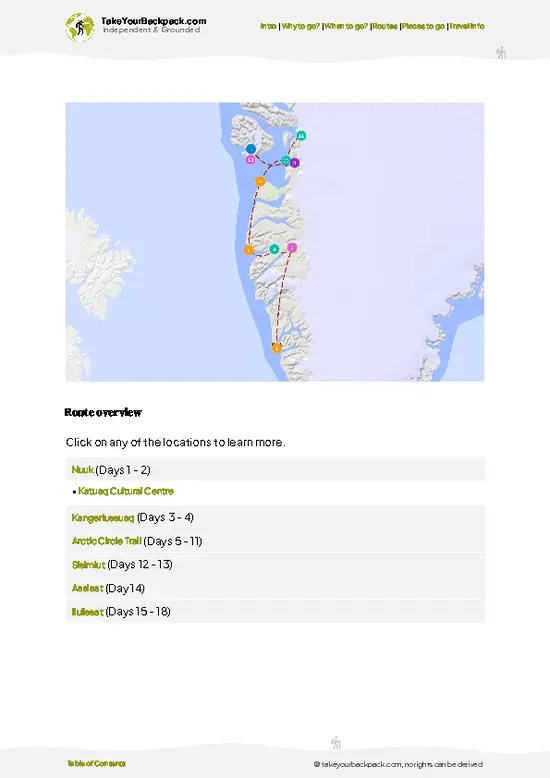
- Brattahlíð, Qassiarsuk: Erik the Red’s farm site, with reconstructed turf buildings, a small church and a Viking-style longhouse, set above the fjord.
- Garðar Cathedral Ruins, Igaliku: the sandstone walls of the Norse bishop’s seat, standing beside present-day farm fields.
- Igaliku Village: a small settlement of colorful houses, sheep paddocks and a quiet church, without crowds.
- Hvalsey Church: the best-preserved Norse ruin in Greenland, with tall stone gables and a remote fjord setting where the last recorded Norse event took place.
- Tasiusaq Fjord Walk: a quiet route past farm tracks and open pasture, usually without other hikers.
- King’s Road to Igaliku: the 4 km track from the boat landing at Itilleq across the isthmus to the village and the Garðar ruins.
- Sheep Farm Visits: working farms around
- Brattahlíð, Qassiarsuk: Erik the Red’s farm site, with reconstructed turf buildings, a small church and a Viking-style longhouse, set above the fjord.
- Garðar Cathedral Ruins, Igaliku: the sandstone walls of the Norse bishop’s seat, standing beside present-day farm fields.
- Igaliku Village: a small settlement of colorful houses, sheep paddocks and a quiet church, without crowds.
- Hvalsey Church: the best-preserved Norse ruin in Greenland, with tall stone gables and a remote fjord setting where the last recorded Norse event took place.
- Tasiusaq Fjord Walk: a quiet route past farm tracks and open pasture, usually without other hikers.
- King’s Road to Igaliku: the 4 km track from the boat landing at Itilleq across the isthmus to the village and the Garðar ruins.
- Sheep Farm Visits: working farms around Igaliku and Qassiarsuk where you can see shearing, lambing or hay-making, depending on the season.
- Qassiarsuk Church: Thjodhild’s Church replica, a tiny turf-walled chapel built to honor Erik the Red’s wife.
- Narsarsuaq Viewpoints: hill paths above the old airfield with views over icebergs and the ice cap beyond.
- Sandstone Ridge at Igaliku: a lesser-known climb above the village, where locals walk for views over the fjord and the farms.
Spotted a mistake or missing something? Contact us.


 Best Backpacking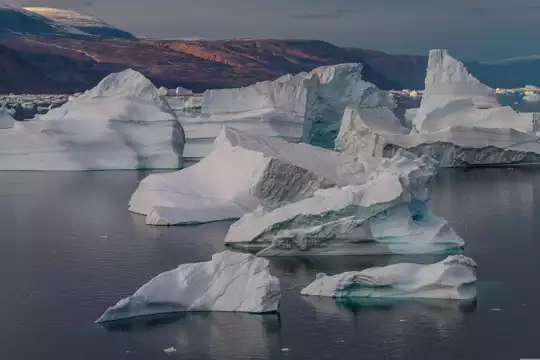
.jpg) Hi, I’m Johan (Netherlands 🇳🇱), the creator of TakeYourBackpack. Over the past 3 decades, I’ve backpacked through 90+ countries across six continents, gaining extensive experience with independent travel, long-term trips, and overland routes.
Hi, I’m Johan (Netherlands 🇳🇱), the creator of TakeYourBackpack. Over the past 3 decades, I’ve backpacked through 90+ countries across six continents, gaining extensive experience with independent travel, long-term trips, and overland routes.