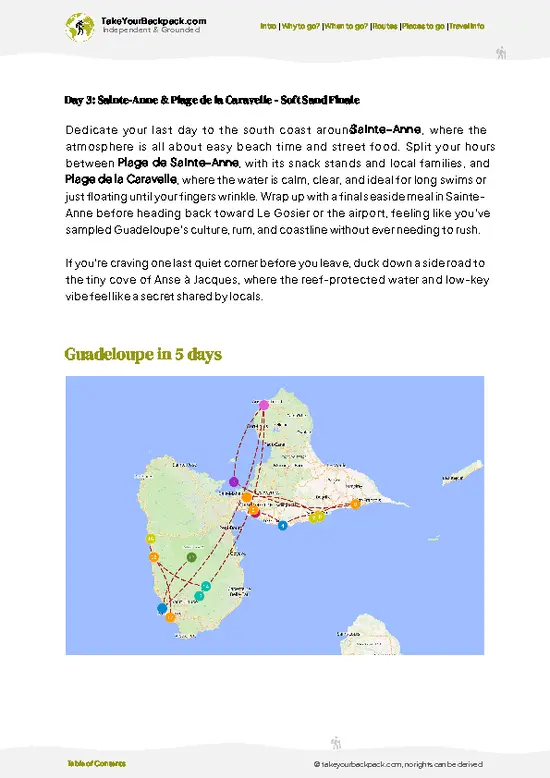
×

Guadeloupe🇬🇵 | national parksGrand Cul-de-Sac Marin Natural Reserveseagrass beds, barrier reef, mangrove channels | things to do and best time to go

Explore Les Chutes du CarbetExplore Jacques Cousteau Underwater Reserve

Backpacking in Grand Cul-de-Sac Marin Natural Reserve
🌟 Highlightnational park ranked #3
By Johan Kruseman 🇳🇱 | Updated May 15, 2026

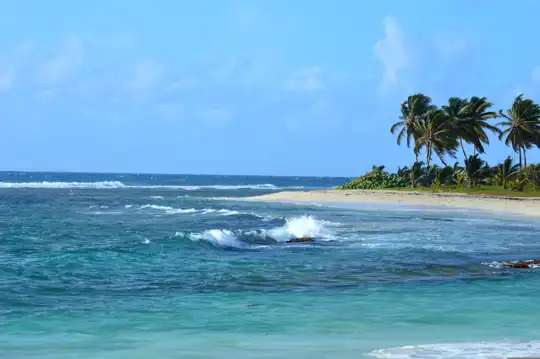
Salt on your lips, mangrove roots brushing your calves, and the soft crunch of broken coral under your sandals as a heron lifts off a few meters ahead. The water is glassy but the air is thick, humming with insects and distant boat engines. This is Grand Cul-de-Sac Marin Natural Reserve, the shallow lagoon and mangrove maze between Basse-Terre and Grande-Terre in northern Guadeloupe. For backpackers, it’s less about big summit hikes and more about low-key coastal walks, kayak routes, and snorkel sessions over patchy but still lively reef. Pros: rich birdlife, calm water, and a wilder feel than the resort beaches, with day trips that don’t wreck your budget if you share a boat or kayak rental. Cons: limited true hiking, no wild camping, and you’ll likely need a tour or wheels to reach access points. Compared with Guadeloupe National Park’s volcanic peaks and rainforest, Grand Cul-de-Sac Marin is flatter, quieter, and more about slow, water-based exploration than dramatic viewpoints.

Discover everything you want to know in the 📖 Guadeloupe Travel Guide.
Loading the map 🌍
CLICK TO FILTER
towns
villages
landmarks
national parks
hikes
beaches
attractions
festivals
regions
SHOW COUNTRY’S BESTSHOW ALL

✨ Why go?
Ranked #3 national park in Guadeloupe
What makes this national park worth exploring

Backpackers flock to Grand Cul-de-Sac Marin Natural Reserve for its blend of independent exploration and affordable options. The park is a haven for those who want to dive into nature without the constraints of guided tours. You can easily navigate the trails on your own, soaking in the lush landscapes and diverse ecosystems at your own pace.

Budget camping and nearby hostels make it accessible for those watching their wallets. You can pitch a tent under the stars or find a cozy spot in a hostel, all while keeping costs low. The variety of trails caters to different skill levels, from leisurely walks to more challenging hikes, ensuring everyone finds their groove.

Self-guided travelers thrive here. The park’s layout encourages you to wander off the beaten path, discovering hidden spots that … read more 👉
Backpackers flock to Grand Cul-de-Sac Marin Natural Reserve for its blend of independent exploration and affordable options. The park is a haven for those who want to dive into nature without the constraints of guided tours. You can easily navigate the trails on your own, soaking in the lush landscapes and diverse ecosystems at your own pace.

Budget camping and nearby hostels make it accessible for those watching their wallets. You can pitch a tent under the stars or find a cozy spot in a hostel, all while keeping costs low. The variety of trails caters to different skill levels, from leisurely walks to more challenging hikes, ensuring everyone finds their groove.

Self-guided travelers thrive here. The park’s layout encourages you to wander off the beaten path, discovering hidden spots that tours often miss. Just keep an eye on the weather and trail conditions; being prepared means you can focus on the beauty around you rather than unexpected challenges. This reserve is about embracing the wild on your terms, making every moment count.
Want to include Grand Cul-de-Sac Marin Natural Reserve in your Guadeloupe route?
Create a personalized Guadeloupe itinerary that includes Grand Cul-de-Sac Marin Natural Reserve and the places that fit your trip — based on your travel style, budget, and available time. Get your route in seconds.

Generate my trip

💡 HighlightsKey sights and experiences for travelers

  • Îles de la Petite-Terre — two tiny, protected islets at the heart of the reserve; thorny scrub, powdery beaches and a famously dense population of native iguanas, plus seabird nesting sites. Boat trips land you near shallow reefs for excellent snorkeling right off the sand.
  • Coral gardens and reef snorkeling — clear, shallow reefs ring much of the reserve with coral heads, colorful reef fish and nooks for rays and small reef life. Visibility is usually great, so you don’t need to dive to enjoy a proper underwater garden.
  • Seagrass meadows — wide expanses of turtle-grass in the lagoon act as nurseries for juvenile fish and a feeding ground for green turtles. The flats are strikingly shallow and turquoise, great for wading, snorkeling or spotting wildlife from a paddleboard.
  • Mangrove channels
read more 👉
  • Îles de la Petite-Terre — two tiny, protected islets at the heart of the reserve; thorny scrub, powdery beaches and a famously dense population of native iguanas, plus seabird nesting sites. Boat trips land you near shallow reefs for excellent snorkeling right off the sand.
  • Coral gardens and reef snorkeling — clear, shallow reefs ring much of the reserve with coral heads, colorful reef fish and nooks for rays and small reef life. Visibility is usually great, so you don’t need to dive to enjoy a proper underwater garden.
  • Seagrass meadows — wide expanses of turtle-grass in the lagoon act as nurseries for juvenile fish and a feeding ground for green turtles. The flats are strikingly shallow and turquoise, great for wading, snorkeling or spotting wildlife from a paddleboard.
  • Mangrove channels and paddling routes — dense red mangroves fringe the shoreline and form a maze of calm waterways. Kayak or SUP through the roots to see fiddler crabs, mangrove fish and nesting birds up close without straying far from shore.
  • Seabird colonies — the islets and offshore rocks host seasonal colonies of seabirds (boobies, terns, frigatebirds and friends). Birdwatching from a boat or a quiet sand spit can be unexpectedly rewarding, especially at breeding time.
  • Salt ponds and coastal lagoons — shallow salinas and coastal lagoons change color and life with the tides; they attract wading birds like herons and egrets and reveal tidal creatures at low water. Great for photos and easy wildlife watching from the edge.
  • Shallow lagoon scenery and easy shore walks — long, glassy shallows, wide horizons and slow sunsets make the reserve a mellow place to stroll, shoot photos or just sit with a cold drink after a snorkel. No big climbs, just big views.
Spotted a mistake or missing something? Contact us.

Things to do near Grand Cul-de-Sac Marin Natural Reserve

Ratings based on Tripadvisor reviews. When you book through this link, you support our work at no extra cost to you.

🌤️ When to go?Weather, crowds, and seasonal trade-offs


  • Weather: The dry season from December to May offers the most reliable conditions—less rain means clearer waters and better hiking trails. The wet season (June to November) brings heavy showers and a higher risk of hurricanes, which can shut down access and dampen plans.

  • Temperature: Expect steady warmth year-round, with highs around 29-31°C (84-88°F) and lows rarely dipping below 22°C (72°F). The dry season feels more comfortable, while the wet season’s humidity can make the same temperatures feel sticky and oppressive.

  • Daylight Hours: Daylight stays fairly constant, roughly 11 to 12 hours daily. Early mornings and late afternoons are best for exploring to avoid midday heat and maximize your time in the park.

  • Crowds: Peak tourist season coincides with the dry months, especially around
read more 👉

  • Weather: The dry season from December to May offers the most reliable conditions—less rain means clearer waters and better hiking trails. The wet season (June to November) brings heavy showers and a higher risk of hurricanes, which can shut down access and dampen plans.

  • Temperature: Expect steady warmth year-round, with highs around 29-31°C (84-88°F) and lows rarely dipping below 22°C (72°F). The dry season feels more comfortable, while the wet season’s humidity can make the same temperatures feel sticky and oppressive.

  • Daylight Hours: Daylight stays fairly constant, roughly 11 to 12 hours daily. Early mornings and late afternoons are best for exploring to avoid midday heat and maximize your time in the park.

  • Crowds: Peak tourist season coincides with the dry months, especially around Christmas and Easter. Expect more visitors and higher prices then. The shoulder months (April-May) offer a quieter experience without sacrificing weather quality.

  • Seasonal Activities: Dry months are prime for snorkeling and diving, with better underwater visibility. Wet season limits water activities but can be good for birdwatching as migratory species arrive.

  • Price Fluctuations: Accommodation and transport costs spike during the dry season holidays. Booking early can save money, but traveling just before or after peak times often nets better deals and fewer crowds.


Pro-tip: Aim for late April to early June—weather’s still solid, crowds thin, and prices begin to drop, letting you stretch your budget and energy where it counts: on the trails and in the water.


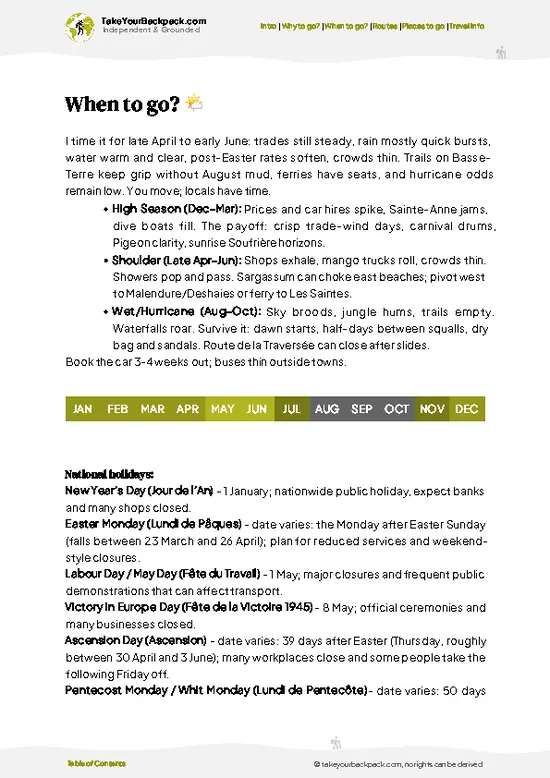
source: climatestotravel.comJANJanuary: excellent for travelingFEBFebruary: excellent for travelingMARMarch: excellent for travelingAPRApril: highly recommended for travelingMAYMay: highly recommended for travelingJUNJune: good for travelingJULJuly: fair for travelingAUGAugust: fair for travelingSEPSeptember: below average for travelingOCTOctober: fair for travelingNOVNovember: fair for travelingDECDecember: excellent for traveling
guadeloupe-national-park-grand-cul-de-sac-marin-natural-reserve
© Google | Thierry Marinault

✈️ The backpacker research shortcutGuadeloupe Travel Guide

An offline-friendly backpacking guide with optimized travel routes, ranked highlights, transport advice, and the best areas to stay.
example page 0 from our offline Travel Guide for Guadeloupe
example page 1 from our offline Travel Guide for Guadeloupe
example page 2 from our offline Travel Guide for Guadeloupe
example page 3 from our offline Travel Guide for Guadeloupe
example page 4 from our offline Travel Guide for Guadeloupe
example page 5 from our offline Travel Guide for Guadeloupe
example page 6 from our offline Travel Guide for Guadeloupe
example page 7 from our offline Travel Guide for Guadeloupe
The digital guide (228 pages) contains:
59 highlights, ranked by travel appeal
Optimized 2, 3 & 5-day travel routes
Cities, national parks, landmarks, beaches
How to get around
Offline-friendly for travel without Wi-Fi
👉 Click to see all 30+ guide features

📅 Plan smarter in minutes, not weeks
Month by month travel advice
Festivals & national holidays
Budget expectations

🗺️ Go to the right places, skip the overrated ones
Honest pros & cons of destinations
Top hikes, parks & viewpoints
Lesser-known places most travelers miss
Clear “worth it vs skip it” guidance

🛏️ Travel smoothly without rookie mistakes
Best areas to stay
Transport systems explained simply
Common scams & safety advice
SIM cards, money & practical tips

🌍 Understand the country, not just visit it
Culture & traditions
52 Essential phrases & customs
Festivals worth planning around
Traveler-friendly historical context
Insights that make places more meaningful

📱 Built for real travel conditions
Fully downloadable PDF
Works completely offline
Optimized for phone use
Useful in remote areas & buses
Everything in one place
Save weeks of stressful planning
Get instant access to your full guide. 30‑day money-back guarantee.


By proceeding you agree to our terms.
Sent to your inbox immediately after payment • 100% Secure Checkout
Best Backpacking Travel Advisor 2025 tourism awardBest Backpacking
Travel Advisor
2025
What others say about Take Your Backpack Guides:
⭐⭐⭐⭐⭐
Fantastic, amazing amount of information!
⭐⭐⭐⭐⭐
My goodness this is amazing, it's what I've been looking for hats off too you!
⭐⭐⭐⭐⭐
I think this is absolutely BRILLIANT
⭐⭐⭐⭐
Very complete and informative. It's still missing places, but I gotta to commend you
⭐⭐⭐⭐⭐
This is truly amazing, thank you, can't wait to explore it with my kids!
⭐⭐⭐⭐⭐
Awesome resource, thank you!
⭐⭐⭐⭐⭐
This is amazing! Can't wait to explore the ones I haven't seen
⭐⭐⭐⭐
I love this! Well done, great idea.
⭐⭐⭐⭐⭐
Thanks for taking the time to make this gem!
⭐⭐⭐⭐⭐
This might be the best website I've ever seen.
⭐⭐⭐⭐⭐
Congratulations, and thank you so much for your work; it's incredibly valuable.
⭐⭐⭐⭐
In all seriousness I think you did a great job pointing out the important spots
⭐⭐⭐⭐⭐
10/10 very good
⭐⭐⭐⭐⭐
As someone who's only just starting to visit regularly this is awesome, thank you.
⭐⭐⭐⭐
Thank you very much! I'm going to visit my dad, it's going to be very useful!
⭐⭐⭐⭐⭐
This is really cool! We'll be travelling for the first time and this definitely come in handy.
⭐⭐⭐⭐⭐
You are now our minister of culture, congratulations 👨‍💼
⭐⭐⭐⭐⭐
Just wanted to tell you that this is a pearl! Going to follow your recommendations.
⭐⭐⭐⭐⭐
This is so cool. I'll definitely be using the resource for my travels soon.
⭐⭐⭐⭐⭐
This is very impressive! Good work.
⭐⭐⭐⭐⭐
This is an amazing and informative site. Very well done!

🛏️ Where to stay?Best areas and accommodation options

When it comes to staying near the Grand Cul-de-Sac Marin Natural Reserve in Guadeloupe, your options are solid but require a bit of savvy to avoid pitfalls.

Inside the park, accommodations are limited. There are no formal lodges or hotels directly within the reserve. Instead, look to nearby towns like Le Moule or Sainte-Anne. Both offer a range of budget-friendly guesthouses and small hotels. Le Moule, with its local vibe, has a few charming spots that won’t break the bank. Sainte-Anne is a bit more touristy but has its perks, like proximity to beautiful beaches.

Consider checking out places … read more 👉
When it comes to staying near the Grand Cul-de-Sac Marin Natural Reserve in Guadeloupe, your options are solid but require a bit of savvy to avoid pitfalls.

Inside the park, accommodations are limited. There are no formal lodges or hotels directly within the reserve. Instead, look to nearby towns like Le Moule or Sainte-Anne. Both offer a range of budget-friendly guesthouses and small hotels. Le Moule, with its local vibe, has a few charming spots that won’t break the bank. Sainte-Anne is a bit more touristy but has its perks, like proximity to beautiful beaches.

Consider checking out places like the Auberge de la Petite Anse in Le Moule. It’s cozy, affordable, and has a laid-back atmosphere. If you prefer a more communal vibe, hostels like Hostel La Kasa in Sainte-Anne can be a good choice, especially for meeting fellow travelers.

Be mindful of transportation. Public transport can be hit-or-miss, so renting a car might be worth the splurge to explore the park and surrounding areas more freely. This way, you can save your energy and budget for the experiences that truly matter—like kayaking in the mangroves or snorkeling in crystal-clear waters.

👛 Costs (as of 7 December 2025)Travel costs and budget guide for Grand Cul-de-Sac Marin Natural Reserve

Visiting the Grand Cul-de-Sac Marin Natural Reserve in Guadeloupe comes with some costs that can catch you off guard if you’re not prepared.

Entry to the reserve is typically free, which is a plus. However, if you plan to engage in activities like kayaking or snorkeling, expect to pay for equipment rentals. Kayak rentals usually range from €15 to €30 per hour. Snorkeling gear can cost around €10 to €20 for the day.

If you’re considering guided tours, those can vary significantly. A half-day tour might set you back between €50 and €100 per person, depending on the inclusions. Some tours offer meals or transportation, which can affect the price.

Transportation to the reserve is another factor. If you’re renting a car, budget around €30 to €60 per day, plus fuel. Public transport is cheaper … read more 👉
Visiting the Grand Cul-de-Sac Marin Natural Reserve in Guadeloupe comes with some costs that can catch you off guard if you’re not prepared.

Entry to the reserve is typically free, which is a plus. However, if you plan to engage in activities like kayaking or snorkeling, expect to pay for equipment rentals. Kayak rentals usually range from €15 to €30 per hour. Snorkeling gear can cost around €10 to €20 for the day.

If you’re considering guided tours, those can vary significantly. A half-day tour might set you back between €50 and €100 per person, depending on the inclusions. Some tours offer meals or transportation, which can affect the price.

Transportation to the reserve is another factor. If you’re renting a car, budget around €30 to €60 per day, plus fuel. Public transport is cheaper but can be less convenient, with fares typically around €2 to €5.

Food options near the reserve can range from casual eateries to more upscale dining. Expect to spend about €10 to €25 for a meal, depending on where you choose to eat.

Keep these costs in mind to avoid surprises. Planning ahead will help you focus on enjoying the natural beauty without worrying about your budget.


source: guadeloupe-islands.com
⚠️ Prices can change and everyone travels differently, so take this as a rough guide. Hope it helps you plan your adventure!

🥾 TrailsDiscover Grand Cul-de-Sac Marin Natural Reserve's top trails and natural wonders

The Grand Cul-de-Sac Marin Natural Reserve in Guadeloupe is a hidden gem for hikers, offering a mix of lush landscapes, coastal views, and a chance to spot some unique wildlife. The terrain varies from flat coastal paths to more rugged inland trails, making it a great spot for different skill levels. Keep your eyes peeled for colorful birds and maybe even some iguanas while you’re out there.

One of the standout trails is the Sentier de la Mangrove, which is about 4 km long and takes roughly 1.5 hours to complete. It’s rated as easy, making it perfect for families or anyone looking for a leisurely … read more 👉
The Grand Cul-de-Sac Marin Natural Reserve in Guadeloupe is a hidden gem for hikers, offering a mix of lush landscapes, coastal views, and a chance to spot some unique wildlife. The terrain varies from flat coastal paths to more rugged inland trails, making it a great spot for different skill levels. Keep your eyes peeled for colorful birds and maybe even some iguanas while you’re out there.

One of the standout trails is the Sentier de la Mangrove, which is about 4 km long and takes roughly 1.5 hours to complete. It’s rated as easy, making it perfect for families or anyone looking for a leisurely stroll. The trail winds through mangroves, giving you a chance to see the unique ecosystem up close. The terrain is mostly flat, with wooden walkways in some sections, so it’s manageable even if you’re not a seasoned hiker.
  • Length: 4 km
  • Estimated Duration: 1.5 hours
  • Difficulty Level: Easy
  • Key Features: Mangrove ecosystem, birdwatching opportunities
  • Terrain: Flat, with wooden walkways

Getting to the reserve isn’t too tricky. You can catch a local bus from Pointe-à-Pitre, and it’ll drop you off reasonably close to the entrance—just be aware that public transport can be a bit hit-or-miss. Crowds can vary, especially during peak tourist season, so if you want a quieter experience, try to go early in the morning. As for entrance fees, it’s usually free, which is a nice bonus for budget travelers.
⚠️ Hiking info can sometimes be outdated or inaccurate. Before you hit the trail, check the latest conditions with locals. If you do spot anything that's off, I'd love to hear from you, so I can update it for fellow travelers.

🛡️ SafetyStaying Safe: What Travelers Should Know

The Grand Cul-de-Sac Marin Natural Reserve offers a generally accessible experience for backpackers, but a few practical considerations can enhance your adventure. Weather can shift quickly, so pack a lightweight rain jacket and check forecasts before heading out. The trails are well-marked, but some sections can be steep and rocky, requiring good footwear with solid grip.

Be mindful of your pace; it’s easy to underestimate the terrain. River crossings are rare but can occur after heavy rains, so be prepared to navigate wet conditions.

Wildlife encounters are typically non-threatening, but respect their space. If you spot a snake or a large bird, observe from a distance.

First-timers often overlook hydration; carry enough water, especially in warmer months. Lastly, practice trail etiquette—stay … read more 👉
The Grand Cul-de-Sac Marin Natural Reserve offers a generally accessible experience for backpackers, but a few practical considerations can enhance your adventure. Weather can shift quickly, so pack a lightweight rain jacket and check forecasts before heading out. The trails are well-marked, but some sections can be steep and rocky, requiring good footwear with solid grip.

Be mindful of your pace; it’s easy to underestimate the terrain. River crossings are rare but can occur after heavy rains, so be prepared to navigate wet conditions.

Wildlife encounters are typically non-threatening, but respect their space. If you spot a snake or a large bird, observe from a distance.

First-timers often overlook hydration; carry enough water, especially in warmer months. Lastly, practice trail etiquette—stay on marked paths and leave no trace. These small steps will help you enjoy the park’s beauty while keeping your energy and budget intact.

Other Guadeloupean national parks near Grand Cul-de-Sac Marin Natural Reserve

Explore more nearby:


💡 Not sure where to go next?
Create a personalized itinerary for Guadeloupe including Grand Cul-de-Sac Marin Natural Reserve and the places that fit your trip.

Generate my itinerary

👉 Discover all national parks

Or checkout all Guadeloupe has to offer (think cities, towns, villages, national parks, hikes, beaches, festivals)
Country photo of Guadeloupe

We 💚 feedbackIs it worth it?

The Grand Cul-de-Sac Marin Natural Reserve is a breath of fresh air. You’ll find a laid-back vibe that invites exploration without the tourist frenzy. The best surprise? The mangrove trails—perfect for spotting wildlife and soaking in the tranquility. Just a heads-up: the sun can be relentless, so pack plenty of water and sunscreen. Embrace the slow pace, and let the natural beauty recharge your spirit. It’s all about those quiet moments that make the effort worthwhile.

✍️ Help improve this page!
The information on this page is based on in-depth research, insights shared by experienced travelers, and feedback from the local travel community in Guadeloupe. While every effort is made to keep the information accurate and current, conditions can change — so if you spot anything incorrect or outdated, please get in touch.


🙋‍♂️ Give feedback

👋 Meet the founderWho’s Behind Take Your Backpack?

Johan, backpacker and founder of TakeYourBackpackHi, I’m Johan (Netherlands 🇳🇱), the creator of TakeYourBackpack. Over the past decade, I’ve backpacked through 80+ countries across six continents, gaining extensive experience with independent travel, long-term trips, and overland routes.

This site is built on a combination of firsthand travel experience and carefully curated insights from other backpackers. Many guides are based on places I’ve personally visited, while others bring together tips, observations, and practical advice shared by trusted travelers I’ve met along the way.

The goal is to provide realistic, experience-driven guidance — not generic itineraries — so you can explore destinations with better context, clearer expectations, and more confidence.

Get full Guadeloupe guide •
Instant download • 59 highlights • Full Offline guide