v2.webp)
- Habitation Murat — A restored sugar plantation and museum in Grand-Bourg where you can see a working windmill, learn the island’s sugar-and-rum history, and walk the old estate grounds. It’s the clearest, on-the-ground lesson in Marie-Galante’s cultural landscape.
- The island’s windmill ruins (les moulins) — Scattered across the countryside, the weathered stone windmills are not a single site but a landscape. Cycling the backroads past these mills is a uniquely Marie-Galante experience: raw, photogenic and tied directly to the island’s sugar-cane past.
- Grand-Bourg market & waterfront — The working market and harbor area is where locals shop, chat, and eat. Fresh fish stalls, small food stands serving creole dishes, and the low quay make this a great place to soak up everyday island life.
- Habitation Murat — A restored sugar plantation and museum in Grand-Bourg where you can see a working windmill, learn the island’s sugar-and-rum history, and walk the old estate grounds. It’s the clearest, on-the-ground lesson in Marie-Galante’s cultural landscape.
- The island’s windmill ruins (les moulins) — Scattered across the countryside, the weathered stone windmills are not a single site but a landscape. Cycling the backroads past these mills is a uniquely Marie-Galante experience: raw, photogenic and tied directly to the island’s sugar-cane past.
- Grand-Bourg market & waterfront — The working market and harbor area is where locals shop, chat, and eat. Fresh fish stalls, small food stands serving creole dishes, and the low quay make this a great place to soak up everyday island life.
- Rhum Bielle (distillery visit and tastings) — One of Marie-Galante’s small agricole rum producers. The visit mixes cane fields, the old-style distilling process and tastings; the flavour and method feel very local and tied to the island’s identity.
- Plage de la Feuillère — A long, shallow, sandy beach on the windward side with calm turquoise water and a relaxed, local vibe. It’s great for easy swims, long walks and watching fishing boats come and go.
- Anse Canot — A quieter beach that’s beloved by residents: good swimming, snorkeling off the rocks and fewer day-trippers. Perfect if you want a low-key beach day without the crowds.
- Capesterre village and harbour — The east-side town where local fishing life and small boat traffic concentrate. Walk the waterfront, watch fishermen mend nets, and try a roadside snack stand for real creole flavours.
- Coastal road and viewpoints between Grand-Bourg and Saint-Louis — The slow drive (or cycle) along the coast reveals small coves, rocky headlands and surprisingly dramatic viewpoints for such a flat island. Stop often — the photo and sunset spots are unadvertised but memorable.
- Hidden gem — a roadside douk (local snack shacks) — Scattered around the island, tiny family-run snack stands sell fresh accras, grilled fish, galettes and ti-punch. They’re informal, delicious, and the best way to taste Marie-Galante’s food culture away from tourist menus.
- Hidden gem — an off-the-beaten-track sugar-house ruin you can walk up to — Away from the main museums there are smaller, weathered sugar-house ruins tucked into fields. They’re atmospheric, often deserted, and give a real sense of the island’s labor history without the crowds — bring water and don’t climb unstable masonry.
Spotted a mistake or missing something? Contact us.

Stand up paddle in paradise
✓ Free cancellation

On the Way to Saint Marie: ''Death in Paradise'' Show Locations
✓ Free cancellation

Death in Paradise, Catherine’s Bar Cuisine & Botanical Garden
✓ Free cancellation

Full Day Tour of Guadeloupe
✓ Free cancellation

Guided tour by electric tuk-tuk
✓ Free cancellation

Visit Pointe-à-Pitre with a fun and fun track game!
✓ Free cancellation

Surf lessons 1h30 (4-6 people) Kokoplaj Surf camp Guadeloupe school
✓ Free cancellation

Private Ultralight Seaplane Experience in Guadeloupe

Initiation / Beginner surf lessons in Guadeloupe
✓ Free cancellation

Yoga Paddle Aqua Zen, yoga on a floating carpet in connection with nature!
✓ Free cancellation

 Best Backpacking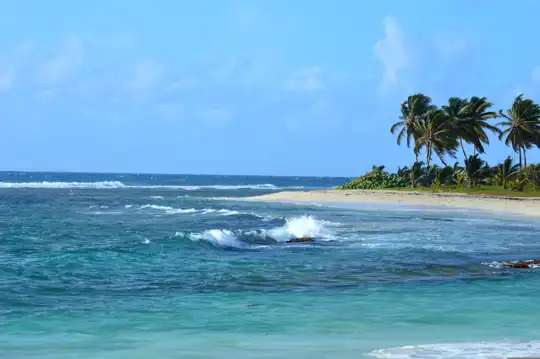
.jpg) Hi, I’m Johan (Netherlands 🇳🇱), the creator of TakeYourBackpack. Over the past decade, I’ve backpacked through 80+ countries across six continents, gaining extensive experience with independent travel, long-term trips, and overland routes.
Hi, I’m Johan (Netherlands 🇳🇱), the creator of TakeYourBackpack. Over the past decade, I’ve backpacked through 80+ countries across six continents, gaining extensive experience with independent travel, long-term trips, and overland routes.