
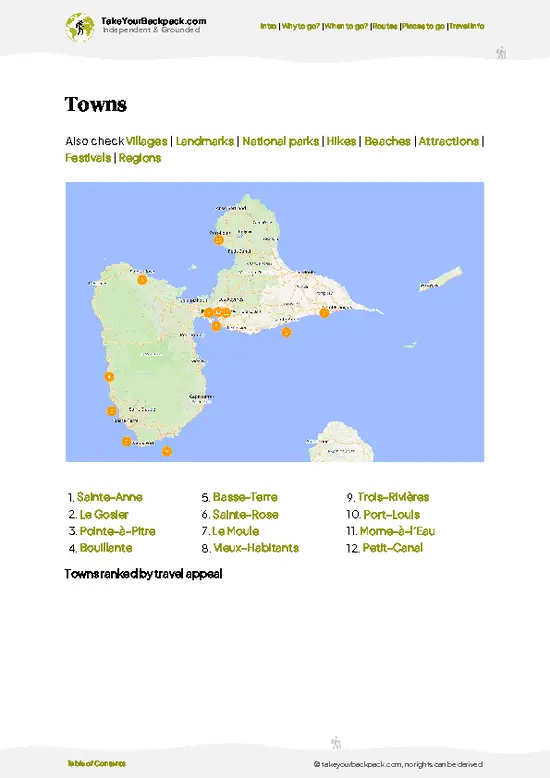
The Creole Bourgeoisie Mansion
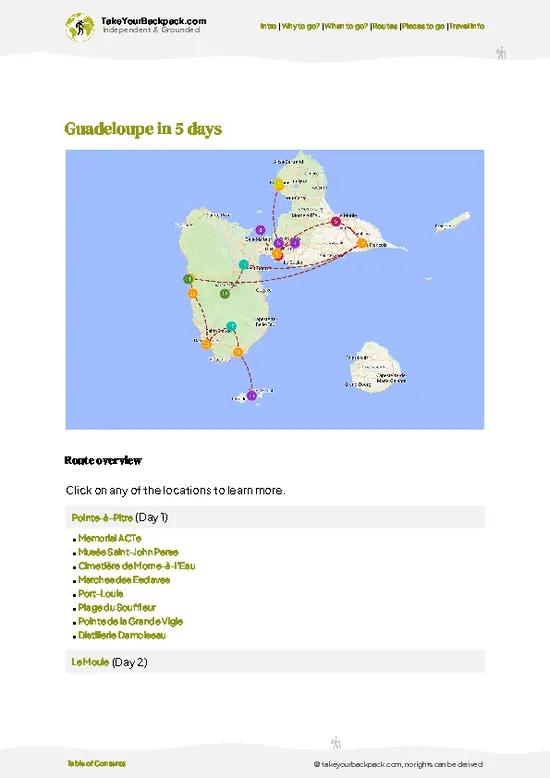
Forget the Instagram illusion of a grand, echoing palace. The Musée Saint-John Perse is a two-story colonial townhouse that’s more time capsule than museum. Step inside and you’re in the thick of Pointe-à-Pitre’s 19th-century upper crust—creaking wooden floors, high ceilings, and a balcony that lets you spy on the street below. The house itself is the main artifact. You’ll feel the humidity, the faded grandeur, and the stubborn resilience of a building that’s survived hurricanes, neglect, and the slow churn of Caribbean history. It’s not polished; it’s lived-in, and that’s the point.
Period Rooms: The Real-Life Instagram Filter
You’ll see rooms staged with original and reproduction furniture, porcelain, and family photos—no velvet ropes, no sterile glass cases. … read more 👉
Forget the Instagram illusion of a grand, echoing palace. The Musée Saint-John Perse is a two-story colonial townhouse that’s more time capsule than museum. Step inside and you’re in the thick of Pointe-à-Pitre’s 19th-century upper crust—creaking wooden floors, high ceilings, and a balcony that lets you spy on the street below. The house itself is the main artifact. You’ll feel the humidity, the faded grandeur, and the stubborn resilience of a building that’s survived hurricanes, neglect, and the slow churn of Caribbean history. It’s not polished; it’s lived-in, and that’s the point.
Period Rooms: The Real-Life Instagram Filter
You’ll see rooms staged with original and reproduction furniture, porcelain, and family photos—no velvet ropes, no sterile glass cases. … read more 👉
The Creole Bourgeoisie Mansion
Forget the Instagram illusion of a grand, echoing palace. The Musée Saint-John Perse is a two-story colonial townhouse that’s more time capsule than museum. Step inside and you’re in the thick of Pointe-à-Pitre’s 19th-century upper crust—creaking wooden floors, high ceilings, and a balcony that lets you spy on the street below. The house itself is the main artifact. You’ll feel the humidity, the faded grandeur, and the stubborn resilience of a building that’s survived hurricanes, neglect, and the slow churn of Caribbean history. It’s not polished; it’s lived-in, and that’s the point.
Period Rooms: The Real-Life Instagram Filter
You’ll see rooms staged with original and reproduction furniture, porcelain, and family photos—no velvet ropes, no sterile glass cases. The dining room is set for a meal that never comes, the bedrooms are frozen in a moment before the world changed. It’s not about opulence; it’s about texture. You can almost hear the clink of glasses and the gossip in Creole. This is the closest you’ll get to time travel in Guadeloupe without a DeLorean.
Saint-John Perse’s Legacy—Beyond the Textbooks
The museum is named for Alexis Léger, aka Saint-John Perse, Guadeloupe’s Nobel Prize-winning poet. But don’t expect a dry literary shrine. The displays dig into Perse’s complicated identity: colonial scion, exile, diplomat, and artist. You’ll see manuscripts, letters, and photographs that reveal a man who was both of this island and forever apart from it. The museum doesn’t sugarcoat his contradictions. If you want to understand the tangled roots of Caribbean identity, this is a crash course.
Creole Culture in the Details
Look past the obvious. The museum’s real magic is in the details: the hand-painted tiles, the carved wooden banisters, the subtle blend of European and Caribbean design. This isn’t a sanitized version of history. It’s a place where you can trace the fingerprints of enslaved artisans and colonial merchants in the same room. The building itself is a lesson in cultural fusion—messy, beautiful, and utterly real.
The Balcony Overlooking Rue de Nozières
Skip the selfie and just stand on the balcony for a minute. You’ll get a front-row seat to the pulse of Pointe-à-Pitre: street vendors shouting, mopeds buzzing, the smell of spices drifting up from the market. This isn’t a museum that locks you away from the city; it’s one that throws you right back into its arms. The view is a reminder that history isn’t dead—it’s happening just outside.
Temporary Exhibits: The Wild Card
If you’re lucky, you’ll catch a temporary exhibit—local artists, photography, or contemporary takes on Creole identity. These shows are unpredictable and sometimes raw, but they’re always a jolt of energy. They prove the museum isn’t just about the past; it’s a living part of Guadeloupe’s cultural conversation. Don’t skip them.
Forget the Instagram illusion of a grand, echoing palace. The Musée Saint-John Perse is a two-story colonial townhouse that’s more time capsule than museum. Step inside and you’re in the thick of Pointe-à-Pitre’s 19th-century upper crust—creaking wooden floors, high ceilings, and a balcony that lets you spy on the street below. The house itself is the main artifact. You’ll feel the humidity, the faded grandeur, and the stubborn resilience of a building that’s survived hurricanes, neglect, and the slow churn of Caribbean history. It’s not polished; it’s lived-in, and that’s the point.
Period Rooms: The Real-Life Instagram Filter
You’ll see rooms staged with original and reproduction furniture, porcelain, and family photos—no velvet ropes, no sterile glass cases. The dining room is set for a meal that never comes, the bedrooms are frozen in a moment before the world changed. It’s not about opulence; it’s about texture. You can almost hear the clink of glasses and the gossip in Creole. This is the closest you’ll get to time travel in Guadeloupe without a DeLorean.
Saint-John Perse’s Legacy—Beyond the Textbooks
The museum is named for Alexis Léger, aka Saint-John Perse, Guadeloupe’s Nobel Prize-winning poet. But don’t expect a dry literary shrine. The displays dig into Perse’s complicated identity: colonial scion, exile, diplomat, and artist. You’ll see manuscripts, letters, and photographs that reveal a man who was both of this island and forever apart from it. The museum doesn’t sugarcoat his contradictions. If you want to understand the tangled roots of Caribbean identity, this is a crash course.
Creole Culture in the Details
Look past the obvious. The museum’s real magic is in the details: the hand-painted tiles, the carved wooden banisters, the subtle blend of European and Caribbean design. This isn’t a sanitized version of history. It’s a place where you can trace the fingerprints of enslaved artisans and colonial merchants in the same room. The building itself is a lesson in cultural fusion—messy, beautiful, and utterly real.
The Balcony Overlooking Rue de Nozières
Skip the selfie and just stand on the balcony for a minute. You’ll get a front-row seat to the pulse of Pointe-à-Pitre: street vendors shouting, mopeds buzzing, the smell of spices drifting up from the market. This isn’t a museum that locks you away from the city; it’s one that throws you right back into its arms. The view is a reminder that history isn’t dead—it’s happening just outside.
Temporary Exhibits: The Wild Card
If you’re lucky, you’ll catch a temporary exhibit—local artists, photography, or contemporary takes on Creole identity. These shows are unpredictable and sometimes raw, but they’re always a jolt of energy. They prove the museum isn’t just about the past; it’s a living part of Guadeloupe’s cultural conversation. Don’t skip them.
Spotted a mistake or missing something? Contact us.
v2.webp)


Best Backpacking
Hi, I’m Johan (Netherlands 🇳🇱), the creator of TakeYourBackpack. Over the past decade, I’ve backpacked through 80+ countries across six continents, gaining extensive experience with independent travel, long-term trips, and overland routes.