×

Guatemala🇬🇹 | attractionsMuseo MirafloresKaminaljuyú pottery, obsidian blades, mall-side mound, Zone 11 | things to do and best time to go

Explore Centro Cultural Miguel Ángel AsturiasExplore Monterrico Beach

Backpacking in Museo Miraflores
🌟 Highlightattraction ranked #8
By Johan Kruseman 🇳🇱 | Updated October 20, 2026

Most people come to Museo Miraflores for the Maya artifacts from Kaminaljuyú, the ancient highland city whose buried mounds still lie under Guatemala City. Travelers often overlook that it sits at the edge of a shopping center, so a dull-looking mall doubles as an archaeological gateway. The museum is in Zone 11 in Guatemala’s capital, west of the historic center. It is small and rarely crowded, and the entry fee is low, but you will not fill more than a couple of hours. Cool, dim galleries smell of dust and old stone, and clay and obsidian catch the spotlights. Afterward I sat in the food court over a US$2 coffee, and the roar of the escalators felt strange after the quiet. Go on a weekday morning and bring a little cash.

Discover everything you want to know in the 📖 Guatemala Travel Guide.


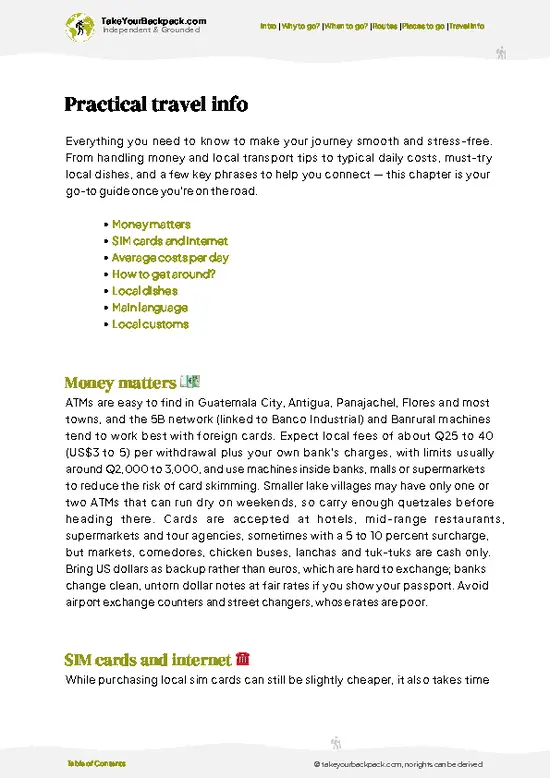
example page 0 from our offline Travel Guide for Guatemala
example page 1 from our offline Travel Guide for Guatemala
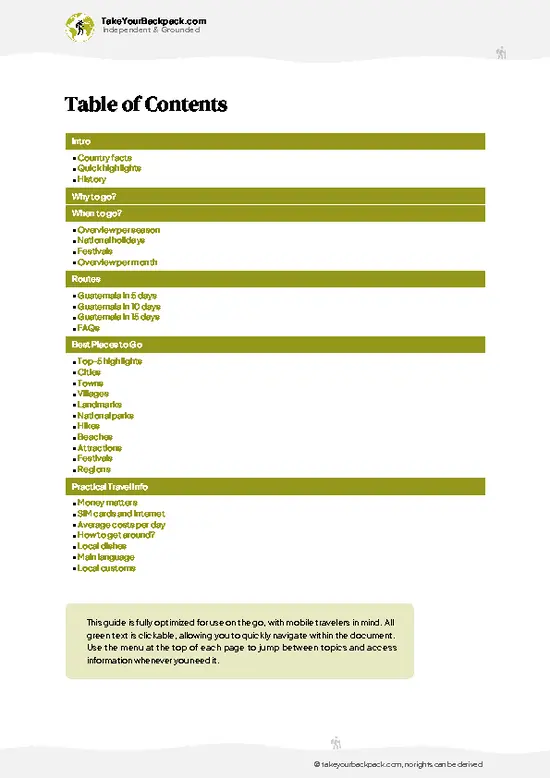
example page 2 from our offline Travel Guide for Guatemala
example page 3 from our offline Travel Guide for Guatemala
example page 4 from our offline Travel Guide for Guatemala
example page 5 from our offline Travel Guide for Guatemala
example page 6 from our offline Travel Guide for Guatemala
example page 7 from our offline Travel Guide for Guatemala
Loading the map 🌍
CLICK TO FILTER
cities
towns
villages
landmarks
national parks
hikes
beaches
attractions
festivals
regions
SHOW COUNTRY’S BESTSHOW ALL

✨ Why go?
Ranked #8 attraction in Guatemala
What sets this place apart

Museo Miraflores gives you the capital’s deep past in a way the colonial center never will. Guatemala City sits on top of Kaminaljuyú, a highland Maya center occupied for well over two thousand years, and most of it is now paved over. This museum is where the pieces survive: ceramics, carved stone, and tools that show how a major trading hub lived and traded.

It also fills a gap on the country route. Tikal and Quiriguá get the glory, but this is one of the few places to understand the highland side of Maya history, including the strong links to distant Teotihuacan. It is cheap, quick and easy to reach by city bus, so it fits into an afternoon between a morning in the historic center and an evening in Zona Viva. Go if you like context before ruins, or if rain has wrecked your outdoor plans.

💡 HighlightsThe experiences that define the visit

  1. Kaminaljuyú ceramics: Painted and incised pots, bowls and burial offerings, some of them vivid in color, show the craft skills of the highland Maya and are the museum’s core.
  2. Carved stone monuments: Weathered stelae and sculptures from the Kaminaljuyú area show early Maya iconography far from the lowland jungle sites.
  3. Obsidian tools and blades: Kaminaljuyú grew rich on obsidian from nearby sources, and the razor-edged flakes make that trade easy to picture.
  4. Jade and ornaments: Small beads and pendants of polished green stone hint at the status of the people buried in the mounds.
  5. Teotihuacan-influenced pieces: Objects showing central Mexican style prove that this city had contact with powerful partners hundreds of kilometers away.
  6. Site models and excavation displays: These help you understand how
… read more 👉
  1. Kaminaljuyú ceramics: Painted and incised pots, bowls and burial offerings, some of them vivid in color, show the craft skills of the highland Maya and are the museum’s core.
  2. Carved stone monuments: Weathered stelae and sculptures from the Kaminaljuyú area show early Maya iconography far from the lowland jungle sites.
  3. Obsidian tools and blades: Kaminaljuyú grew rich on obsidian from nearby sources, and the razor-edged flakes make that trade easy to picture.
  4. Jade and ornaments: Small beads and pendants of polished green stone hint at the status of the people buried in the mounds.
  5. Teotihuacan-influenced pieces: Objects showing central Mexican style prove that this city had contact with powerful partners hundreds of kilometers away.
  6. Site models and excavation displays: These help you understand how the mounds once looked before the city grew over them, which is the best way to make sense of the artifacts.
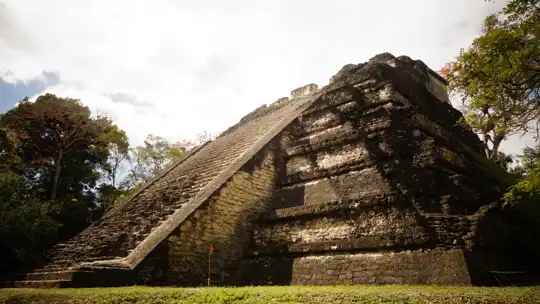
  7. The Miraflores mound beside the complex: The grassy remains of an ancient platform sit next to the mall, a strange sight with traffic and shoppers beside it.
Museo Miraflores sells tickets at the door with no advance booking needed, though weekday mornings are the quietest.
Spotted a mistake or missing something? Contact us.

Things to do around Museo Miraflores

Ratings based on Tripadvisor reviews. When you book through this link, you support our work at no extra cost to you.

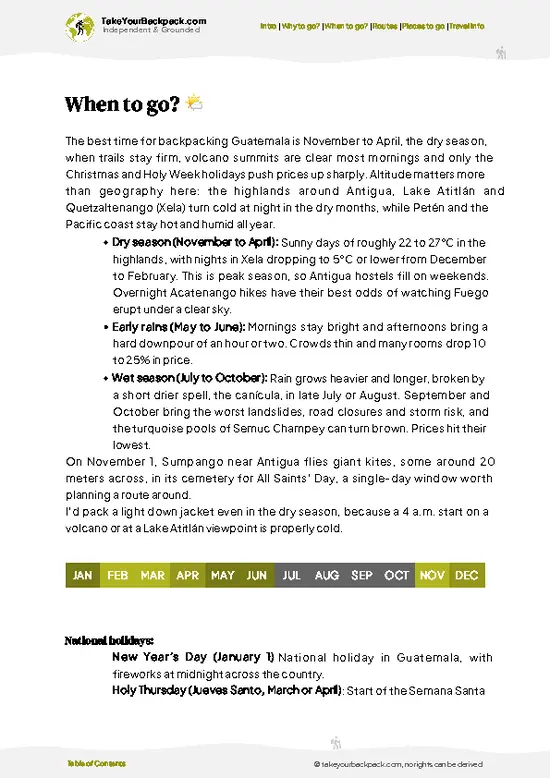
🌤️ When to go?Best time to visit Museo Miraflores

  • November to April (dry season): Guatemala City sits at about 1,500 meters, so days run 24 to 28°C (75 to 82°F) and nights drop to 13 to 16°C (55 to 61°F). The museum is indoors, so rain rarely matters, but dry months make the walk between nearby sights pleasant.
  • May to October (rainy season): Expect afternoon downpours, with highs of 24 to 26°C (75 to 79°F). Mornings are usually clear, so plan your visit before lunch. Crowds stay thin and prices don’t change.
  • Weekdays versus weekends: School groups can fill the halls on weekday mornings, while Sundays tend to be calmer. Daylight lasts roughly 11 to 13 hours all year.
  • Holy Week and December: Hotel prices in the capital climb and opening hours may shift around holidays.
Arrive at opening time, then spend the hot or wet afternoon over lunch in Zona 11.

source: climatestotravel.comJANJanuary: highly recommended for travelingFEBFebruary: highly recommended for travelingMARMarch: highly recommended for travelingAPRApril: highly recommended for travelingMAYMay: fair for travelingJUNJune: fair for travelingJULJuly: fair for travelingAUGAugust: fair for travelingSEPSeptember: fair for travelingOCTOctober: fair for travelingNOVNovember: highly recommended for travelingDECDecember: good for traveling
guatemala-attraction-museo-miraflores v1
© Google |

✈️ The backpacker research shortcutGuatemala Travel Guide

An offline-friendly backpacking guide with optimized travel routes, ranked highlights, transport advice, and the best areas to stay.
example page 0 from our offline Travel Guide for Guatemala
example page 1 from our offline Travel Guide for Guatemala
example page 2 from our offline Travel Guide for Guatemala
example page 3 from our offline Travel Guide for Guatemala
example page 4 from our offline Travel Guide for Guatemala
example page 5 from our offline Travel Guide for Guatemala
example page 6 from our offline Travel Guide for Guatemala
example page 7 from our offline Travel Guide for Guatemala
The digital guide (272 pages) contains:
✅ 85 highlights, ranked by travel appeal
✅ Optimized 5, 10 & 15-day travel routes
✅ Cities, national parks, landmarks, beaches
✅ How to get around
✅ Offline-friendly for travel without Wi-Fi
👉 Click to see all 30+ guide features

📅 Plan smarter in minutes, not weeks
✅ Month by month travel advice
✅ Festivals & national holidays
✅ Budget expectations

🗺️ Go to the right places, skip the overrated ones
✅ Honest pros & cons of destinations
✅ Top hikes, parks & viewpoints
✅ Lesser-known places most travelers miss
✅ Clear “worth it vs skip it” guidance

🛏️ Travel smoothly without rookie mistakes
✅ Best areas to stay
✅ Transport systems explained simply
✅ Common scams & safety advice
✅ SIM cards, money & practical tips

🌍 Understand the country, not just visit it
✅ Culture & traditions
✅ 52 Essential phrases & customs
✅ Festivals worth planning around
✅ Traveler-friendly historical context
✅ Insights that make places more meaningful

📱 Built for real travel conditions
✅ Fully downloadable PDF
✅ Works completely offline
✅ Optimized for phone use
✅ Useful in remote areas & buses
✅ Everything in one place
Stop searching, start planning
Get instant access to your full guide. 30‑day money-back guarantee.
+ Add another guide for just

By proceeding you agree to our terms.
Sent to your inbox immediately after payment • 100% Secure Checkout
Best Backpacking Travel Advisor 2025 tourism awardBest Backpacking
Travel Advisor
2025
What others say about Take Your Backpack Guides:
⭐⭐⭐⭐⭐
Fantastic, amazing amount of information!
⭐⭐⭐⭐⭐
My goodness this is amazing, it's what I've been looking for hats off too you!
⭐⭐⭐⭐⭐
I think this is absolutely BRILLIANT
⭐⭐⭐⭐
Very complete and informative. It's still missing places, but I gotta to commend you
⭐⭐⭐⭐⭐
This is truly amazing, thank you, can't wait to explore it with my kids!
⭐⭐⭐⭐⭐
Awesome resource, thank you!
⭐⭐⭐⭐⭐
This is amazing! Can't wait to explore the ones I haven't seen
⭐⭐⭐⭐
I love this! Well done, great idea.
⭐⭐⭐⭐⭐
Thanks for taking the time to make this gem!
⭐⭐⭐⭐⭐
This might be the best website I've ever seen.
⭐⭐⭐⭐⭐
Congratulations, and thank you so much for your work; it's incredibly valuable.
⭐⭐⭐⭐
In all seriousness I think you did a great job pointing out the important spots
⭐⭐⭐⭐⭐
10/10 very good
⭐⭐⭐⭐⭐
As someone who's only just starting to visit regularly this is awesome, thank you.
⭐⭐⭐⭐
Thank you very much! I'm going to visit my dad, it's going to be very useful!
⭐⭐⭐⭐⭐
This is really cool! We'll be travelling for the first time and this definitely come in handy.
⭐⭐⭐⭐⭐
You are now our minister of culture, congratulations 👨‍💼
⭐⭐⭐⭐⭐
Just wanted to tell you that this is a pearl! Going to follow your recommendations.
⭐⭐⭐⭐⭐
This is so cool. I'll definitely be using the resource for my travels soon.
⭐⭐⭐⭐⭐
This is very impressive! Good work.
⭐⭐⭐⭐⭐
This is an amazing and informative site. Very well done!

🛏️ Where to stay?How to pick the right area

Zona 1 and Zona 4 are the capital’s practical choices, and Zona 10 is the one to skip on a tight budget. Museo Miraflores sits in Zona 11, a mostly residential and commercial district west of the center, so you travel in rather than sleep next door.

Zona 1 is the historic core, with the cheapest dorms and guesthouses, a dense run of cheap comedores and the main bus links. It’s the most social for solo backpackers, though you should stick to main streets after dark and take taxis at night.

Zona 4 (the Cuatro Grados Norte area) is smaller, safer-feeling and full of cafés, street art and craft … read more 👉
Zona 1 and Zona 4 are the capital’s practical choices, and Zona 10 is the one to skip on a tight budget. Museo Miraflores sits in Zona 11, a mostly residential and commercial district west of the center, so you travel in rather than sleep next door.

Zona 1 is the historic core, with the cheapest dorms and guesthouses, a dense run of cheap comedores and the main bus links. It’s the most social for solo backpackers, though you should stick to main streets after dark and take taxis at night.

Zona 4 (the Cuatro Grados Norte area) is smaller, safer-feeling and full of cafés, street art and craft beer, with several budget places catering to travelers. It is walkable by day and a short ride from the museum.

Zona 10 has the best security and the most restaurants, but beds cost noticeably more. Most backpackers who stay in the capital pick Zona 4 or Zona 1, then use ride-hailing or taxis for Zona 11.

👛 Costs (as of 20 October 2026)How expensive it really is

Museo Miraflores costs a backpacker roughly US$26 to 47 per day in Guatemala City, with the entrance fee a small part of that. The table below uses high-season prices and assumes you pay in quetzales.
CategoryBudget RangeLocal Reality
Entrance ticketUS$3 to 6Foreign adult rates are higher than the local price. Check the fee at the door.
Dorm bed (high season)US$10 to 15Zona 1 and Zona 4 have the best choice of hostels.
Local transportUS$3 to 8Ride-hailing or a taxi from Zona 1 or 4 usually costs US$3 to 6 each way. City buses are cheaper but confusing.
FoodUS$8 to 14Set lunches at comedores cost US$3 to 5, and café meals cost more.
ExtrasUS$2 to 4Water, snacks and a coffee. Photography rules may vary, so ask at the ticket desk.
Total Daily BudgetUS$26 to 47About US$36 for a mid-range day.
⚠️ Prices can change and everyone travels differently, so take this as a rough guide. Hope it helps you plan your adventure!

FAQFrequently asked questions about Museo Miraflores

Plan on 1.5 to 2.5 hours at Museo Miraflores, which is enough to see the main exhibits without rushing. Add another hour if you want to explore the surrounding Zona 11 area and have lunch. Pairing it with a morning in the center of Guatemala City fills a full day.
For most travelers Museo Miraflores is worth the modest entrance fee, roughly US$3 to 6. It is an easy, indoor stop and cheaper than many museums in the capital. Pay at the door in quetzales and bring small bills.
Take a taxi or ride-hailing car from Zona 1 or Zona 4 to reach Museo Miraflores in Zona 11, about 20 to 40 minutes depending on traffic. The fare is typically US$3 to 6. From Antigua, shuttles and chicken buses reach the capital in 1 to 1.5 hours, then continue by car.
⚠️ Things can change over time, so always validate details locally before you go.

Other Guatemalan attractions near Museo Miraflores

Explore more nearby:


💡 Not sure where to go next?
Create a personalized itinerary for Guatemala including Museo Miraflores and the places that fit your trip.

Generate my itinerary

👉 Discover all attractions

Or checkout all Guatemala has to offer (think cities, towns, villages, national parks, hikes, beaches, festivals)
Country photo of Guatemala

We 💚 feedbackFinal thoughts on visiting Museo Miraflores

Museo Miraflores works best on a weekday morning, when the galleries are quiet and the mall next door has not yet filled up. Skip the weekend afternoons, when shoppers crowd the parking lot and entrance. I would pair it with the dry months, when a walk to the adjacent mound is dry and easy.

✈️ When did I visit Guatemala?
Guatemala I visited during my half year trip through South and Central America back in 2003

✍️ Help improve this page!
The information on this page is based on my own backpacking experience in Guatemala, supplemented with up-to-date research and feedback from other travelers. Travel details can change, so if you notice anything outdated or incomplete, feel free to let me know.


🙋‍♂️ Give feedback

👋 Meet the founderWho’s Behind Take Your Backpack?

Johan, backpacker and founder of TakeYourBackpackHi, I’m Johan (Netherlands 🇳🇱), the creator of TakeYourBackpack. Over the past 3 decades, I’ve backpacked through 90+ countries across six continents, gaining extensive experience with independent travel, long-term trips, and overland routes.

This site is built on a combination of firsthand travel experience and carefully curated insights from other backpackers. Many guides are based on places I’ve personally visited, while others bring together tips, observations, and practical advice shared by trusted travelers I’ve met along the way.

The goal is to provide realistic, experience-driven guidance — not generic itineraries — so you can explore destinations with better context, clearer expectations, and more confidence.