v2.webp)
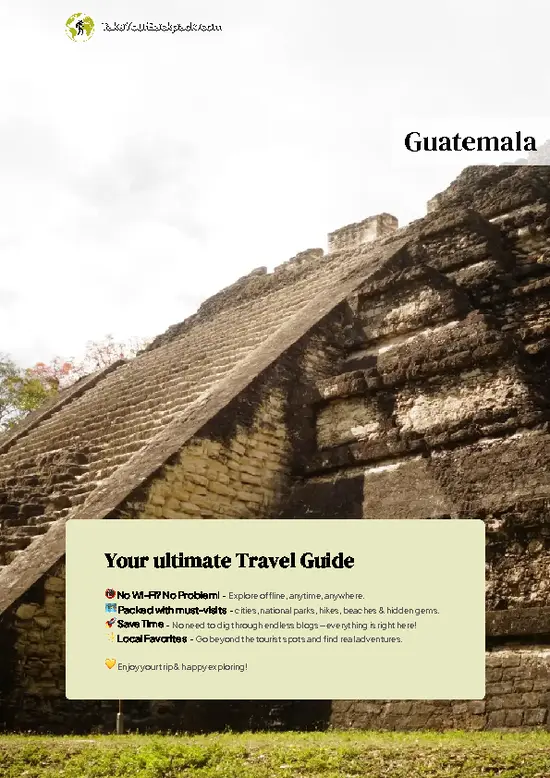
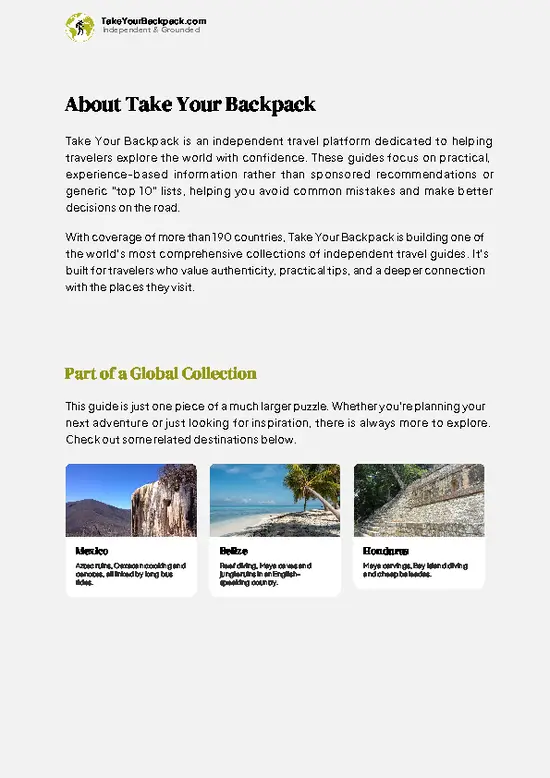
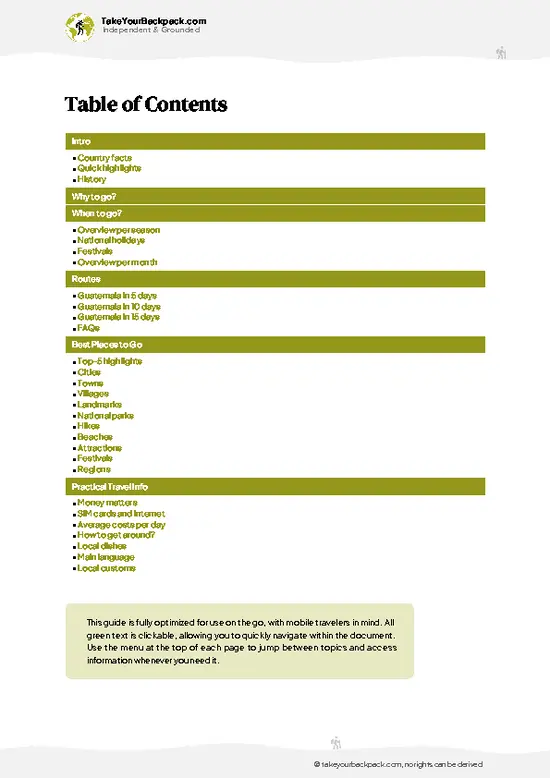
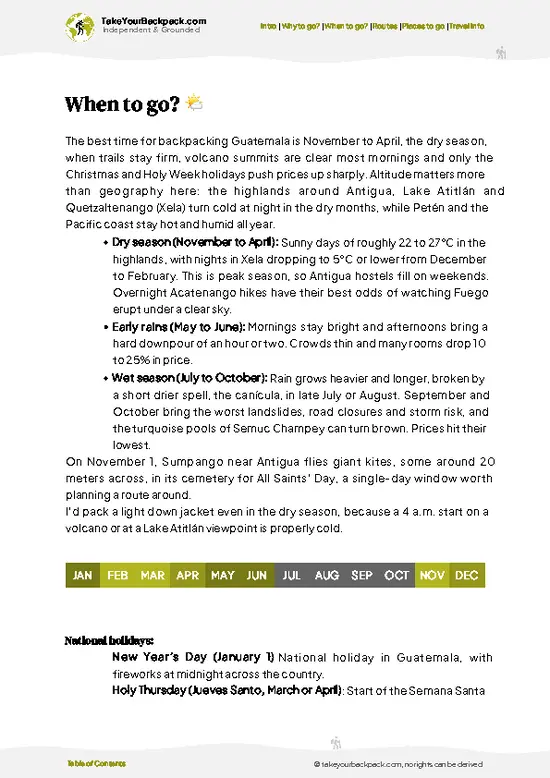
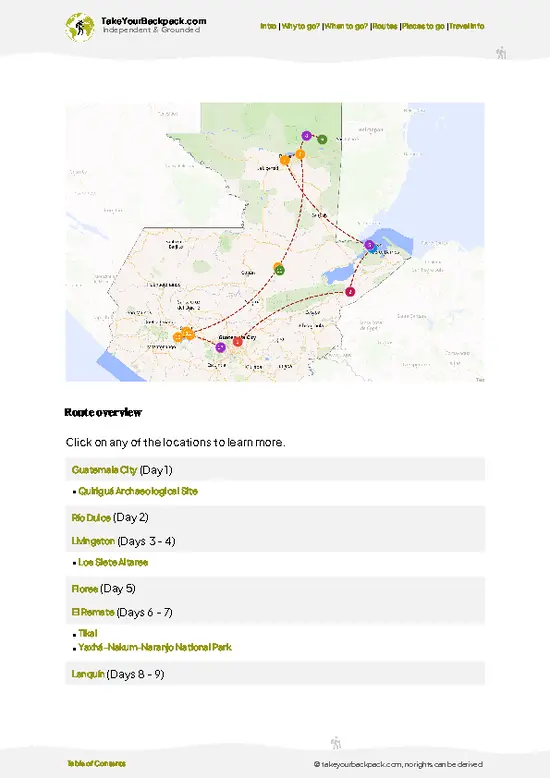
- Parroquia San Pedro Apóstol: the parish church on the main plaza anchors the town, with a colonial-style facade and a calm interior of candles and wooden saints. Come on a weekday morning to see it quiet. Free, 20 to 30 minutes.
- Central Plaza: benches under trees, shoe-shiners, vendors and families after Mass. Late afternoon is best, when the light softens and the town gathers. Free, 30 to 45 minutes.
- Municipal Market: the loudest and most useful stop, with piles of chiles, tortillas pressed by hand, and traditional blouses and fabric. Go before 11 AM for the best selection. Entry is free, and a snack costs US$1 to 3. Allow 1 to 1.5 hours.
- Textile stalls and weaving shops: look for huipiles in the local patterns, and ask before photographing anyone. Prices vary with the quality of the weaving,
- Parroquia San Pedro Apóstol: the parish church on the main plaza anchors the town, with a colonial-style facade and a calm interior of candles and wooden saints. Come on a weekday morning to see it quiet. Free, 20 to 30 minutes.
- Central Plaza: benches under trees, shoe-shiners, vendors and families after Mass. Late afternoon is best, when the light softens and the town gathers. Free, 30 to 45 minutes.
- Municipal Market: the loudest and most useful stop, with piles of chiles, tortillas pressed by hand, and traditional blouses and fabric. Go before 11 AM for the best selection. Entry is free, and a snack costs US$1 to 3. Allow 1 to 1.5 hours.
- Textile stalls and weaving shops: look for huipiles in the local patterns, and ask before photographing anyone. Prices vary with the quality of the weaving, from roughly US$10 for small pieces to far more for large ones. Allow 45 minutes.
Spotted a mistake or missing something? Contact us.

4-Hour Bike Tour Guatemala City

Graffiti Walking Tour in 4 Grados Norte Guatemala City

Private transportation from Airport Aurora to ANTIGUA Guatemala

PRIVATE SHUTTLE from Airport/Antigua to EL PAREDON or Vice Versa

Glimpse Of Guatemala - Tour Only

Private transfer from Airport to Panajachel

Hobbitenango, Altamira and Antigua Borial parks.

Day Trip Tikal adventure from Guatemala City

Lake Atitlan Private Tour


 Best Backpacking
.jpg) Hi, I’m Johan (Netherlands 🇳🇱), the creator of TakeYourBackpack. Over the past 3 decades, I’ve backpacked through 90+ countries across six continents, gaining extensive experience with independent travel, long-term trips, and overland routes.
Hi, I’m Johan (Netherlands 🇳🇱), the creator of TakeYourBackpack. Over the past 3 decades, I’ve backpacked through 90+ countries across six continents, gaining extensive experience with independent travel, long-term trips, and overland routes.