×

Guatemala🇬🇹 | best townsExplore the 10 Best towns in Guatemala

In Guatemala, towns pulse with unique rhythms shaped by their geography and culture. From the cobblestone streets of Antigua to the vibrant markets of Chichicastenango, each locale offers distinct flavors and experiences. The highlands boast cooler temperatures and indigenous traditions, while the coastal areas provide a warmer, laid-back vibe.

Choosing the right town influences your backpacking journey significantly—affecting your budget, safety, and cultural immersion. For instance, Lake Atitlán enchants with its stunning views and hiking opportunities, yet can be pricier during peak season. Understanding these nuances ensures your travel experience is not just enjoyable but deeply enriching.

By Johan Kruseman 🇳🇱 | Updated June 11, 2026
Explore the best villages in Guatemala

Why go?What Makes Them Special

Guatemala’s towns pulse with a unique rhythm, shaped by a rich tapestry of Mayan heritage and colonial history. Unlike many countries, the towns here are not just stops on a map; they are living museums where indigenous traditions coexist with modern life. The pace of life is slower, inviting travelers to savor the moment—whether it’s the aroma of fresh tortillas wafting through the air or the vibrant colors of local textiles.

Geographically, Guatemala’s towns are clustered in distinct regions, each offering a different flavor of culture and experience. The highlands boast cooler climates and breathtaking mountain views, while the coastal areas provide a tropical backdrop. This clustering can significantly influence itinerary planning. While it may be tempting to hop from one town to another, … read more 👉
Guatemala’s towns pulse with a unique rhythm, shaped by a rich tapestry of Mayan heritage and colonial history. Unlike many countries, the towns here are not just stops on a map; they are living museums where indigenous traditions coexist with modern life. The pace of life is slower, inviting travelers to savor the moment—whether it’s the aroma of fresh tortillas wafting through the air or the vibrant colors of local textiles.

Geographically, Guatemala’s towns are clustered in distinct regions, each offering a different flavor of culture and experience. The highlands boast cooler climates and breathtaking mountain views, while the coastal areas provide a tropical backdrop. This clustering can significantly influence itinerary planning. While it may be tempting to hop from one town to another, deeper exploration often reveals the heart of Guatemalan life.

Travelers should consider the trade-offs between accessibility and immersion. Some towns are easily reachable, but the most authentic experiences often require venturing off the beaten path. The infrastructure can be challenging, with winding roads and limited public transport, yet this adds to the adventure. Understanding these nuances allows for a more meaningful journey, where the grit of the streets leads to the rich rewards of local charm and cultural depth.
Our Approach to Ranking
The list of best towns in Guatemala is created based on charm, local culture, atmosphere, hidden gems, and visitor appeal. If you feel a town is missing in this list, please let us know.

When to go?Seasonal Guide to Visiting

Seasonality plays a crucial role in the experience of Guatemala’s towns. The dry season, typically from November to April, offers clear skies and pleasant temperatures. This is when local festivals burst into life, drawing visitors into the heart of community celebrations. The vibrant colors of traditional clothing and the aroma of street food fill the air, creating an atmosphere that feels electric.

Shoulder seasons—the months just before and after the dry season—can be a mixed bag. While the weather may still be agreeable, occasional rain showers can dampen plans. However, this is also when fewer tourists roam the streets, allowing for a more intimate glimpse into daily life. Prices for accommodations may drop, making it a budget-friendly option.

Peak periods coincide with major holidays … read more 👉
Seasonality plays a crucial role in the experience of Guatemala’s towns. The dry season, typically from November to April, offers clear skies and pleasant temperatures. This is when local festivals burst into life, drawing visitors into the heart of community celebrations. The vibrant colors of traditional clothing and the aroma of street food fill the air, creating an atmosphere that feels electric.

Shoulder seasons—the months just before and after the dry season—can be a mixed bag. While the weather may still be agreeable, occasional rain showers can dampen plans. However, this is also when fewer tourists roam the streets, allowing for a more intimate glimpse into daily life. Prices for accommodations may drop, making it a budget-friendly option.

Peak periods coincide with major holidays and festivals, when towns come alive with parades and cultural displays. Expect larger crowds and higher prices during these times. The rainy season, from May to October, brings lush landscapes but also heavy downpours. Travel can be challenging, with muddy roads and occasional landslides. Yet, the vibrant green scenery and fewer tourists can offer a unique perspective on local life.

Understanding these seasonal patterns allows for a more rewarding visit, ensuring that the charm of Guatemala’s towns is fully appreciated.

town hoppingHow to Combine towns Into One Trip

Traveling through Guatemala is about savoring the unique character of each town while keeping the journey manageable. Start in the highlands, where towns like Antigua and Chichicastenango offer rich history and vibrant markets. Spend two to three days in Antigua, soaking in the colonial architecture and local coffee culture. Then, head to Chichicastenango for a day, immersing in the bustling market scene and the scent of fresh tortillas.

Next, move towards Lake Atitlán, a stunning body of water surrounded by volcanoes and indigenous villages. Plan for at least three days here, allowing time for hiking, kayaking, and exploring the lakeside towns like San Pedro and San Juan. The views are worth the effort, especially at sunrise.

For a change of pace, venture to the north, where towns like … read more 👉
Traveling through Guatemala is about savoring the unique character of each town while keeping the journey manageable. Start in the highlands, where towns like Antigua and Chichicastenango offer rich history and vibrant markets. Spend two to three days in Antigua, soaking in the colonial architecture and local coffee culture. Then, head to Chichicastenango for a day, immersing in the bustling market scene and the scent of fresh tortillas.

Next, move towards Lake Atitlán, a stunning body of water surrounded by volcanoes and indigenous villages. Plan for at least three days here, allowing time for hiking, kayaking, and exploring the lakeside towns like San Pedro and San Juan. The views are worth the effort, especially at sunrise.

For a change of pace, venture to the north, where towns like Flores and Tikal await. Allocate two days for Flores, enjoying its charming streets and the nearby ancient ruins of Tikal. The early morning trek to the temples rewards with breathtaking vistas.

Common pitfalls include trying to see too much too quickly. Balance speed with depth; rushing through towns sacrifices the authentic experiences that make Guatemala special. Embrace flexibility in your plans, allowing for spontaneous detours or longer stays in places that resonate. The journey is as rewarding as the destinations.

The ListHighly Recommended towns of Guatemala

1 Lanquín

limestone caves, Semuc Champey access, jungle hills

Venture into a humid valley where river caves, turquoise pools, and steep forested slopes attract travelers seeking natural immersion and adventure.

guatemala-city-lanquin v1
© Google |

2 Flores

island town, lake Petén Itzá, Tikal gateway

Cross the causeway to a compact island hub, ideal for lakeside sunsets and early departures to jungle ruins.

guatemala-city-flores
© Google | Gerardo Garcia

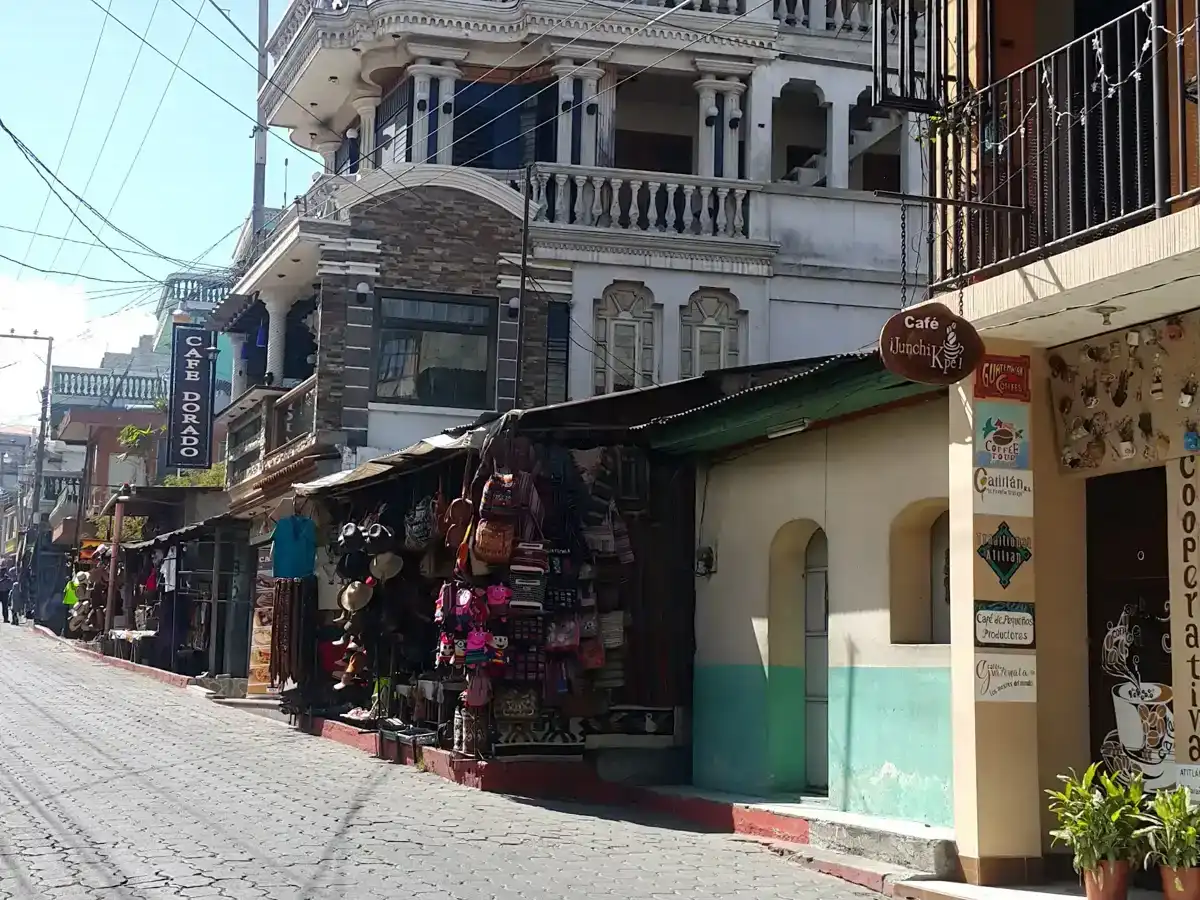
3 Panajachel

Lago Atitlán shore, backpacker hostels, craft stalls

Arrive at the lake’s main entry point, where boats depart for villages and the waterfront buzzes with travelers and artisans.

guatemala-city-panajachel
© Google | Milagro Campos

4 El Remate

Petén lakeside, Tikal gateway, sunset viewpoints

Settle near the water’s edge for easy access to Maya ruins, forest walks, and evenings spent watching the sky change over Lake Petén Itzá.

guatemala-city-el-remate v1
© Google |

5 Chichicastenango

market labyrinth, Mayan rituals, cemetery hills

Navigate vibrant market alleys and witness living traditions, from incense-filled churches to painted hillside graves.

6 San Pedro La Laguna

budget hostels, nightlife, language schools

Settle in for affordable stays, Spanish lessons, and a lively social scene on the volcanic slopes above Lake Atitlán.

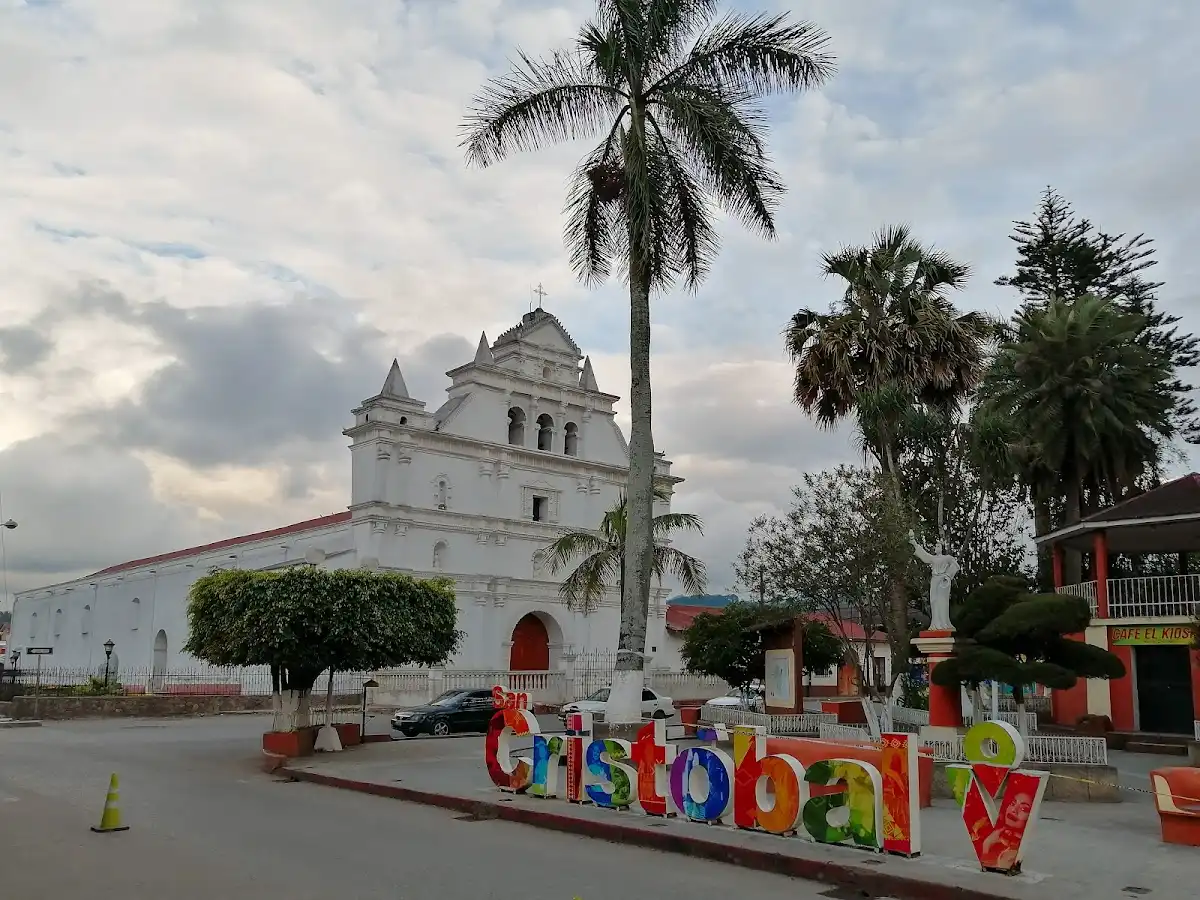
7 Santiago Atitlán

Maximón shrine, Tz’utujil traditions, volcanic bay

Visit the revered Maximón effigy and explore a town where Tz’utujil language and customs remain central to community life.

guatemala-city-santiago-atitlan
© Google | Caleb S

8 San Juan La Laguna

mural art, women’s cooperatives, natural dyes

Admire colorful murals and learn about textile production from local cooperatives, all set against a tranquil lakeside backdrop.

guatemala-city-san-juan-la-laguna
© Google | Milagro Campos

9 San Francisco El Alto

mountain market, highland commerce, panoramic views

Navigate crowded market days where local trade dominates, and take in sweeping highland vistas from the town’s elevated streets and plazas.

10 Livingston

Caribbean coast, Garífuna culture, boat access

Arrive by boat to a coastal enclave where Garífuna rhythms, seafood, and river journeys shape the town’s unique pace.

11 Santa Cruz del Quiché

regional hub, Mayan heritage, administrative center

Encounter a city balancing government activity and indigenous presence, with markets and public spaces reflecting the area’s layered history.

guatemala-city-santa-cruz-del-quiche
© Google |

12 Santa Catarina Palopó

painted houses, Kaqchikel community, lakeside slopes

Wander steep paths lined with blue-painted homes and observe daily life in a small, tradition-focused lakeside village.

13 Santa Cruz La Laguna

steep ascent, lakeside hostels, limited road access

Arrive by boat and climb steep paths to simple lodges, where lake views and isolation define the experience.

14 San Lucas Tolimán

coffee cooperatives, Atitlán sunrise, quiet docks

Wake early for sunrise over the lake, then visit coffee farms or catch a boat from the town’s peaceful waterfront.

15 Nebaj

Ixil triangle, mountain hiking, weaving collectives

Trek into remote highlands to meet weaving communities and access trails leading deep into the Cuchumatanes mountains.

16 Esquipulas

pilgrimage site, Black Christ basilica, border crossroads

Join pilgrims at the basilica or explore the town’s role as a crossroads near the Honduran and Salvadoran borders.

17 San Andrés Itzapa

Maximón altar, syncretic rituals, agricultural fields

Observe candle-lit ceremonies blending Catholic and Mayan beliefs, set among fields that sustain the local economy.

18 San Juan Comalapa

mural-lined streets, Kaqchikel painters, rural galleries

Walk through a town where public art and local studios showcase the creativity of Kaqchikel artists.

19 San Lucas Sacatepéquez

mountain pass, roadside eateries, weekend traffic

Pause at a busy highland junction where travelers refuel and locals gather for fresh produce and panoramic views.

20 San Jerónimo

colonial aqueduct, sugar mills, dry valley

Trace the legacy of early sugar production and explore remnants of colonial infrastructure in a sun-baked valley landscape.

21 San Martín Jilotepeque

traditional pottery, hillside farms, Kaqchikel heritage

Discover a community known for its pottery workshops and terraced fields, shaped by centuries of Kaqchikel influence.

22 San Miguel Chicaj

pine ridges, local markets, rural crossroads

Experience a quiet town set among pine-covered slopes, where market days draw villagers from the surrounding countryside.

23 Santa María de Jesús

Volcán de Agua base, Mayan textiles, agricultural fields

Climb from the town’s edge for volcano views, then return to streets lined with handwoven textiles and daily farming routines.

24 Santa Catarina Barahona

coffee farms, quiet lanes, Sacatepéquez foothills

Sip local coffee and walk peaceful streets in a small town surrounded by green hills and family-run plantations.

25 Santa Catarina Ixtahuacán

remote plateau, traditional dress, post-landslide relocation

Visit a relocated community where unique clothing styles and a sense of resilience define daily life on the windswept plateau.

26 Santa Catarina Mita

eastern plains, cattle ranches, local fiestas

Join in regional celebrations or explore the open plains dotted with ranches and small-town gathering spots.

27 Sololá

market town, indigenous council, panoramic ridge

Visit on market day to see traditional dress and council meetings, all set on a ridge above Lake Atitlán.

28 Salamá

dry valley, regional capital, colonial church

Use this administrative center as a base for exploring the dry valleys and historic sites of Baja Verapaz.

Think you know Guatemala?

Prove you’re a true local — uncover 18 lesser-known towns in Guatemala that locals tend to keep to themselves.
Loading the map 🌍

Expert viewInsights from Locals and Experts

Regional Clusters
Guatemala’s towns are like a patchwork quilt, each square distinct yet woven together by shared history and culture. Aim for a mix of three to five towns to capture the essence of the country. The highlands, with their vibrant indigenous cultures, contrast sharply with the lowland coastal towns that pulse with Caribbean rhythms. Each region offers a different flavor, from the cool mountain air to the sultry heat of the coast.

In the highlands, towns often sit at elevations that can leave you breathless—not just from the altitude but from the sheer beauty of the landscapes. The trails leading into these towns can be steep and rocky, demanding a solid pair of boots and a willingness to sweat. Yet, the reward is palpable: the sight of terraced fields stretching into the horizon, … read more 👉
Regional Clusters
Guatemala’s towns are like a patchwork quilt, each square distinct yet woven together by shared history and culture. Aim for a mix of three to five towns to capture the essence of the country. The highlands, with their vibrant indigenous cultures, contrast sharply with the lowland coastal towns that pulse with Caribbean rhythms. Each region offers a different flavor, from the cool mountain air to the sultry heat of the coast.

In the highlands, towns often sit at elevations that can leave you breathless—not just from the altitude but from the sheer beauty of the landscapes. The trails leading into these towns can be steep and rocky, demanding a solid pair of boots and a willingness to sweat. Yet, the reward is palpable: the sight of terraced fields stretching into the horizon, the sound of traditional marimba music wafting through the air, and the aroma of fresh tortillas sizzling on a comal.

Travel Rhythm
Plan your itinerary with a rhythm that allows for both exploration and rest. The roads can be bumpy, and travel times can stretch longer than expected, especially in the highlands where winding paths are the norm. Expect to spend a few hours moving between towns, but don’t rush it. Each journey offers a chance to soak in the scenery, from lush coffee plantations to dramatic volcanic backdrops.

Consider spending two to three days in each town. This gives you time to acclimate to the altitude, engage with locals, and truly absorb the culture. You’ll find that the slower pace allows for spontaneous adventures—like stumbling upon a local market or joining a community celebration.

Local Charm
Each town has its own character. Some are bustling with activity, while others are more laid-back, inviting you to linger. In the highlands, you might find yourself in a town where the market is the heart of daily life, filled with colorful textiles and the chatter of vendors. In contrast, coastal towns may offer a more relaxed vibe, where the rhythm of life slows down to the sound of waves lapping against the shore.

Be mindful of cultural nuances. In indigenous towns, respect for traditions is paramount. Learning a few words in the local language can go a long way in building rapport. Safety is generally good, but be aware of your surroundings, especially in more crowded areas.

Logistical Considerations
Infrastructure varies widely. While some towns are well-connected by public transport, others may require a private shuttle or a bit of hiking to reach. Research your options ahead of time, and consider the trade-offs between convenience and the authenticity of your experience.

Budget-wise, Guatemala is relatively affordable, but costs can add up if you’re not careful. Street food is a fantastic way to eat well without breaking the bank, but dining in tourist-heavy areas can inflate your expenses.

Planning Priorities
When prioritizing towns, think about what experiences resonate most with you. Are you drawn to the vibrant markets, the serene landscapes, or the historical sites? Each choice will shape your journey.

If you’re keen on hiking, focus on towns near the mountains. For cultural immersion, seek out towns known for their festivals or artisan crafts. The key is to balance your interests with the realities of travel in Guatemala.

Ultimately, the grit of the streets and the burn of the trails lead to moments that make the effort worthwhile. Whether it’s the first sip of a cold beer after a long hike or the warmth of a local smile, these experiences are what you’ll carry with you long after the trip is over.

✈️ The backpacker research shortcutGuatemala Travel Guide

An offline-friendly backpacking guide with optimized travel routes, ranked highlights, transport advice, and the best areas to stay.
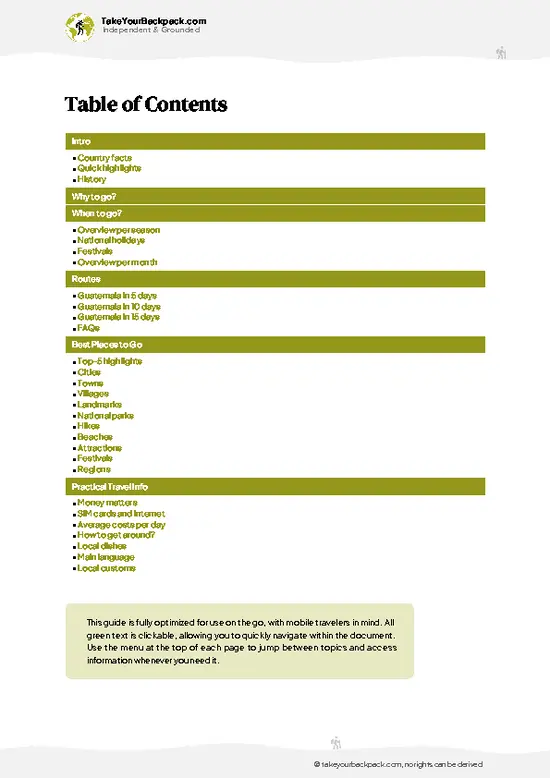
example page 0 from our offline Travel Guide for Guatemala
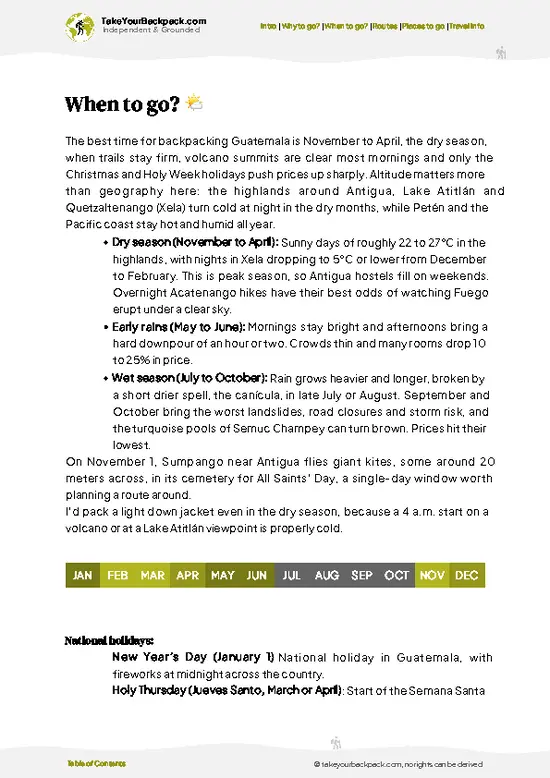
example page 1 from our offline Travel Guide for Guatemala
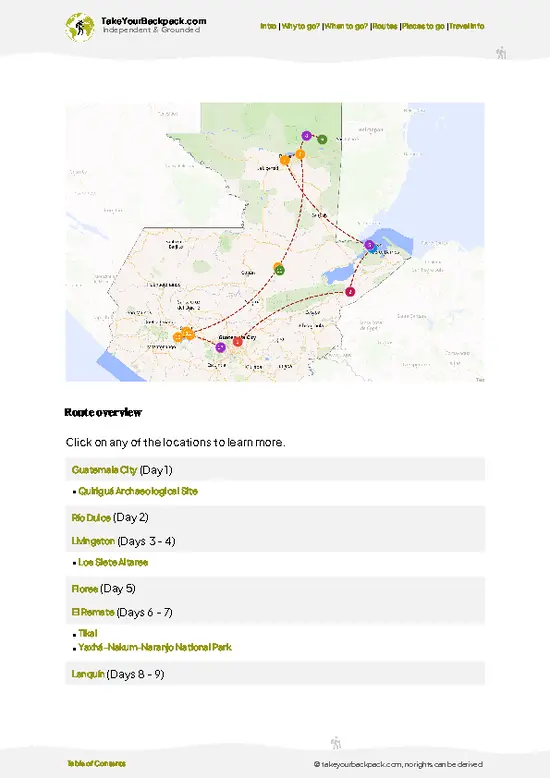
example page 2 from our offline Travel Guide for Guatemala
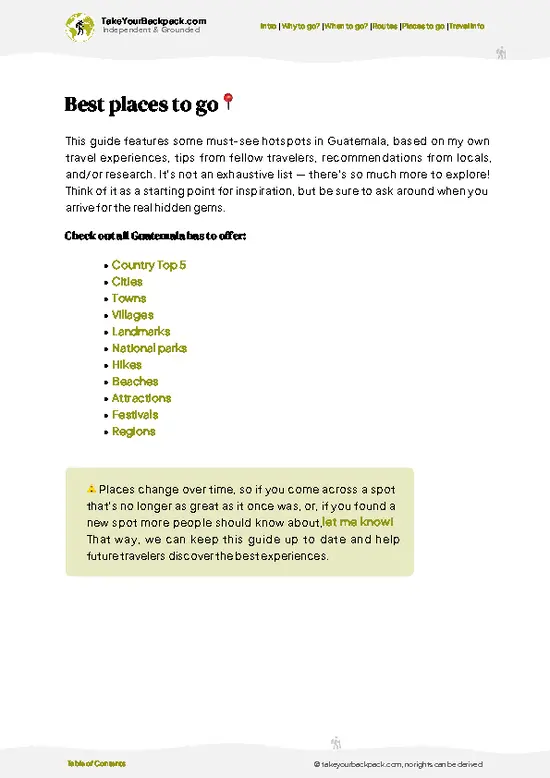
example page 3 from our offline Travel Guide for Guatemala
example page 4 from our offline Travel Guide for Guatemala
example page 5 from our offline Travel Guide for Guatemala
example page 6 from our offline Travel Guide for Guatemala
example page 7 from our offline Travel Guide for Guatemala
The digital guide (396 pages) contains:
100 highlights, ranked by travel appeal
Optimized 5, 10 & 15-day travel routes
Cities, national parks, landmarks, beaches
How to get around
Offline-friendly for travel without Wi-Fi
👉 Click to see all 30+ guide features

📅 Plan smarter in minutes, not weeks
Month by month travel advice
Festivals & national holidays
Budget expectations

🗺️ Go to the right places, skip the overrated ones
Honest pros & cons of destinations
Top hikes, parks & viewpoints
Lesser-known places most travelers miss
Clear “worth it vs skip it” guidance

🛏️ Travel smoothly without rookie mistakes
Best areas to stay
Transport systems explained simply
Common scams & safety advice
SIM cards, money & practical tips

🌍 Understand the country, not just visit it
Culture & traditions
52 Essential phrases & customs
Festivals worth planning around
Traveler-friendly historical context
Insights that make places more meaningful

📱 Built for real travel conditions
Fully downloadable PDF
Works completely offline
Optimized for phone use
Useful in remote areas & buses
Everything in one place
Save weeks of stressful planning
Get instant access to your full guide. 30‑day money-back guarantee.


By proceeding you agree to our terms.
Sent to your inbox immediately after payment • 100% Secure Checkout
Best Backpacking Travel Advisor 2025 tourism awardBest Backpacking
Travel Advisor
2025
What others say about Take Your Backpack Guides:
⭐⭐⭐⭐⭐
Fantastic, amazing amount of information!
⭐⭐⭐⭐⭐
My goodness this is amazing, it's what I've been looking for hats off too you!
⭐⭐⭐⭐⭐
I think this is absolutely BRILLIANT
⭐⭐⭐⭐
Very complete and informative. It's still missing places, but I gotta to commend you
⭐⭐⭐⭐⭐
This is truly amazing, thank you, can't wait to explore it with my kids!
⭐⭐⭐⭐⭐
Awesome resource, thank you!
⭐⭐⭐⭐⭐
This is amazing! Can't wait to explore the ones I haven't seen
⭐⭐⭐⭐
I love this! Well done, great idea.
⭐⭐⭐⭐⭐
Thanks for taking the time to make this gem!
⭐⭐⭐⭐⭐
This might be the best website I've ever seen.
⭐⭐⭐⭐⭐
Congratulations, and thank you so much for your work; it's incredibly valuable.
⭐⭐⭐⭐
In all seriousness I think you did a great job pointing out the important spots
⭐⭐⭐⭐⭐
10/10 very good
⭐⭐⭐⭐⭐
As someone who's only just starting to visit regularly this is awesome, thank you.
⭐⭐⭐⭐
Thank you very much! I'm going to visit my dad, it's going to be very useful!
⭐⭐⭐⭐⭐
This is really cool! We'll be travelling for the first time and this definitely come in handy.
⭐⭐⭐⭐⭐
You are now our minister of culture, congratulations 👨‍💼
⭐⭐⭐⭐⭐
Just wanted to tell you that this is a pearl! Going to follow your recommendations.
⭐⭐⭐⭐⭐
This is so cool. I'll definitely be using the resource for my travels soon.
⭐⭐⭐⭐⭐
This is very impressive! Good work.
⭐⭐⭐⭐⭐
This is an amazing and informative site. Very well done!

🛏️ Where to stay?Accommodation Highlights

Yes — hostels and budget guesthouses are widespread in Guatemala, concentrated in Antigua, Guatemala City (mainly Zona 1 and Zona 10), Lake Atitlán towns (Panajachel, San Pedro), Flores for Tikal, Quetzaltenango (Xela), Lanquín/Semuc Champey, and coastal spots like Monterrico.
Antigua: great for colonial sights and day hikes but touristy and can be pricier; Guatemala City Zona 10: best transport links and nightlife but busier and some safety risk at night, Zona 1: cheapest but stick to well-lit blocks; Lake Atitlán (Panajachel/San Pedro): easy boat access and varied budgets, some towns are party-focused and ferries can be slow; Flores: compact and perfect for Tikal tours but crowded in high … read more 👉
Yes — hostels and budget guesthouses are widespread in Guatemala, concentrated in Antigua, Guatemala City (mainly Zona 1 and Zona 10), Lake Atitlán towns (Panajachel, San Pedro), Flores for Tikal, Quetzaltenango (Xela), Lanquín/Semuc Champey, and coastal spots like Monterrico.
Antigua: great for colonial sights and day hikes but touristy and can be pricier; Guatemala City Zona 10: best transport links and nightlife but busier and some safety risk at night, Zona 1: cheapest but stick to well-lit blocks; Lake Atitlán (Panajachel/San Pedro): easy boat access and varied budgets, some towns are party-focused and ferries can be slow; Flores: compact and perfect for Tikal tours but crowded in high season; Xela: cheap base for treks and language schools with cooler weather and fewer tourist amenities; Lanquín: rustic access to Semuc with basic services and rough roads; Monterrico: budget beach options but remote with limited transport.
Choose hostels with secure entrances and lockers, avoid late-night solo walks in unfamiliar urban areas, and book ahead during high season or festival dates to avoid limited availability.

If you enjoy meeting fellow travelers, consider choosing hostels with high ratings for atmosphere. On the other hand, if you prefer having your own space, a hotel might be a better option.

GuatemalaSee More of Guatemala

👋 Meet the founderWho’s Behind Take Your Backpack?

Johan, backpacker and founder of TakeYourBackpackHi, I’m Johan (Netherlands 🇳🇱), the creator of TakeYourBackpack. Over the past decade, I’ve backpacked through 80+ countries across six continents, gaining extensive experience with independent travel, long-term trips, and overland routes.

This site is built on a combination of firsthand travel experience and carefully curated insights from other backpackers. Many guides are based on places I’ve personally visited, while others bring together tips, observations, and practical advice shared by trusted travelers I’ve met along the way.

The goal is to provide realistic, experience-driven guidance — not generic itineraries — so you can explore destinations with better context, clearer expectations, and more confidence.

Get full Guatemala guide •
Instant download • 100 highlights • Full Offline guide