×

Haiti🇭🇹 | beachesGelée BeachPale sand, coconut palms, lobster shacks, dawn boats | things to do and best time to go

Explore Kokoye BeachExplore Pointe Sable

Backpacking in Gelée Beach
🌟 Highlightbeach ranked #6
By Johan Kruseman 🇳🇱 | Updated October 20, 2026

Gelée Beach is a public stretch of open sand that anyone can walk onto, with no resort gate and no entry charge. It lies on the south coast of Haiti, just outside Port-Salut, along a road lined with palms and small guesthouses. The sand is pale and fairly clean, and the water is shallow and gentle enough to wade out a long way. You get a calm swim, with grilled fish and cold drinks at the shacks right behind you. Surf is minimal and serious diving is not the draw, so skip the gear. Crowds stay thin on weekdays and grow on weekends when Haitian families arrive. Budget rooms and cheap meals are close by. Bring cash, because cards and ATMs are unreliable here.

Discover everything you want to know in the 📖 Haiti Travel Guide.
Safety warning

The current risk level for Haiti is high. Check the advice before going.


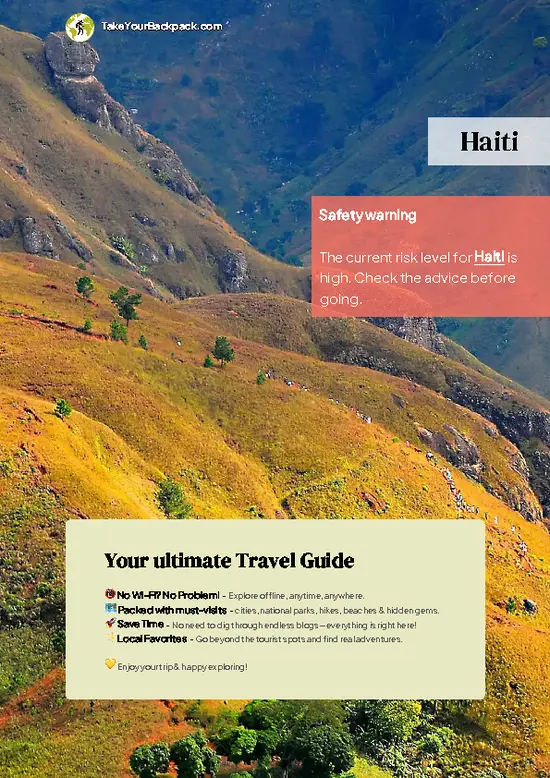
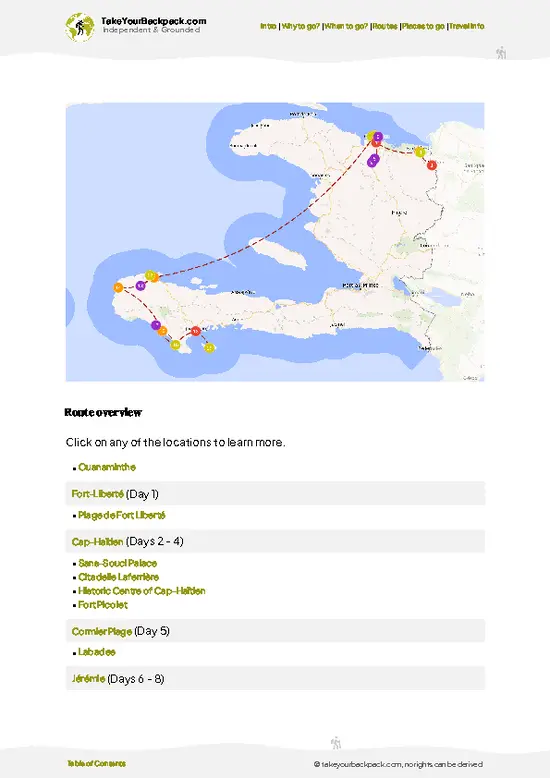
example page 0 from our offline Travel Guide for Haiti
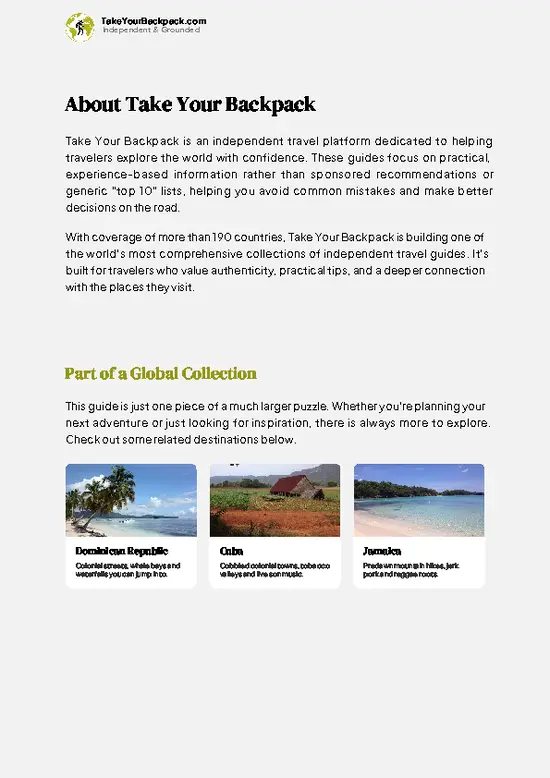
example page 1 from our offline Travel Guide for Haiti
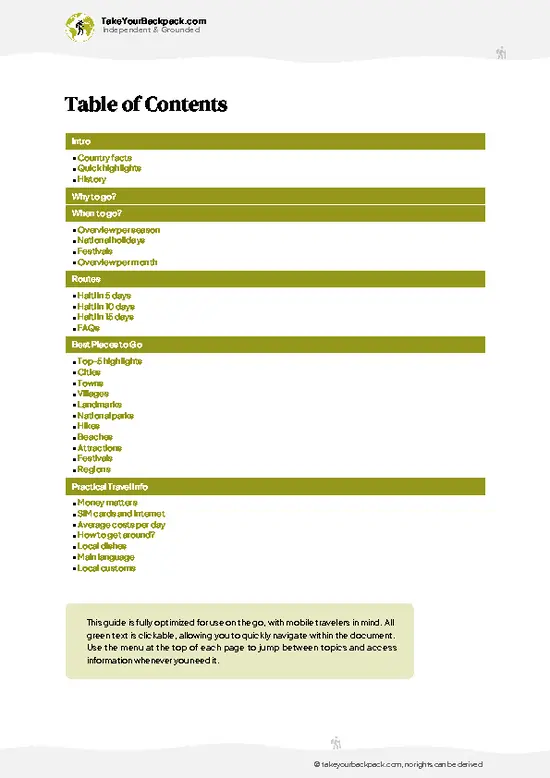
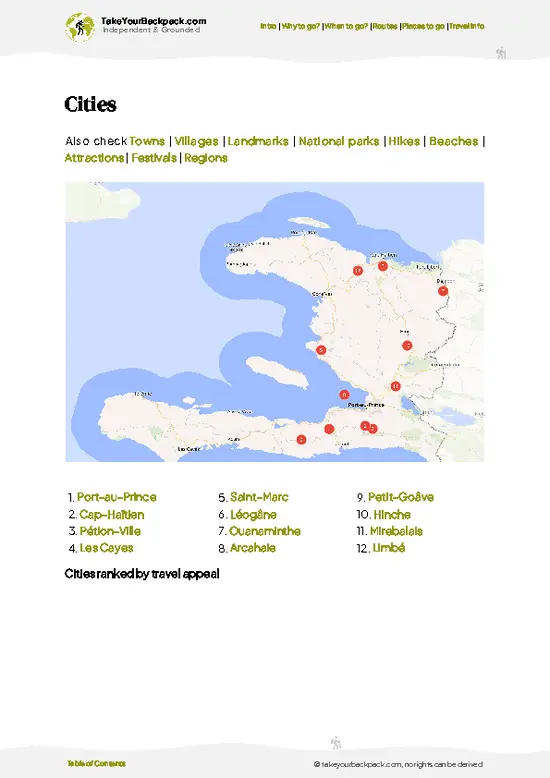
example page 2 from our offline Travel Guide for Haiti
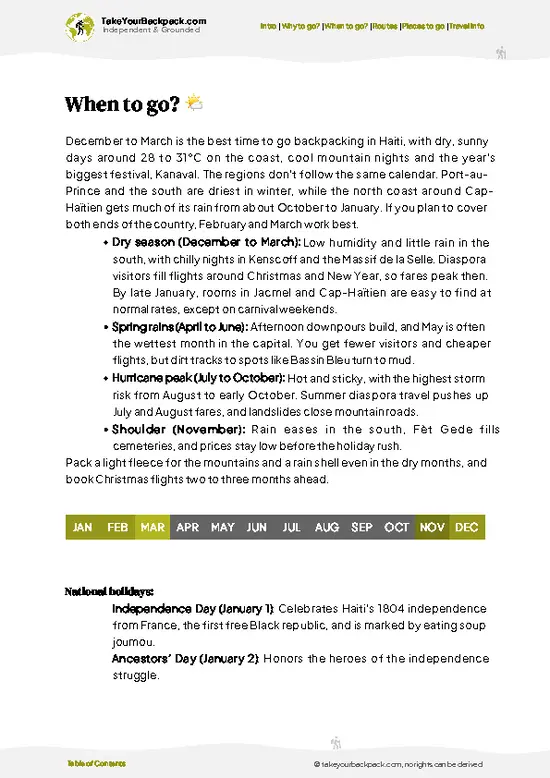
example page 3 from our offline Travel Guide for Haiti
example page 4 from our offline Travel Guide for Haiti
example page 5 from our offline Travel Guide for Haiti
example page 6 from our offline Travel Guide for Haiti
example page 7 from our offline Travel Guide for Haiti
Loading the map 🌍
CLICK TO FILTER
cities
towns
villages
landmarks
national parks
hikes
beaches
attractions
festivals
regions
SHOW COUNTRY’S BESTSHOW ALL

✨ Why go?
Ranked #6 beach in Haiti
What sets this place apart

Gelée Beach works for backpackers because it gives you a rare thing in Haiti: a quiet coastal stop where you can stay several nights without a plan. The shore is wide, the surf is soft, and the shallow, calm water lets you float for an hour with no one pestering you. Meals are simple and local, so you eat fresh fish at a table with your feet in the sand and talk with whoever sits next to you, often Haitians on a weekend break or the occasional aid worker. It is also a natural pause on the southern route, a place to recover after rough roads before you move on toward Île-à-Vache or the coastal towns nearby. Prices stay modest, the pace stays slow, and the sea is always there.

💡 HighlightsDon't-miss highlights and experiences

  1. Gelée Beach shoreline walk. The long curve of pale sand, backed by coconut palms, is the main attraction. Walk it end to end in the cooler hours and you pass fishing boats, kids playing football, and quiet stretches with no one at all.
  2. Swimming in the shallows. The water stays calm and warm, and it deepens slowly, so it suits nervous swimmers and anyone who wants to float rather than fight waves.
  3. Fresh fish and lobster at the beach shacks. Cooks grill the day’s catch over charcoal and serve it with fried plantain and a sharp pickled slaw. Lobster is the local splurge when boats have landed some.
  4. Morning fishing boats. Wooden boats pull in early, and you can watch men sort and carry the catch. It is the most honest look at daily coastal life here, and a good moment to buy fish directly.
  5. Sunset
… read more 👉
  1. Gelée Beach shoreline walk. The long curve of pale sand, backed by coconut palms, is the main attraction. Walk it end to end in the cooler hours and you pass fishing boats, kids playing football, and quiet stretches with no one at all.
  2. Swimming in the shallows. The water stays calm and warm, and it deepens slowly, so it suits nervous swimmers and anyone who wants to float rather than fight waves.
  3. Fresh fish and lobster at the beach shacks. Cooks grill the day’s catch over charcoal and serve it with fried plantain and a sharp pickled slaw. Lobster is the local splurge when boats have landed some.
  4. Morning fishing boats. Wooden boats pull in early, and you can watch men sort and carry the catch. It is the most honest look at daily coastal life here, and a good moment to buy fish directly.
  5. Sunset and the quiet evening. The sun drops over the water and the beach empties into a calm, dark night with sea sounds and a sky full of stars. Nightlife is low-key, a drink and music from a nearby shack at most.
Gelée Beach needs half a day for a proper visit, and a full day or two if you want to settle in and watch the beach change from morning to dusk.
Spotted a mistake or missing something? Contact us.

🌤️ When to go?Seasonal considerations and timing

Gelée Beach is at its easiest from December to March, when days run around 28 to 31°C (82 to 88°F) and rain is scarce.
  • Dry Season (December to March): Calm seas, low humidity and about 11 to 12 hours of daylight make this the comfortable window. Lodging and boat rides cost the most, especially around Christmas and New Year.
  • Shoulder Months (April to June): Temperatures climb to 30 to 34°C (86 to 93°F) and showers arrive in the afternoon. Beaches are quieter and prices ease.
  • Hot and Wet (July to October): Humid heat of 32 to 35°C (90 to 95°F), heavy downpours and hurricane risk, peaking August to October. Roads to the coast can turn muddy and boats get canceled.
  • Holidays: Easter week and Carnival season bring Haitian families to the coast, so weekends fill up and prices rise.
Book a weekday visit … read more 👉
Gelée Beach is at its easiest from December to March, when days run around 28 to 31°C (82 to 88°F) and rain is scarce.
  • Dry Season (December to March): Calm seas, low humidity and about 11 to 12 hours of daylight make this the comfortable window. Lodging and boat rides cost the most, especially around Christmas and New Year.
  • Shoulder Months (April to June): Temperatures climb to 30 to 34°C (86 to 93°F) and showers arrive in the afternoon. Beaches are quieter and prices ease.
  • Hot and Wet (July to October): Humid heat of 32 to 35°C (90 to 95°F), heavy downpours and hurricane risk, peaking August to October. Roads to the coast can turn muddy and boats get canceled.
  • Holidays: Easter week and Carnival season bring Haitian families to the coast, so weekends fill up and prices rise.
Book a weekday visit in late January or February for empty sand and calm water.


source: climatestotravel.comJANJanuary: highly recommended for travelingFEBFebruary: highly recommended for travelingMARMarch: excellent for travelingAPRApril: fair for travelingMAYMay: fair for travelingJUNJune: fair for travelingJULJuly: fair for travelingAUGAugust: fair for travelingSEPSeptember: fair for travelingOCTOctober: fair for travelingNOVNovember: excellent for travelingDECDecember: good for traveling
haiti-beach-gelee-beach v1
© Google |

✈️ The backpacker research shortcutHaiti Travel Guide

An offline-friendly backpacking guide with optimized travel routes, ranked highlights, transport advice, and the best areas to stay.
example page 0 from our offline Travel Guide for Haiti
example page 1 from our offline Travel Guide for Haiti
example page 2 from our offline Travel Guide for Haiti
example page 3 from our offline Travel Guide for Haiti
example page 4 from our offline Travel Guide for Haiti
example page 5 from our offline Travel Guide for Haiti
example page 6 from our offline Travel Guide for Haiti
example page 7 from our offline Travel Guide for Haiti
The digital guide (332 pages) contains:
✅ 89 highlights, ranked by travel appeal
✅ Optimized 5, 10 & 15-day travel routes
✅ Cities, national parks, landmarks, beaches
✅ How to get around
✅ Offline-friendly for travel without Wi-Fi
👉 Click to see all 30+ guide features

📅 Plan smarter in minutes, not weeks
✅ Month by month travel advice
✅ Festivals & national holidays
✅ Budget expectations

🗺️ Go to the right places, skip the overrated ones
✅ Honest pros & cons of destinations
✅ Top hikes, parks & viewpoints
✅ Lesser-known places most travelers miss
✅ Clear “worth it vs skip it” guidance

🛏️ Travel smoothly without rookie mistakes
✅ Best areas to stay
✅ Transport systems explained simply
✅ Common scams & safety advice
✅ SIM cards, money & practical tips

🌍 Understand the country, not just visit it
✅ Culture & traditions
✅ 52 Essential phrases & customs
✅ Festivals worth planning around
✅ Traveler-friendly historical context
✅ Insights that make places more meaningful

📱 Built for real travel conditions
✅ Fully downloadable PDF
✅ Works completely offline
✅ Optimized for phone use
✅ Useful in remote areas & buses
✅ Everything in one place
Stop searching, start planning
Get instant access to your full guide. 30‑day money-back guarantee.
+ Add another guide for just

By proceeding you agree to our terms.
Sent to your inbox immediately after payment • 100% Secure Checkout
Best Backpacking Travel Advisor 2025 tourism awardBest Backpacking
Travel Advisor
2025
What others say about Take Your Backpack Guides:
⭐⭐⭐⭐⭐
Fantastic, amazing amount of information!
⭐⭐⭐⭐⭐
My goodness this is amazing, it's what I've been looking for hats off too you!
⭐⭐⭐⭐⭐
I think this is absolutely BRILLIANT
⭐⭐⭐⭐
Very complete and informative. It's still missing places, but I gotta to commend you
⭐⭐⭐⭐⭐
This is truly amazing, thank you, can't wait to explore it with my kids!
⭐⭐⭐⭐⭐
Awesome resource, thank you!
⭐⭐⭐⭐⭐
This is amazing! Can't wait to explore the ones I haven't seen
⭐⭐⭐⭐
I love this! Well done, great idea.
⭐⭐⭐⭐⭐
Thanks for taking the time to make this gem!
⭐⭐⭐⭐⭐
This might be the best website I've ever seen.
⭐⭐⭐⭐⭐
Congratulations, and thank you so much for your work; it's incredibly valuable.
⭐⭐⭐⭐
In all seriousness I think you did a great job pointing out the important spots
⭐⭐⭐⭐⭐
10/10 very good
⭐⭐⭐⭐⭐
As someone who's only just starting to visit regularly this is awesome, thank you.
⭐⭐⭐⭐
Thank you very much! I'm going to visit my dad, it's going to be very useful!
⭐⭐⭐⭐⭐
This is really cool! We'll be travelling for the first time and this definitely come in handy.
⭐⭐⭐⭐⭐
You are now our minister of culture, congratulations 👨‍💼
⭐⭐⭐⭐⭐
Just wanted to tell you that this is a pearl! Going to follow your recommendations.
⭐⭐⭐⭐⭐
This is so cool. I'll definitely be using the resource for my travels soon.
⭐⭐⭐⭐⭐
This is very impressive! Good work.
⭐⭐⭐⭐⭐
This is an amazing and informative site. Very well done!

🛏️ Where to stay?Where staying makes the most sense

Jacmel town, roughly 20 to 30 minutes by road from the beach, is the best place to sleep. It has the widest range of guesthouses and small inns, with simple rooms at about US$25 to 60 a night, and it is where independent travelers and NGO workers tend to gather. The center around Rue du Commerce and the old brick-and-ironwork streets is walkable, with cafés, art studios and restaurants where you can meet other visitors over dinner.
The seafront strip of Jacmel, near the Cayes-Jacmel road, is calmer and sits closer to the water, so it suits anyone who wants a beach morning without a long ride. Rooms … read more 👉
Jacmel town, roughly 20 to 30 minutes by road from the beach, is the best place to sleep. It has the widest range of guesthouses and small inns, with simple rooms at about US$25 to 60 a night, and it is where independent travelers and NGO workers tend to gather. The center around Rue du Commerce and the old brick-and-ironwork streets is walkable, with cafés, art studios and restaurants where you can meet other visitors over dinner.
The seafront strip of Jacmel, near the Cayes-Jacmel road, is calmer and sits closer to the water, so it suits anyone who wants a beach morning without a long ride. Rooms here are slightly pricier, around US$40 to 90.
Local beachside spots near Gelée Beach sometimes offer basic rooms or camping on request, but facilities are limited and power can be unreliable. Arrange it through a local contact beforehand.
Because social options cluster in Jacmel, most backpackers sleep there and take a motorcycle taxi or hired driver to the sand for the day. Ask your host to arrange a trusted driver and a return pickup.

🛡️ SafetyTraveler Safety Guide

Gelée Beach is generally calm for a Haitian Caribbean beach, and most visits are uneventful. The water along this stretch of the southern coast is usually gentle in the dry months, though swells and stronger currents can build during the rainy season and after storms. Swim where locals do, stay within your depth, and skip the water when waves are visibly heavy, since there are no lifeguards or flag systems. Rocky patches and reef edges can cut bare feet, so water shoes help.
The sun is strong all year, and shade is limited, so bring a hat, reef-safe sunscreen and plenty of water. Mornings are the coolest and calmest.
Petty theft is uncommon but possible, so carry little, keep valuables out of sight, and avoid leaving bags unattended on the sand. Travel by day, arrange your ride back in advance, … read more 👉
Gelée Beach is generally calm for a Haitian Caribbean beach, and most visits are uneventful. The water along this stretch of the southern coast is usually gentle in the dry months, though swells and stronger currents can build during the rainy season and after storms. Swim where locals do, stay within your depth, and skip the water when waves are visibly heavy, since there are no lifeguards or flag systems. Rocky patches and reef edges can cut bare feet, so water shoes help.
The sun is strong all year, and shade is limited, so bring a hat, reef-safe sunscreen and plenty of water. Mornings are the coolest and calmest.
Petty theft is uncommon but possible, so carry little, keep valuables out of sight, and avoid leaving bags unattended on the sand. Travel by day, arrange your ride back in advance, and check recent local conditions on the road from Jacmel before setting out.

FAQTraveler FAQ

Gelée Beach is reached from Jacmel, about 20 to 30 minutes by car or motorcycle taxi along the coast. Jacmel itself is roughly 2.5 to 4 hours by road from Port-au-Prince, depending on traffic and road conditions. Expect to pay about US$5 to 15 for a motorcycle taxi or shared ride, or US$30 to 60 for a private driver with a wait and return.
Gelée Beach is best for swimming and relaxing, with generally calm water in the dry months from December to March. There are no real surf breaks, and the sea can get rough in hurricane season. Snorkeling is possible near rocky edges when visibility is good, but bring your own mask because rentals are rare.
Gelée Beach has no formal entrance fee, and you can walk onto the sand at no cost. Small tips of US$1 to 3 for local people who watch your belongings or guide you are common. Food, drinks and boat rides cost extra, so carry small bills in US dollar equivalents and pay in local currency.
⚠️ Things can change over time, so always validate details locally before you go.

Other Haitian beaches near Gelée Beach

Explore more nearby:

  • Plage de Port-Morgan—Lodge cove, clean sand, rock snorkeling, Île-à-Vache boats| 11 km away
  • Port-Salut—Long gray-gold crescent, shallow bay, lobster on the grill, Île-à-Vache| 20 km away
  • Pointe Sable—Dark-gold sand, coconut fronds, southern sunsets, stroll to Port-Salut| 20 km away

💡 Not sure where to go next?
Create a personalized itinerary for Haiti including Gelée Beach and the places that fit your trip.

Generate my itinerary

👉 Discover all beaches

Or checkout all Haiti has to offer (think cities, towns, villages, national parks, hikes, beaches, festivals)
Country photo of Haiti

We 💚 feedbackWhat to keep in mind

Gelée Beach looks best early, when the fishing boats are landing and the sand is still empty. Most first-timers sleep through it, then arrive at midday when the weekend crowd is loud. I would set an alarm once, walk the whole shoreline, and buy breakfast fish directly from the boats.

✍️ Help improve this page!
The information on this page is based on in-depth research, insights shared by experienced travelers, and feedback from the local travel community in Haiti. While every effort is made to keep the information accurate and current, conditions can change — so if you spot anything incorrect or outdated, please get in touch.


🙋‍♂️ Give feedback

👋 Meet the founderWho’s Behind Take Your Backpack?

Johan, backpacker and founder of TakeYourBackpackHi, I’m Johan (Netherlands 🇳🇱), the creator of TakeYourBackpack. Over the past 3 decades, I’ve backpacked through 90+ countries across six continents, gaining extensive experience with independent travel, long-term trips, and overland routes.

This site is built on a combination of firsthand travel experience and carefully curated insights from other backpackers. Many guides are based on places I’ve personally visited, while others bring together tips, observations, and practical advice shared by trusted travelers I’ve met along the way.

The goal is to provide realistic, experience-driven guidance — not generic itineraries — so you can explore destinations with better context, clearer expectations, and more confidence.