×

Haiti🇭🇹 | landmarksGrotte Marie JeanneWet limestone chambers, headlamp crawl, Marie Jeanne story, bats | things to do and best time to go

Explore La Passerelle de MarfrancExplore Furcy

Backpacking in Grotte Marie Jeanne
🌟 Highlightunique site ranked #4
By Johan Kruseman 🇳🇱 | Updated October 20, 2026

Grotte Marie Jeanne is best known as a limestone cave system with several chambers, hanging stalactites and water moving through the dark. It sits in Port-à-Piment, on the southern coast of Haiti, west of Les Cayes. Don’t come expecting lit walkways or a ticket office: the approach is a rural road and a short walk, and the cave itself is rough, wet and slippery. That is the appeal. Skip it if you want a polished attraction. Go if you like crawling past formations by headlamp, with a local guide who knows which ledges hold. Photos are tricky in the damp dark, so a strong light matters more than a good camera. A first day could mean a morning cave visit, then an afternoon on the nearby coast to dry off and eat grilled fish.

Discover everything you want to know in the 📖 Haiti Travel Guide.
Safety warning

The current risk level for Haiti is high. Check the advice before going.


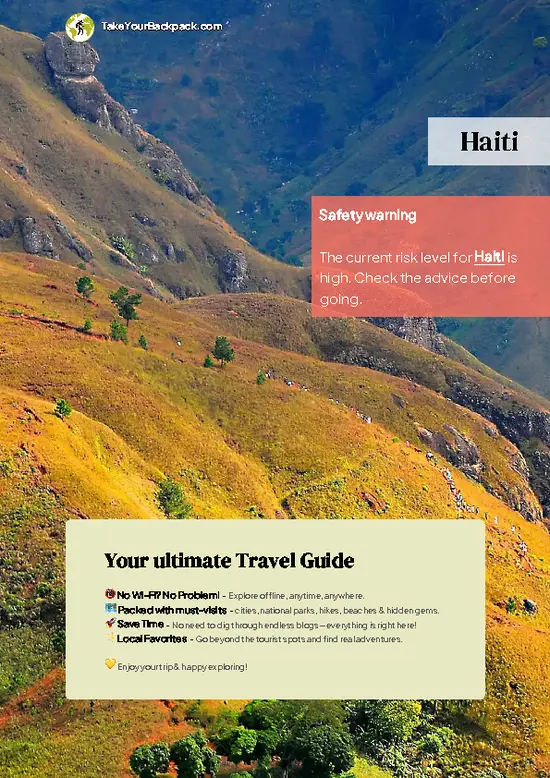
example page 0 from our offline Travel Guide for Haiti
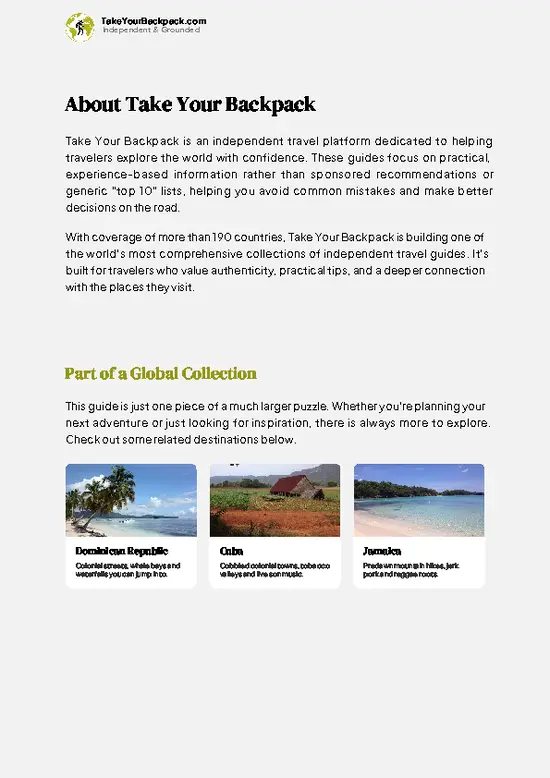
example page 1 from our offline Travel Guide for Haiti
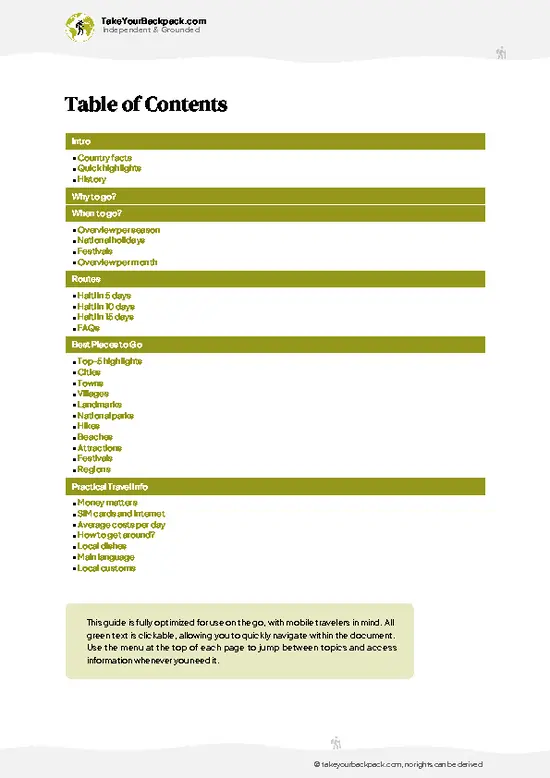
example page 2 from our offline Travel Guide for Haiti
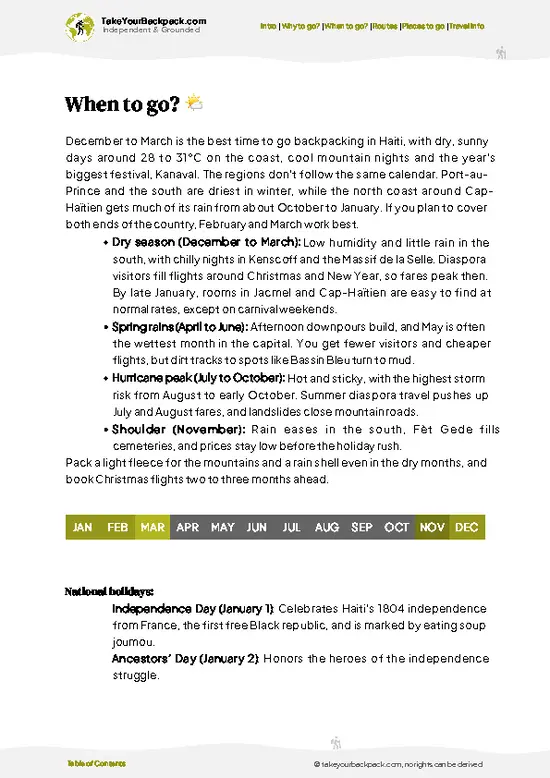
example page 3 from our offline Travel Guide for Haiti
example page 4 from our offline Travel Guide for Haiti
example page 5 from our offline Travel Guide for Haiti
example page 6 from our offline Travel Guide for Haiti
example page 7 from our offline Travel Guide for Haiti
Loading the map 🌍
CLICK TO FILTER
cities
towns
villages
landmarks
national parks
hikes
beaches
attractions
festivals
regions
SHOW COUNTRY’S BESTSHOW ALL

✨ Why go?
Ranked #4 unique site in Haiti
Why visitors keep coming back

Grotte Marie Jeanne gives you a real underground adventure in a part of Haiti where few travelers go, and that is the main reason to make the trip. You won’t share the passages with tour groups. Instead you get a local guide, a headlamp beam and the sound of dripping water, which feels like proper exploring rather than sightseeing. The cave is tied to local memory of Marie Jeanne, the woman whose name it carries, and your guide will tell the story in the chambers themselves, which makes the walk mean more than the rock alone. It also fits a southwest route well. Pair it with the coastal towns of the Tiburon peninsula, where the road runs between mountains and sea, and you have a loop that rewards unhurried travelers. The south is quieter than the north, and prices stay modest. Bring sturdy … read more 👉
Grotte Marie Jeanne gives you a real underground adventure in a part of Haiti where few travelers go, and that is the main reason to make the trip. You won’t share the passages with tour groups. Instead you get a local guide, a headlamp beam and the sound of dripping water, which feels like proper exploring rather than sightseeing. The cave is tied to local memory of Marie Jeanne, the woman whose name it carries, and your guide will tell the story in the chambers themselves, which makes the walk mean more than the rock alone. It also fits a southwest route well. Pair it with the coastal towns of the Tiburon peninsula, where the road runs between mountains and sea, and you have a loop that rewards unhurried travelers. The south is quieter than the north, and prices stay modest. Bring sturdy shoes, a backup light and cash in small bills for your guide. Reaching the cave takes effort, and that filter keeps the place unspoiled.

💡 HighlightsDon't-miss highlights and experiences

  1. The cave entrance and first chamber. The opening drops you from tropical vegetation into cool, damp air, and the temperature change hits within a few steps. This first chamber is where your eyes adjust and your guide sets the pace.
  2. Stalactites and stalagmites. Limestone formations hang from the ceiling and rise from the floor in the inner passages. Some have joined into columns. Shine your light along them slowly, because the shapes change with the angle.
  3. The underground water. Water runs and drips through the cave, and it is the reason the formations exist at all. Expect wet feet and slick rock, so wear shoes with grip.
  4. The story of Marie Jeanne. The cave carries the name of a woman remembered in local tradition, and guides tell her story inside the chambers. It is oral history rather than a
… read more 👉
  1. The cave entrance and first chamber. The opening drops you from tropical vegetation into cool, damp air, and the temperature change hits within a few steps. This first chamber is where your eyes adjust and your guide sets the pace.
  2. Stalactites and stalagmites. Limestone formations hang from the ceiling and rise from the floor in the inner passages. Some have joined into columns. Shine your light along them slowly, because the shapes change with the angle.
  3. The underground water. Water runs and drips through the cave, and it is the reason the formations exist at all. Expect wet feet and slick rock, so wear shoes with grip.
  4. The story of Marie Jeanne. The cave carries the name of a woman remembered in local tradition, and guides tell her story inside the chambers. It is oral history rather than a plaque, and hearing it underground is the best way to take it in.
  5. The bat colonies. Like many Caribbean caves, the deeper passages are home to bats. Keep your light low when you pass them, and keep your voice down.
  6. The Port-à-Piment coast. After the cave, the nearby shoreline gives you daylight, sea air and a place to rinse off. Local fishermen sell the catch, and a plate of fried fish afterward makes a good ending.
Grotte Marie Jeanne is the single best item for a first visit, and the first chamber and the formations beyond it are the part to do properly with a guide.
Spotted a mistake or missing something? Contact us.

🌤️ When to go?Best time to visit Grotte Marie Jeanne

  • Dry Season (December to March): Cave floors stay firm and the dirt roads from Port-Salut and Les Cayes are passable. Days run 27 to 31°C (81 to 88°F), nights 21 to 23°C (70 to 73°F), with roughly 11 to 12 hours of daylight. Expect the most visitors on weekends and around Christmas and Carnival, and slightly higher guide and transport rates.
  • Shoulder Months (April to May, November): Showers start building, and the heat feels heavier at 29 to 33°C (84 to 91°F). Crowds thin and prices ease, which suits flexible backpackers.
  • Rainy and Hurricane Season (June to October): Heavy afternoon downpours and tropical storms can flood approach tracks and make cave interiors slippery and muddy. Daylight stretches to about 13 hours, but access is unreliable, and September is the riskiest month.
Arrive early … read more 👉
  • Dry Season (December to March): Cave floors stay firm and the dirt roads from Port-Salut and Les Cayes are passable. Days run 27 to 31°C (81 to 88°F), nights 21 to 23°C (70 to 73°F), with roughly 11 to 12 hours of daylight. Expect the most visitors on weekends and around Christmas and Carnival, and slightly higher guide and transport rates.
  • Shoulder Months (April to May, November): Showers start building, and the heat feels heavier at 29 to 33°C (84 to 91°F). Crowds thin and prices ease, which suits flexible backpackers.
  • Rainy and Hurricane Season (June to October): Heavy afternoon downpours and tropical storms can flood approach tracks and make cave interiors slippery and muddy. Daylight stretches to about 13 hours, but access is unreliable, and September is the riskiest month.
Arrive early in the morning, since the cave is cooler and the afternoon storms rarely start before midday.


source: climatestotravel.comJANJanuary: highly recommended for travelingFEBFebruary: highly recommended for travelingMARMarch: highly recommended for travelingAPRApril: fair for travelingMAYMay: fair for travelingJUNJune: fair for travelingJULJuly: fair for travelingAUGAugust: fair for travelingSEPSeptember: fair for travelingOCTOctober: fair for travelingNOVNovember: good for travelingDECDecember: highly recommended for traveling
when-to-go

✈️ The backpacker research shortcutHaiti Travel Guide

An offline-friendly backpacking guide with optimized travel routes, ranked highlights, transport advice, and the best areas to stay.
example page 0 from our offline Travel Guide for Haiti
example page 1 from our offline Travel Guide for Haiti
example page 2 from our offline Travel Guide for Haiti
example page 3 from our offline Travel Guide for Haiti
example page 4 from our offline Travel Guide for Haiti
example page 5 from our offline Travel Guide for Haiti
example page 6 from our offline Travel Guide for Haiti
example page 7 from our offline Travel Guide for Haiti
The digital guide (332 pages) contains:
✅ 89 highlights, ranked by travel appeal
✅ Optimized 5, 10 & 15-day travel routes
✅ Cities, national parks, landmarks, beaches
✅ How to get around
✅ Offline-friendly for travel without Wi-Fi
👉 Click to see all 30+ guide features

📅 Plan smarter in minutes, not weeks
✅ Month by month travel advice
✅ Festivals & national holidays
✅ Budget expectations

🗺️ Go to the right places, skip the overrated ones
✅ Honest pros & cons of destinations
✅ Top hikes, parks & viewpoints
✅ Lesser-known places most travelers miss
✅ Clear “worth it vs skip it” guidance

🛏️ Travel smoothly without rookie mistakes
✅ Best areas to stay
✅ Transport systems explained simply
✅ Common scams & safety advice
✅ SIM cards, money & practical tips

🌍 Understand the country, not just visit it
✅ Culture & traditions
✅ 52 Essential phrases & customs
✅ Festivals worth planning around
✅ Traveler-friendly historical context
✅ Insights that make places more meaningful

📱 Built for real travel conditions
✅ Fully downloadable PDF
✅ Works completely offline
✅ Optimized for phone use
✅ Useful in remote areas & buses
✅ Everything in one place
Stop searching, start planning
Get instant access to your full guide. 30‑day money-back guarantee.
+ Add another guide for just

By proceeding you agree to our terms.
Sent to your inbox immediately after payment • 100% Secure Checkout
Best Backpacking Travel Advisor 2025 tourism awardBest Backpacking
Travel Advisor
2025
What others say about Take Your Backpack Guides:
⭐⭐⭐⭐⭐
Fantastic, amazing amount of information!
⭐⭐⭐⭐⭐
My goodness this is amazing, it's what I've been looking for hats off too you!
⭐⭐⭐⭐⭐
I think this is absolutely BRILLIANT
⭐⭐⭐⭐
Very complete and informative. It's still missing places, but I gotta to commend you
⭐⭐⭐⭐⭐
This is truly amazing, thank you, can't wait to explore it with my kids!
⭐⭐⭐⭐⭐
Awesome resource, thank you!
⭐⭐⭐⭐⭐
This is amazing! Can't wait to explore the ones I haven't seen
⭐⭐⭐⭐
I love this! Well done, great idea.
⭐⭐⭐⭐⭐
Thanks for taking the time to make this gem!
⭐⭐⭐⭐⭐
This might be the best website I've ever seen.
⭐⭐⭐⭐⭐
Congratulations, and thank you so much for your work; it's incredibly valuable.
⭐⭐⭐⭐
In all seriousness I think you did a great job pointing out the important spots
⭐⭐⭐⭐⭐
10/10 very good
⭐⭐⭐⭐⭐
As someone who's only just starting to visit regularly this is awesome, thank you.
⭐⭐⭐⭐
Thank you very much! I'm going to visit my dad, it's going to be very useful!
⭐⭐⭐⭐⭐
This is really cool! We'll be travelling for the first time and this definitely come in handy.
⭐⭐⭐⭐⭐
You are now our minister of culture, congratulations 👨‍💼
⭐⭐⭐⭐⭐
Just wanted to tell you that this is a pearl! Going to follow your recommendations.
⭐⭐⭐⭐⭐
This is so cool. I'll definitely be using the resource for my travels soon.
⭐⭐⭐⭐⭐
This is very impressive! Good work.
⭐⭐⭐⭐⭐
This is an amazing and informative site. Very well done!

🛏️ Where to stay?Best areas to stay in Haiti

Port-Salut is the place to sleep, a beach town on the south coast that sits roughly 30 to 45 minutes from Grotte Marie Jeanne by moto-taxi or hired vehicle. It has the densest cluster of budget guesthouses and small beachfront lodgings in the area, and it is where most solo travelers and volunteers end up. Evenings revolve around open-air seafront restaurants, so meeting other travelers is easy, and walking back after dark along the main stretch feels manageable when you stay in a group. Rooms run about US$20 to 50 a night, with dorm-style options rare.

Les Cayes, the regional hub about 1 to … read more 👉
Port-Salut is the place to sleep, a beach town on the south coast that sits roughly 30 to 45 minutes from Grotte Marie Jeanne by moto-taxi or hired vehicle. It has the densest cluster of budget guesthouses and small beachfront lodgings in the area, and it is where most solo travelers and volunteers end up. Evenings revolve around open-air seafront restaurants, so meeting other travelers is easy, and walking back after dark along the main stretch feels manageable when you stay in a group. Rooms run about US$20 to 50 a night, with dorm-style options rare.

Les Cayes, the regional hub about 1 to 1.5 hours away, is the second option. It has more markets, banks and transport connections, but fewer social spots and a more urban feel. It works best if you arrive by bus from Port-au-Prince and want a first night near the station.

Staying in the nearby villages by the cave is possible through local contacts, but facilities are basic and nightlife is absent. Book ahead in December and during Carnival, and ask your host to arrange a trusted driver and guide for the cave.

👛 Costs (as of 20 October 2026)How expensive it really is

Plan on about US$55 per day for Grotte Marie Jeanne and the surrounding south coast, including a guide, transport and a modest bed in Port-Salut.
CategoryBudget RangeLocal Reality
Accommodation (high season)US$20 to 30Simple guesthouse room in Port-Salut, often with fan and cold-water shower. Prices rise in December.
Cave guide and accessUS$5 to 10Local guides expect a negotiated tip or fee. Bring a flashlight or headlamp.
Local transportUS$10 to 15Round trip by moto-taxi or shared ride from Port-Salut. Agree the price before you set off.
FoodUS$8 to 12Rice and beans with fish or chicken at local eateries. Seafront restaurants cost more.
Water and snacksUS$2 to 3Bottled or treated water is needed, and fruit from roadside sellers is cheap.
Total Daily BudgetUS$45 to 70About US$55 for a typical day.
⚠️ Prices can change and everyone travels differently, so take this as a rough guide. Hope it helps you plan your adventure!

FAQCommon questions from travelers

Grotte Marie Jeanne is a large limestone cave system in Haiti’s Sud department, near Port-Salut on the southern peninsula. It has big chambers, stalactites and an underground river, and locals link it to the history of the region’s past. Guides lead visits, and you should bring a headlamp and shoes with grip.
Grotte Marie Jeanne needs about 2 to 3 hours for the cave itself, plus travel time. From Port-Salut, count a half day including the ride, which takes 30 to 45 minutes each way. If you start from Les Cayes, allow most of a day.
Reaching Grotte Marie Jeanne usually means getting to Les Cayes first, about 4 to 6 hours by bus or shared vehicle from Port-au-Prince, with fares around US$10 to 20. From Les Cayes, continue to Port-Salut in about 1 to 1.5 hours, then take a moto-taxi or hired driver for the last stretch, roughly US$10 to 15 return. Check current road and security conditions before leaving the capital.
⚠️ Things can change over time, so always validate details locally before you go.

Other Haitian landmarks near Grotte Marie Jeanne

Explore more nearby:

  • Saut-Mathurine—20-meter curtain fall, green plunge pool, fern banks, Camp-Perrin| 29 km away
  • Seguin Waterfall—forest cascade, misty plunge pool, mountain air| 36 km away
  • La Passerelle de Marfranc—Swaying footbridge, river gorge, daily crossings, Marfranc farms| 38 km away

💡 Not sure where to go next?
Create a personalized itinerary for Haiti including Grotte Marie Jeanne and the places that fit your trip.

Generate my itinerary

👉 Discover all landmarks

Or checkout all Haiti has to offer (think cities, towns, villages, national parks, hikes, beaches, festivals)
Country photo of Haiti

We 💚 feedbackParting advice and final tips

Grotte Marie Jeanne works best as one stop in a slow loop through Haiti’s southwest, so I would pair it with Les Cayes for supplies and the beaches of the south coast for the rest of your days. Go in the morning, bring two lights, and leave your good sandals at the hotel.

✍️ Help improve this page!
The information on this page is based on in-depth research, insights shared by experienced travelers, and feedback from the local travel community in Haiti. While every effort is made to keep the information accurate and current, conditions can change — so if you spot anything incorrect or outdated, please get in touch.


🙋‍♂️ Give feedback

👋 Meet the founderWho’s Behind Take Your Backpack?

Johan, backpacker and founder of TakeYourBackpackHi, I’m Johan (Netherlands 🇳🇱), the creator of TakeYourBackpack. Over the past 3 decades, I’ve backpacked through 90+ countries across six continents, gaining extensive experience with independent travel, long-term trips, and overland routes.

This site is built on a combination of firsthand travel experience and carefully curated insights from other backpackers. Many guides are based on places I’ve personally visited, while others bring together tips, observations, and practical advice shared by trusted travelers I’ve met along the way.

The goal is to provide realistic, experience-driven guidance — not generic itineraries — so you can explore destinations with better context, clearer expectations, and more confidence.