×

Honduras🇭🇳 | attractionsGumbalimba Parkcapuchin monkeys, canopy bridges, botanical gardens | things to do and best time to go

Explore Carambola Botanical Gardens & TrailsExplore Museo para la Identidad Nacional

Backpacking in Gumbalimba Park
🌟 Highlightattraction ranked #4
By Johan Kruseman 🇳🇱 | Updated September 4, 2026

Here’s the trick nobody tells you: Gumbalimba Park is one of the rare spots on Roatán where you can dodge the cruise ship stampede—if you time it right. That’s a game-changer for Honduras, where most “must-sees” are either swamped or a logistical headache. Gumbalimba sits on the island’s west end, just outside West Bay, which means you’re close to the action but not drowning in it. Now, let’s be blunt: this isn’t some untouched jungle. You’ll see tour groups, selfie sticks, and yes, the price tag is steeper than most mainland adventures. But here’s where it earns its stripes: you get to walk under a canopy of ancient trees, meet capuchin monkeys that are more mischievous than any influencer, and wander through a pirate cave that’s more fun than it has any right to be. It’s not the cheapest thrill in Honduras, but if you want a mash-up of nature, history, and a little adrenaline—without a four-hour bus ride—this is where the real magic sneaks up on you.

Discover everything you want to know in the 📖 Honduras Travel Guide.


Get your Honduras guide
80 ranked highlights, routes & tips, works offline (328 pages)
Loading the map 🌍
CLICK TO FILTER
cities
towns
landmarks
national parks
hikes
beaches
attractions
festivals
regions
SHOW COUNTRY’S BESTSHOW ALL

✨ Why go?
Ranked #4 attraction in Honduras
What makes this attraction worth visiting

Gumbalimba Park in Honduras is often sold as a tropical playground with parrots and monkeys, but let’s cut through the Instagram gloss: yes, it’s touristy and yes, it can get crowded, especially during peak season. The entrance fee isn’t pocket change either, so it’s not a casual drop-in. But here’s the real deal—this place is a milestone for backpackers who want more than just a photo op.

Why? Because Gumbalimba isn’t just a zoo or a garden; it’s a living slice of Honduran biodiversity and history wrapped into one. The park’s mix of wildlife encounters—think free-roaming howler monkeys and vibrant macaws—gives you a hands-on connection to the region’s ecosystem that you won’t get from a guidebook. Plus, the zipline through the canopy isn’t just a thrill ride; it’s a chance to see the jungle … read more 👉
Gumbalimba Park in Honduras is often sold as a tropical playground with parrots and monkeys, but let’s cut through the Instagram gloss: yes, it’s touristy and yes, it can get crowded, especially during peak season. The entrance fee isn’t pocket change either, so it’s not a casual drop-in. But here’s the real deal—this place is a milestone for backpackers who want more than just a photo op.

Why? Because Gumbalimba isn’t just a zoo or a garden; it’s a living slice of Honduran biodiversity and history wrapped into one. The park’s mix of wildlife encounters—think free-roaming howler monkeys and vibrant macaws—gives you a hands-on connection to the region’s ecosystem that you won’t get from a guidebook. Plus, the zipline through the canopy isn’t just a thrill ride; it’s a chance to see the jungle from a perspective that reveals why this country’s natural heritage is worth fighting for.

It’s also a cultural checkpoint. The park’s Mayan ruins and interpretive trails ground you in the deep history beneath the lush greenery. For backpackers threading through Honduras, Gumbalimba is a rare spot where adrenaline, education, and ecological respect collide. It’s not just a stop—it’s a statement.
Want to include Gumbalimba Park in your Honduras route?
Create a personalized Honduras itinerary that includes Gumbalimba Park and the places that fit your trip — based on your travel style, budget, and available time. Get your route in seconds.

Generate my trip

💡 HighlightsMust-see experiences and standout moments

The Monkey Encounter
Let’s get real: you’re not coming to Gumbalimba Park for a quiet commune with nature. You’re here to let capuchin monkeys climb all over you—and yes, it’s as chaotic and hilarious as it sounds. This isn’t some sterile, hands-off zoo. The monkeys are bold, clever, and have zero respect for personal space or zippers. If you’re carrying snacks, consider them gone. But that’s the point: it’s unscripted, unpredictable, and a thousand times more memorable than any “wildlife selfie” you’ve seen online. The staff keep things safe, but the monkeys run the show. This is the kind of experience you’ll be talking about for years, not just posting for likes.


The Suspension Bridge
Forget the Instagram shots of people posing on a bridge with a jungle backdrop. Here’s the truth: the bridge … read more 👉
The Monkey Encounter
Let’s get real: you’re not coming to Gumbalimba Park for a quiet commune with nature. You’re here to let capuchin monkeys climb all over you—and yes, it’s as chaotic and hilarious as it sounds. This isn’t some sterile, hands-off zoo. The monkeys are bold, clever, and have zero respect for personal space or zippers. If you’re carrying snacks, consider them gone. But that’s the point: it’s unscripted, unpredictable, and a thousand times more memorable than any “wildlife selfie” you’ve seen online. The staff keep things safe, but the monkeys run the show. This is the kind of experience you’ll be talking about for years, not just posting for likes.


The Suspension Bridge
Forget the Instagram shots of people posing on a bridge with a jungle backdrop. Here’s the truth: the bridge sways, your heart rate spikes, and the view is actually better when you stop trying to look cool and just look down. You’re suspended over a riot of green, with the Caribbean peeking through the trees. It’s not Everest, but it’s enough to jolt you out of autopilot. If you’re scared of heights, you’ll earn your bragging rights here. If you’re not, you’ll still feel the thrill. This is the park’s best “I did it!” moment.


The Parrot Pavilion
You’ll hear the parrots before you see them—loud, opinionated, and impossible to ignore. The park’s macaws and parrots aren’t just for decoration; they’re feathered personalities with attitude. Some will perch on your arm, others will try to steal your hat. The colors are outrageous, but what really sets this apart is the interaction. You’re not just snapping a photo; you’re in the middle of a feathery, noisy circus. It’s messy, it’s real, and it’s a blast.


Underwater Snorkeling Adventure
Here’s where the park’s location pays off. Gumbalimba sits right on the edge of Roatán’s legendary reef. Skip the pool and grab a mask: the snorkeling here is the real deal. You’ll see coral gardens, darting fish, and maybe even a sea turtle if luck’s on your side. The water is warm, the visibility is solid, and you’re not elbow-to-elbow with a tour group. This is my personal favorite—there’s nothing like surfacing from a reef swim with salt in your hair and that “did that just happen?” grin.


The Pirate Cave
It sounds like a tourist trap, but the cave is surprisingly fun. It’s part history lesson, part theme park, with pirate lore and a dash of kitsch. You’ll duck through tunnels, spot old artifacts, and get a sense of Roatán’s wild past. It’s not the British Museum, but it’s a playful, hands-on way to break up the animal encounters and jungle walks. If you’re traveling with kids (or just a sense of humor), it’s worth a detour.

Spotted a mistake or missing something? Contact us.

Things to do around Gumbalimba Park

Ratings based on Tripadvisor reviews. When you book through this link, you support our work at no extra cost to you.

🌤️ When to go?Seasonal considerations and timing


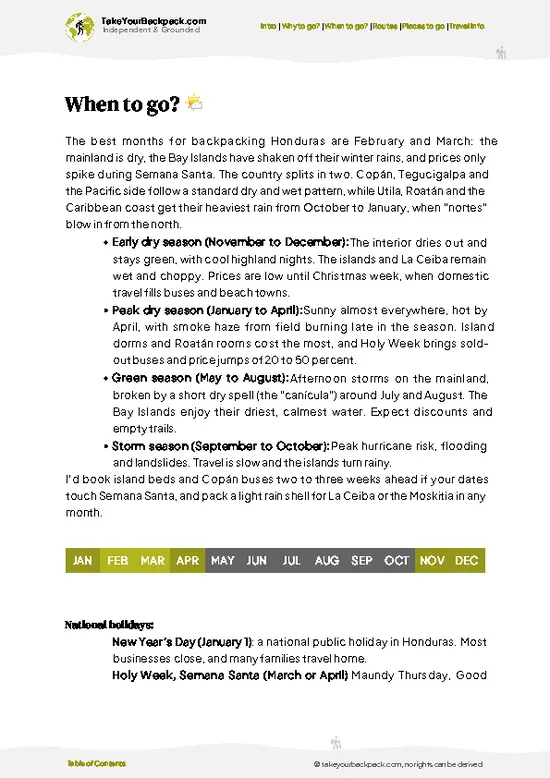
  • Topic: Weather and Temperature – The best time to hit Gumbalimba Park is during the dry season, roughly from February to May. Expect highs around 28-32°C (82-90°F) with low humidity, making jungle walks and zip-lining far more enjoyable. Avoid the rainy season from June to November when downpours can turn trails into mud pits and limit outdoor activities.

  • Topic: Daylight Hours – Daylight is fairly consistent year-round, averaging 11 to 12 hours. However, visiting in the dry months means clearer skies and more reliable daylight for exploring without rushing.

  • Topic: Crowds – Peak tourist influx aligns with the dry season, especially around Easter and spring break. This means more noise and higher prices but also a livelier atmosphere. The off-season offers solitude but comes with the
read more 👉

  • Topic: Weather and Temperature – The best time to hit Gumbalimba Park is during the dry season, roughly from February to May. Expect highs around 28-32°C (82-90°F) with low humidity, making jungle walks and zip-lining far more enjoyable. Avoid the rainy season from June to November when downpours can turn trails into mud pits and limit outdoor activities.

  • Topic: Daylight Hours – Daylight is fairly consistent year-round, averaging 11 to 12 hours. However, visiting in the dry months means clearer skies and more reliable daylight for exploring without rushing.

  • Topic: Crowds – Peak tourist influx aligns with the dry season, especially around Easter and spring break. This means more noise and higher prices but also a livelier atmosphere. The off-season offers solitude but comes with the risk of rain and some closed facilities.

  • Topic: Seasonal Activities – Wildlife spotting peaks in the dry months when animals are more active and visible. The park’s zip-line and botanical tours run year-round but are best experienced without the interruption of rain or muddy trails.

  • Topic: Price Fluctuations – Expect higher entrance fees and tour costs during the dry season due to demand. Booking in the shoulder months of February or May can snag better deals without sacrificing weather quality.


Pro-tip: Aim for late February to early May to dodge the worst crowds and rain, scoring the perfect balance of comfort, wildlife action, and wallet-friendly prices.


source: climatestotravel.comJANJanuary: good for travelingFEBFebruary: highly recommended for travelingMARMarch: excellent for travelingAPRApril: excellent for travelingMAYMay: highly recommended for travelingJUNJune: fair for travelingJULJuly: fair for travelingAUGAugust: fair for travelingSEPSeptember: below average for travelingOCTOctober: below average for travelingNOVNovember: fair for travelingDECDecember: good for traveling
when-to-go

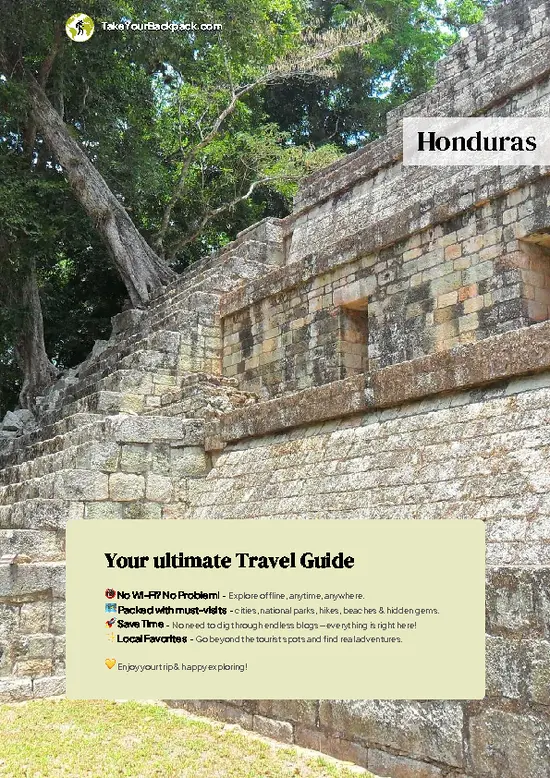
✈️ The backpacker research shortcutHonduras Travel Guide

An offline-friendly backpacking guide with optimized travel routes, ranked highlights, transport advice, and the best areas to stay.
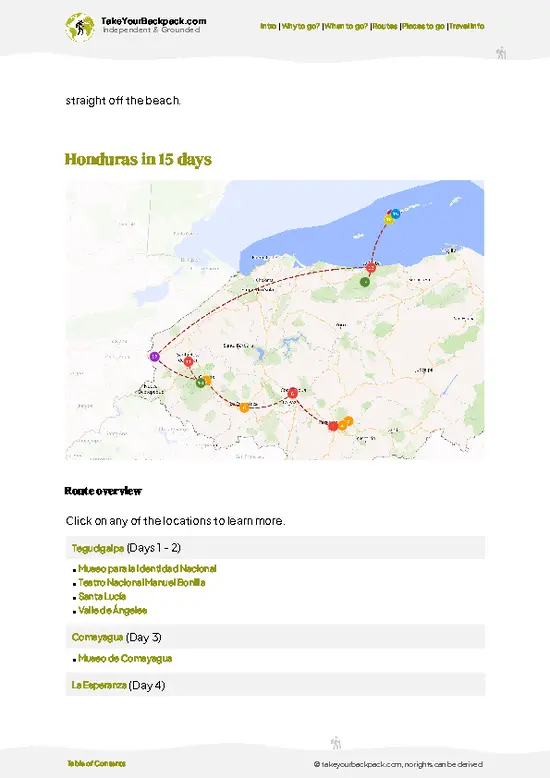
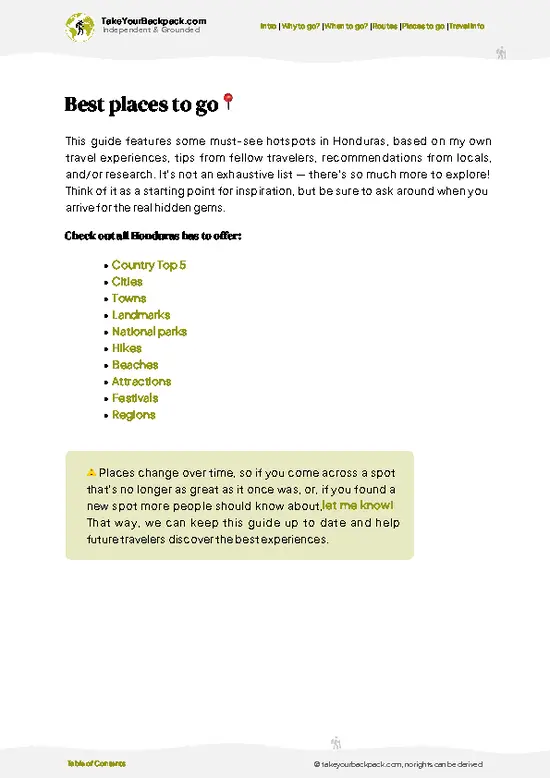
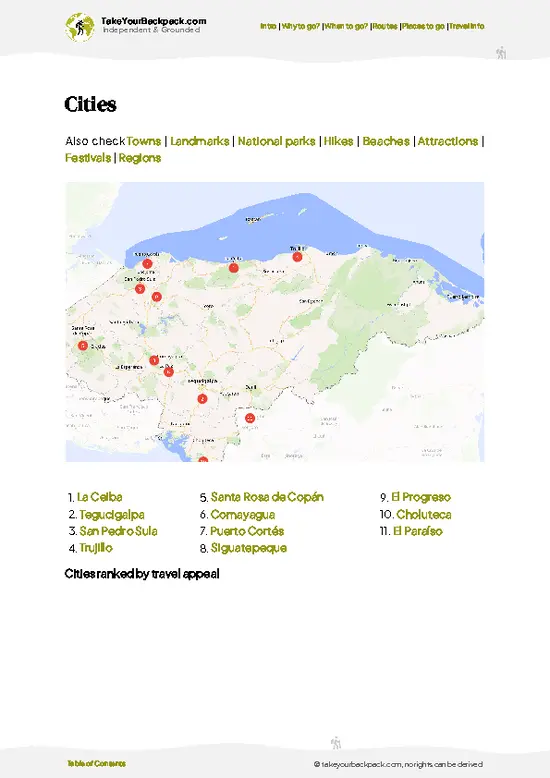
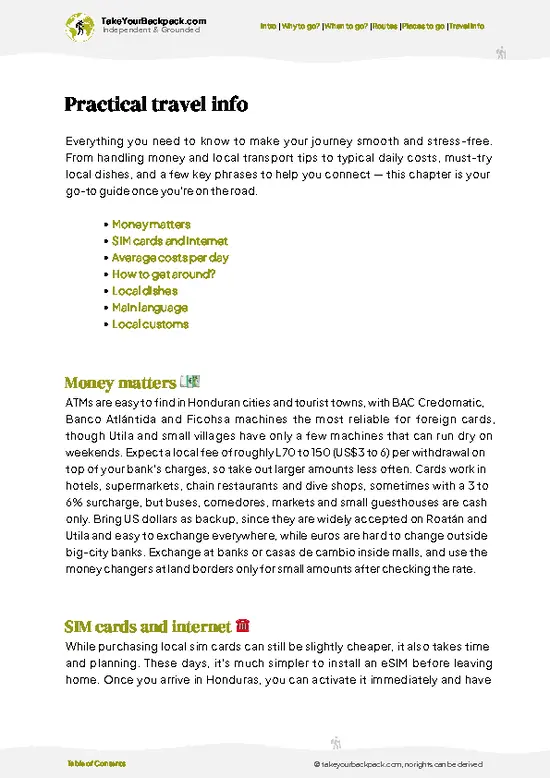
example page 0 from our offline Travel Guide for Honduras
example page 1 from our offline Travel Guide for Honduras
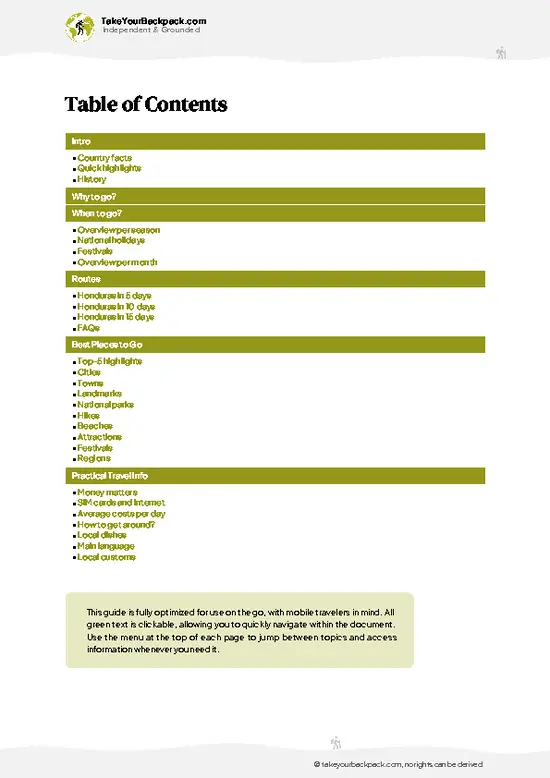
example page 2 from our offline Travel Guide for Honduras
example page 3 from our offline Travel Guide for Honduras
example page 4 from our offline Travel Guide for Honduras
example page 5 from our offline Travel Guide for Honduras
example page 6 from our offline Travel Guide for Honduras
example page 7 from our offline Travel Guide for Honduras
The digital guide (328 pages) contains:
80 highlights, ranked by travel appeal
Optimized 5, 10 & 15-day travel routes
Cities, national parks, landmarks, beaches
How to get around
Offline-friendly for travel without Wi-Fi
👉 Click to see all 30+ guide features

📅 Plan smarter in minutes, not weeks
Month by month travel advice
Festivals & national holidays
Budget expectations

🗺️ Go to the right places, skip the overrated ones
Honest pros & cons of destinations
Top hikes, parks & viewpoints
Lesser-known places most travelers miss
Clear “worth it vs skip it” guidance

🛏️ Travel smoothly without rookie mistakes
Best areas to stay
Transport systems explained simply
Common scams & safety advice
SIM cards, money & practical tips

🌍 Understand the country, not just visit it
Culture & traditions
52 Essential phrases & customs
Festivals worth planning around
Traveler-friendly historical context
Insights that make places more meaningful

📱 Built for real travel conditions
Fully downloadable PDF
Works completely offline
Optimized for phone use
Useful in remote areas & buses
Everything in one place
Save weeks of stressful planning
Get instant access to your full guide. 30‑day money-back guarantee.
+ Add another guide for just US$7.80

By proceeding you agree to our terms.
Sent to your inbox immediately after payment • 100% Secure Checkout
Best Backpacking Travel Advisor 2025 tourism awardBest Backpacking
Travel Advisor
2025
What others say about Take Your Backpack Guides:
⭐⭐⭐⭐⭐
Fantastic, amazing amount of information!
⭐⭐⭐⭐⭐
My goodness this is amazing, it's what I've been looking for hats off too you!
⭐⭐⭐⭐⭐
I think this is absolutely BRILLIANT
⭐⭐⭐⭐
Very complete and informative. It's still missing places, but I gotta to commend you
⭐⭐⭐⭐⭐
This is truly amazing, thank you, can't wait to explore it with my kids!
⭐⭐⭐⭐⭐
Awesome resource, thank you!
⭐⭐⭐⭐⭐
This is amazing! Can't wait to explore the ones I haven't seen
⭐⭐⭐⭐
I love this! Well done, great idea.
⭐⭐⭐⭐⭐
Thanks for taking the time to make this gem!
⭐⭐⭐⭐⭐
This might be the best website I've ever seen.
⭐⭐⭐⭐⭐
Congratulations, and thank you so much for your work; it's incredibly valuable.
⭐⭐⭐⭐
In all seriousness I think you did a great job pointing out the important spots
⭐⭐⭐⭐⭐
10/10 very good
⭐⭐⭐⭐⭐
As someone who's only just starting to visit regularly this is awesome, thank you.
⭐⭐⭐⭐
Thank you very much! I'm going to visit my dad, it's going to be very useful!
⭐⭐⭐⭐⭐
This is really cool! We'll be travelling for the first time and this definitely come in handy.
⭐⭐⭐⭐⭐
You are now our minister of culture, congratulations 👨‍💼
⭐⭐⭐⭐⭐
Just wanted to tell you that this is a pearl! Going to follow your recommendations.
⭐⭐⭐⭐⭐
This is so cool. I'll definitely be using the resource for my travels soon.
⭐⭐⭐⭐⭐
This is very impressive! Good work.
⭐⭐⭐⭐⭐
This is an amazing and informative site. Very well done!

🛏️ Where to stay?Where staying makes the most sense

Gumbalimba Park is often sold as this tropical paradise where you’ll swing with monkeys and stroll through lush gardens without a care. The truth? It’s a magnet for day-trippers and tour groups, especially during peak season. Expect crowds, a bit of noise, and prices that reflect its touristy pull. If you’re chasing Instagram-perfect solitude, you’ll be disappointed. But here’s the kicker: the real magic isn’t just inside the park—it’s in where you base yourself.

For backpackers, the best spots to stay are in the nearby town of Roatán, particularly around West End and West Bay. These areas strike … read more 👉
Gumbalimba Park is often sold as this tropical paradise where you’ll swing with monkeys and stroll through lush gardens without a care. The truth? It’s a magnet for day-trippers and tour groups, especially during peak season. Expect crowds, a bit of noise, and prices that reflect its touristy pull. If you’re chasing Instagram-perfect solitude, you’ll be disappointed. But here’s the kicker: the real magic isn’t just inside the park—it’s in where you base yourself.

For backpackers, the best spots to stay are in the nearby town of Roatán, particularly around West End and West Bay. These areas strike the right balance between safety, social buzz, and budget-friendly options. West End is a backpacker hub with a laid-back vibe, where you can swap stories over cheap drinks and meet fellow travelers without feeling like you’re in a tourist trap. It’s gritty enough to feel authentic but still safe enough to walk around at night. West Bay, on the other hand, leans a bit more upscale but still offers affordable guesthouses and easy access to the park. It’s quieter, great for recharging after a day of exploring.

Both areas have solid local eateries, dive shops, and easy transport links to Gumbalimba Park. Staying here means you get the best of both worlds: a social scene that’s real and a gateway to the park without the inflated prices and crowds right at the entrance.

👛 Costs (as of 4 September 2026)Money, prices, and spending tips

As of the most recent estimates, the entrance fee to Gumbalimba Park in Roatán, Honduras, is approximately €30 for general admission. Additional activities such as the canopy tour are available for an extra €15, and the zip-line adventure for an additional €20. Please note that these prices are subject to change and may vary based on the season and specific packages.

source: gumbalimbapark.com
⚠️ Prices can change and everyone travels differently, so take this as a rough guide. Hope it helps you plan your adventure!

FAQTraveler FAQ

Plan to spend about 3 to 4 hours at Gumbalimba Park to fully enjoy the animal exhibits, botanical gardens, and zip-lining activities. This allows enough time for guided tours and some leisure time in the park's natural setting.
Yes, Gumbalimba Park is generally worth the entrance fee, which is around $15 to $20 USD for adults. The fee covers access to wildlife encounters, adventure activities, and well-maintained grounds, offering good value for nature and adventure lovers.
To get to Gumbalimba Park, travel to Roatan Island, Honduras, then take a taxi or shuttle from the main town of West End or West Bay Beach. The park is about a 15-minute drive from these popular tourist areas, making it easily accessible by road.
⚠️ Things can change over time, so always validate details locally before you go.

Other Honduran attractions near Gumbalimba Park

Explore more nearby:


💡 Not sure where to go next?
Create a personalized itinerary for Honduras including Gumbalimba Park and the places that fit your trip.

Generate my itinerary

👉 Discover all attractions

Or checkout all Honduras has to offer (think cities, towns, villages, national parks, hikes, beaches, festivals)
Country photo of Honduras

We 💚 feedbackIs it worth it?

Gumbalimba Park isn’t some untouched jungle sanctuary—expect crowds, especially around the monkeys and zip lines. It’s a bit touristy, and yes, the entrance fee isn’t pocket change for backpackers. But here’s the kicker: the way the park blends wildlife encounters with a real sense of place—monkeys swinging overhead, ancient ruins tucked in the greenery—makes it more than just a photo op. It’s a rare chance to connect with Honduras’ wild side without trekking for days.

✈️ When did I visit Honduras?
Honduras I visited during my half year trip through South and Central America back in 2003

✍️ Help improve this page!
The information on this page is based on my own backpacking experience in Honduras, supplemented with up-to-date research and feedback from other travelers. Travel details can change, so if you notice anything outdated or incomplete, feel free to let me know.


🙋‍♂️ Give feedback

👋 Meet the founderWho’s Behind Take Your Backpack?

Johan, backpacker and founder of TakeYourBackpackHi, I’m Johan (Netherlands 🇳🇱), the creator of TakeYourBackpack. Over the past decade, I’ve backpacked through 80+ countries across six continents, gaining extensive experience with independent travel, long-term trips, and overland routes.

This site is built on a combination of firsthand travel experience and carefully curated insights from other backpackers. Many guides are based on places I’ve personally visited, while others bring together tips, observations, and practical advice shared by trusted travelers I’ve met along the way.

The goal is to provide realistic, experience-driven guidance — not generic itineraries — so you can explore destinations with better context, clearer expectations, and more confidence.

Get full Honduras guide •
Instant download • 80 highlights • Full Offline guide