×

Honduras🇭🇳 | attractionsMuseo Colonial de Arte ReligiosoColonial oil paintings, polychrome altarpieces, church silver | things to do and best time to go

Explore Museo Histórico de la RepúblicaExplore Museo de Comayagua

Backpacking in Museo Colonial de Arte Religioso
👀 For curious travelersattraction ranked #13
By Johan Kruseman 🇳🇱 | Updated October 23, 2026

Entry is cheap and the rooms are small enough to finish in under an hour, so you can fit it between the cathedral and lunch. Museo Colonial de Arte Religioso sits in Comayagua, in the central highlands of Honduras, a short walk from the main plaza. Crowds are rarely an issue. I asked the attendant to open the side rooms and photographed the label cards before the paintings, which made the saints far easier to identify. Skip it if you dislike religious art. Go for the carved altar pieces, vestments and silverwork from the days when Comayagua was the capital. Unlike the archaeology museum nearby, this one is about faith, not pre-Columbian pottery.

Discover everything you want to know in the 📖 Honduras Travel Guide.


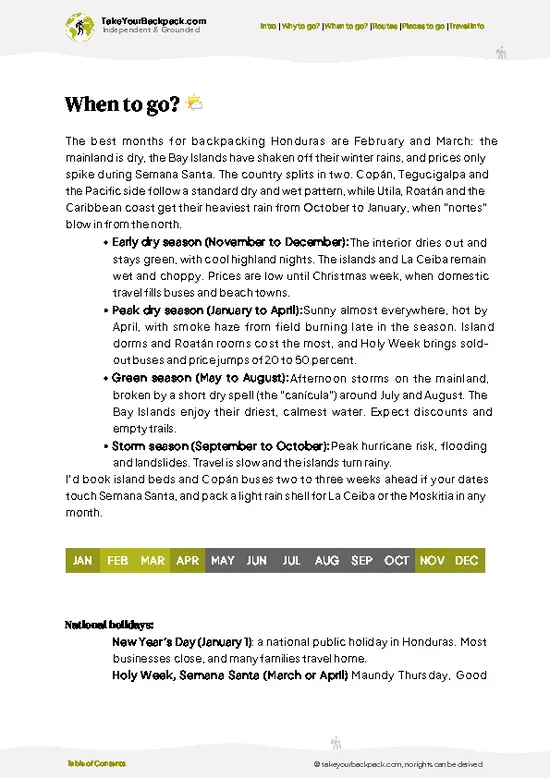
example page 0 from our offline Travel Guide for Honduras
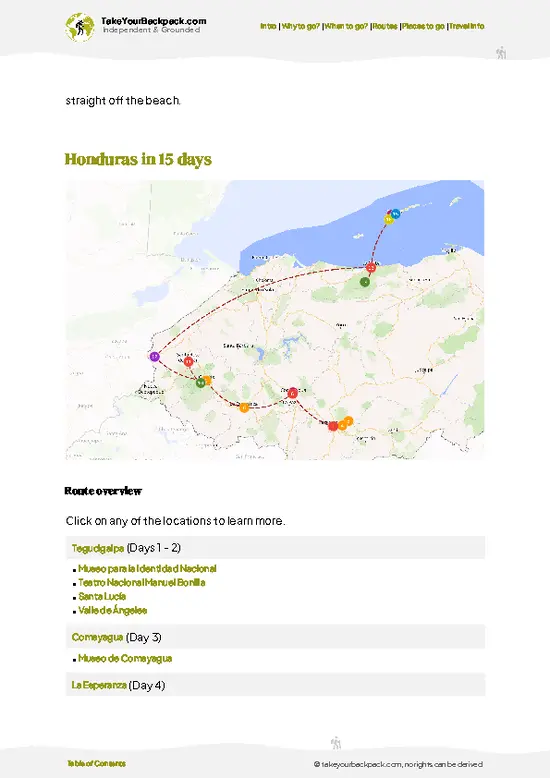
example page 1 from our offline Travel Guide for Honduras
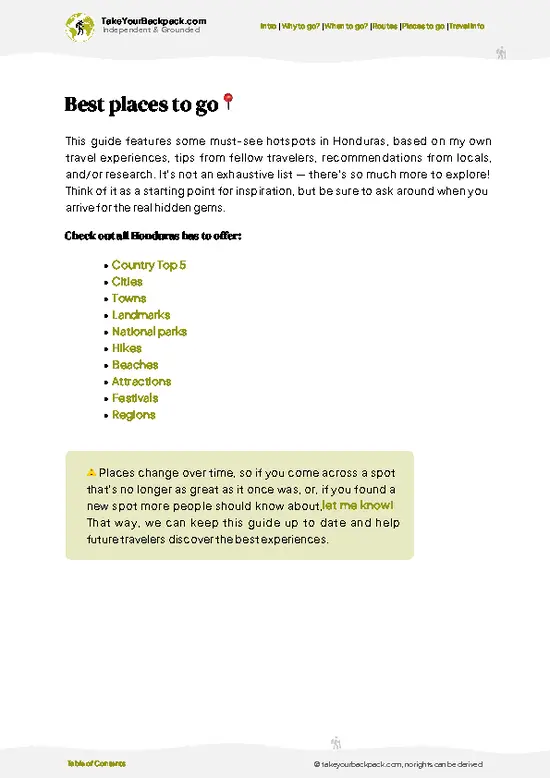
example page 2 from our offline Travel Guide for Honduras
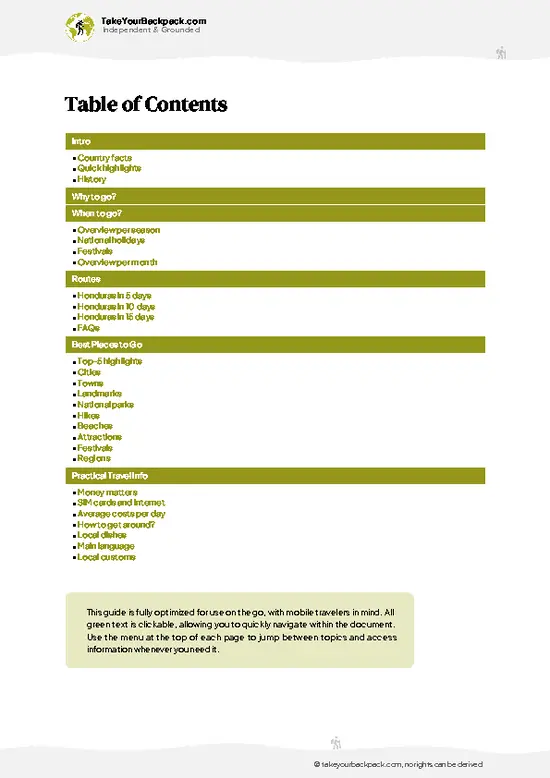
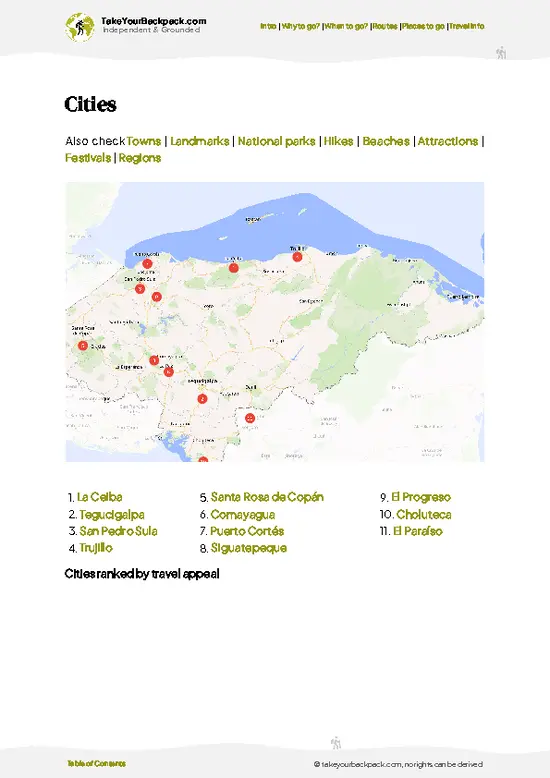
example page 3 from our offline Travel Guide for Honduras
example page 4 from our offline Travel Guide for Honduras
example page 5 from our offline Travel Guide for Honduras
example page 6 from our offline Travel Guide for Honduras
example page 7 from our offline Travel Guide for Honduras
Loading the map 🌍
CLICK TO FILTER
cities
towns
landmarks
national parks
hikes
beaches
attractions
festivals
regions
SHOW COUNTRY’S BESTSHOW ALL

✨ Why go?
Ranked #13 attraction in Honduras
Reasons people choose to visit here

Museo Colonial de Arte Religioso gives you the clearest look at what Comayagua was when it ruled the country. The city was the colonial capital until the government moved to Tegucigalpa in 1880, and the church wealth that built the neighboring cathedral also filled these rooms with imagery. Seeing the objects makes the old center's grid of cobbled streets read as a real seat of power instead of a pretty backdrop. It is also quick and fits easily beside the cathedral and its famous clock, so it adds depth to a Comayagua stop without costing a day. If you are crossing Honduras between the capital and the north coast, this is a cheap, low-effort way to understand why the town still carries so many churches and so much stone.

💡 HighlightsWhat this place is best known for

  1. Colonial religious paintings: Oils on canvas from the colonial period show saints and biblical scenes in a local style, and they are the core reason people come.
  2. Carved wooden altarpieces and statues: Polychrome figures of saints and the Virgin show the skill of colonial workshops, with worn gilding still visible.
  3. Silver and liturgical objects: Chalices, censers and processional pieces show how much wealth the church held in the old capital.
  4. Priestly vestments: Embroidered robes in heavy fabric are displayed up close, so you can see the stitching.
  5. Old church documents and furniture: Chests, chairs and manuscripts give a sense of daily church administration.
  6. The colonial building itself: Thick walls, tiled roofs and wooden doors set the mood before you reach the exhibits.
  7. Views of the Cathedral plaza:
… read more 👉
  1. Colonial religious paintings: Oils on canvas from the colonial period show saints and biblical scenes in a local style, and they are the core reason people come.
  2. Carved wooden altarpieces and statues: Polychrome figures of saints and the Virgin show the skill of colonial workshops, with worn gilding still visible.
  3. Silver and liturgical objects: Chalices, censers and processional pieces show how much wealth the church held in the old capital.
  4. Priestly vestments: Embroidered robes in heavy fabric are displayed up close, so you can see the stitching.
  5. Old church documents and furniture: Chests, chairs and manuscripts give a sense of daily church administration.
  6. The colonial building itself: Thick walls, tiled roofs and wooden doors set the mood before you reach the exhibits.
  7. Views of the Cathedral plaza: Step outside afterward to see the cathedral facade and the plaza at close range.
Start with the paintings, because they set the context that makes the carvings, silver and vestments easier to read.
Spotted a mistake or missing something? Contact us.
Things to do near Museo Colonial de Arte Religioso

Ratings based on Tripadvisor reviews. When you book through this link, you support our work at no extra cost to you.

🌤️ When to go?When to go for the best experience

  • Dry Season (November to April): Comayagua sits at about 550 meters, so days run 28 to 33°C (82 to 91°F) with cool nights near 17°C (63°F). Sunlight lasts roughly 11 to 13 hours, and rain is rare.
  • Holy Week (March or April): The city’s carpet processions draw big crowds from across Honduras. Hotel prices jump and rooms sell out, though the museum sees fewer quiet moments.
  • Wet Season (May to October): Expect afternoon downpours, with highs of 30 to 34°C (86 to 93°F) and humid mornings. Rooms are cheaper and the galleries are nearly empty.
Arrive on a weekday morning outside Holy Week to see the collection without crowds.

source: climatestotravel.comJANJanuary: highly recommended for travelingFEBFebruary: highly recommended for travelingMARMarch: good for travelingAPRApril: good for travelingMAYMay: highly recommended for travelingJUNJune: fair for travelingJULJuly: fair for travelingAUGAugust: fair for travelingSEPSeptember: fair for travelingOCTOctober: highly recommended for travelingNOVNovember: highly recommended for travelingDECDecember: highly recommended for traveling
when-to-go

✈️ The backpacker research shortcutHonduras Travel Guide

An offline-friendly backpacking guide with optimized travel routes, ranked highlights, transport advice, and the best areas to stay.
example page 0 from our offline Travel Guide for Honduras
example page 1 from our offline Travel Guide for Honduras
example page 2 from our offline Travel Guide for Honduras
example page 3 from our offline Travel Guide for Honduras
example page 4 from our offline Travel Guide for Honduras
example page 5 from our offline Travel Guide for Honduras
example page 6 from our offline Travel Guide for Honduras
example page 7 from our offline Travel Guide for Honduras
The digital guide (255 pages) contains:
✅ 70 highlights, ranked by travel appeal
✅ Optimized 5, 10 & 15-day travel routes
✅ Cities, national parks, landmarks, beaches
✅ How to get around
✅ Offline-friendly for travel without Wi-Fi
👉 Click to see all 30+ guide features

📅 Plan smarter in minutes, not weeks
✅ Month by month travel advice
✅ Festivals & national holidays
✅ Budget expectations

🗺️ Go to the right places, skip the overrated ones
✅ Honest pros & cons of destinations
✅ Top hikes, parks & viewpoints
✅ Lesser-known places most travelers miss
✅ Clear “worth it vs skip it” guidance

🛏️ Travel smoothly without rookie mistakes
✅ Best areas to stay
✅ Transport systems explained simply
✅ Common scams & safety advice
✅ SIM cards, money & practical tips

🌍 Understand the country, not just visit it
✅ Culture & traditions
✅ 52 Essential phrases & customs
✅ Festivals worth planning around
✅ Traveler-friendly historical context
✅ Insights that make places more meaningful

📱 Built for real travel conditions
✅ Fully downloadable PDF
✅ Works completely offline
✅ Optimized for phone use
✅ Useful in remote areas & buses
✅ Everything in one place
Stop searching, start planning
Get instant access to your full guide. 30‑day money-back guarantee.
+ Add another guide for just

By proceeding you agree to our terms.
Sent to your inbox immediately after payment • 100% Secure Checkout
Best Backpacking Travel Advisor 2025 tourism awardBest Backpacking
Travel Advisor
2025
What others say about Take Your Backpack Guides:
⭐⭐⭐⭐⭐
Fantastic, amazing amount of information!
⭐⭐⭐⭐⭐
My goodness this is amazing, it's what I've been looking for hats off too you!
⭐⭐⭐⭐⭐
I think this is absolutely BRILLIANT
⭐⭐⭐⭐
Very complete and informative. It's still missing places, but I gotta to commend you
⭐⭐⭐⭐⭐
This is truly amazing, thank you, can't wait to explore it with my kids!
⭐⭐⭐⭐⭐
Awesome resource, thank you!
⭐⭐⭐⭐⭐
This is amazing! Can't wait to explore the ones I haven't seen
⭐⭐⭐⭐
I love this! Well done, great idea.
⭐⭐⭐⭐⭐
Thanks for taking the time to make this gem!
⭐⭐⭐⭐⭐
This might be the best website I've ever seen.
⭐⭐⭐⭐⭐
Congratulations, and thank you so much for your work; it's incredibly valuable.
⭐⭐⭐⭐
In all seriousness I think you did a great job pointing out the important spots
⭐⭐⭐⭐⭐
10/10 very good
⭐⭐⭐⭐⭐
As someone who's only just starting to visit regularly this is awesome, thank you.
⭐⭐⭐⭐
Thank you very much! I'm going to visit my dad, it's going to be very useful!
⭐⭐⭐⭐⭐
This is really cool! We'll be travelling for the first time and this definitely come in handy.
⭐⭐⭐⭐⭐
You are now our minister of culture, congratulations 👨‍💼
⭐⭐⭐⭐⭐
Just wanted to tell you that this is a pearl! Going to follow your recommendations.
⭐⭐⭐⭐⭐
This is so cool. I'll definitely be using the resource for my travels soon.
⭐⭐⭐⭐⭐
This is very impressive! Good work.
⭐⭐⭐⭐⭐
This is an amazing and informative site. Very well done!

🛏️ Where to stay?Best areas and accommodation options

The streets around Parque Central in Comayagua’s historic center are the best base, because the museum, the cathedral and the clock tower are all a few minutes’ walk apart. Budget guesthouses and small hostels cluster within four or five blocks of the plaza, and the area is lively and well lit until late evening. Solo travelers find it easy to meet others in the plaza cafes and at the nearby food stalls. Staying here means you can leave bags, wander out in the cool of the morning, and return for a midday rest. The blocks near the main market are cheaper but noisier, and I would skip them after … read more 👉
The streets around Parque Central in Comayagua’s historic center are the best base, because the museum, the cathedral and the clock tower are all a few minutes’ walk apart. Budget guesthouses and small hostels cluster within four or five blocks of the plaza, and the area is lively and well lit until late evening. Solo travelers find it easy to meet others in the plaza cafes and at the nearby food stalls. Staying here means you can leave bags, wander out in the cool of the morning, and return for a midday rest. The blocks near the main market are cheaper but noisier, and I would skip them after dark. Comayagua has few dedicated backpacker hostels, so book ahead in Holy Week. Most travelers on the Tegucigalpa to San Pedro Sula route stop here for one night.

👛 Costs (as of 23 October 2026)Travel costs and budget guide for Museo Colonial de Arte Religioso

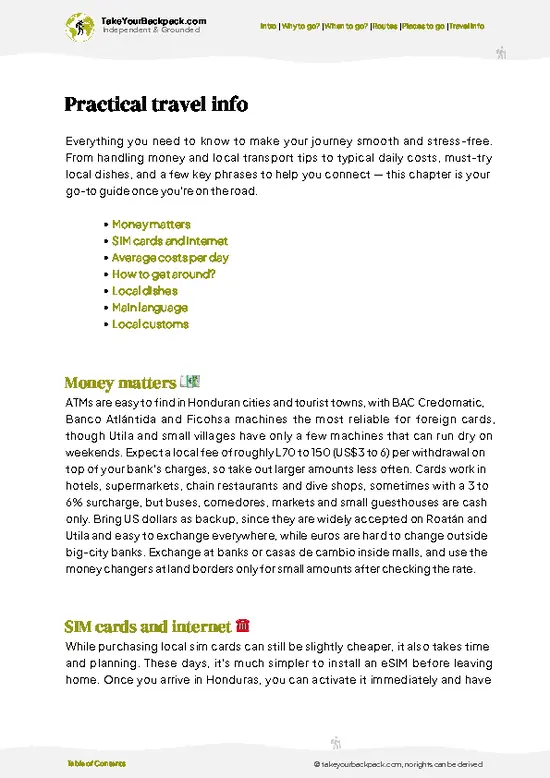
Budget about US$30 to 45 a day in Comayagua, including a visit to Museo Colonial de Arte Religioso.
CategoryBudget RangeLocal Reality
Museum entryUS$2 to 4Foreign visitors pay a little more than Hondurans, in cash.
Other sightsUS$1 to 5The cathedral and clock tower charge small fees, and the plaza is free.
Accommodation (high season)US$12 to 25Dorm beds or simple private rooms near Parque Central.
FoodUS$6 to 12Baleadas cost US$1 to 2, and set lunches (comida corriente) US$3 to 5.
Local transportUS$1 to 3Mototaxis and short taxi rides within the center. Most sights are walkable.
Total Daily BudgetUS$30 to 45Per person, per day, in high season.
⚠️ Prices can change and everyone travels differently, so take this as a rough guide. Hope it helps you plan your adventure!

FAQTraveler FAQ

Allow 1 to 2 hours for Museo Colonial de Arte Religioso, and half a day if you add the cathedral, the clock tower and the plaza. Most travelers spend one night in Comayagua, which lets you see the historic center at a relaxed pace. The collection of religious art is compact, so the visit is rarely rushed.
Museo Colonial de Arte Religioso is worth the small fee of roughly US$2 to 4 if you like colonial history and religious art. It holds paintings, sculptures and church objects from Comayagua’s time as Honduras’s capital. With a short visit and a cheap ticket, it is good value, especially alongside the cathedral.
Museo Colonial de Arte Religioso is in the center of Comayagua, about 1.5 to 2 hours by road from Tegucigalpa and 2.5 to 3 hours from San Pedro Sula. Direct buses and shuttles run from both cities for roughly US$3 to 8. Once in town, the museum is a short walk from Parque Central.
⚠️ Things can change over time, so always validate details locally before you go.

Other Honduran attractions near Museo Colonial de Arte Religioso

Explore more nearby:


💡 Not sure where to go next?
Create a personalized itinerary for Honduras including Museo Colonial de Arte Religioso and the places that fit your trip.

Generate my itinerary

👉 Discover all attractions

Or checkout all Honduras has to offer (think cities, towns, villages, national parks, hikes, beaches, festivals)
Country photo of Honduras

We 💚 feedbackFinal thoughts on visiting Museo Colonial de Arte Religioso

Museo Colonial de Arte Religioso needs about an hour, and it is best split with a slow loop around the plaza so the objects connect to the buildings. If you stay in Comayagua overnight, visit in the morning before the heat and tour groups. I would not plan a full day around it.

✈️ When did I visit Honduras?
Honduras I visited during my half year trip through South and Central America back in 2003

✍️ Help improve this page!
The information on this page is based on my own backpacking experience in Honduras, supplemented with up-to-date research and feedback from other travelers. Travel details can change, so if you notice anything outdated or incomplete, feel free to let me know.


🙋‍♂️ Give feedback

👋 Meet the founderWho’s Behind Take Your Backpack?

Johan, backpacker and founder of TakeYourBackpackHi, I’m Johan (Netherlands 🇳🇱), the creator of TakeYourBackpack. Over the past 3 decades, I’ve backpacked through 90+ countries across six continents, gaining extensive experience with independent travel, long-term trips, and overland routes.

This site is built on a combination of firsthand travel experience and carefully curated insights from other backpackers. Many guides are based on places I’ve personally visited, while others bring together tips, observations, and practical advice shared by trusted travelers I’ve met along the way.

The goal is to provide realistic, experience-driven guidance — not generic itineraries — so you can explore destinations with better context, clearer expectations, and more confidence.