v2.webp)
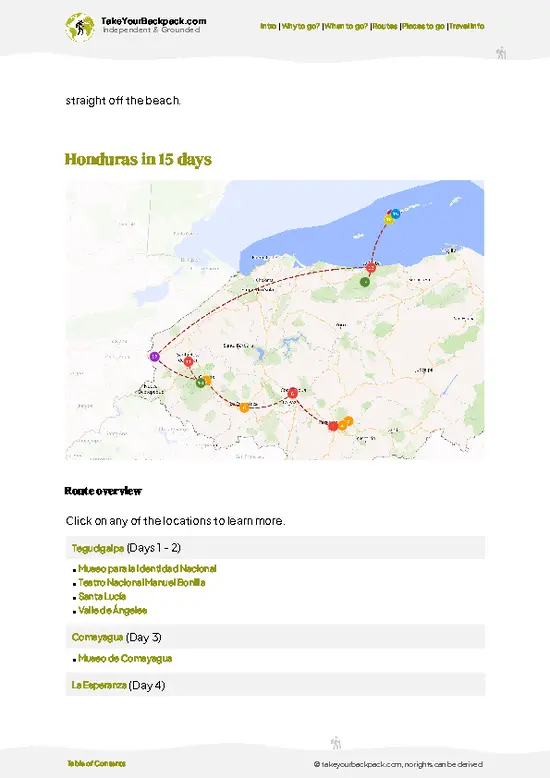
The Rosalila Temple Replica
Here’s the real showstopper: a full-scale, color-soaked replica of the Rosalila Temple, unearthed intact beneath Copán’s acropolis. Instagram doesn’t do this justice—this is not some faded ruin, but a riot of red, green, and purple, reconstructed with obsessive detail. You get to walk around it, eye-level with the same jaguar masks and mythic glyphs the Maya saw 1,400 years ago. The original is sealed underground, so this is as close as you’ll ever get to time travel in Honduras. If you only have 10 minutes, make them count here. (Personal favorite—no contest.)
The Stelae Hall
Forget the postcard shots of Copán’s stelae baking in the sun. The museum’s Stelae Hall brings these monolithic sculptures indoors, where you can actually see the intricate faces, glyphs, … read more 👉
Here’s the real showstopper: a full-scale, color-soaked replica of the Rosalila Temple, unearthed intact beneath Copán’s acropolis. Instagram doesn’t do this justice—this is not some faded ruin, but a riot of red, green, and purple, reconstructed with obsessive detail. You get to walk around it, eye-level with the same jaguar masks and mythic glyphs the Maya saw 1,400 years ago. The original is sealed underground, so this is as close as you’ll ever get to time travel in Honduras. If you only have 10 minutes, make them count here. (Personal favorite—no contest.)
The Stelae Hall
Forget the postcard shots of Copán’s stelae baking in the sun. The museum’s Stelae Hall brings these monolithic sculptures indoors, where you can actually see the intricate faces, glyphs, … read more 👉
The Rosalila Temple Replica
Here’s the real showstopper: a full-scale, color-soaked replica of the Rosalila Temple, unearthed intact beneath Copán’s acropolis. Instagram doesn’t do this justice—this is not some faded ruin, but a riot of red, green, and purple, reconstructed with obsessive detail. You get to walk around it, eye-level with the same jaguar masks and mythic glyphs the Maya saw 1,400 years ago. The original is sealed underground, so this is as close as you’ll ever get to time travel in Honduras. If you only have 10 minutes, make them count here. (Personal favorite—no contest.)
The Stelae Hall
Forget the postcard shots of Copán’s stelae baking in the sun. The museum’s Stelae Hall brings these monolithic sculptures indoors, where you can actually see the intricate faces, glyphs, and battle scars up close. Each stela is a biography in stone—kings, gods, and cosmic events, all carved with a precision that makes you question your own handwriting. The lighting is deliberate, the atmosphere hushed. You’ll finally understand why Copán’s artists were the Renaissance painters of the Maya world.
The Hieroglyphic Stairway Fragments
The original Hieroglyphic Stairway is outside, battered by centuries of rain and tourists. But inside the museum, you’ll find fragments and casts that let you study the world’s longest Maya text without squinting or dodging selfie sticks. This is where the real decoding happens. You can trace the rise and fall of Copán’s dynasty, glyph by glyph, and see the obsessive detail that made this city the intellectual capital of the Maya.
Burial Offerings and Jade Artifacts
Here’s where the museum gets personal. The burial offerings—obsidian blades, jade jewelry, shell mosaics—aren’t just pretty objects. They’re the emotional core of Copán’s story. These are the things people clung to in life and death, and you can feel the weight of that devotion. The jade pieces, in particular, glow with a green so deep it almost looks artificial. It’s a reminder that the Maya didn’t just build monuments; they built meaning.
Macaw Sculpture Gallery
Copán is famous for its scarlet macaws, and the museum’s collection of macaw-themed sculptures is a quirky, joyful tribute. These aren’t just decorative birds—they’re cosmic messengers, woven into the city’s mythology. The detail is wild: feathers, beaks, even the attitude. If you’ve seen the real birds flying overhead at the ruins, you’ll appreciate the ancient artists’ sense of humor and reverence.
Entrance Tunnel Experience
The museum doesn’t do grand facades. Instead, you enter through a tunnel that mimics the ancient passageways beneath Copán’s temples. It’s dark, echoing, and a little claustrophobic—on purpose. This isn’t just a gimmick; it’s a sensory reset. You leave the modern world behind and step into the Maya underworld, primed for everything that follows. It’s the rare museum entrance that actually earns its drama.
Here’s the real showstopper: a full-scale, color-soaked replica of the Rosalila Temple, unearthed intact beneath Copán’s acropolis. Instagram doesn’t do this justice—this is not some faded ruin, but a riot of red, green, and purple, reconstructed with obsessive detail. You get to walk around it, eye-level with the same jaguar masks and mythic glyphs the Maya saw 1,400 years ago. The original is sealed underground, so this is as close as you’ll ever get to time travel in Honduras. If you only have 10 minutes, make them count here. (Personal favorite—no contest.)
The Stelae Hall
Forget the postcard shots of Copán’s stelae baking in the sun. The museum’s Stelae Hall brings these monolithic sculptures indoors, where you can actually see the intricate faces, glyphs, and battle scars up close. Each stela is a biography in stone—kings, gods, and cosmic events, all carved with a precision that makes you question your own handwriting. The lighting is deliberate, the atmosphere hushed. You’ll finally understand why Copán’s artists were the Renaissance painters of the Maya world.
The Hieroglyphic Stairway Fragments
The original Hieroglyphic Stairway is outside, battered by centuries of rain and tourists. But inside the museum, you’ll find fragments and casts that let you study the world’s longest Maya text without squinting or dodging selfie sticks. This is where the real decoding happens. You can trace the rise and fall of Copán’s dynasty, glyph by glyph, and see the obsessive detail that made this city the intellectual capital of the Maya.
Burial Offerings and Jade Artifacts
Here’s where the museum gets personal. The burial offerings—obsidian blades, jade jewelry, shell mosaics—aren’t just pretty objects. They’re the emotional core of Copán’s story. These are the things people clung to in life and death, and you can feel the weight of that devotion. The jade pieces, in particular, glow with a green so deep it almost looks artificial. It’s a reminder that the Maya didn’t just build monuments; they built meaning.
Macaw Sculpture Gallery
Copán is famous for its scarlet macaws, and the museum’s collection of macaw-themed sculptures is a quirky, joyful tribute. These aren’t just decorative birds—they’re cosmic messengers, woven into the city’s mythology. The detail is wild: feathers, beaks, even the attitude. If you’ve seen the real birds flying overhead at the ruins, you’ll appreciate the ancient artists’ sense of humor and reverence.
Entrance Tunnel Experience
The museum doesn’t do grand facades. Instead, you enter through a tunnel that mimics the ancient passageways beneath Copán’s temples. It’s dark, echoing, and a little claustrophobic—on purpose. This isn’t just a gimmick; it’s a sensory reset. You leave the modern world behind and step into the Maya underworld, primed for everything that follows. It’s the rare museum entrance that actually earns its drama.
Spotted a mistake or missing something? Contact us.

 Best Backpacking
.jpg) Hi, I’m Johan (Netherlands 🇳🇱), the creator of TakeYourBackpack. Over the past 3 decades, I’ve backpacked through 90+ countries across six continents, gaining extensive experience with independent travel, long-term trips, and overland routes.
Hi, I’m Johan (Netherlands 🇳🇱), the creator of TakeYourBackpack. Over the past 3 decades, I’ve backpacked through 90+ countries across six continents, gaining extensive experience with independent travel, long-term trips, and overland routes.