
The Original Stelae Hall
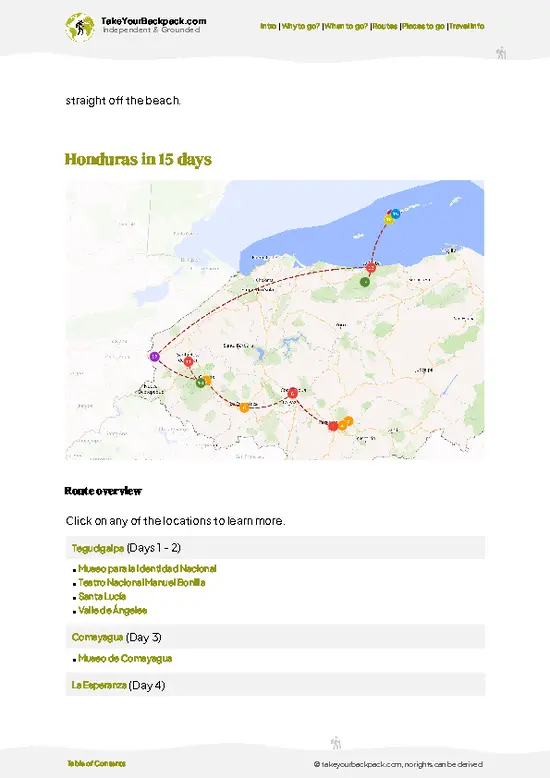
Forget the Instagrammed ruins outside for a second. This is where the real faces of Copán live. The Stelae Hall isn’t just a lineup of old rocks—it’s a parade of ancient Maya rulers, each carved with a level of detail that makes you feel like you’re staring down a 1,300-year-old political campaign poster. The lighting is deliberate, the shadows dramatic. You get close enough to see the chisel marks, the chipped noses, the glyphs that still defy translation. This is the only place you can study these originals up close, safe from the elements and the selfie-stick crowd. If you want to understand Copán’s soul, start here.
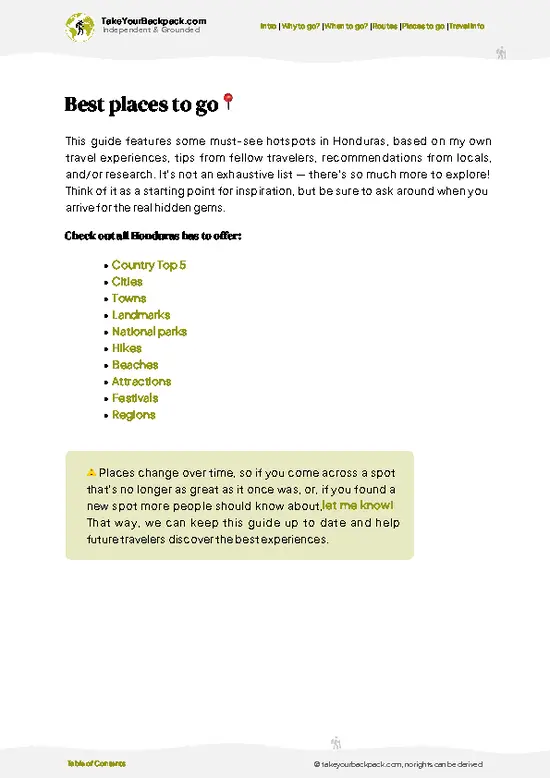
The Rosalila Temple Replica
Here’s the plot twist: the most spectacular temple at Copán isn’t above ground. The real Rosalila is buried, preserved like … read more 👉
Forget the Instagrammed ruins outside for a second. This is where the real faces of Copán live. The Stelae Hall isn’t just a lineup of old rocks—it’s a parade of ancient Maya rulers, each carved with a level of detail that makes you feel like you’re staring down a 1,300-year-old political campaign poster. The lighting is deliberate, the shadows dramatic. You get close enough to see the chisel marks, the chipped noses, the glyphs that still defy translation. This is the only place you can study these originals up close, safe from the elements and the selfie-stick crowd. If you want to understand Copán’s soul, start here.
The Rosalila Temple Replica
Here’s the plot twist: the most spectacular temple at Copán isn’t above ground. The real Rosalila is buried, preserved like … read more 👉
The Original Stelae Hall
Forget the Instagrammed ruins outside for a second. This is where the real faces of Copán live. The Stelae Hall isn’t just a lineup of old rocks—it’s a parade of ancient Maya rulers, each carved with a level of detail that makes you feel like you’re staring down a 1,300-year-old political campaign poster. The lighting is deliberate, the shadows dramatic. You get close enough to see the chisel marks, the chipped noses, the glyphs that still defy translation. This is the only place you can study these originals up close, safe from the elements and the selfie-stick crowd. If you want to understand Copán’s soul, start here.
The Rosalila Temple Replica
Here’s the plot twist: the most spectacular temple at Copán isn’t above ground. The real Rosalila is buried, preserved like a time capsule, but the museum’s full-scale replica is a showstopper. It’s not just a model—it’s a technicolor, three-dimensional immersion into the Maya mind. The colors are wild: magenta, jade, ochre. The stucco masks and mythic creatures leap out at you. This is the closest you’ll get to seeing a Maya temple the way its builders intended—loud, proud, and unapologetically theatrical. It’s pure entertainment, ancient-style.
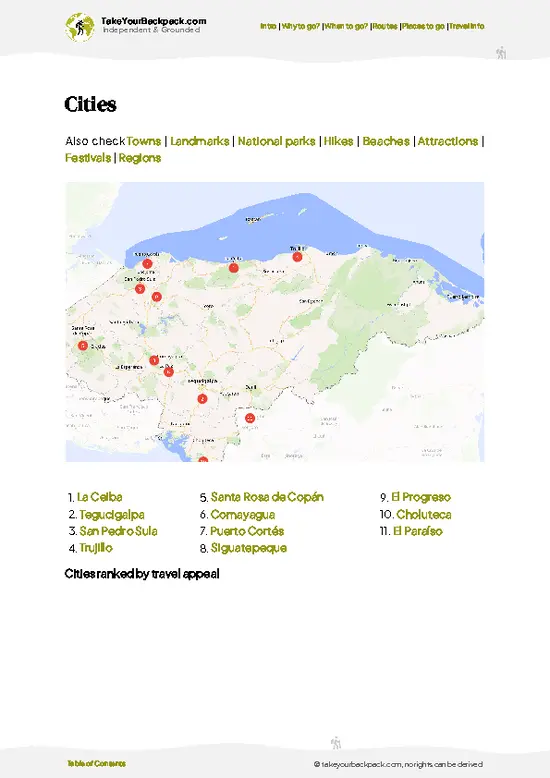
The Ballcourt Markers
You’ve seen ballcourts at every Maya site, but Copán’s markers are in a league of their own. The originals are here, not out in the rain. They’re carved with macaw heads—Copán’s sacred bird—each one a little different, like a set of collectible action figures. The detail is so sharp you can almost imagine the thud of the rubber ball, the shouts of the players, the stakes (which, let’s be honest, were sometimes life or death). It’s a direct line to the drama of Maya sport, minus the sunburn.
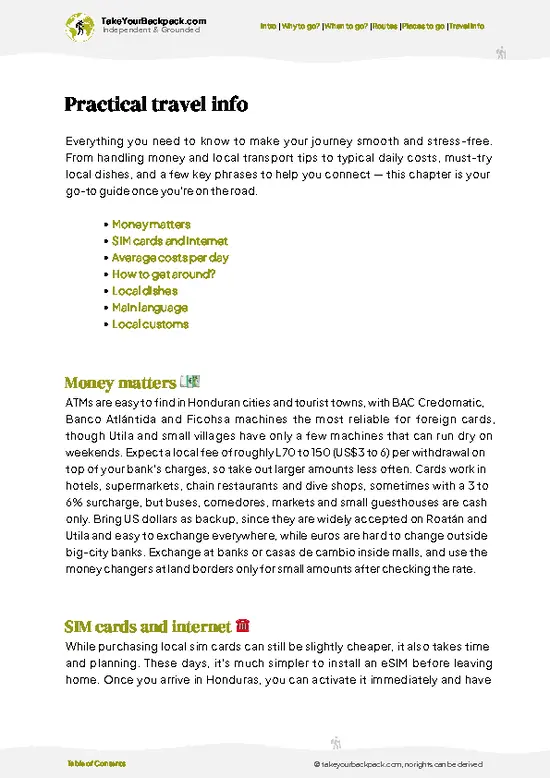
The Hieroglyphic Stairway Models
The real stairway outside is a crumbling, roped-off mystery. Inside, the museum’s models and casts let you actually read the story—if you can decipher Maya glyphs, that is. Even if you can’t, you’ll get a sense of the ambition: 2,000 glyphs, the longest Maya text in existence, all stacked up like a stone comic strip. It’s a reminder that Copán wasn’t just about monuments; it was about storytelling on a grand, almost obsessive scale.
The Sculpture Workshops
This is my personal favorite. Tucked in the back, you’ll find the tools, half-finished pieces, and even the stone dust from ancient Maya sculptors. It’s not glamorous, but it’s real. You see the process—the mistakes, the practice runs, the human hands behind the masterpieces. It’s the antidote to the myth of the Maya as faceless, mystical artisans. Here, they’re just people, sweating over a block of stone, trying to make something that lasts. That’s the magic you won’t find in any filtered photo.
Forget the Instagrammed ruins outside for a second. This is where the real faces of Copán live. The Stelae Hall isn’t just a lineup of old rocks—it’s a parade of ancient Maya rulers, each carved with a level of detail that makes you feel like you’re staring down a 1,300-year-old political campaign poster. The lighting is deliberate, the shadows dramatic. You get close enough to see the chisel marks, the chipped noses, the glyphs that still defy translation. This is the only place you can study these originals up close, safe from the elements and the selfie-stick crowd. If you want to understand Copán’s soul, start here.
The Rosalila Temple Replica
Here’s the plot twist: the most spectacular temple at Copán isn’t above ground. The real Rosalila is buried, preserved like a time capsule, but the museum’s full-scale replica is a showstopper. It’s not just a model—it’s a technicolor, three-dimensional immersion into the Maya mind. The colors are wild: magenta, jade, ochre. The stucco masks and mythic creatures leap out at you. This is the closest you’ll get to seeing a Maya temple the way its builders intended—loud, proud, and unapologetically theatrical. It’s pure entertainment, ancient-style.
The Ballcourt Markers
You’ve seen ballcourts at every Maya site, but Copán’s markers are in a league of their own. The originals are here, not out in the rain. They’re carved with macaw heads—Copán’s sacred bird—each one a little different, like a set of collectible action figures. The detail is so sharp you can almost imagine the thud of the rubber ball, the shouts of the players, the stakes (which, let’s be honest, were sometimes life or death). It’s a direct line to the drama of Maya sport, minus the sunburn.
The Hieroglyphic Stairway Models
The real stairway outside is a crumbling, roped-off mystery. Inside, the museum’s models and casts let you actually read the story—if you can decipher Maya glyphs, that is. Even if you can’t, you’ll get a sense of the ambition: 2,000 glyphs, the longest Maya text in existence, all stacked up like a stone comic strip. It’s a reminder that Copán wasn’t just about monuments; it was about storytelling on a grand, almost obsessive scale.
The Sculpture Workshops
This is my personal favorite. Tucked in the back, you’ll find the tools, half-finished pieces, and even the stone dust from ancient Maya sculptors. It’s not glamorous, but it’s real. You see the process—the mistakes, the practice runs, the human hands behind the masterpieces. It’s the antidote to the myth of the Maya as faceless, mystical artisans. Here, they’re just people, sweating over a block of stone, trying to make something that lasts. That’s the magic you won’t find in any filtered photo.
Spotted a mistake or missing something? Contact us.
v2.webp)

Best Backpacking
Hi, I’m Johan (Netherlands 🇳🇱), the creator of TakeYourBackpack. Over the past decade, I’ve backpacked through 80+ countries across six continents, gaining extensive experience with independent travel, long-term trips, and overland routes.