
×

Honduras🇭🇳 | townsUtilaDive shops, iguana station, front street, ferry pier | things to do and best time to go

Explore OmoaExplore La Esperanza

Backpacking in Utila
🏆 Top picktown ranked #2
By Johan Kruseman 🇳🇱 | Updated October 23, 2026

The decision most travelers face is whether to take a dive course, and what tips it is simple: if you won’t spend real time underwater, Utila is an expensive island for what you get on land. It sits in the north of Honduras, in the Bay Islands off the Caribbean coast, south-west of Roatán. When the ferry docks, the first impression is a single paved waterfront road crowded with scooters, golf carts and dive-shop staff handing out flyers, and you realize the whole town fits on a few streets. Diving, snorkeling and the whale shark season are worth every day you give them. The town itself is not: apart from a small museum, plan on no sightseeing. Beaches near town are narrow, so the better sand lies a ride away. Evenings are sociable, with hostel bars and dive crews at shared tables, so meeting people takes no effort. Bring cash, since many small places don’t take cards.

Discover everything you want to know in the 📖 Honduras Travel Guide.


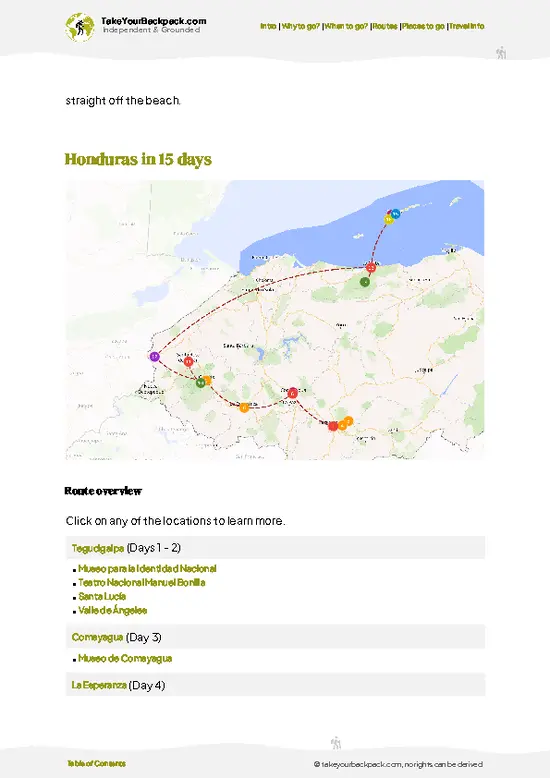
example page 0 from our offline Travel Guide for Honduras
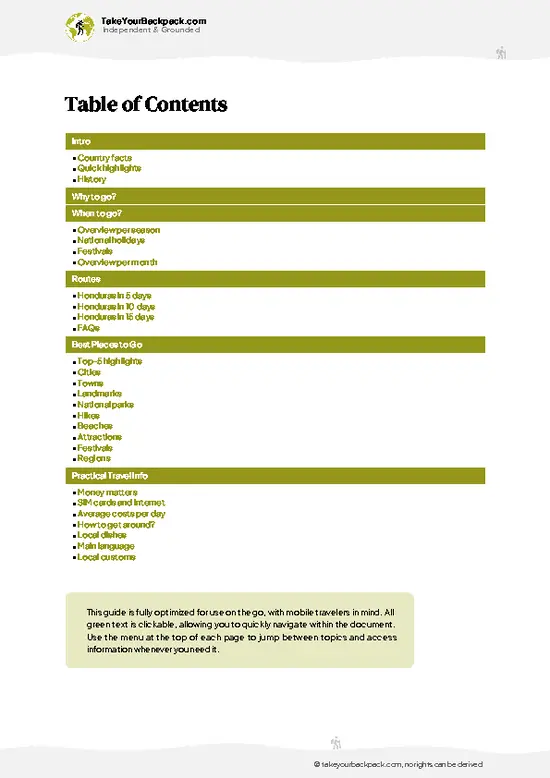
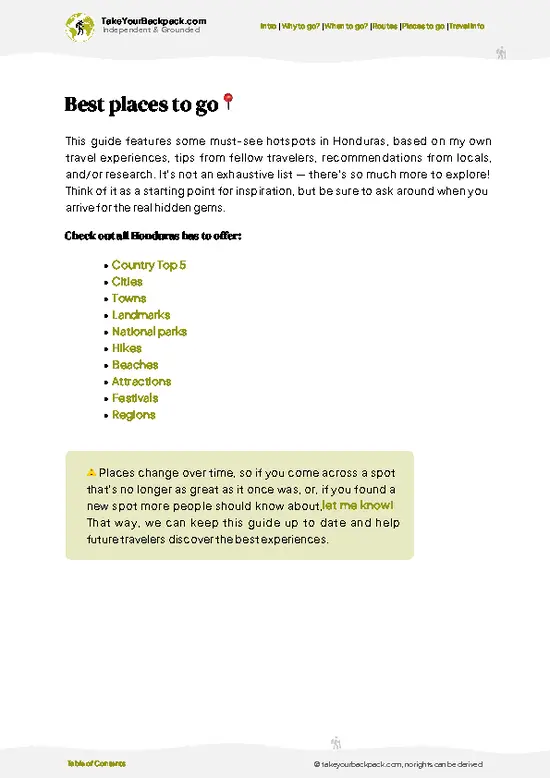
example page 1 from our offline Travel Guide for Honduras
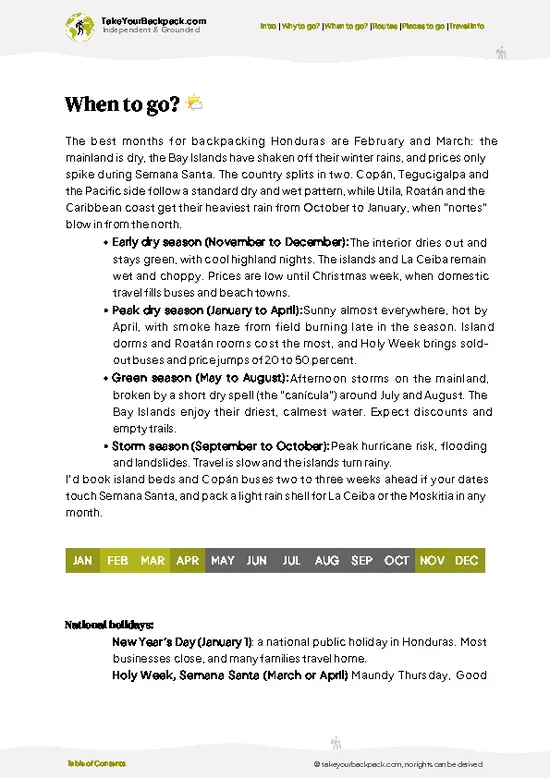
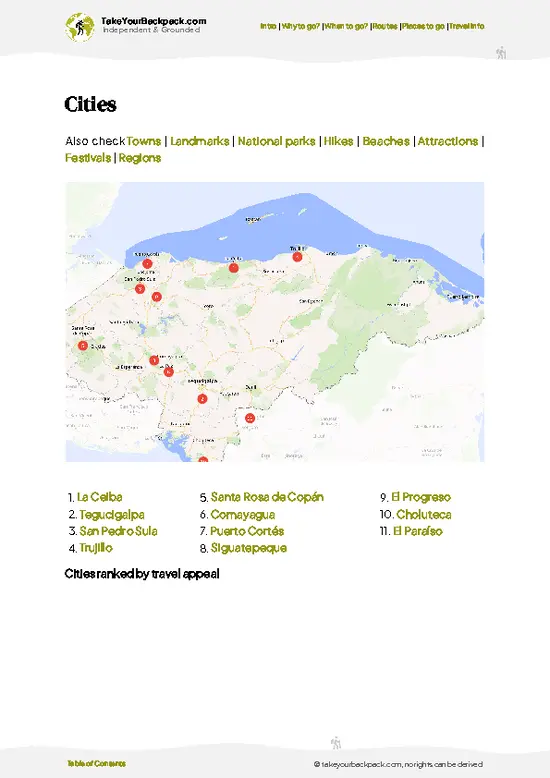
example page 2 from our offline Travel Guide for Honduras
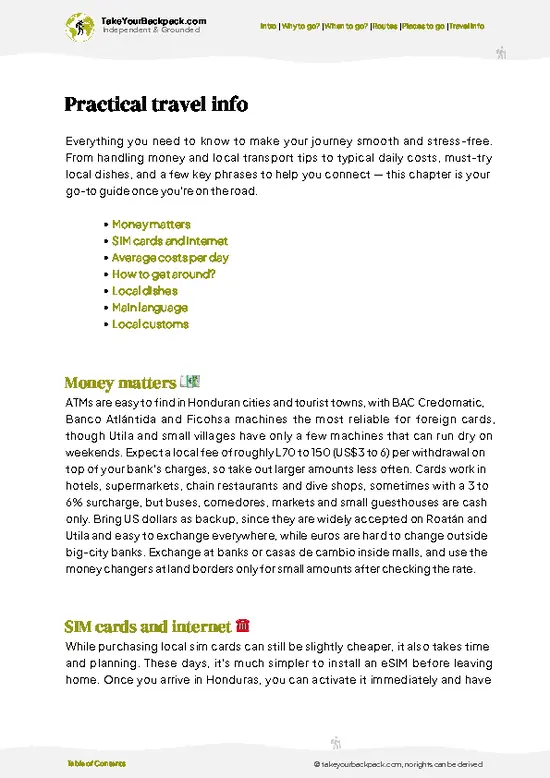
example page 3 from our offline Travel Guide for Honduras
example page 4 from our offline Travel Guide for Honduras
example page 5 from our offline Travel Guide for Honduras
example page 6 from our offline Travel Guide for Honduras
example page 7 from our offline Travel Guide for Honduras
Loading the map 🌍
CLICK TO FILTER
cities
towns
landmarks
national parks
hikes
beaches
attractions
festivals
regions
SHOW COUNTRY’S BESTSHOW ALL

✨ Why go?
Ranked #2 town in Honduras
The unique appeal for travelers

Utila is where backpackers come to learn to dive without paying resort prices, and that single fact shapes the whole stay. The island sits off Honduras’s north coast, and the main settlement of East Harbour is a single strip of waterfront road with dive shops, hostels, bakeries and bars within a ten-minute walk of each other. Most people arrive planning three nights and end up with ten, usually because an Open Water certification takes three to four days and the fun dives keep stacking up afterward. Whale shark sightings happen offshore, most often around March and April, and the reef is close enough that boats leave after a short ride. Dorms are social, and dive classes hand you an instant group to eat with, so solo travelers meet people fast. Evenings are easygoing, with a few bars that … read more 👉
Utila is where backpackers come to learn to dive without paying resort prices, and that single fact shapes the whole stay. The island sits off Honduras’s north coast, and the main settlement of East Harbour is a single strip of waterfront road with dive shops, hostels, bakeries and bars within a ten-minute walk of each other. Most people arrive planning three nights and end up with ten, usually because an Open Water certification takes three to four days and the fun dives keep stacking up afterward. Whale shark sightings happen offshore, most often around March and April, and the reef is close enough that boats leave after a short ride. Dorms are social, and dive classes hand you an instant group to eat with, so solo travelers meet people fast. Evenings are easygoing, with a few bars that fill on set nights. Skip Utila if you dislike sand flies or have no interest in the water, because the island has no big sights on land. Come if you want to settle in, learn something, and wander by bicycle or on foot.

💡 HighlightsEssential experiences to have while visiting Utila

  1. Diving the Utila reefs: The island’s reputation rests on this. Visibility is usually good and the reef walls and the Halliburton wreck are the favorites. A fun dive runs about US$35 to 45, and an Open Water course costs roughly US$300 to 400 over three to four days. Go in the morning when boats leave early, and expect two to four hours per outing.
  2. Utila Iguana Station: A small research and breeding center for the endangered Utila spiny-tailed iguana, found only on this island. Guides explain the local mangrove ecosystem and you can see the animals up close. Entry is around US$10 to 15 and a visit takes about an hour. Mornings are quieter and the animals are more active.
  3. Pumpkin Hill Beach: A quiet beach on the island’s north side, reached by bike or scooter along a dirt road. A small cave nearby
… read more 👉
  1. Diving the Utila reefs: The island’s reputation rests on this. Visibility is usually good and the reef walls and the Halliburton wreck are the favorites. A fun dive runs about US$35 to 45, and an Open Water course costs roughly US$300 to 400 over three to four days. Go in the morning when boats leave early, and expect two to four hours per outing.
  2. Utila Iguana Station: A small research and breeding center for the endangered Utila spiny-tailed iguana, found only on this island. Guides explain the local mangrove ecosystem and you can see the animals up close. Entry is around US$10 to 15 and a visit takes about an hour. Mornings are quieter and the animals are more active.
  3. Pumpkin Hill Beach: A quiet beach on the island’s north side, reached by bike or scooter along a dirt road. A small cave nearby is linked to pirate stories. Free to visit. Allow two to three hours including the ride, and bring water and insect repellent. Late afternoon is pleasant.
  4. Stuart Hill: A short, steep walk from town up a low hill, with views over the harbor, the mangroves and the reef line. Free and about one hour round trip. Early morning is best, before the climb gets hot and while the light is soft.
  5. Kanahau museum: A small museum on Mamey Lane in town, run by the Kanahau research and conservation group, with natural, cultural and historical exhibits from the island. You need 30 to 45 minutes. Good for a midday break when the sun is at its strongest.
Utila also has easy boat trips to Water Cay, a tiny palm-fringed islet with clear shallow water, and to the Turtle Harbour Wildlife Refuge on the north shore, where mangroves and quiet bays are best explored by kayak or boat.
Diving is the one to do first, even if it is just a single fun dive, because the reef is the reason the island exists.
Spotted a mistake or missing something? Contact us.

Things to do near Utila

Ratings based on Tripadvisor reviews. When you book through this link, you support our work at no extra cost to you.

🏘️ NeighborhoodsKey areas and districts to know

Utila is small enough that three areas cover everything, and only two deserve real time.
  • Main Street (Down Town): The one paved-ish strip along the waterfront, running from the ferry dock past dive shops, bakeries, the supermarket and cheap comedores. Spend your time here. Baleadas and fried fish plates are the staples, and a walk end to end takes about 15 minutes. Nights are social but low-key, with bars filling up on weekends.
  • Cola de Mico (Monkey Tail): The short road that runs up from the municipal dock, lined with wooden houses, small cafes and quieter dive operators. It is worth an evening wander, and it starts about 5 minutes on foot from the dock. Nothing here is a headline sight, but it is calmer.
  • Sandy Bay and the West End: Fishing houses and patches of mangrove, mostly residential.
… read more 👉
Utila is small enough that three areas cover everything, and only two deserve real time.
  • Main Street (Down Town): The one paved-ish strip along the waterfront, running from the ferry dock past dive shops, bakeries, the supermarket and cheap comedores. Spend your time here. Baleadas and fried fish plates are the staples, and a walk end to end takes about 15 minutes. Nights are social but low-key, with bars filling up on weekends.
  • Cola de Mico (Monkey Tail): The short road that runs up from the municipal dock, lined with wooden houses, small cafes and quieter dive operators. It is worth an evening wander, and it starts about 5 minutes on foot from the dock. Nothing here is a headline sight, but it is calmer.
  • Sandy Bay and the West End: Fishing houses and patches of mangrove, mostly residential. Skip it unless you are renting a bike for the loop. There is no real nightlife, and the walk is longer and hot at midday.
  • Airport Road and the Cays side: Largely a transit zone. Only the Bando Beach area at the island's eastern point is worth a stop for a swim, and you will get there by bike or taxi rather than on foot.

⌛️ 1 dayHow to make the most of one day

7:30 AM, Bakery on the main road: Start with coffee and a cinnamon roll from one of the waterfront bakeries, because dive boats and tours leave early and the main street is still quiet. Walk along the harbor to watch fishing boats and dive crews loading tanks.
9:00 AM, Chepes Beach: Walk or bike west to the strip of sand at Lower Lagoon. The water is shallow and calm, good for a first swim or snorkel before the sun gets hard. Rent a mask if you did not bring one.
11:30 AM, Iguana Research and Breeding Station: Head back toward town and visit the sanctuary for the endangered Utila spiny-tailed iguana, found only on this island. Staff run a short guided walk through the mangrove enclosures, and it explains why the mangroves matter. Allow about an hour.
1:00 PM, Lunch near the harbor: Eat fish or … read more 👉
7:30 AM, Bakery on the main road: Start with coffee and a cinnamon roll from one of the waterfront bakeries, because dive boats and tours leave early and the main street is still quiet. Walk along the harbor to watch fishing boats and dive crews loading tanks.
9:00 AM, Chepes Beach: Walk or bike west to the strip of sand at Lower Lagoon. The water is shallow and calm, good for a first swim or snorkel before the sun gets hard. Rent a mask if you did not bring one.
11:30 AM, Iguana Research and Breeding Station: Head back toward town and visit the sanctuary for the endangered Utila spiny-tailed iguana, found only on this island. Staff run a short guided walk through the mangrove enclosures, and it explains why the mangroves matter. Allow about an hour.
1:00 PM, Lunch near the harbor: Eat fish or a baleada at a small local spot a block off the main road. Prices are lower there than at the tourist-facing places on the waterfront.
2:30 PM, Pumpkin Hill Beach: Rent a bike and ride east along the dirt road toward the quieter side of the island. The beach is rocky and nearly empty, with a few caves in the hill behind it. Bring water, and keep an eye on the weather because the track gets muddy after rain.
5:00 PM, Sunset on a harbor dock: Return to town and watch the light fade over the water with a cold drink. Locals fish from the docks, and it is an easy place to meet people from your hostel.
7:30 PM, Dinner and a quiet night: Pick a grill or a small kitchen serving fresh seafood, then stroll the main road. If a bar has live music, drop in. Otherwise turn in early, since boats leave early.

🌤️ When to go?Seasonal considerations and timing

February through May is the easiest window for diving and beach days, with calm seas and clear water.
  • Dry Season (February to May): Highs sit around 29 to 31°C (84 to 88°F), seas are flat, and visibility is excellent. Dive shops are busy, and dorm beds and courses cost a little more.
  • Whale Shark Window (March to April, sometimes into May): Sightings are most likely here, which draws extra divers and can push up prices.
  • Rainy Season (October to January): Rain comes in heavy bursts, with temperatures around 26 to 29°C (79 to 84°F). Some days the ferry is canceled, and sandflies are worse on windless evenings. Expect discounts on courses and rooms.
  • Summer (June to September): Hot and humid at 30 to 33°C (86 to 91°F), with a mix of sun and short showers. Crowds are moderate and the water is warm.
Book … read more 👉
February through May is the easiest window for diving and beach days, with calm seas and clear water.
  • Dry Season (February to May): Highs sit around 29 to 31°C (84 to 88°F), seas are flat, and visibility is excellent. Dive shops are busy, and dorm beds and courses cost a little more.
  • Whale Shark Window (March to April, sometimes into May): Sightings are most likely here, which draws extra divers and can push up prices.
  • Rainy Season (October to January): Rain comes in heavy bursts, with temperatures around 26 to 29°C (79 to 84°F). Some days the ferry is canceled, and sandflies are worse on windless evenings. Expect discounts on courses and rooms.
  • Summer (June to September): Hot and humid at 30 to 33°C (86 to 91°F), with a mix of sun and short showers. Crowds are moderate and the water is warm.
Book diving courses a few days ahead in March and April, but leave your onward plans flexible in case rough weather disrupts the ferry.


source: climatestotravel.comJANJanuary: good for travelingFEBFebruary: excellent for travelingMARMarch: excellent for travelingAPRApril: excellent for travelingMAYMay: highly recommended for travelingJUNJune: fair for travelingJULJuly: good for travelingAUGAugust: good for travelingSEPSeptember: fair for travelingOCTOctober: fair for travelingNOVNovember: fair for travelingDECDecember: good for traveling
honduras-city-utila
© Google | Uwe Delau

✈️ The backpacker research shortcutHonduras Travel Guide

An offline-friendly backpacking guide with optimized travel routes, ranked highlights, transport advice, and the best areas to stay.
example page 0 from our offline Travel Guide for Honduras
example page 1 from our offline Travel Guide for Honduras
example page 2 from our offline Travel Guide for Honduras
example page 3 from our offline Travel Guide for Honduras
example page 4 from our offline Travel Guide for Honduras
example page 5 from our offline Travel Guide for Honduras
example page 6 from our offline Travel Guide for Honduras
example page 7 from our offline Travel Guide for Honduras
The digital guide (255 pages) contains:
✅ 70 highlights, ranked by travel appeal
✅ Optimized 5, 10 & 15-day travel routes
✅ Cities, national parks, landmarks, beaches
✅ How to get around
✅ Offline-friendly for travel without Wi-Fi
👉 Click to see all 30+ guide features

📅 Plan smarter in minutes, not weeks
✅ Month by month travel advice
✅ Festivals & national holidays
✅ Budget expectations

🗺️ Go to the right places, skip the overrated ones
✅ Honest pros & cons of destinations
✅ Top hikes, parks & viewpoints
✅ Lesser-known places most travelers miss
✅ Clear “worth it vs skip it” guidance

🛏️ Travel smoothly without rookie mistakes
✅ Best areas to stay
✅ Transport systems explained simply
✅ Common scams & safety advice
✅ SIM cards, money & practical tips

🌍 Understand the country, not just visit it
✅ Culture & traditions
✅ 52 Essential phrases & customs
✅ Festivals worth planning around
✅ Traveler-friendly historical context
✅ Insights that make places more meaningful

📱 Built for real travel conditions
✅ Fully downloadable PDF
✅ Works completely offline
✅ Optimized for phone use
✅ Useful in remote areas & buses
✅ Everything in one place
Stop searching, start planning
Get instant access to your full guide. 30‑day money-back guarantee.
+ Add another guide for just

By proceeding you agree to our terms.
Sent to your inbox immediately after payment • 100% Secure Checkout
Best Backpacking Travel Advisor 2025 tourism awardBest Backpacking
Travel Advisor
2025
What others say about Take Your Backpack Guides:
⭐⭐⭐⭐⭐
Fantastic, amazing amount of information!
⭐⭐⭐⭐⭐
My goodness this is amazing, it's what I've been looking for hats off too you!
⭐⭐⭐⭐⭐
I think this is absolutely BRILLIANT
⭐⭐⭐⭐
Very complete and informative. It's still missing places, but I gotta to commend you
⭐⭐⭐⭐⭐
This is truly amazing, thank you, can't wait to explore it with my kids!
⭐⭐⭐⭐⭐
Awesome resource, thank you!
⭐⭐⭐⭐⭐
This is amazing! Can't wait to explore the ones I haven't seen
⭐⭐⭐⭐
I love this! Well done, great idea.
⭐⭐⭐⭐⭐
Thanks for taking the time to make this gem!
⭐⭐⭐⭐⭐
This might be the best website I've ever seen.
⭐⭐⭐⭐⭐
Congratulations, and thank you so much for your work; it's incredibly valuable.
⭐⭐⭐⭐
In all seriousness I think you did a great job pointing out the important spots
⭐⭐⭐⭐⭐
10/10 very good
⭐⭐⭐⭐⭐
As someone who's only just starting to visit regularly this is awesome, thank you.
⭐⭐⭐⭐
Thank you very much! I'm going to visit my dad, it's going to be very useful!
⭐⭐⭐⭐⭐
This is really cool! We'll be travelling for the first time and this definitely come in handy.
⭐⭐⭐⭐⭐
You are now our minister of culture, congratulations 👨‍💼
⭐⭐⭐⭐⭐
Just wanted to tell you that this is a pearl! Going to follow your recommendations.
⭐⭐⭐⭐⭐
This is so cool. I'll definitely be using the resource for my travels soon.
⭐⭐⭐⭐⭐
This is very impressive! Good work.
⭐⭐⭐⭐⭐
This is an amazing and informative site. Very well done!

🛏️ Where to stay?Best areas to stay in Honduras

The waterfront stretch of Main Street is the best area for a budget bed, because most dive shops, restaurants and the ferry dock are within a five-minute walk. Dorm beds usually run about US$10 to 18 a night, and many dive courses include accommodation discounts, which can bring the price down even further. Competition among hostels is steady, so you can usually find a bed without booking far ahead outside March and April.
Noise is the main thing to weigh here. Rooms facing the main strip can get loud on weekend nights when bars are busy, so ask for a room at the back or an upper floor if you want … read more 👉
The waterfront stretch of Main Street is the best area for a budget bed, because most dive shops, restaurants and the ferry dock are within a five-minute walk. Dorm beds usually run about US$10 to 18 a night, and many dive courses include accommodation discounts, which can bring the price down even further. Competition among hostels is steady, so you can usually find a bed without booking far ahead outside March and April.
Noise is the main thing to weigh here. Rooms facing the main strip can get loud on weekend nights when bars are busy, so ask for a room at the back or an upper floor if you want sleep. Safety at night is generally comfortable along this stretch because it is well populated, though a flashlight helps on unlit sections.
Cola de Mico, the road up from the dock, is the better pick if you want a quieter stay with a calmer social scene. Fewer hostels operate there and the choice is thinner, but nights are peaceful and the walk to the center takes about 5 minutes. Cheap private rooms are easier to find in this area than dorm beds, usually around US$25 to 40. Bikes and taxis make up for the distance.

🚌 Getting aroundHow to get around Utila

Walking, with a rented bicycle for the longer roads, is the easiest way around Utila because the island has no real distances and little traffic. Main Street takes about 15 minutes end to end, and most traffic is golf carts, motorbikes, bikes and the odd pickup. There is no public bus system, so you rely on your own legs, wheels or a taxi.
  • Walking: Free and fast enough for Main Street, Cola de Mico and most dive shops. Carry a flashlight after dark because many side lanes are unlit.
  • Bicycle: Rentals cost about US$5 to 8 a day, and many hostels lend them out. Worth it for Bando Beach, Sandy Bay and the airstrip road. Roads are flat and short, but midday heat is brutal, so ride early or late.
  • Taxi and tuk-tuk style carts: Short rides cost about US$2 to 4 per person, a bit more to the far side of
… read more 👉
Walking, with a rented bicycle for the longer roads, is the easiest way around Utila because the island has no real distances and little traffic. Main Street takes about 15 minutes end to end, and most traffic is golf carts, motorbikes, bikes and the odd pickup. There is no public bus system, so you rely on your own legs, wheels or a taxi.
  • Walking: Free and fast enough for Main Street, Cola de Mico and most dive shops. Carry a flashlight after dark because many side lanes are unlit.
  • Bicycle: Rentals cost about US$5 to 8 a day, and many hostels lend them out. Worth it for Bando Beach, Sandy Bay and the airstrip road. Roads are flat and short, but midday heat is brutal, so ride early or late.
  • Taxi and tuk-tuk style carts: Short rides cost about US$2 to 4 per person, a bit more to the far side of the island. Handy at night or with a big pack, and usually easy to find near the dock. Agree on the price before you get in.
  • Golf cart or scooter rental: Costs about US$30 to 50 a day, which is hard to justify for a small island unless you are splitting it among several people. Skip it if you are alone, because a bike does the job for far less.
  • Ferry and flights to the mainland: The Utila Dream ferry to La Ceiba takes roughly an hour, costs about US$30 to 35 one way, and runs two or three times a day, with morning departures the most reliable. Small flights are quicker but cost about US$80 to 130. The ferry is the right choice for most backpackers, though choppy seas can make it uncomfortable. Sit toward the back and bring a light jacket for the air-conditioning.
  • Water taxis and dive boats: Boats to the Cayos Cochinos or snorkel spots are usually arranged through dive shops or tour operators. Prices depend on the trip, so compare a few quotes before you commit.

👛 Costs (as of 23 October 2026)How expensive it really is

Utila works out to about US$47 to 86 a day for a backpacker who sleeps in a dorm, eats local food and does one or two paid activities, with the total for a high-season day around US$62. Dive courses are the big swing factor, and prices on the island are quoted in US dollars or lempiras (you can pay in either).
CategoryBudget RangeLocal Reality
Dorm accommodationUS$10 to 16 (high season), US$8 to 12 (low season)Dorms with fans or air-conditioning cost more in the December to April peak. Many dive shops bundle free or discounted beds with courses.
MealsUS$14 to 22Baleadas and fried chicken with plantains from street stands run US$2 to 4. Sit-down fish or conch soup meals cost US$8 to 12, and everything is shipped in, so groceries are pricey.
Local transportUS$2 to 6Tuk-tuks and motorbike taxis cost
… read more 👉
Utila works out to about US$47 to 86 a day for a backpacker who sleeps in a dorm, eats local food and does one or two paid activities, with the total for a high-season day around US$62. Dive courses are the big swing factor, and prices on the island are quoted in US dollars or lempiras (you can pay in either).
CategoryBudget RangeLocal Reality
Dorm accommodationUS$10 to 16 (high season), US$8 to 12 (low season)Dorms with fans or air-conditioning cost more in the December to April peak. Many dive shops bundle free or discounted beds with courses.
MealsUS$14 to 22Baleadas and fried chicken with plantains from street stands run US$2 to 4. Sit-down fish or conch soup meals cost US$8 to 12, and everything is shipped in, so groceries are pricey.
Local transportUS$2 to 6Tuk-tuks and motorbike taxis cost about US$1 to 3 a ride. Most of the town is walkable, and bicycles rent for around US$5 to 8 a day.
Basic activities/entry feesUS$15 to 30Fun dives run about US$30 to 40 each, snorkeling trips US$15 to 25, and the Iguana Research and Breeding Station entry is a few dollars. Averaged across a stay, this is the line that varies most.
Miscellaneous expensesUS$6 to 12Covers bottled water, a beer at US$2 to 3, sunscreen, laundry and the marine park or departure fees.
Total Daily BudgetUS$47 to 86About US$62 on a typical high-season day.
You can cut costs by booking a dive course, since many shops include a bed or a discount on accommodation, and by cooking in a hostel kitchen using produce from the town’s small shops.
⚠️ Prices can change and everyone travels differently, so take this as a rough guide. Hope it helps you plan your adventure!

🚌 Day tripsBest day trips from Utila

Utila works better as a base for water-based outings than for land trips, since everything departs from the island's dive shops and docks, and the whole island is small enough to cover within a day.
Whale Shark Snorkeling and Diving:
Boats head out to the north shore reefs where whale sharks feed, with sightings most likely from March to April. Trips take about half a day, with a boat ride of 20 to 40 minutes each way, and cost roughly US$40 to 70 for snorkelers. Many first-timers expect a guaranteed sighting, but these are wild animals and some days bring none.

Bando Beach:
A short bike ride or taxi trip gets you to a private beach with a small entry fee of about US$5 to 10, which often includes a chair or a drink credit. It is a good swimming and snorkeling spot, calmer than Main Street's … read more 👉
Utila works better as a base for water-based outings than for land trips, since everything departs from the island's dive shops and docks, and the whole island is small enough to cover within a day.
Whale Shark Snorkeling and Diving:
Boats head out to the north shore reefs where whale sharks feed, with sightings most likely from March to April. Trips take about half a day, with a boat ride of 20 to 40 minutes each way, and cost roughly US$40 to 70 for snorkelers. Many first-timers expect a guaranteed sighting, but these are wild animals and some days bring none.

Bando Beach:
A short bike ride or taxi trip gets you to a private beach with a small entry fee of about US$5 to 10, which often includes a chair or a drink credit. It is a good swimming and snorkeling spot, calmer than Main Street's rocky waterfront. Go on weekdays to avoid weekend crowds, and bring cash.

Iguana Research and Breeding Station:
This small conservation center up the hill from the town center protects the endangered Utila spiny-tailed iguana. A visit takes about one hour and costs around US$5 to 10, including a guided walk. It is best in the cooler morning hours, and it suits a bike ride from town.

Pumpkin Hill Beach and the East End:
A short walk or ride from the airstrip area leads to Pumpkin Hill, where you can swim, explore a cave and walk the rocky shore. Allow half a day, bring water, and wear sturdy shoes because the coastline is sharp. Low tide and calm weather make it easier.

🛡️ SafetyScams, Hazards, and Annoyances

Utila is broadly safe for backpackers, and most problems come from carelessness rather than crime. Petty theft from unattended bags on the beach or from unlocked dorm lockers is the most common issue, so use a padlock and keep valuables out of sight. Walk with a flashlight after dark, especially on side lanes and the road to Cola de Mico, where uneven ground and stray dogs are more of a hazard than people. Solo travelers, including women, generally find the main strip well populated at night, though it is wise to take a taxi if you have been drinking or are carrying a large pack. Drink spiking is rare but possible at busy bars, so keep your glass in sight. Aggressive scams are uncommon, but expect occasional tour touts near the dock. Agree on a price before taking a taxi or boat trip, and … read more 👉
Utila is broadly safe for backpackers, and most problems come from carelessness rather than crime. Petty theft from unattended bags on the beach or from unlocked dorm lockers is the most common issue, so use a padlock and keep valuables out of sight. Walk with a flashlight after dark, especially on side lanes and the road to Cola de Mico, where uneven ground and stray dogs are more of a hazard than people. Solo travelers, including women, generally find the main strip well populated at night, though it is wise to take a taxi if you have been drinking or are carrying a large pack. Drink spiking is rare but possible at busy bars, so keep your glass in sight. Aggressive scams are uncommon, but expect occasional tour touts near the dock. Agree on a price before taking a taxi or boat trip, and never leave cash or a phone unattended while snorkeling.

FAQFrequently asked questions about Utila

Utila is well worth visiting rather than just passing through, mainly for diving and snorkeling. Open Water courses cost around US$300 to 350 and are among the cheapest in the Caribbean, and the whale shark season peaks around March and April. Beyond the water, the iguana station and Bando Beach add a few land-based options.
Plan on 4 to 7 days in Utila, depending on whether you are taking a dive course. An Open Water certification takes about 3 to 4 days, and a few extra days cover snorkeling, beaches and slow evenings on Main Street. Budget around US$60 to 85 a day, with dorm beds at US$10 to 18.
Utila is a poor fit for a day trip from La Ceiba, because the ferry takes about an hour each way and costs about US$30 to 35 one way. With only two or three departures a day, you would have little time on the island after allowing for the return boat. Staying at least two nights lets you fit in a dive or snorkel trip and a beach visit.
⚠️ Things can change over time, so always validate details locally before you go.

Other Honduran towns near Utila

Explore more nearby:

  • Omoa—Spanish fort, seafood shacks, fishing docks, Caribbean bay| 126 km away
  • Guaimaca—Dawn buses, tortilla griddles, eastern highway, rural fincas| 173 km away
  • Campamento—Olancho highway stop, grilled meat comedores, market and plaza| 174 km away

💡 Not sure where to go next?
Create a personalized itinerary for Honduras including Utila and the places that fit your trip.

Generate my itinerary

👉 Discover all towns

Or checkout all Honduras has to offer (think cities, towns, villages, national parks, hikes, beaches, festivals)
Country photo of Honduras

We 💚 feedbackIs it worth it?

Utila suits divers, slow travelers and anyone happy to trade sightseeing for reef time. If you have never dived, I would book a course on your first day and let the rest of the week fall into place. Skip it if you want big sights or a long list of things to tick off.

✈️ When did I visit Honduras?
Honduras I visited during my half year trip through South and Central America back in 2003

✍️ Help improve this page!
The information on this page is based on my own backpacking experience in Honduras, supplemented with up-to-date research and feedback from other travelers. Travel details can change, so if you notice anything outdated or incomplete, feel free to let me know.


🙋‍♂️ Give feedback

👋 Meet the founderWho’s Behind Take Your Backpack?

Johan, backpacker and founder of TakeYourBackpackHi, I’m Johan (Netherlands 🇳🇱), the creator of TakeYourBackpack. Over the past 3 decades, I’ve backpacked through 90+ countries across six continents, gaining extensive experience with independent travel, long-term trips, and overland routes.

This site is built on a combination of firsthand travel experience and carefully curated insights from other backpackers. Many guides are based on places I’ve personally visited, while others bring together tips, observations, and practical advice shared by trusted travelers I’ve met along the way.

The goal is to provide realistic, experience-driven guidance — not generic itineraries — so you can explore destinations with better context, clearer expectations, and more confidence.