v2.webp)
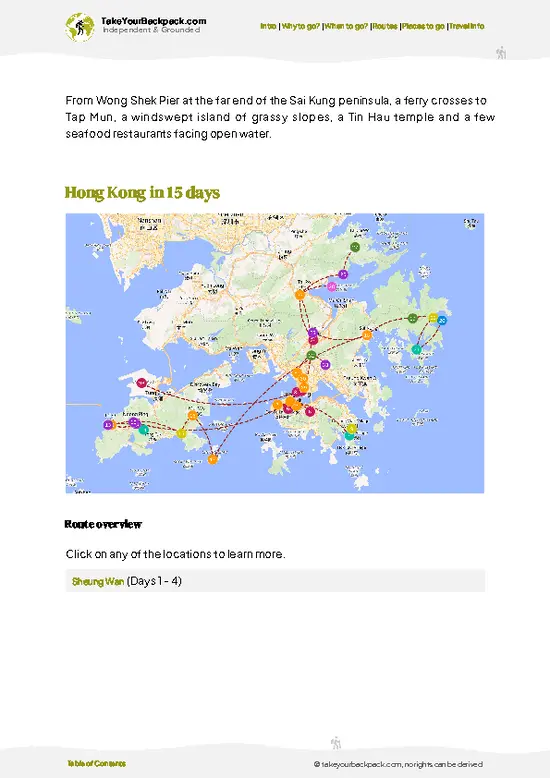
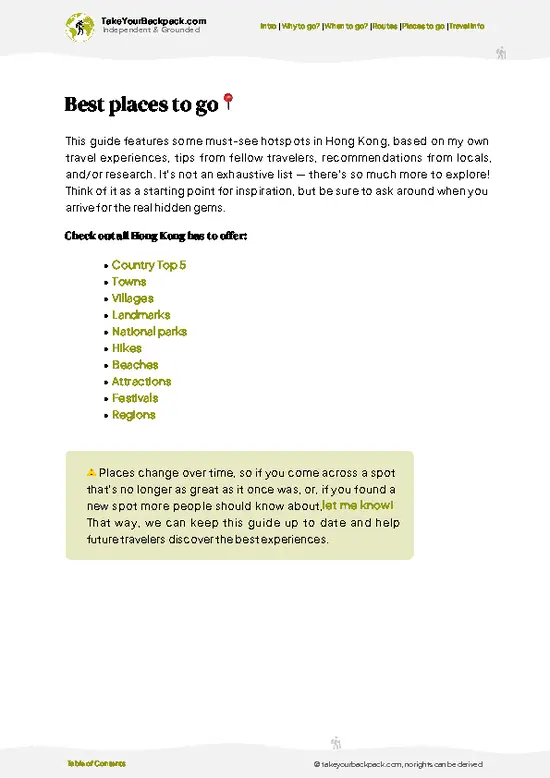
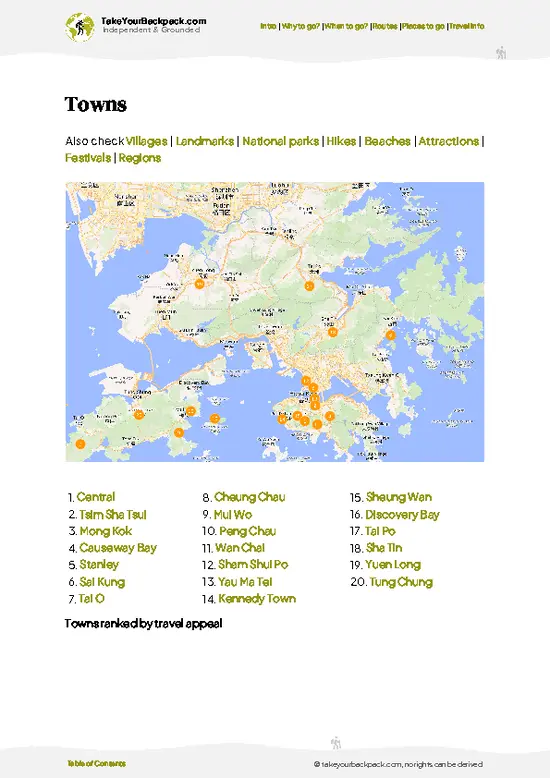
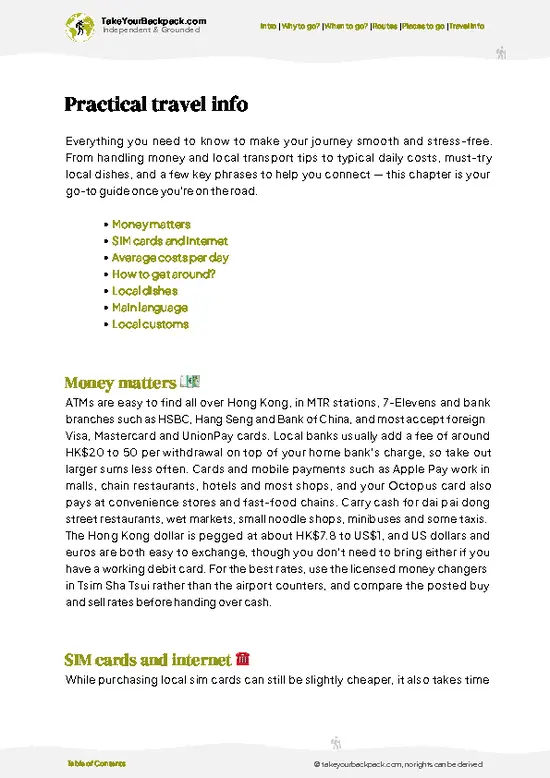
1. The Knife-Edge Ridge
Castle Peak doesn’t hand out its views for free. The ridge is a raw, exposed backbone of crumbling volcanic rock, and you’ll feel every gust of wind and every wobble in your legs. The trail narrows to a blade, with steep drops on both sides—no handrails, no mercy. It’s not technical, but it’s relentless. Your calves will burn, your shirt will stick to your back, and the city will shrink behind you. This is where you earn your bragging rights. Look east: the concrete sprawl of Tuen Mun looks toy-sized, and the South China Sea glimmers like a promise. This ridge is the moment you realize Hong Kong is more wild than urban, more vertical than horizontal.
2. The Summit Panorama
At 583 meters, Castle Peak is the highest point in western Hong Kong. The summit is a battered … read more 👉
Castle Peak doesn’t hand out its views for free. The ridge is a raw, exposed backbone of crumbling volcanic rock, and you’ll feel every gust of wind and every wobble in your legs. The trail narrows to a blade, with steep drops on both sides—no handrails, no mercy. It’s not technical, but it’s relentless. Your calves will burn, your shirt will stick to your back, and the city will shrink behind you. This is where you earn your bragging rights. Look east: the concrete sprawl of Tuen Mun looks toy-sized, and the South China Sea glimmers like a promise. This ridge is the moment you realize Hong Kong is more wild than urban, more vertical than horizontal.
2. The Summit Panorama
At 583 meters, Castle Peak is the highest point in western Hong Kong. The summit is a battered … read more 👉
1. The Knife-Edge Ridge
Castle Peak doesn’t hand out its views for free. The ridge is a raw, exposed backbone of crumbling volcanic rock, and you’ll feel every gust of wind and every wobble in your legs. The trail narrows to a blade, with steep drops on both sides—no handrails, no mercy. It’s not technical, but it’s relentless. Your calves will burn, your shirt will stick to your back, and the city will shrink behind you. This is where you earn your bragging rights. Look east: the concrete sprawl of Tuen Mun looks toy-sized, and the South China Sea glimmers like a promise. This ridge is the moment you realize Hong Kong is more wild than urban, more vertical than horizontal.
2. The Summit Panorama
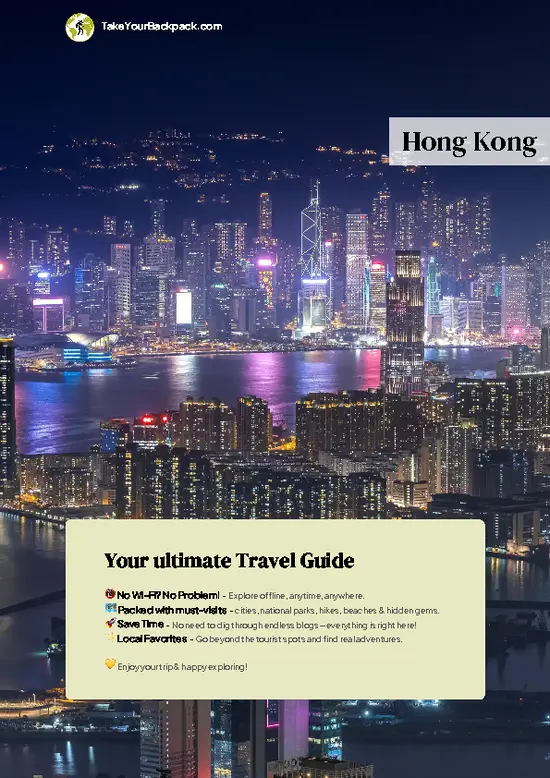
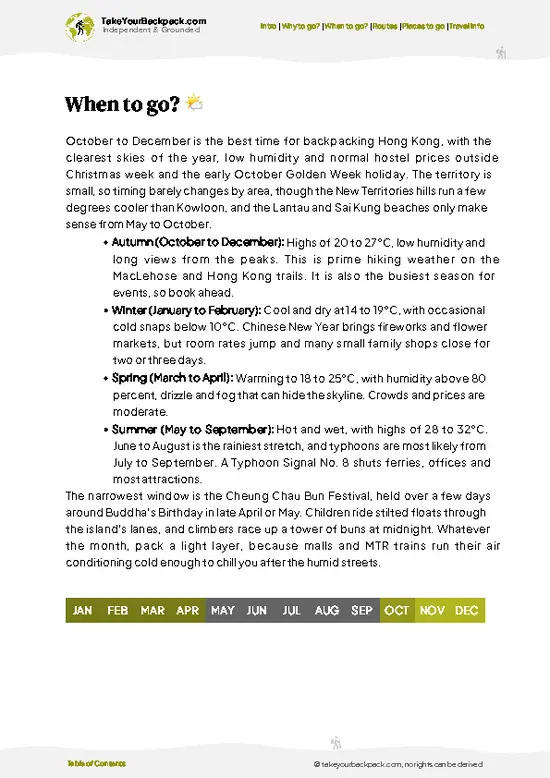
At 583 meters, Castle Peak is the highest point in western Hong Kong. The summit is a battered concrete trig station, a few battered prayer flags, and a 360-degree sweep that’s pure payoff. You’ll see the full sprawl of the New Territories, the shipping lanes slicing through the sea, and—on a clear day—the faint outline of Lantau’s peaks to the south. The wind up here is a slap, not a breeze. The city noise dies. You’ll want to linger, but the exposed summit means you’ll probably just crouch behind a rock, grinning like you’ve gotten away with something. This is the view that makes the sweat and sunburn worth it.
3. The Abandoned Military Bunkers
Halfway up, the trail spits you out near a cluster of old British military bunkers, relics from a time when this ridge was a frontline. The concrete is cracked, the metal rusted, but the sense of history is thick. Peer inside: bats, graffiti, and the echo of boots from another era. It’s a jarring reminder that these hills have seen more than just hikers. The bunkers are a perfect spot to catch your breath and let your imagination run wild—before the next steep push.
4. The Scramble Through Silvergrass
Late autumn turns the upper slopes into a sea of silvergrass, waist-high and whispering in the wind. The trail disappears, and you’re forced to push through, seeds sticking to your socks, the sun flickering through the blades. It’s a sensory reset after the hard rock and concrete below. For a few minutes, you’re not in a city at all—you’re in a wild, shifting landscape that feels closer to Mongolia than to Hong Kong’s shopping malls.
5. The Descent to Tsing Shan Monastery
Most people rush the descent, but don’t. The trail drops steeply toward Tsing Shan Monastery, one of Hong Kong’s oldest Buddhist sites. The incense hits you before you see the tiled roofs. Monks chant behind closed doors, and the air feels heavier, calmer. After the exposed summit, the shade and serenity are a shock to the system. This is where you trade adrenaline for reflection, and maybe—if you time it right—a cold drink from the tiny shop at the monastery gate.
Castle Peak doesn’t hand out its views for free. The ridge is a raw, exposed backbone of crumbling volcanic rock, and you’ll feel every gust of wind and every wobble in your legs. The trail narrows to a blade, with steep drops on both sides—no handrails, no mercy. It’s not technical, but it’s relentless. Your calves will burn, your shirt will stick to your back, and the city will shrink behind you. This is where you earn your bragging rights. Look east: the concrete sprawl of Tuen Mun looks toy-sized, and the South China Sea glimmers like a promise. This ridge is the moment you realize Hong Kong is more wild than urban, more vertical than horizontal.
2. The Summit Panorama
At 583 meters, Castle Peak is the highest point in western Hong Kong. The summit is a battered concrete trig station, a few battered prayer flags, and a 360-degree sweep that’s pure payoff. You’ll see the full sprawl of the New Territories, the shipping lanes slicing through the sea, and—on a clear day—the faint outline of Lantau’s peaks to the south. The wind up here is a slap, not a breeze. The city noise dies. You’ll want to linger, but the exposed summit means you’ll probably just crouch behind a rock, grinning like you’ve gotten away with something. This is the view that makes the sweat and sunburn worth it.
3. The Abandoned Military Bunkers
Halfway up, the trail spits you out near a cluster of old British military bunkers, relics from a time when this ridge was a frontline. The concrete is cracked, the metal rusted, but the sense of history is thick. Peer inside: bats, graffiti, and the echo of boots from another era. It’s a jarring reminder that these hills have seen more than just hikers. The bunkers are a perfect spot to catch your breath and let your imagination run wild—before the next steep push.
4. The Scramble Through Silvergrass
Late autumn turns the upper slopes into a sea of silvergrass, waist-high and whispering in the wind. The trail disappears, and you’re forced to push through, seeds sticking to your socks, the sun flickering through the blades. It’s a sensory reset after the hard rock and concrete below. For a few minutes, you’re not in a city at all—you’re in a wild, shifting landscape that feels closer to Mongolia than to Hong Kong’s shopping malls.
5. The Descent to Tsing Shan Monastery
Most people rush the descent, but don’t. The trail drops steeply toward Tsing Shan Monastery, one of Hong Kong’s oldest Buddhist sites. The incense hits you before you see the tiled roofs. Monks chant behind closed doors, and the air feels heavier, calmer. After the exposed summit, the shade and serenity are a shock to the system. This is where you trade adrenaline for reflection, and maybe—if you time it right—a cold drink from the tiny shop at the monastery gate.
Spotted a mistake or missing something? Contact us.

Half-Day or Full- Day Private Custom Walking Tour of Hong Kong

Private Hong Kong Car Tour - Half Day or Full Day

Hong Kong|Private Sightseeing Tour with Local Driver-Guide

Full-Day Private Customized Walking Tour of Hong Kong

Peaks to Piers, Half-Day Private Customised Tour In Hong Kong
4-Hour Private Hong Kong Layover Tour

Hong Kong Private Tour with Master Storyteller (Full or Half Day)

Hong Kong Private & Personalized Family Tour with a Local Guide
Private 4-Hour Hong Kong City Tour – Customized Experience


 Best Backpacking
.jpg) Hi, I’m Johan (Netherlands 🇳🇱), the creator of TakeYourBackpack. Over the past 3 decades, I’ve backpacked through 90+ countries across six continents, gaining extensive experience with independent travel, long-term trips, and overland routes.
Hi, I’m Johan (Netherlands 🇳🇱), the creator of TakeYourBackpack. Over the past 3 decades, I’ve backpacked through 90+ countries across six continents, gaining extensive experience with independent travel, long-term trips, and overland routes.