×

Hong Kong🇭🇰 | festivalsCheung Chau Bun Festivaltowering bun stacks, island procession, Taoist rituals | things to do and best time to go

Explore Pui O BeachExplore Chinese New Year

Backpacking in Cheung Chau Bun
🏆 Top pickfestival ranked #2
By Johan Kruseman 🇳🇱 | Updated September 4, 2026

Most people only realize on the ferry back that the smartest move at Cheung Chau Bun Festival is arriving early in the day and leaving late at night, so you actually see the parades and bun towers without spending half your time trapped in shoulder‑to‑shoulder gridlock. The festival explodes across tiny Cheung Chau Island, a short ferry ride southwest of Hong Kong Island, turning this usually sleepy fishing community into a full‑body experience. You get pounding drums, gongs, Taoist ritual music, lion and dragon dances, and a crowd that mixes local families, school groups, and curious backpackers who want something weirder than another skyline bar. The vibe is chaotic but playful, with a strong religious core under the carnival surface. It runs for several days, with the peak night bun‑scrambling competition as the headline act. Go if you like culture with sweat, noise, and zero filter; skip it if you hate crowds and tight spaces.

Discover everything you want to know in the 📖 Hong Kong Travel Guide.
Loading the map 🌍
CLICK TO FILTER
towns
landmarks
national parks
hikes
beaches
attractions
festivals
regions
SHOW COUNTRY’S BESTSHOW ALL

✨ Why go?
Ranked #2 festival in Hong Kong
The unique appeal for travelers

Backpackers flock to the Cheung Chau Bun Festival in Hong Kong for a burst of social energy that’s hard to find elsewhere. This isn’t just a festival; it’s a temporary community where locals and travelers unite over shared experiences. The vibrant atmosphere, filled with colorful parades and traditional performances, immerses you in the heart of Hong Kong’s culture.

Planning your route around this festival means you’re not just checking off a box; you’re diving headfirst into a cultural immersion that enriches your journey. The festival is also surprisingly affordable compared to similar events worldwide, allowing you to save your budget for other adventures.

Imagine the thrill of climbing the bun towers, surrounded by cheering crowds, or savoring local delicacies that you won’t find in … read more 👉
Backpackers flock to the Cheung Chau Bun Festival in Hong Kong for a burst of social energy that’s hard to find elsewhere. This isn’t just a festival; it’s a temporary community where locals and travelers unite over shared experiences. The vibrant atmosphere, filled with colorful parades and traditional performances, immerses you in the heart of Hong Kong’s culture.

Planning your route around this festival means you’re not just checking off a box; you’re diving headfirst into a cultural immersion that enriches your journey. The festival is also surprisingly affordable compared to similar events worldwide, allowing you to save your budget for other adventures.

Imagine the thrill of climbing the bun towers, surrounded by cheering crowds, or savoring local delicacies that you won’t find in tourist traps. This festival fits seamlessly into longer travel plans, serving as a perfect pit stop between hikes or city explorations.

By aligning your travels with the Cheung Chau Bun Festival, you’re not just witnessing a spectacle; you’re becoming part of a living, breathing tapestry of tradition and joy. Embrace the challenge and let the festival fuel your adventure!
Want to include Cheung Chau Bun Festival in your Hong Kong route?
Create a personalized Hong Kong itinerary that includes Cheung Chau Bun Festival and the places that fit your trip — based on your travel style, budget, and available time. Get your route in seconds.

Generate my trip

💡 HighlightsEssential experiences to have while celebrating the Cheung Chau Bun

  • Bun towers and the bun-scrambling tradition — Massive bamboo towers covered in hundreds of small steamed buns are the festival’s signature image. Watching climbers race up (or just gawking at the towers themselves) is a one-of-a-kind sight — a mix of athletic spectacle, ritual offering and pure local pageantry.
  • Piu Sik (”Floating Children”) parade — Kids dressed as gods and legendary figures appear to “float” above the crowd on concealed stilts. It’s surreal, photogenic and genuinely unlike ordinary parades; the costumes, painted faces and careful balance make it strangely magical.
  • Colorful street parades, lion dances and Cantonese opera — Drums, cymbals, acrobatics and elaborate costumes fill the narrow streets. The energy is unapologetically loud and tactile: you’ll hear the percussion
read more 👉
  • Bun towers and the bun-scrambling tradition — Massive bamboo towers covered in hundreds of small steamed buns are the festival’s signature image. Watching climbers race up (or just gawking at the towers themselves) is a one-of-a-kind sight — a mix of athletic spectacle, ritual offering and pure local pageantry.
  • Piu Sik (”Floating Children”) parade — Kids dressed as gods and legendary figures appear to “float” above the crowd on concealed stilts. It’s surreal, photogenic and genuinely unlike ordinary parades; the costumes, painted faces and careful balance make it strangely magical.
  • Colorful street parades, lion dances and Cantonese opera — Drums, cymbals, acrobatics and elaborate costumes fill the narrow streets. The energy is unapologetically loud and tactile: you’ll hear the percussion in your chest and see traditional performance styles that hardly appear outside local festivals.
  • Taoist rituals and temple processions — The festival grew from islanders’ efforts to placate spirits and bring good luck, so ritual plays a central role: incense-filled ceremonies, deity processions and symbolic offerings. It’s a chance to see living folk religion performed openly and up close, not tucked behind museum glass.
  • Island food stalls, festival buns and the close-up local vibe — Between performances you’ll be elbow-to-elbow with locals at food stalls selling festival buns and island specialties. The streets filled with stalls, souvenir bun towers, and the easy, slightly chaotic crowd vibe are as much part of the experience as the formal events.
Spotted a mistake or missing something? Contact us.

🌤️ When to go?When is the celebration of Cheung Chau Bun Festival?


  • Topic: Festival Timing The Cheung Chau Bun Festival happens annually around late April to early May, pegged to the lunar calendar. This timing is non-negotiable—plan your trip around these dates to catch the full spectacle, especially the iconic bun-snatching competition.

  • Topic: Weather Spring in Hong Kong is a sweet spot—expect mild temperatures from 20°C to 26°C (68°F to 79°F). It’s warm enough to roam comfortably but avoids the oppressive summer humidity that can sap your energy fast.

  • Topic: Daylight Hours Days stretch to about 12-13 hours, giving you ample daylight to explore the festival’s rituals and the island’s trails without rushing. Early mornings and late afternoons are perfect for photography and avoiding the midday crowd crush.

  • Topic: Crowds The festival draws locals and tourists
read more 👉

  • Topic: Festival Timing The Cheung Chau Bun Festival happens annually around late April to early May, pegged to the lunar calendar. This timing is non-negotiable—plan your trip around these dates to catch the full spectacle, especially the iconic bun-snatching competition.

  • Topic: Weather Spring in Hong Kong is a sweet spot—expect mild temperatures from 20°C to 26°C (68°F to 79°F). It’s warm enough to roam comfortably but avoids the oppressive summer humidity that can sap your energy fast.

  • Topic: Daylight Hours Days stretch to about 12-13 hours, giving you ample daylight to explore the festival’s rituals and the island’s trails without rushing. Early mornings and late afternoons are perfect for photography and avoiding the midday crowd crush.

  • Topic: Crowds The festival draws locals and tourists alike, so expect thick crowds on peak days. Arriving early or staying on the island overnight can help you dodge the busiest moments and soak in the atmosphere without feeling trampled.

  • Topic: Seasonal Activities Beyond the bun festival, spring offers vibrant local markets and outdoor hikes around Cheung Chau. These activities complement the festival and reward you with a fuller, more grounded experience of island life.

  • Topic: Price Fluctuations Accommodation and ferry prices spike during the festival. Booking well in advance is your best defense against inflated costs. Consider staying in nearby areas and commuting if you want to keep your budget lean.


Pro-tip: Lock in your travel dates early and aim for weekdays during the festival to balance crowd control, weather comfort, and wallet-friendly rates—this strategy keeps your energy focused on the festival’s pulse, not the hassles.


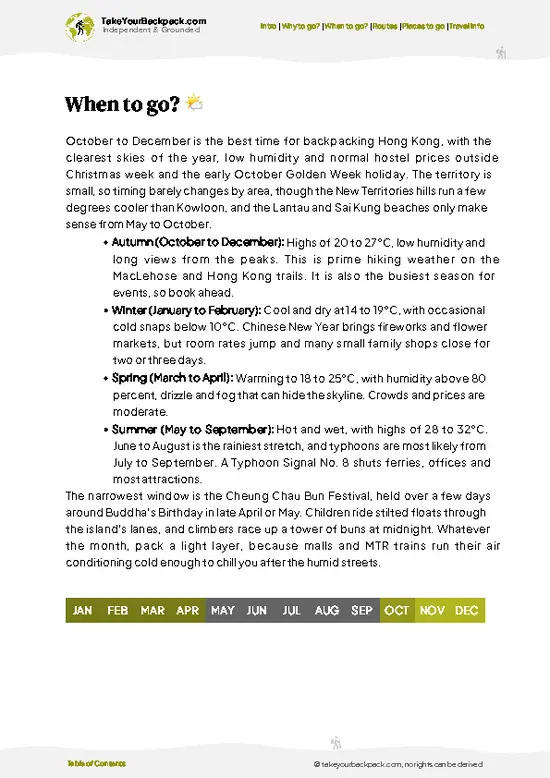
source: climatestotravel.comJANJanuary: not recommended for travelingFEBFebruary: not recommended for travelingMARMarch: not recommended for travelingAPRApril: highly recommended for travelingMAYMay: highly recommended for travelingJUNJune: not recommended for travelingJULJuly: not recommended for travelingAUGAugust: not recommended for travelingSEPSeptember: not recommended for travelingOCTOctober: not recommended for travelingNOVNovember: not recommended for travelingDECDecember: not recommended for traveling

✈️ The backpacker research shortcutHong Kong Travel Guide

An offline-friendly backpacking guide with optimized travel routes, ranked highlights, transport advice, and the best areas to stay.
example page 0 from our offline Travel Guide for Hong Kong
example page 1 from our offline Travel Guide for Hong Kong
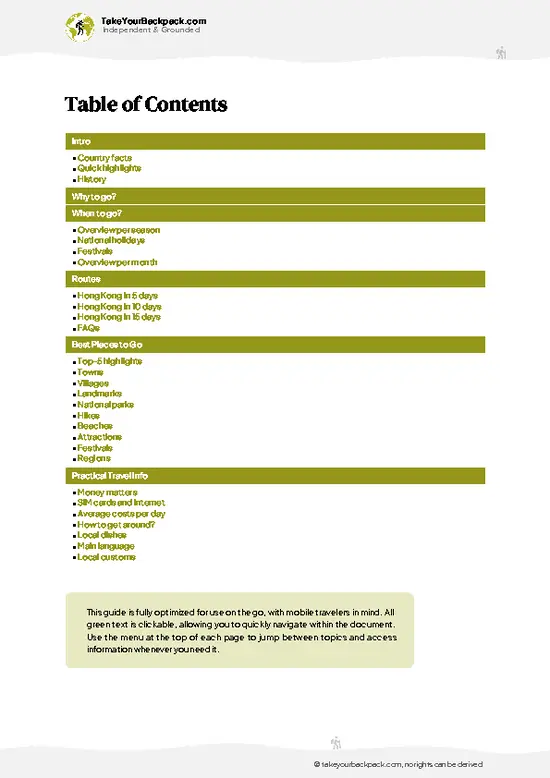
example page 2 from our offline Travel Guide for Hong Kong
example page 3 from our offline Travel Guide for Hong Kong
example page 4 from our offline Travel Guide for Hong Kong
example page 5 from our offline Travel Guide for Hong Kong
example page 6 from our offline Travel Guide for Hong Kong
example page 7 from our offline Travel Guide for Hong Kong
The digital guide (357 pages) contains:
98 highlights, ranked by travel appeal
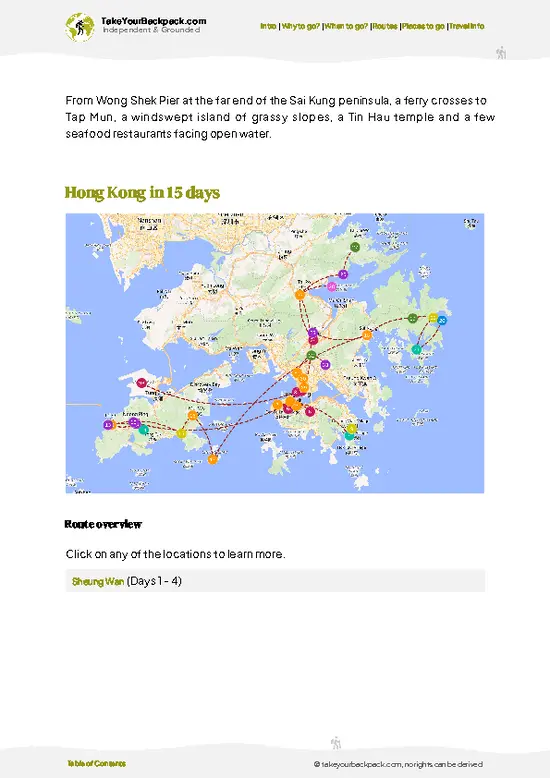
Optimized 5, 10 & 15-day travel routes
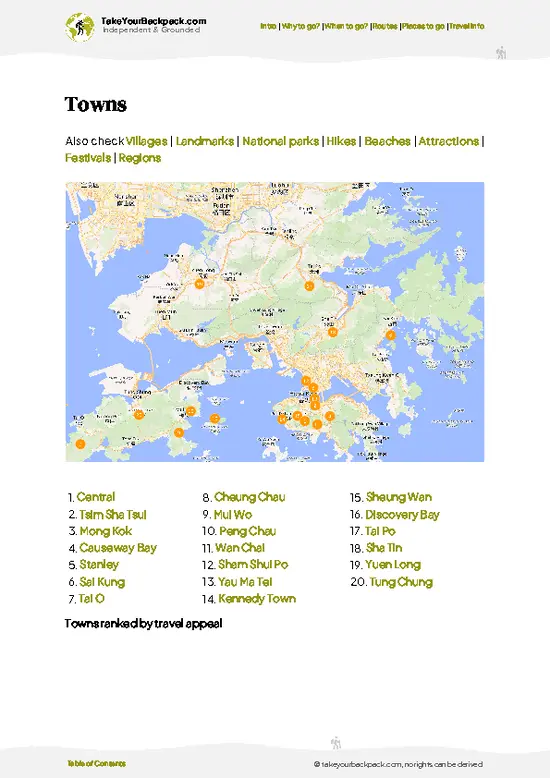
Cities, national parks, landmarks, beaches
How to get around
Offline-friendly for travel without Wi-Fi
👉 Click to see all 30+ guide features

📅 Plan smarter in minutes, not weeks
Month by month travel advice
Festivals & national holidays
Budget expectations

🗺️ Go to the right places, skip the overrated ones
Honest pros & cons of destinations
Top hikes, parks & viewpoints
Lesser-known places most travelers miss
Clear “worth it vs skip it” guidance

🛏️ Travel smoothly without rookie mistakes
Best areas to stay
Transport systems explained simply
Common scams & safety advice
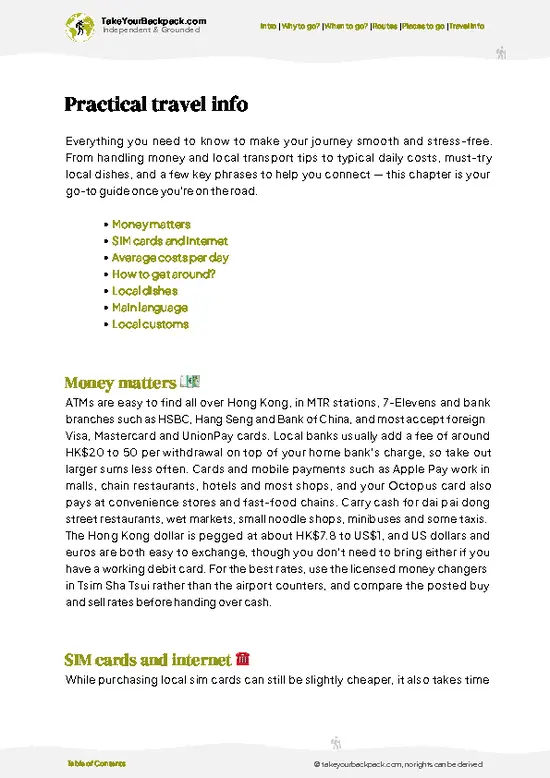
SIM cards, money & practical tips

🌍 Understand the country, not just visit it
Culture & traditions
52 Essential phrases & customs
Festivals worth planning around
Traveler-friendly historical context
Insights that make places more meaningful

📱 Built for real travel conditions
Fully downloadable PDF
Works completely offline
Optimized for phone use
Useful in remote areas & buses
Everything in one place
Save weeks of stressful planning
Get instant access to your full guide. 30‑day money-back guarantee.
+ Add another guide for just US$7.80

By proceeding you agree to our terms.
Sent to your inbox immediately after payment • 100% Secure Checkout
Best Backpacking Travel Advisor 2025 tourism awardBest Backpacking
Travel Advisor
2025
What others say about Take Your Backpack Guides:
⭐⭐⭐⭐⭐
Fantastic, amazing amount of information!
⭐⭐⭐⭐⭐
My goodness this is amazing, it's what I've been looking for hats off too you!
⭐⭐⭐⭐⭐
I think this is absolutely BRILLIANT
⭐⭐⭐⭐
Very complete and informative. It's still missing places, but I gotta to commend you
⭐⭐⭐⭐⭐
This is truly amazing, thank you, can't wait to explore it with my kids!
⭐⭐⭐⭐⭐
Awesome resource, thank you!
⭐⭐⭐⭐⭐
This is amazing! Can't wait to explore the ones I haven't seen
⭐⭐⭐⭐
I love this! Well done, great idea.
⭐⭐⭐⭐⭐
Thanks for taking the time to make this gem!
⭐⭐⭐⭐⭐
This might be the best website I've ever seen.
⭐⭐⭐⭐⭐
Congratulations, and thank you so much for your work; it's incredibly valuable.
⭐⭐⭐⭐
In all seriousness I think you did a great job pointing out the important spots
⭐⭐⭐⭐⭐
10/10 very good
⭐⭐⭐⭐⭐
As someone who's only just starting to visit regularly this is awesome, thank you.
⭐⭐⭐⭐
Thank you very much! I'm going to visit my dad, it's going to be very useful!
⭐⭐⭐⭐⭐
This is really cool! We'll be travelling for the first time and this definitely come in handy.
⭐⭐⭐⭐⭐
You are now our minister of culture, congratulations 👨‍💼
⭐⭐⭐⭐⭐
Just wanted to tell you that this is a pearl! Going to follow your recommendations.
⭐⭐⭐⭐⭐
This is so cool. I'll definitely be using the resource for my travels soon.
⭐⭐⭐⭐⭐
This is very impressive! Good work.
⭐⭐⭐⭐⭐
This is an amazing and informative site. Very well done!

🛏️ Where to stay?Best areas to stay in Hong Kong

Cheung Chau is a vibrant hub during the Bun Festival, and staying close to the action is key. Head to the waterfront area. It’s alive with energy, filled with street vendors and locals celebrating. You’ll find a mix of budget accommodations here, perfect for solo travelers looking to connect.

The main village is another solid choice. It’s compact, making it easy to navigate. You’ll be steps away from the festival’s heart, where the atmosphere buzzes with excitement. Plus, the local eateries serve up delicious bites that won’t break the bank.

Don’t overlook the quieter spots on the island’s … read more 👉
Cheung Chau is a vibrant hub during the Bun Festival, and staying close to the action is key. Head to the waterfront area. It’s alive with energy, filled with street vendors and locals celebrating. You’ll find a mix of budget accommodations here, perfect for solo travelers looking to connect.

The main village is another solid choice. It’s compact, making it easy to navigate. You’ll be steps away from the festival’s heart, where the atmosphere buzzes with excitement. Plus, the local eateries serve up delicious bites that won’t break the bank.

Don’t overlook the quieter spots on the island’s outskirts. They offer a more laid-back vibe, ideal for recharging after the festival’s frenzy. You can still hop on a bike or stroll to the main events, keeping you close but away from the chaos when you need a breather.

Safety is generally high across Cheung Chau, but stick to well-lit areas at night. The community is welcoming, and you’ll likely find fellow backpackers eager to share stories and tips. This blend of social energy and budget-friendly options makes Cheung Chau a prime spot for your festival adventure.

👛 Costs (as of 4 September 2026)Typical daily expenses

The Cheung Chau Bun Festival is a vibrant celebration, but navigating costs can be tricky. Here’s what you need to know to keep your budget intact while soaking up the atmosphere.
  • Festival Tickets: Entry to the festival is generally free, but some events may charge a small fee, typically around $10-$20 USD. Keep an eye out for special performances or activities that might require tickets.
  • Accommodation: Options range from budget hostels to mid-range hotels. Expect to pay between $30-$100 USD per night for a decent place. Book early; prices can spike as the festival approaches.
  • Local Transport: Getting to Cheung Chau is straightforward. Ferries from Central Hong Kong cost about $10-$15 USD each way. Once on the island, walking is the best way to explore, but budget a few dollars for local buses
read more 👉
The Cheung Chau Bun Festival is a vibrant celebration, but navigating costs can be tricky. Here’s what you need to know to keep your budget intact while soaking up the atmosphere.
  • Festival Tickets: Entry to the festival is generally free, but some events may charge a small fee, typically around $10-$20 USD. Keep an eye out for special performances or activities that might require tickets.
  • Accommodation: Options range from budget hostels to mid-range hotels. Expect to pay between $30-$100 USD per night for a decent place. Book early; prices can spike as the festival approaches.
  • Local Transport: Getting to Cheung Chau is straightforward. Ferries from Central Hong Kong cost about $10-$15 USD each way. Once on the island, walking is the best way to explore, but budget a few dollars for local buses if needed.
  • Food & Drinks: Street food is a highlight. You can feast on local delicacies for $5-$15 USD per meal. Restaurants will range from $15-$30 USD for a sit-down experience. Don’t miss the iconic bun, but be prepared for queues!
  • Miscellaneous Expenses: Factor in souvenirs, snacks, and any spontaneous activities. A budget of $20-$50 USD should cover these extras. Always have a little cushion for unexpected delights.

Stay sharp and plan ahead to enjoy the festival without breaking the bank.
⚠️ Prices can change and everyone travels differently, so take this as a rough guide. Hope it helps you plan your adventure!

🍲 FoodLocal Cuisine & Drinks

At the Cheung Chau Bun Festival, food is as much a part of the experience as the towering bun mountains. You’ll find steamed buns stuffed with sweet or savory fillings, but don’t stop there. Dive into fish balls and pork chop buns from the bustling festival stalls. Each bite is a taste of local culture, and the vendors are often eager to share their stories, making the food feel even more authentic.

For drinks, grab a cup of sugarcane juice or Hong Kong-style milk tea. The sweetness of the sugarcane juice is refreshing, especially under the festival sun, while the milk tea packs a comforting punch.

Now, here’s the scoop: be prepared to share. Portions can be generous, and locals often encourage you to try a bit of everything. Lines can get long, especially for popular stalls, so keep your … read more 👉
At the Cheung Chau Bun Festival, food is as much a part of the experience as the towering bun mountains. You’ll find steamed buns stuffed with sweet or savory fillings, but don’t stop there. Dive into fish balls and pork chop buns from the bustling festival stalls. Each bite is a taste of local culture, and the vendors are often eager to share their stories, making the food feel even more authentic.

For drinks, grab a cup of sugarcane juice or Hong Kong-style milk tea. The sweetness of the sugarcane juice is refreshing, especially under the festival sun, while the milk tea packs a comforting punch.

Now, here’s the scoop: be prepared to share. Portions can be generous, and locals often encourage you to try a bit of everything. Lines can get long, especially for popular stalls, so keep your patience handy. Cash is king here; many vendors don’t accept cards, so stock up on Hong Kong dollars before diving in.

Remember, the atmosphere is electric. Enjoy the hustle, savor the flavors, and let the festival sweep you into its vibrant rhythm. This isn’t just about eating; it’s about experiencing the heart of Cheung Chau.

FAQTraveler FAQ

The Cheung Chau Bun Festival takes place annually in late April or early May, lasting about 3 to 5 days. The exact dates vary each year based on the lunar calendar, typically around the fourth or fifth day of the fourth lunar month.
Attending the Cheung Chau Bun Festival is free of charge. Most events and parades are open to the public without any entrance fee, making it accessible for all travelers.
No, you do not need tickets in advance to attend the Cheung Chau Bun Festival. The festival is held in public spaces on Cheung Chau Island, and visitors can join the festivities freely.
⚠️ Things can change over time, so always validate details locally before you go.

Other Hong Kongese festivals near Cheung Chau Bun

Explore more nearby:


💡 Not sure where to go next?
Create a personalized itinerary for Hong Kong including Cheung Chau Bun and the places that fit your trip.

Generate my itinerary

👉 Discover all festivals

Or checkout all Hong Kong has to offer (think cities, towns, villages, national parks, hikes, beaches, festivals)
Country photo of Hong Kong

We 💚 feedbackFinal thoughts on celebrating the Cheung Chau Bun

The Cheung Chau Bun Festival is a whirlwind of energy and tradition. You’ll feel the pulse of the crowd as you dive into the chaos of bun-snatching and lion dances. The best surprise? The local vibe—everyone’s in on the fun, sharing laughs and stories. Just a heads-up: the ferry ride can get packed, so arrive early to snag a good spot. Trust me, you’ll want to soak in every moment of this vibrant celebration. It’s all about the experience, not just the buns.

✍️ Help improve this page!
The information on this page is based on in-depth research, insights shared by experienced travelers, and feedback from the local travel community in Hong Kong. While every effort is made to keep the information accurate and current, conditions can change — so if you spot anything incorrect or outdated, please get in touch.


🙋‍♂️ Give feedback

👋 Meet the founderWho’s Behind Take Your Backpack?

Johan, backpacker and founder of TakeYourBackpackHi, I’m Johan (Netherlands 🇳🇱), the creator of TakeYourBackpack. Over the past decade, I’ve backpacked through 80+ countries across six continents, gaining extensive experience with independent travel, long-term trips, and overland routes.

This site is built on a combination of firsthand travel experience and carefully curated insights from other backpackers. Many guides are based on places I’ve personally visited, while others bring together tips, observations, and practical advice shared by trusted travelers I’ve met along the way.

The goal is to provide realistic, experience-driven guidance — not generic itineraries — so you can explore destinations with better context, clearer expectations, and more confidence.

Get full Hong Kong guide •
Instant download • 98 highlights • Full Offline guide